
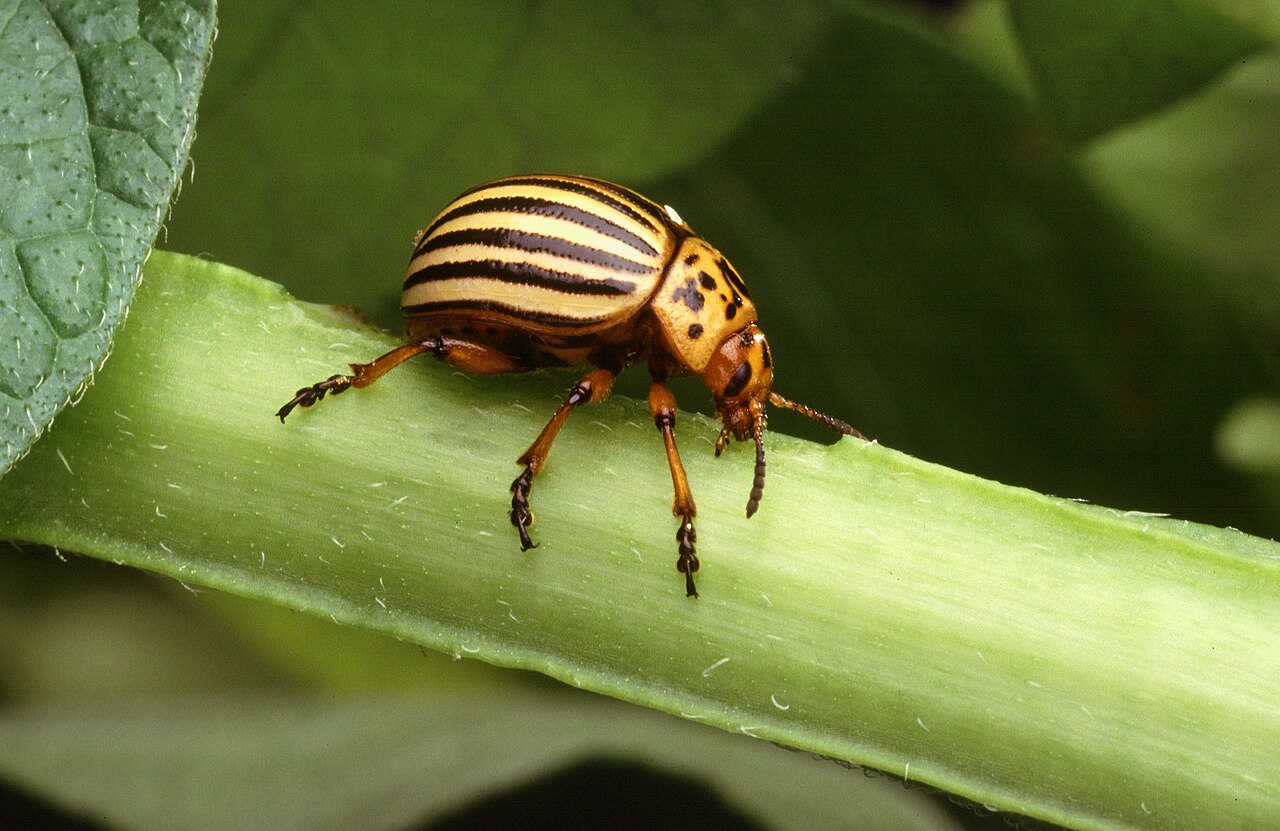
RNA interference (RNAi), the gene-silencing mechanism that earned a Nobel Prize in 2006, has crossed from laboratory proof of concept to registered biopesticides, according to a review in Nature Plants by Stephen Fletcher, Neena Mitter and colleagues. A double-stranded RNA designed to match a gene essential to a pest makes the pest's own cells silence that gene.
The first field product, a sprayable double-stranded RNA marketed as Calantha, targets a gene of the Colorado potato beetle and had its label approved by the US Environmental Protection Agency in late 2023; a second registered product has since followed. The authors frame adoption as an economic and social decision driven by efficacy, regulation and return on investment.
Delivering fragile RNA intact remains the central technical challenge, since nucleases in insect guts and on leaves destroy it quickly, but progress has been rapid, and bioinformatics tools now screen candidate sequences for efficacy and off-target risk. Environmental studies show RNA degrading quickly in soil and water.
The biggest uncertainty may be social licence: acceptance will depend on how the technology is explained, since spraying a gene-silencing molecule sounds like genetic modification to many people, the review notes.
Photo: Scott Bauer, USDA ARS / Wikimedia Commons (Public domain)
Source: AgroPages


Comments
(0)