
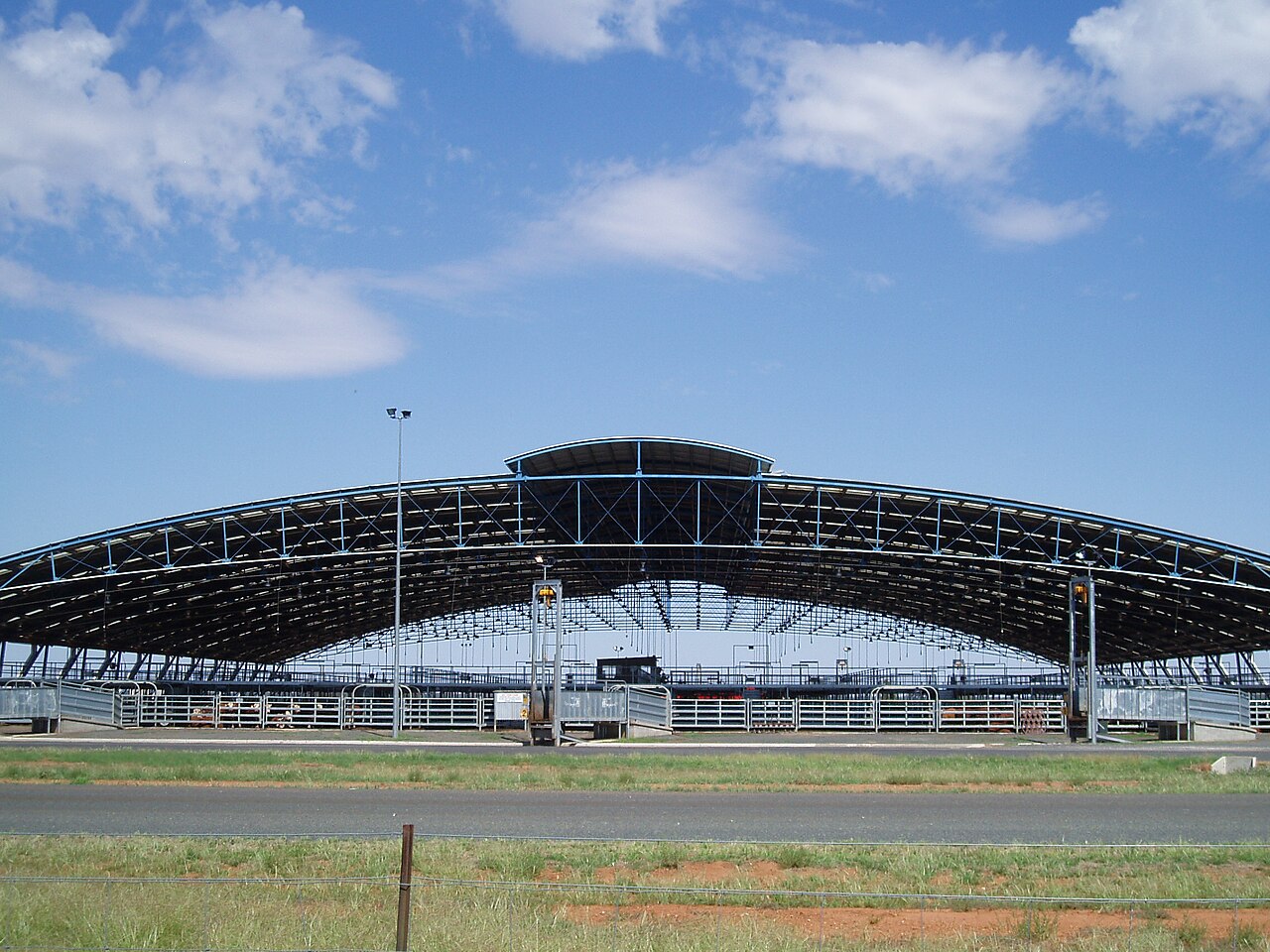
Record livestock prices, good feed reserves and strong crop prospects are lifting confidence in parts of southern New South Wales, where some producers are turning crop paddocks over to sheep — while drought grips much of the state's north.
Riverina farmer Graeme Golder and his son Chris sold first-cross ewes at West Wyalong for what is understood to be an Australian saleyard record of $620 a head, averaging $607 across 600 ewes. The price made it "a no-brainer" to run more sheep on some of their cropping land at Temora, Golder said. Timely rain in March also set the family up with feed, and their crops are among the best they have grown — an unusual coincidence of good grain and livestock years.
West Wyalong livestock agent Paul Quade said strong lamb, mutton and wool prices meant some farmers were keeping sheep and easing back on cropping. Prices are supported by a shrinking national flock, forecast at 67.1 million head, down 21 per cent from 85.7 million two decades ago.
Elsewhere the season is harsh. The commodity forecaster ABARES expects NSW winter crop production to fall 30 per cent to 13.1 million tonnes in 2026–27, with better conditions in central and southern areas partly offsetting the north. About 45 per cent of the state is in some degree of drought, according to NSW drought coordinator Ray Willis, with the Northern Tablelands and North West — around Ashford, Glen Innes and Tenterfield — especially dry.
Around Moree, normally a "wall-to-wall cropping district", Willis said he had heard only about 10 per cent of the local government area had been planted this season, and some growers, including Mungindi's Sam Heagney, have forgone a crop entirely.
The report was written by Cara Jeffery, Amelia Bernasconi and Joshua Becker.
Photo: Amanda Slater / Wikimedia Commons (CC BY-SA 2.0)
Source: ABC Rural

Comments
(0)