
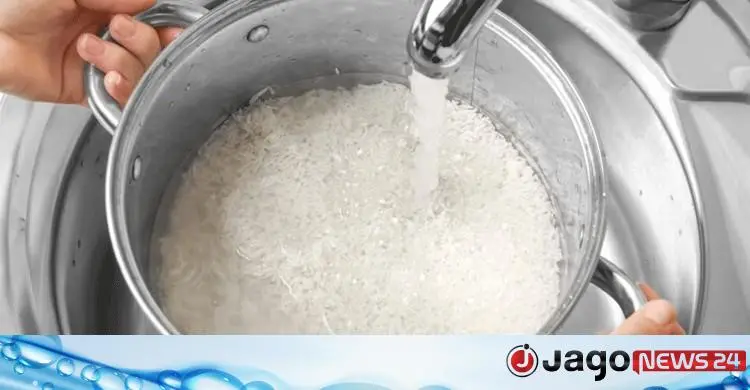
No Bengali meal is complete without rice. At lunch, hot rice without lentils, a curry or fish can feel like an unfinished meal.
So washing rice well before cooking every day is a familiar routine in the Bengali kitchen. But have you ever wondered whether rice is washed only to remove dirt, or whether there are other reasons too?
Cleanliness
During milling, transport and storage, dust, husk and other fine particles can get mixed with rice, so washing it in clean water before cooking is a normal hygiene step in preparing food.
In addition, some metals from pesticides and chemical fertilisers used in growing the crop, such as cadmium, lead or aluminium, can build up on the rice. Washing it well with water reduces the level of these toxic substances considerably.
According to the Food and Agriculture Organization, a traditional reason for washing rice is to remove dust and dirt from the grains, which may matter especially for rice stored in open containers.
Starch
Rice grains carry a coating of loose starch. Cooked unwashed, this extra starch makes the rice sticky and gluey. Washing removes the surface starch, so the cooked rice comes out fluffy and separate.
Arsenic and microplastics
Rice can absorb more inorganic arsenic from the environment than many other grains. Long-term exposure to high levels of inorganic arsenic is harmful to health, and arsenic is a serious carcinogen, a cancer-causing substance, for humans. According to the US FDA, washing rice has only a limited effect on arsenic. Instead, cooking one part rice in six to ten parts water and draining off the excess can reduce inorganic arsenic in certain types of rice by 40 to 60 per cent.
Because rice is now packed and transported in plastic sacks, there is a high risk of fine microplastics getting into it. A 2021 study found that washing rice in water before cooking can reduce some types of plastic particles by 20 to 40 per cent.
How to wash rice
First put the rice in a clean bowl, then rinse it gently two or three times in safe water. There is no need to scrub hard, as this can destroy the rice's B vitamins, such as thiamine (B1). Use the right amount of water when cooking, too.
After washing, soak the rice in clean water for 15 to 30 minutes. This removes more of the arsenic, activates the rice's enzymes and helps it cook quickly and come out fluffy.
People who eat a lot of rice regularly should keep variety in their diet rather than relying on washing alone. Adding vegetables, lentils, fish, eggs and other foods alongside rice makes the overall diet more balanced.
The story drew on the Hindustan Times.
Source: Jagonews24. First published in Bengali on The Agro News.
Comments
(0)