
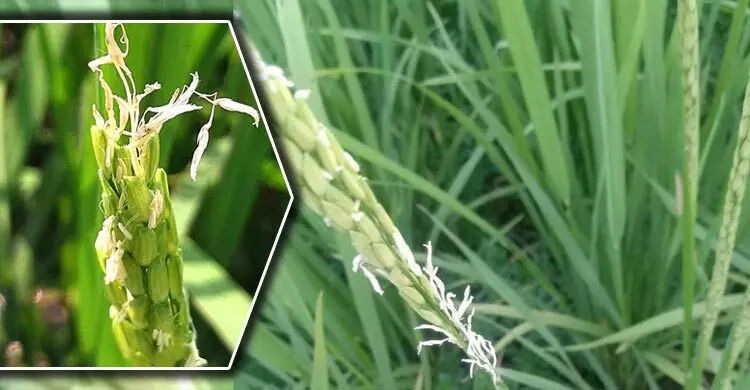
A temperature between 18°C and 34°C is best for rice yields. If the temperature falls below 18°C at the booting stage or below 20°C at the flowering stage, the embryo inside the boot can abort. As a result, white, dead, immature panicles appear just after the flowers emerge from the boot.
In the same way, if the temperature drops below 20°C at flowering, the rice flowers or panicles can turn white and die. If the temperature rises above 34°C at the booting or flowering stage, the grains can also turn empty (chita).
In addition, injury from unexpected storms and hailstorms at the booting and flowering stages can make the grains white and empty. In other words, cold injury or heat injury can cause the embryo in the boot to abort, so that partly white, dead ears come out. In such cases, applying any medicine to the field does no good.
Because of climate change, unexpected storms and hailstorms and unseasonal extreme cold and heat are forcing rice farmers to face new problems and challenges.
Advice for rice farmers
A temperature of 35°C or more is intolerable for rice. If 35°C persists in a rice field for one or two hours at flowering, grain emptiness will be excessive. From the third week of March to April, daytime temperatures can often reach 35°C or more.
What farmers should do:
- Plant improved and resistant varieties.
- Sow disease-free seed.
- Manage balanced fertiliser and irrigation.
- Make sure there is water in the field at the booting and flowering stages.
- Always keep water in the field.
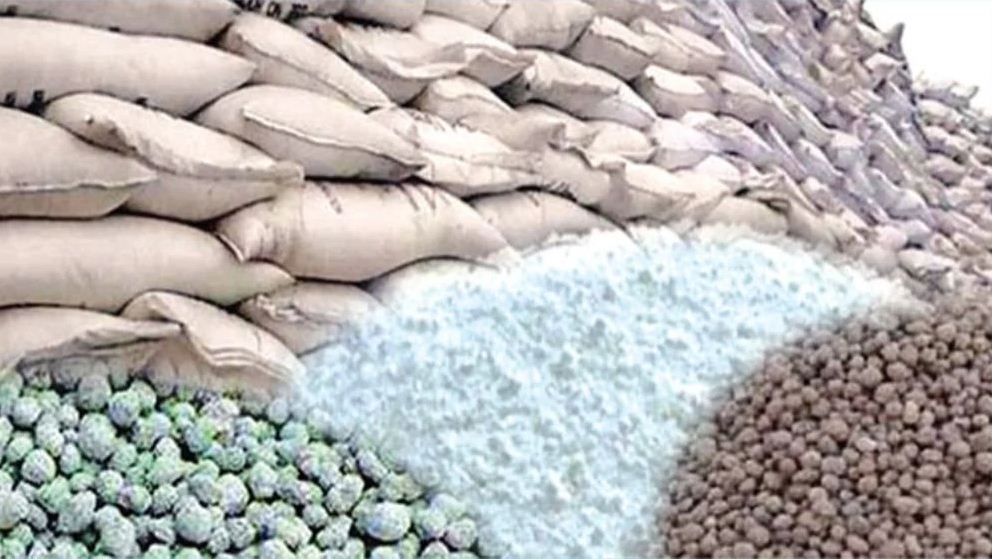
- From booting to the milk stage, hold 2 to 3 inches of water in the field for 22 to 25 days; spray MOP fertiliser mixed at 100 grams in 10 litres of water per 5 decimals of land, or apply 5 kg of MOP per bigha.
- If spraying is needed at the flowering stage, spray pesticide only in the late afternoon.
- Rice pollination usually takes place from 7am to 11am. Spraying at that time disrupts pollination and risks empty grains, so spraying must be done in the afternoon.
The writer is an agriculture and environment expert based in Dhaka.
Source: Jagonews24. First published in Bengali on The Agro News.
Comments
(0)