
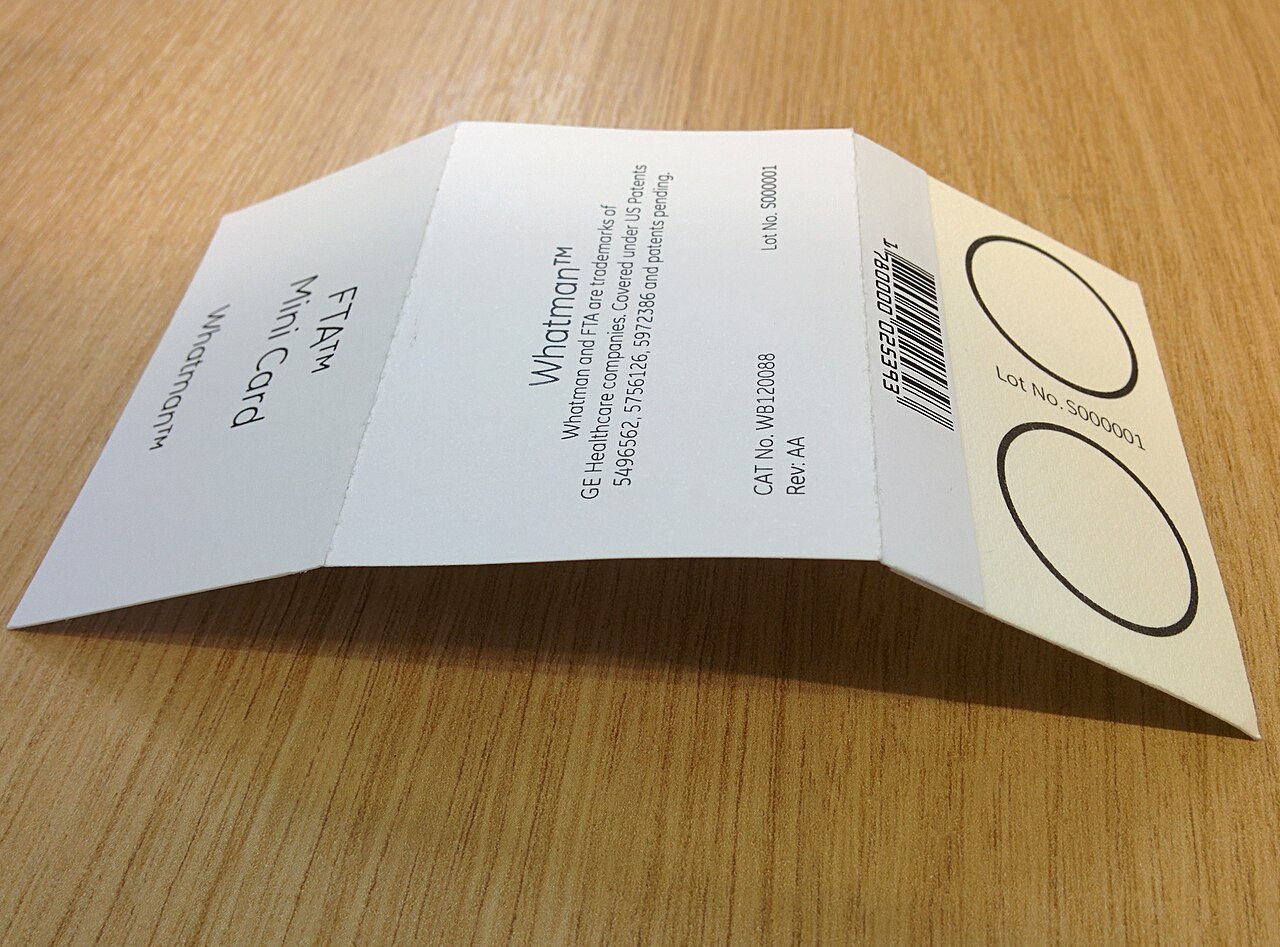
When a newborn has a fever, doctors often start strong antibiotics rather than take a risk, because standard tests take hours or days to show the cause. Writing in Bigganchinta, citing New Scientist, Anik Roy reports on a blood test that can tell within 15 to 20 minutes whether a fever is caused by bacteria or a virus.
According to figures cited in the piece, only about 15 per cent of children brought to hospital with fever have a serious bacterial infection; the other 85 per cent receive antibiotics they do not need. Such needless use is described as a leading driver of antimicrobial resistance worldwide.
The test relies on two proteins on white blood cells. When bacteria attack, the protein CD64 rises on neutrophils; when the body fights a virus, CD169 rises on monocytes. A team led by Tommaso Bellini of Italy's Giannina Gaslini Institute tested 85 babies under 90 days old who arrived at emergency departments with fever: it identified bacterial infection in 15 and viral infection in 44, and no infection in 26. The results were presented at the European Emergency Medicine Congress in Paris.
Fabrice Malergue of Beckman Coulter Life Sciences in Marseille, France, has worked on the protein test for more than a decade, with success in older patients in 2021. His team has built a small portable device that gives a result in 15 minutes from a few drops of blood from a fingertip, and it has been approved for research use. During a dengue outbreak on the Caribbean island of Martinique, a colleague used the test to find bacterial leptospirosis in several patients who had come in with dengue symptoms.
Bellini is now preparing a larger trial with 300 to 500 children. If it holds up at scale, the test could help cut unnecessary antibiotics for children and slow the spread of drug resistance.
Photo: Magnus Manske / Wikimedia Commons (CC BY-SA 3.0)
Source: Bigganchinta

Comments
(0)