
A 65-year-old man from Mithapukur upazila in Rangpur died of a snakebite at Rangpur Medical College Hospital at around 1.30am on the night of Sunday, 19 July 2026. On Monday, 20 July, posts on social media claimed that he was an Argentina supporter who had been bitten but did not go for treatment and kept watching a football match instead. Jagonews24 reported that evening that it had found no truth in the claim. According to the local union parishad (UP) member, the man was already under treatment in hospital while the match was being played, and he died there.
The man was Habibur Rahman, son of the late Abdur Rahman, of Abdullahpur village in Latibpur union of Mithapukur upazila, Jagonews24 reported. The false version drew attention to the case, but the facts as the UP member gave them describe something far more common: a villager bitten by a snake after dark on his way home, taken from the upazila health complex to the medical college hospital, and dying within hours. Doctors, the government's health services and the World Health Organization (WHO) have documented that pattern in Bangladesh for years.
What the UP member said
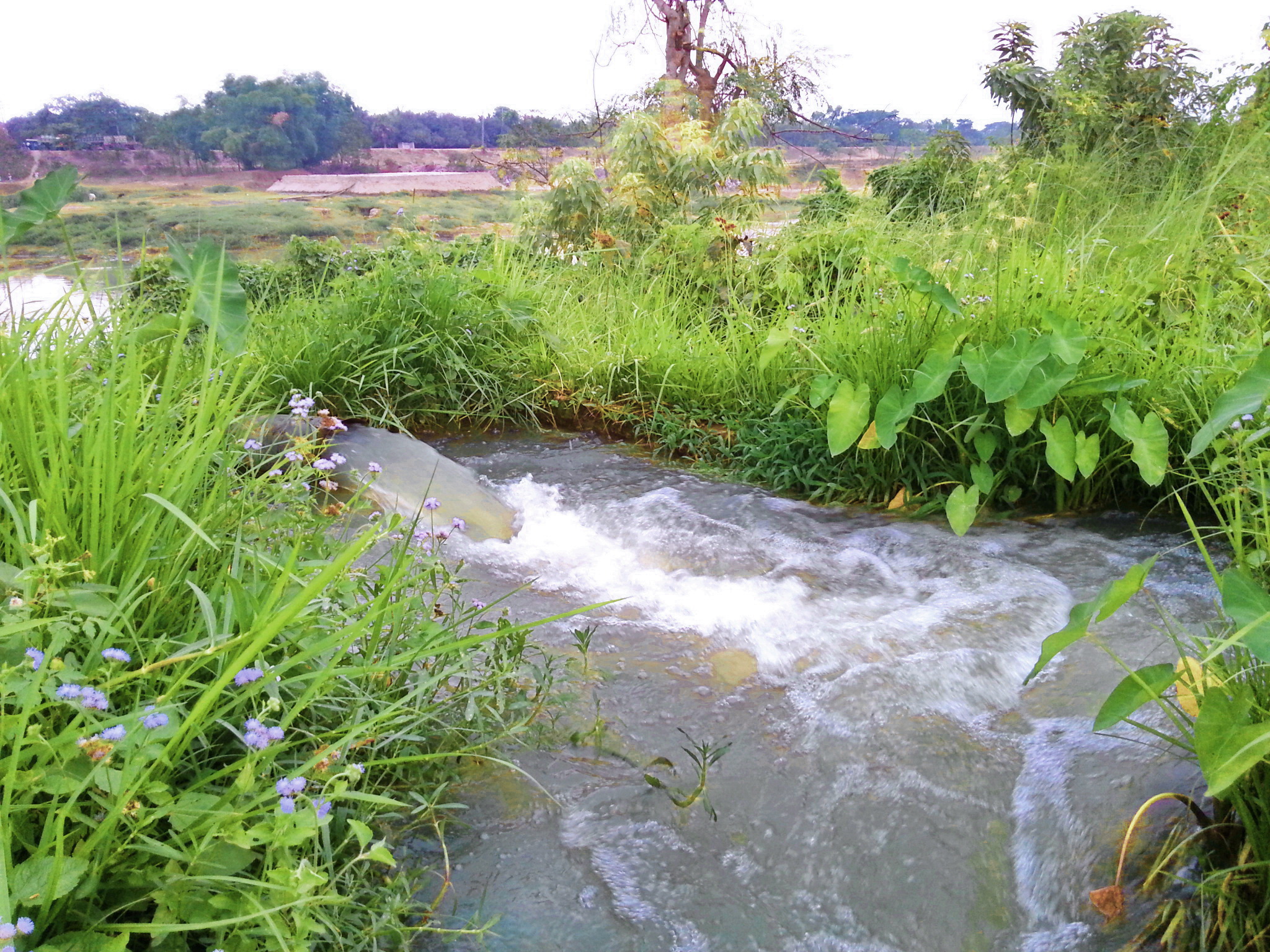
Abdul Matin Badal, the UP member for ward 8 of Latibpur union, confirmed the death to Jagonews24. In his account, Habibur Rahman went out on Sunday night to check an irrigation pump near his house. At around 8.30pm, on his way home from the pump house, a snake bit him. He was taken first to Mithapukur Upazila Health Complex and then, at around 10.30pm, to Rangpur Medical College Hospital, where he died at around 1.30am while under treatment.
Asked about the claim that he had died while watching Argentina play, the UP member told Jagonews24: "He was under treatment in hospital at that time. So when would he have watched the match?"
The report did not identify the snake, and it carried no statement from the hospital about the treatment he received. It did not say what the social-media posts were based on. Its account rests on the UP member's confirmation, and on that account the claim that he chose a football match over treatment does not hold: after the bite he was taken to two government health facilities in turn and died under treatment in the second.
The match that night
The game in question was the final of the 2026 FIFA World Cup, played on Sunday, 19 July 2026, at MetLife Stadium in East Rutherford, New Jersey, in the United States. In Bangladesh it was shown during the night. The Associated Press reported that Spain beat Argentina, the defending champion, 1-0, with substitute Ferran Torres scoring in the 106th minute, in extra time. Argentina's Enzo Fernandez was sent off in second-half stoppage time after a second yellow card, and goalkeeper Emiliano Martinez made 10 saves, which the AP described as a World Cup final record. It was the 104th and last match of the 48-team World Cup, held across the United States, Canada and Mexico.
Jagonews24 reported that the man died at the hospital while the match was going on. On the UP member's account, then, he spent the final in a hospital bed, not in front of a television.
Mithapukur, a farming upazila of Rangpur
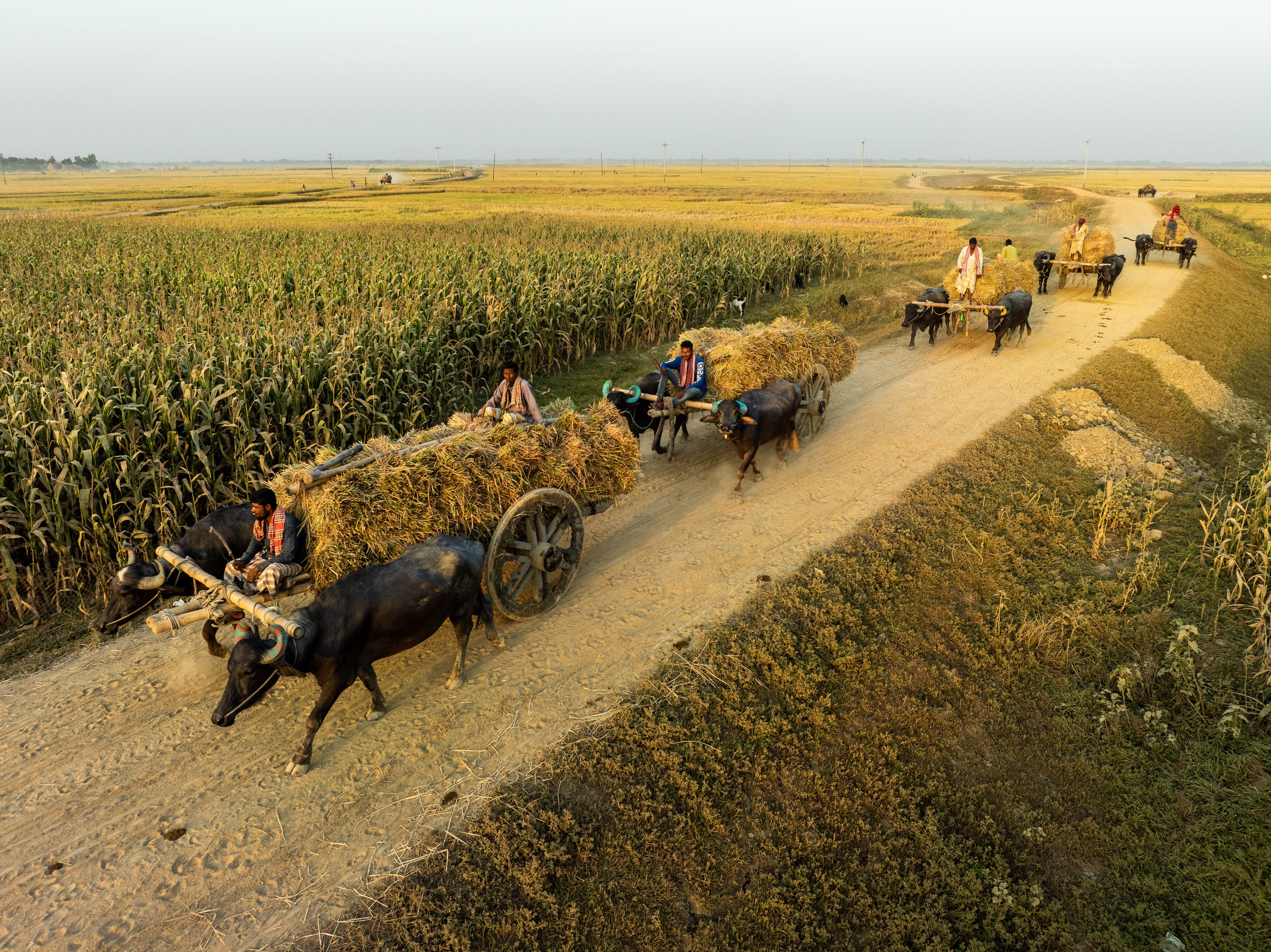
Mithapukur is one of the eight upazilas of Rangpur district. Banglapedia, the national encyclopaedia published by the Asiatic Society of Bangladesh, gives its area as 515.62 square kilometres and its population at the 2011 census as 508,133. It became a thana in 1885 and an upazila on 1 February 1984. It borders Rangpur Sadar and Pirgachha to the north, Pirganj and Sadullapur to the south, Pirgachha and Sundarganj to the east, and Badarganj and Nawabganj of Dinajpur district to the west. Its rivers are the Jamuneshwari and the Ghaghat.
Farming is the base of life there. Banglapedia lists agriculture as the main source of income for 69.47 percent of the upazila, with paddy, wheat, potato, sugarcane and vegetables as the main crops, and mango, jackfruit, blackberry, papaya and banana as the main fruits. The upazila has 17 unions, one upazila health complex, 11 union health centres and 17 union family planning centres. Banglapedia spells the union of this story as Latifpur; the news report spells it Latibpur.
Rangpur district as a whole covers 2,400.56 square kilometres, according to Banglapedia, and agriculture is the main source of income for 62.99 percent of its people. Its rivers include the Tista, Jamuneshwari, Ghaghat, Karatoya, Chikali and Akhira. Rangpur Medical College, which Banglapedia dates to 1966, is the district's medical college; it was to its hospital that the man was taken from the Mithapukur health complex.
How common snakebite is in Bangladesh
The largest community survey of snakebite in Bangladesh before this case was published in June 2023 by the National Centre for Disease Control (NCDC) of the Directorate General of Health Services (DGHS). The "National Survey on Annual Incidence and Epidemiology of Snakebite in Bangladesh", covering 2021-22, estimated that about 4.03 lakh (403,000) people are bitten by snakes each year and that 7,511 die, The Business Standard reported in August 2023. Dhaka Tribune, reporting the same study in September 2023, said about 244 of every 100,000 people are bitten by venomous snakes each year, that four to five people die every day, and that 95 percent of victims are from villages. The same Dhaka Tribune report said bites rise in the monsoon, when water collecting near roads and homes drives venomous snakes out of their usual places.
An earlier national survey, funded by the government and the World Bank and published in the journal PLoS Neglected Tropical Diseases in October 2010 (Rahman and colleagues), had estimated an incidence of 623.4 bites per 100,000 person-years in rural Bangladesh, with 589,919 people bitten and 6,041 deaths a year. Its details match the circumstances of this case closely:
- 36 percent of bites happened at night, 32 percent in the morning and 32 percent in the afternoon.
- 71 percent of bites were on the legs and feet.
- 27 percent of people were bitten in water and 24 percent in a field; half of all victims were bitten while working in a field or in water.
- October (22 percent) and July (15 percent) were the months with the most bites.
- For 86 percent of victims the first contact after the bite was a snake charmer or ojha; only 3 percent went first to a registered doctor or a hospital.
The WHO regional guidelines for the management of snakebites, second edition, published in 2016 by the WHO Regional Office for South-East Asia, sum up older Bangladesh studies. A 2003 survey of about 170,000 households in 12 districts estimated 15,372 bites and 1,709 deaths a year nationally, found the risk in rural areas 10.54 times that in urban areas, and found that 61 percent of victims went first to traditional healers. A 1988-89 study had found records of 764 bites and 168 deaths. Forty-five percent of victims were said to be farmers, and during the severe flooding of July and August 2007 there were 76 cases of snakebite with 13 deaths. The guidelines note that most published figures are incomplete because many patients are treated by traditional healers, and recommend that snakebite be made a notifiable disease.
The WHO fact sheet on snakebite envenoming, in its 2025 version, puts the global toll at an estimated 5.4 million bites a year, 1.8 to 2.7 million cases of envenoming and 81,410 to 137,880 deaths, with around three times as many amputations and other permanent disabilities. Agricultural workers and children are the most affected, it says, and in Asia up to 2 million people are envenomed each year.
The snakes that cause the most harm
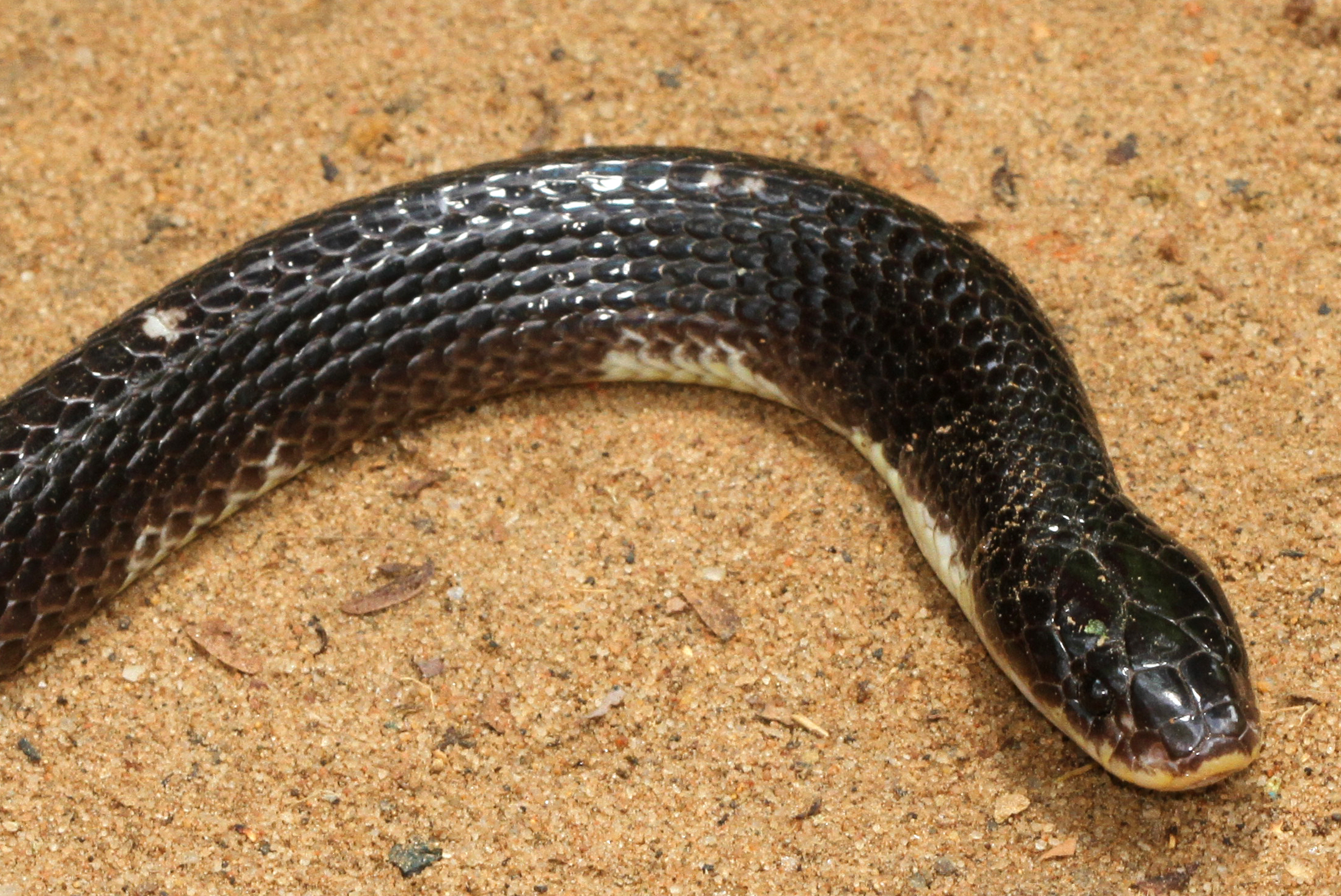
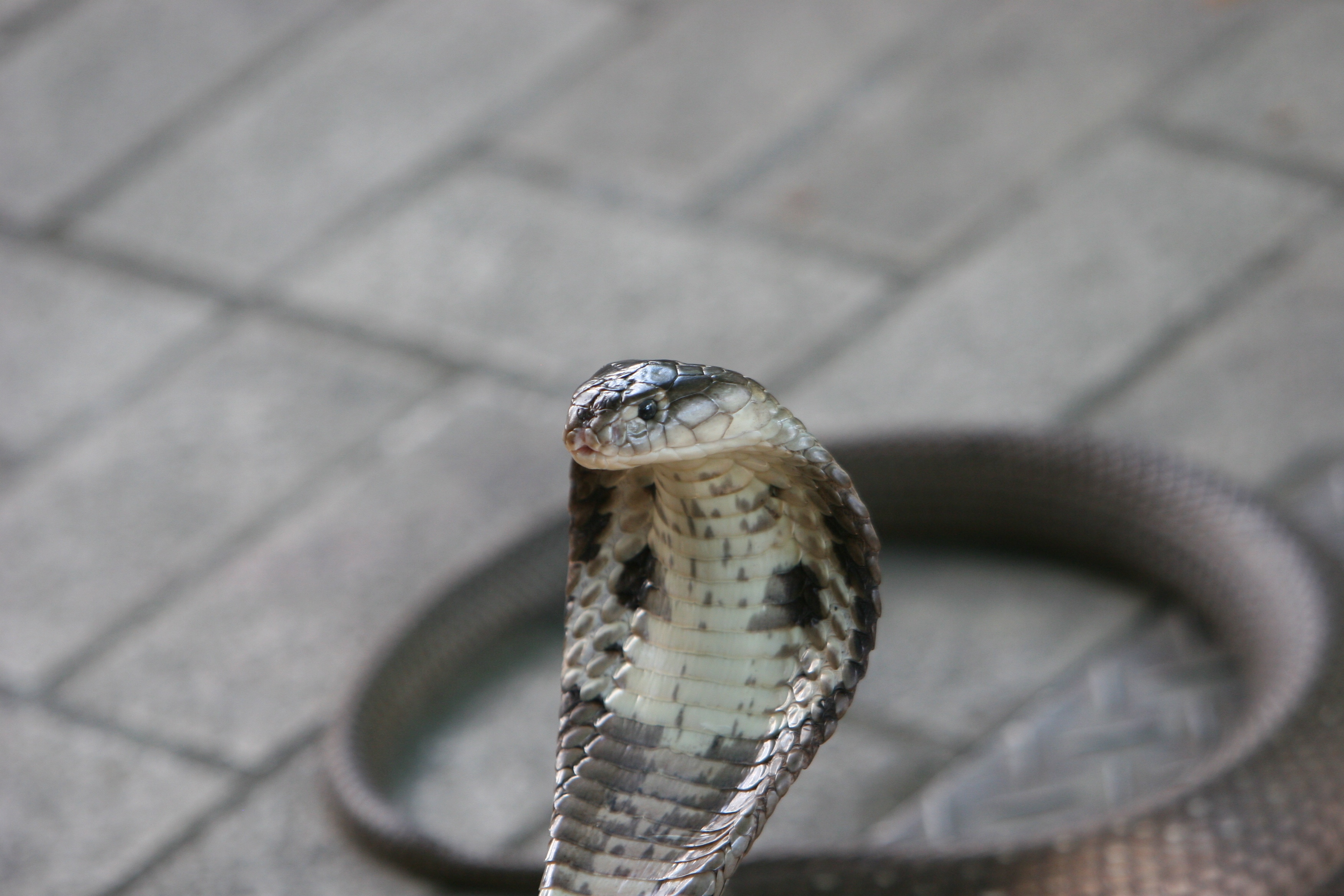
No report named the snake that bit Habibur Rahman. The WHO 2016 guidelines list the medically important venomous snakes of Bangladesh as the common krait (Bungarus caeruleus), the greater black krait (B. niger), Wall's krait (B. walli), the monocled cobra (Naja kaouthia), the spectacled cobra (N. naja), Russell's viper (Daboia russelii) and the white-lipped green pit viper (Trimeresurus erythrurus).
According to the same guidelines, kraits are responsible for many bites and deaths in Bangladesh. Wall's krait is estimated to cause about 40 percent of krait bites, and the greater black krait and the common krait about 28 percent each. The lesser black krait is known in Bangladesh only from the northwest. Monocled cobras occur throughout the country and cause most cobra bites; spectacled cobras occur around Dhaka and to the west and north of the capital. Russell's viper is described as restricted to western and southern parts of the country, with reports of envenoming from the Rajshahi area. Green pit vipers cause many bites but few deaths. Many species, kraits among them, hunt mainly at night.
The guidelines also note what doctors can learn from the circumstances of a bite: a person bitten at night while asleep was probably bitten by a krait; a person bitten in a paddy field, by a cobra or a Russell's viper; a person bitten while wading in fresh water, by a cobra. That is why WHO asks that the snake, if it has already been killed, be taken to the hospital with the patient, or that a photograph be taken, but that no one try to kill or handle the snake, because even a severed head can bite.
Bangladesh's own figures on species have been given in round numbers. In 2018 WHO's Bangladesh office said the country has 82 snake species, 27 of them venomous. The Business Standard reported in 2023 that the national guideline lists about 100 species, 37 of them venomous, including 16 sea snakes, three cobras, five kraits, two coral snakes, six green pit vipers and one true viper, Russell's viper.
What WHO says to do after a snakebite
The WHO 2016 guidelines are blunt about traditional first aid: most of the familiar methods "have proved to be useless or even frankly dangerous". The methods it names include cutting or pricking the bite, sucking out venom, black "snake stones", tight bands or tourniquets, electric shock, and putting chemicals, herbs or ice on the wound. Local people may have great confidence in herbal treatment, the guidelines say, but it must not be allowed to delay medical treatment or to do harm.
The first aid the guidelines recommend is simple and aims to get the person to medical care alive:
- Reassure the person. Many bites are "dry", with no venom injected, and severe poisoning usually develops slowly enough for treatment to work.
- Lay the person down, ideally on the left side in the recovery position in case of vomiting, and keep the bitten limb still with a splint or sling; any movement, even walking, spreads venom faster.
- Do not cut, rub, massage or clean the wound hard, and do not put herbs or chemicals on it.
- Never use a tight tourniquet; many limbs have been lost to gangrene this way.
- If a tight band has already been tied, do not remove it until the person is in hospital, staff and resuscitation equipment are ready and antivenom treatment has started, because releasing it can cause sudden collapse.
- Do not try to kill the snake. Take a photograph if it is safe to do so.
- Take the person to a health facility as quickly and safely as possible, keeping movement to a minimum.
The guidelines single out respiratory paralysis as the greatest danger before a victim reaches hospital, especially after bites by some elapid snakes, the family that includes kraits and cobras, and recommend faster transport, including village motorcycle volunteers where there are no ambulances. They also list early signs that a bite is serious: a large or very dangerous snake, rapidly spreading swelling, early vomiting, collapse, severe headache, heavy or drooping eyelids, unusual drowsiness, bleeding, passing no urine, or dark brown or black urine. Any snakebite should be treated as an emergency: go to the nearest upazila health complex or hospital and follow the doctor's advice there.
Lowering the risk after dark
The WHO guidelines describe snakebite as an environmental, occupational and climatic hazard, mostly of rural areas, with most bites on the lower legs, ankles and feet of agricultural workers and their families. They advise people to be especially careful after rain, during floods, at harvest time, at night, and when walking to and from the fields before dawn and after dusk. Their advice for villagers includes:
- Use a light, such as a torch or lamp, when walking outside at night, especially after heavy rain, and prod the ground ahead with a stick.
- Wear proper shoes or boots and long trousers rather than going barefoot or in sandals, especially in the dark or in undergrowth.
- Sleep on a raised bed under a mosquito net well tucked in, because in South Asia almost all krait bites happen to people sleeping in their homes.
- Clear rubbish, termite mounds and undergrowth from around the house, keep grain stores away from it and store food in rodent-proof containers, because rodents attract snakes.
- Never handle, threaten or attack a snake, and do not put hands into holes or hidden places where snakes might rest.
The guidelines add that community education has been shown to work: in the Terai region of Nepal, awareness sessions involving local leaders, health volunteers and traditional healers cut snakebite incidence in the targeted villages from 502 to 315 bites per 100,000 people, while it stayed the same in villages without the programme.
Antivenom and the gap at upazila level
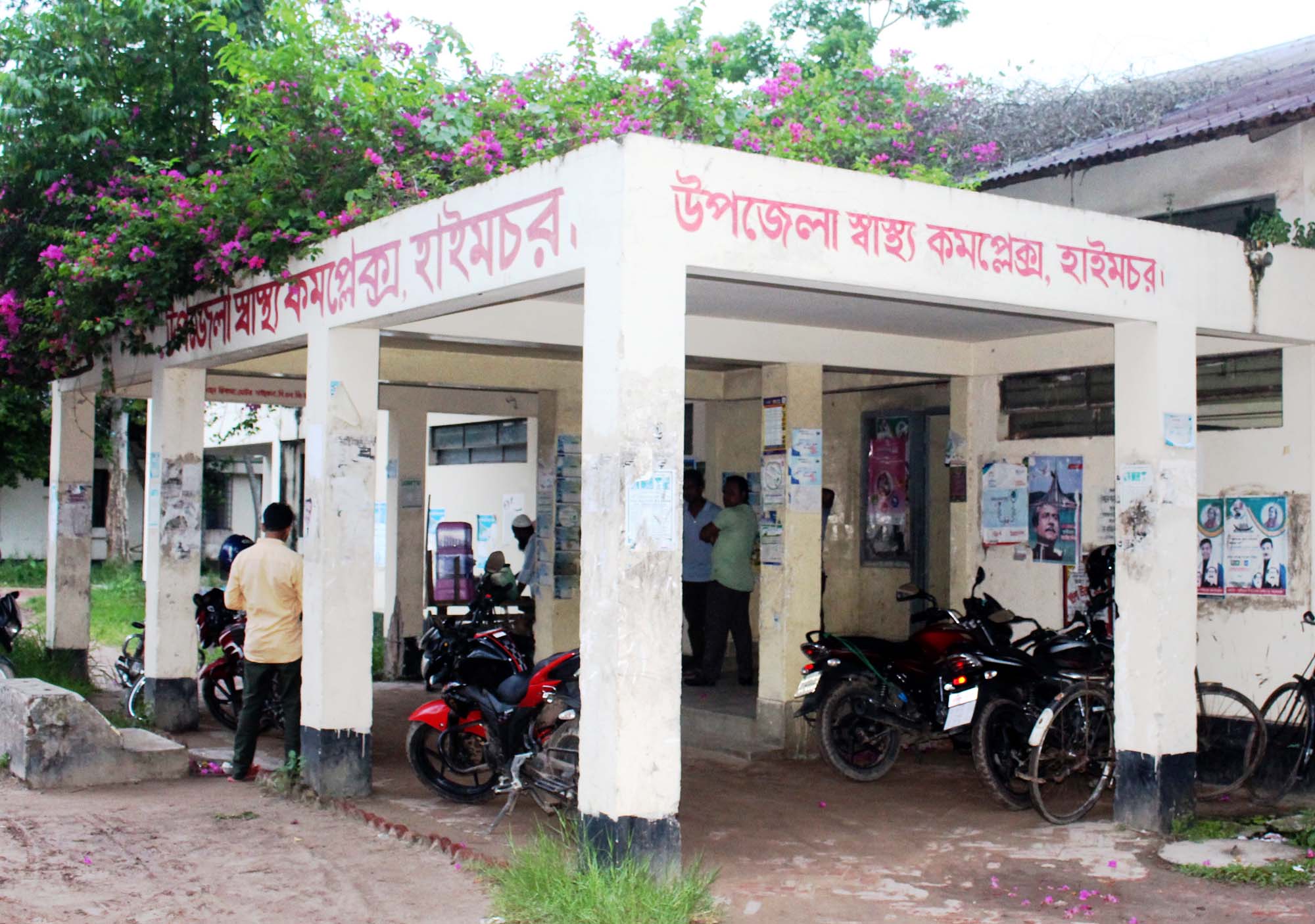
WHO's fact sheet calls high-quality antivenom the most effective treatment to prevent or reverse most of the effects of snake venom, and says it is on the WHO List of Essential Medicines and should be part of primary health care wherever snakebites occur. Most deaths and serious consequences of snakebite, it says, are entirely preventable by making safe and effective antivenom more widely available.
In Bangladesh the problem has been reaching it in time. At a seminar in Dhaka in October 2019, organised by the Non-communicable Disease Control Programme, the then health minister said antivenom was available at every district-level hospital but that most upazila-level hospitals lacked it, and announced that antivenom would be sent to every upazila hospital, The Business Standard reported. The same seminar unveiled the Snakebite Treatment Guideline 2019 and heard about the Venom Research Centre set up at Chattogram Medical College Hospital, with government funding, as a first step towards making antivenom in the country. The then director general of health services said Bangladesh's snakes differ slightly from India's, from where antivenom is imported, and that it should be produced locally.
WHO's Bangladesh office reported in December 2018 that, after a nationwide assessment, it had helped update the national Guidelines for the Management of Snakebite, that 5,000 antivenom doses had been distributed across the country earlier that year, and that 352 doctors from divisional medical college hospitals had been trained in snakebite treatment in October and November 2018.
Reports in 2023 showed the gap had not closed. Dhaka Tribune, citing a DGHS source, said 41,470 doses had been distributed by early 2022 to medical college hospitals, civil surgeon offices, district hospitals and upazila health complexes, but that not every upazila hospital had antivenom and much of the stock expired unused. Professor Saiful Islam of Dhaka Medical College told the paper that doctors at upazila level sometimes avoid giving antivenom because some patients develop severe breathing problems that need intensive care the upazila cannot provide.
The Business Standard reported in August 2023 that the polyvalent antivenom used in Bangladesh comes from India, that the government distributed 50,000 vials in 2020-21, and that a patient typically needs ten vials, which cost Tk14,000 to Tk16,000 if bought from pharmacies; past studies, it said, put the total cost of treatment at Tk50,000 to Tk1,00,000. Chattogram Medical College Hospital alone treated 755 snakebite patients in 2020, 864 in 2021 and 1,457 in 2022, according to the paper. Dr Robed Amin of the DGHS told it that there was no scientific study of how well the imported antivenom works against Bangladesh's snakes, and the snake expert Abu Saeed said doctors at upazila level lack experience and fear allergic reactions, and that patients often arrive with complications because of delays.
WHO has listed snakebite envenoming as a highest-priority neglected tropical disease since June 2017, and its road map aims to cut deaths and disability from snakebite by 50 percent by 2030. The same fact sheet warns that official numbers are an undercount, because many victims never reach a clinic and many choose traditional practices over hospital care.
Photo: Sultan Ahmed Niloy / Wikimedia Commons (CC BY-SA 4.0)
Sources: Jagonews24, The Associated Press, Banglapedia (Asiatic Society of Bangladesh), World Health Organization (fact sheet on snakebite envenoming; Guidelines for the management of snakebites, 2nd edition, 2016; WHO Bangladesh, December 2018), PLoS Neglected Tropical Diseases (Rahman et al., 2010), The Business Standard, Dhaka Tribune
Comments
(0)