
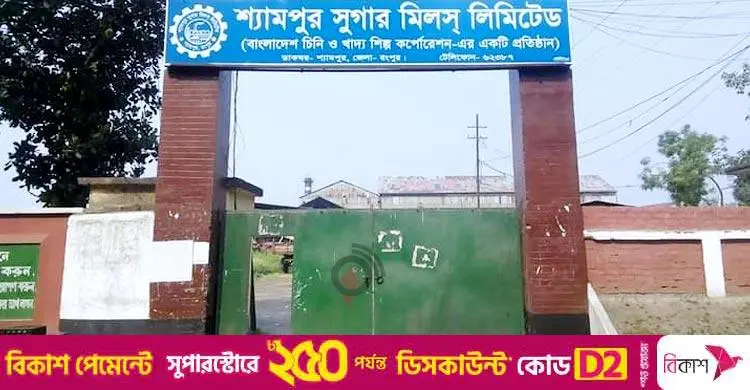
Shyampur Sugar Mill, Rangpur's only heavy industry, shut down in the face of losses, is waiting for funds to be released. Once it receives the money it needs, it will resume sugar production, and the mill area will come back to life with the calls of farmers and workers and the noise of machines. That is the hope of those involved since the interim government, after taking office, announced last December that closed sugar mills would restart.
But when the mill closed, workers and employees lost their jobs and farmers turned away from sugarcane. Because other crops take less time, they are now more interested in rice, wheat, maize or vegetables. So even if the mill returns to production, whether farmers will return to sugarcane is now a big challenge.
According to sources, operations at the mill were halted from the 2020-21 crushing season after continuous losses, and production has been stopped ever since. The once lively mill is now silent. Office work goes on, but there is no bustle and none of the old calls of workers and farmers.
Six decades of history
The Shyampur Sugar Mill was built in 1964 at Shyampur Bandar in Badarganj upazila of Rangpur, on 111.45 acres of land. Crushing formally began in 1967. It had a daily cane-crushing capacity of 1,016 tonnes and an annual production capacity of 10,161 tonnes, with the machines running for three months a year.
The mill made a profit after it opened, but suffered continuous losses from 2000 onwards. With bank loans, interest and workers' provident fund among other items, losses eventually rose to Tk 505 crore. An inquiry committee formed jointly by the then ministries of industries, commerce, finance and agriculture recommended halting crushing, and the Bangladesh Sugar and Food Industries Corporation stopped the mill's operations in the 2020-21 crushing season.
The management blamed falling cane production in the mill area and a lack of modern machinery for the growing losses, but workers, employees and cane growers refused to accept this. Claiming that officials' corruption, inefficient staff and mismanagement were behind the losses, the sugar mill employees' union and the cane growers' welfare association started a movement to keep the mill running. The movement did not succeed, and the mill closed completely on the grounds of continuing losses.
Workers wait, farmers have moved on
Abu Sufian, former general secretary of the sugar mill employees' union, told Jago News that the livelihoods of several thousand families of workers and farmers in the area depended on the mill.
After the closure, permanent officers and employees were transferred elsewhere, but most temporary employees lost their jobs. With the interim government announcing the reopening of closed mills, they have pinned their hopes on it again. "We want the mill to reopen as soon as possible," he said.
Abu Sufian said: "Eight months have passed since the announcement, but there is practically no progress. Upgrading the mill's infrastructure, repairing machines and recruiting new staff all take time. When the mill will start is still uncertain."
According to mill sources, the mill last had 493 permanent and temporary officers and employees while it was operating. After the closure many retired and some were transferred to other mills. At present 72 officers and employees are engaged in various work at the mill.
This year sugarcane has been grown on 291 acres in a sub-zone under the Joypurhat Sugar Mill, and cane from here is taken to the Joypurhat mill for crushing.
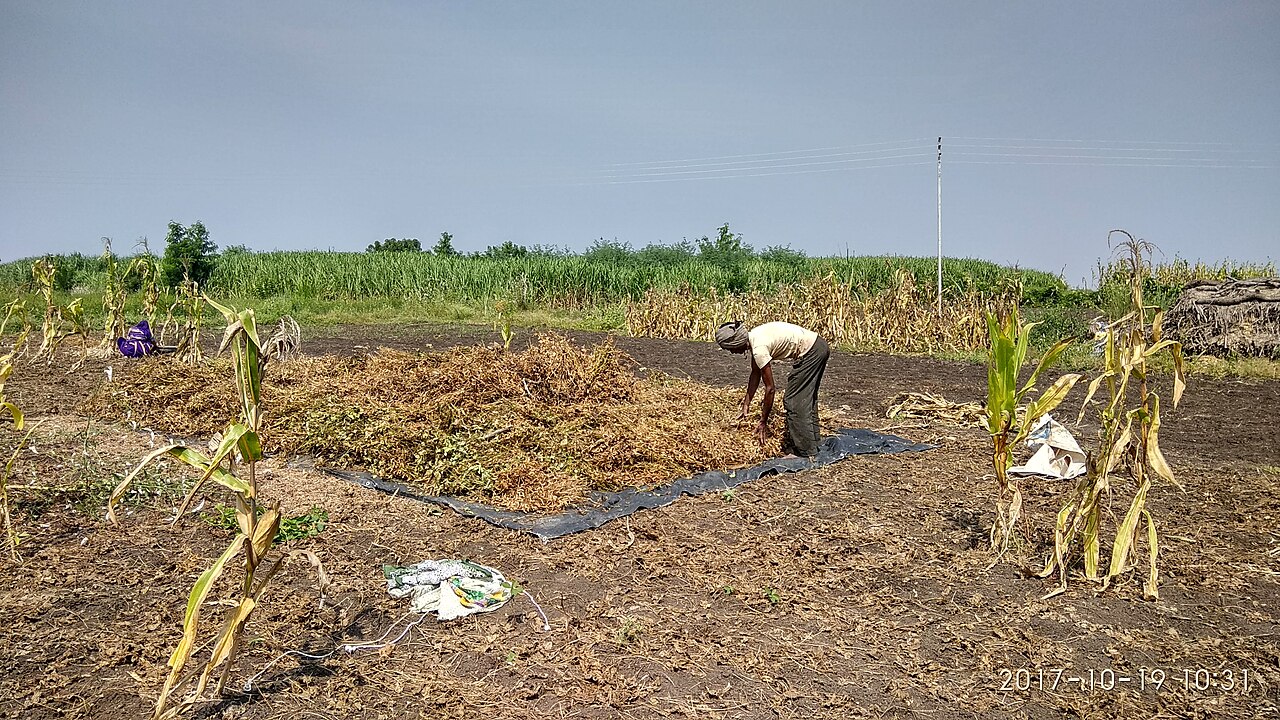
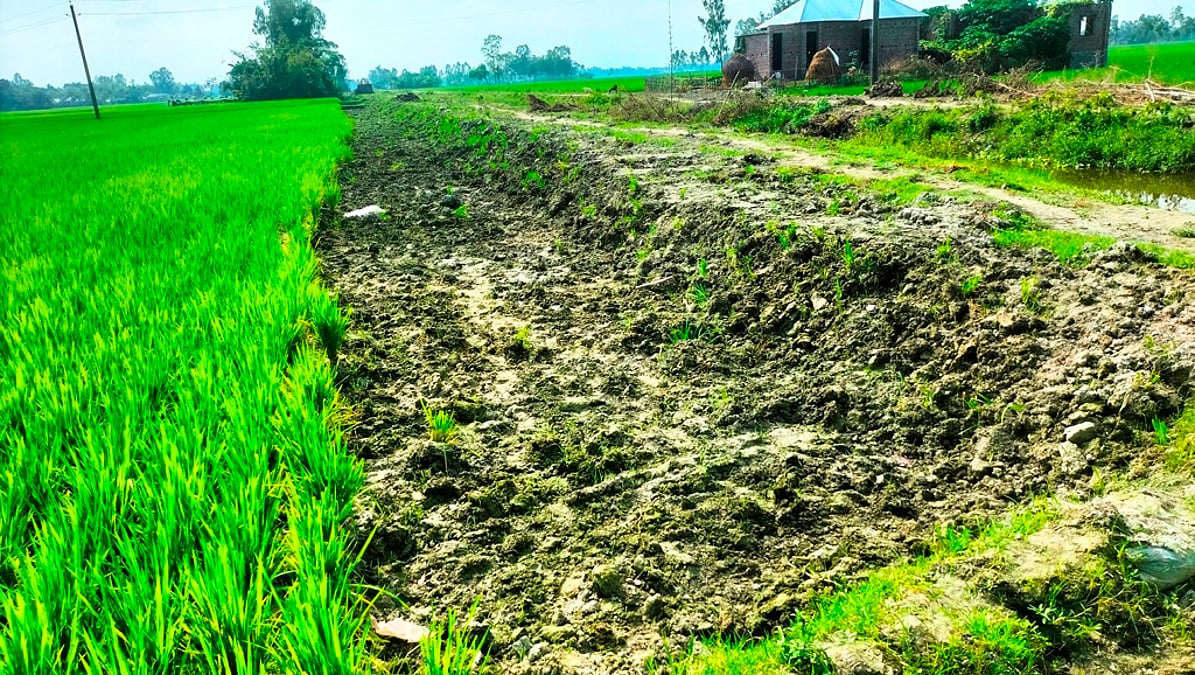
Badarganj cane grower Monirul Islam told Jago News he used to grow sugarcane regularly while the mill was running. Now he has given it up and grows rice, wheat, maize and vegetables, which are comparatively more profitable than sugarcane and take less time to grow. These crops can be marketed and turn a profit more quickly, which makes them more attractive to farmers. "Now, if the mill reopens, we have to keep in mind whether farmers like me will return to growing sugarcane. Incentives for farmers may also be needed for this," he said.
Local businessman Nazmul Islam said Shyampur Sugar Mill was one of the major heavy industries of agriculture-dependent Rangpur, with several thousand families connected to it. Many who lost their jobs are now living in misery, and the mill must be reopened quickly for the socio-economic development of the area, he said.
Wages owed, funds awaited
The mill's managing director, Mosharraf Hossain, told Jago News that the mill currently has 72 permanent and temporary officers and employees, whose salaries for June, July and the current month of August are unpaid, amounting to about Tk 70 lakh in total. After the government announced the reopening, a work plan and a request for the necessary funds were sent to the ministry through the relevant office. Work to restart the mill will begin as soon as the money is released, he said.
In a notification on 17 December 2024, the Ministry of Industries announced the reopening of six closed sugar mills. The first phase includes Shyampur in Rangpur and Setabganj in Dinajpur. According to the directive, the Panchagarh and Pabna sugar mills will reopen in the second phase and the Kushtia and Rangpur sugar mills in the third.
Source: Jagonews24. First published in Bengali on The Agro News.

Comments
(0)