
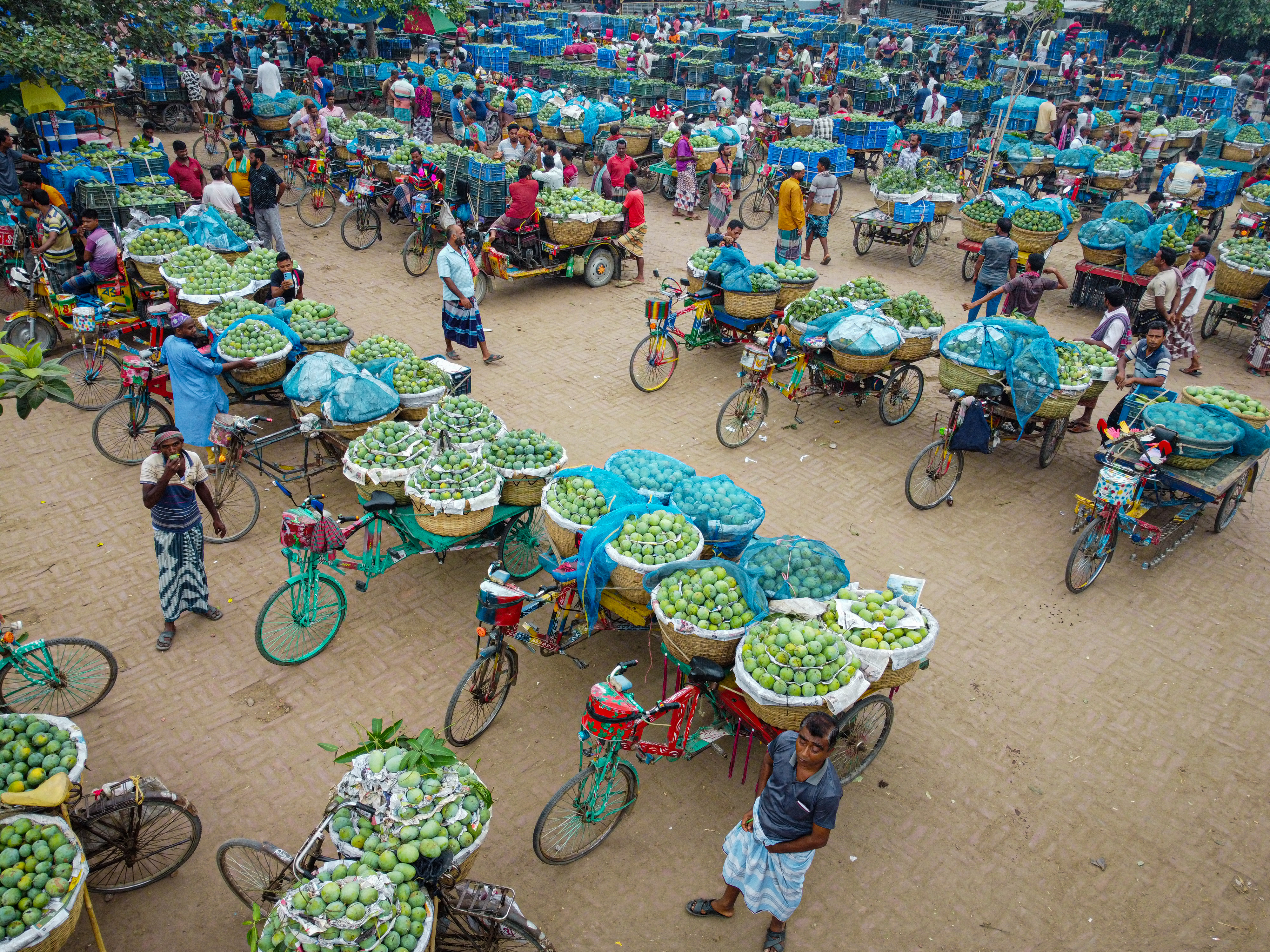
Raw mangoes appeared at Banarupa bazar in the town of Rangamati on the morning of Wednesday, 11 March 2026, ahead of the season, with sellers asking Tk 400 a kg. Depending on size, some of the fruit went for a little less, and as the morning went on, some of the sellers who arrived later were asking Tk 200 a kg.
The mangoes were of local varieties, gathered in hill villages by householders who then sold them in the town market. Seller Mintu Chakma told Jagonews24, which reported the scene that day, that the unripe fruit had been brought in before the season in the hope of a higher price. A government agriculture officer said most trees had only just begun to set fruit, and that the supply of raw mangoes would grow around the middle of the Bengali month of Chaitra.
From Tk 400 at 7am to Tk 200 by mid-morning
At about 7am five sellers were sitting at Banarupa bazar with baskets of raw mangoes. Buyers were relatively few at that hour, but the sellers were holding to Tk 400 a kg. As the day went on, more mango sellers came in, and some of them were asking Tk 200 a kg.
One buyer, a government official who did not want to be named, said raw mangoes are hard to find before the season. "I found them in the market today, so I bought two kilos for Tk 400. It isn't really necessary to buy at such a price, but I bought them for the pleasure of it."
Seller Sabuj Chakma described how the fruit reaches the bazaar. The mangoes were not yet mature, he said, and most trees had only just started to set fruit. Because some local-variety trees had borne a little early fruit, householders had brought it to market hoping for some profit, and he bought from them to sell on. "I asked Tk 400 a kg in the morning but found no buyers. By 10am I sold at Tk 200 a kg."
The report does not say what the householders themselves received from sellers like him, so the prices above are market prices, not farm-gate prices.
Why local mangoes are sold green
Masiur Rahman, sub-assistant agriculture officer of Rangamati Sadar upazila, gave the reason behind the early sales. Pesticide cannot be applied properly to large local mango trees, he said, so when local mangoes ripen, insects start to attack them and the fruit then has no market value. Farmers therefore try to make some profit by selling while the fruit is still raw.
He added that mangoes had only just begun to set fruit, though some local varieties might have started bearing early. The supply of raw mangoes to the market, he said, would rise further around the middle of Chaitra. In the revised calendar used in Bangladesh, Chaitra, the last month of the Bengali year, runs from 15 March to 13 April, and 11 March still fell in Falgun.
Where the 2026 season stood in early March
The officer's description fits the crop calendar. Banglapedia, the national encyclopedia of Bangladesh, says mango trees here flower from January to March, and that fog, rain or cloudy weather at that time harms fruit set. Julia Morton's Fruits of Warm Climates, published online by Purdue University, says the fruit reaches maturity four to five months after flowering. Banglapedia adds that only about one or two flowers in roughly a thousand may become a mature fruit, and that two or three fruits on a flower cluster are often enough for a satisfactory crop.
Reports from other mango districts show flowering still in progress in the weeks before the Rangamati sale. The Daily Star reported on 25 February 2026 that nearly 72 per cent of trees in Rajshahi district had flowered, and 71 per cent across Rajshahi, Naogaon, Natore and Chapainawabganj. Officials there credited a smooth shift from winter to warmer days, without late-winter fog or rain. The Financial Express, in a report dated 5 March, put flowering at about 60 per cent of Rajshahi's 3.7 million trees and about 70 per cent of Chapainawabganj's 9.24 million. A report carried by FreshPlaza on 9 March said orchards in Satkhira had entered the flowering stage.
The small new fruit is called guti in Bengali. A Daily Star report of 15 March 2024 said some trees in the Rajshahi region had begun setting guti in the second week of that March, and gave 15 to 20 degrees Celsius as the ideal temperature for flowering and fruit setting.
Early fruit from a few particular trees has also been reported before. In January 2025, bdnews24 reported raw mangoes on sale in Teknaf in Cox's Bazar at the start of the month of Magh, while the upazila agriculture officer said most areas there had not yet flowered. The grower said three trees in his yard had borne early fruit for several years.
In the main commercial districts, picking dates are set by the local administration. Rajshahi's "mango calendar" for 2025, decided at a meeting chaired by the deputy commissioner, opened with guti on 15 May, followed by Gopalbhog and Ranipochhondo on 20 May, Himsagar and Khirsapat on 25 May, Langra on 30 May, Fazli on 10 June and Aswina on 5 July, with executive magistrates assigned to watch orchards and markets. In Satkhira in 2024 the first local varieties and Gopalbhog were cleared from 9 May, Himsagar from 22 May, Langra from 29 May and Amrapali from 10 June. The report from Rangamati mentions no such calendar for the hill market.
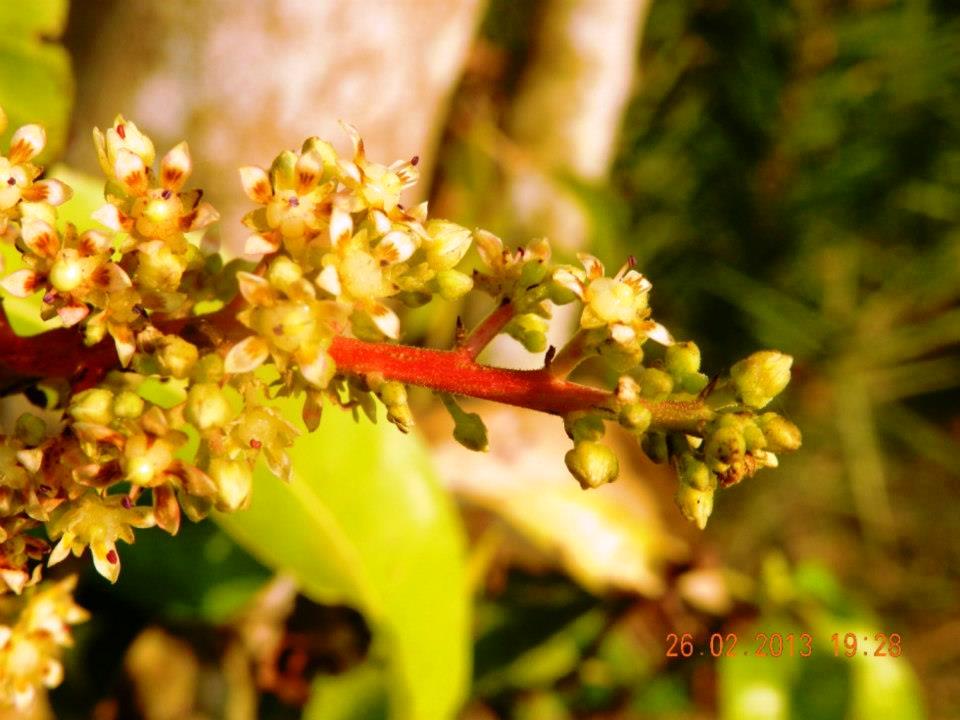
Local mango trees: tall, seed-grown and hard to spray
The trees the officer spoke of are the old seed-grown kind. Banglapedia says Bangladesh has nearly 100 mango cultivars. The elite ones, such as Fazli, Langra, Gopalbhog, Himsagar and Khirsapat, are multiplied by grafting. Local mangoes grown from seedlings are known as deshi or guti am; they have no recognised varietal names and their taste is inconsistent. So the word guti has two uses: the tiny new fruit on any tree, and the seedling mango type.
Size is the difficulty. The mango is an evergreen, and Banglapedia says widely spaced trees can pass 20 metres in height and 30 metres in width. Grafted trees begin bearing in their fourth year and stay productive to about year 45, while seedling trees bear later but can live past 60 years. Morton's account says seedlings generally take about six years to fruit and about 15 years to reach their best yield, and that a seedling's fruit may not match that of the parent tree. It also notes that topping a tree at about 4.25 metres makes both spraying and harvesting easier.
The insects are a real threat to the fruit. Banglapedia counts about three dozen insect pests that attack the mango from nursery to maturity, the main ones being mango hoppers, fruit weevils, stem borer, shoot borer and fruit fly. Morton's account says hoppers make young fruit drop and leave a honeydew that leads to sooty mould, that seed weevil infestation cannot be seen until the larvae tunnel out, and that anthracnose and stem-end rot are major diseases. Banglapedia also lists sooty mould, leaf blight, die back, powdery mildew and bacterial leaf spot.
Hill growers have spoken of the same trouble before. A Rangamati farmer told The Daily Star in July 2009 that his harvest the year before had shrunk to five maunds because of pest attacks, and a deputy director of the Department of Agricultural Extension (DAE) said then that attacks often come because farmers do not clear their gardens on time. Bangla Tribune reported in July 2020 that a grower in Bogachhari had seen two poor years because of pests.
Banglapedia lists old unproductive trees, poor management, lack of pest control and seedling-grown trees among the causes of low mango output in Bangladesh. The Daily Star's report of 25 February 2026 carried the advice given to orchard owners in the Rajshahi region: irrigate properly and apply fungicide and insecticide at least once after flowering. Products and doses for a particular orchard are a matter for the upazila agriculture office.
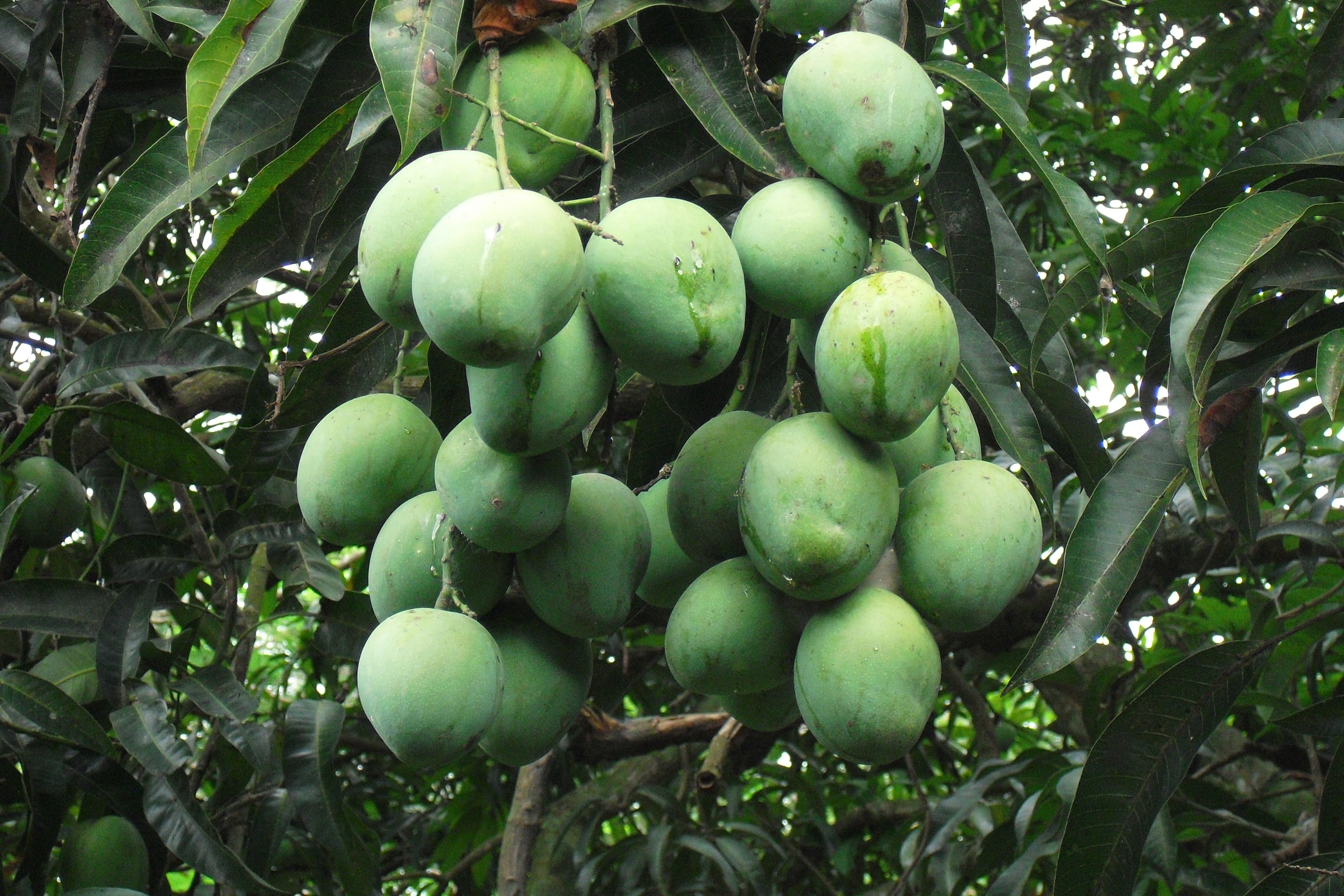
Rangamati, the hill district behind the market
Rangamati is one of the three districts of the Chittagong Hill Tracts, the only extensive hill area of Bangladesh, covering about 13,184 square kilometres in the southeast. Banglapedia gives the district 6,116.11 square kilometres and 10 upazilas. The 2022 census counted 647,586 people, with the Chakma the largest group at 42.6 per cent. Banglapedia says agriculture is the main source of income in the district, at 59.08 per cent.
The Sadar upazila, where Banarupa bazar lies, covers 546.48 square kilometres, and Kaptai Lake takes up about a third of it. The lake was made by damming the Karnafuli River near Kaptai town, and its fluctuating water keeps a fertile shore, about 6,075 hectares of which are farmed under leases from the local government. Banglapedia lists 17 hats and bazaars in the upazila, and names mango, jackfruit, litchi, banana, pineapple, papaya and lemon among its fruits, with jackfruit, lemon and pineapple its main goods sent out for sale.
The hill soils are mainly yellowish to reddish brown loams and are very strongly acidic. The region has a tropical monsoon climate, with a dry, cool season from November to March, hot, sunny days in April and May, and a warm, wet spell from June to October. Mean annual rainfall ranges from about 2,540 millimetres in the north and east to as much as 3,810 millimetres in the south and west. Banglapedia says mango trees grow all over Bangladesh, mostly as homestead plantations, and that their best orchards lie on the deep loams of the Ganges flood plains. The flowering months fall in the dry season, and Morton's account says dryness stimulates flowering while rain discourages it.
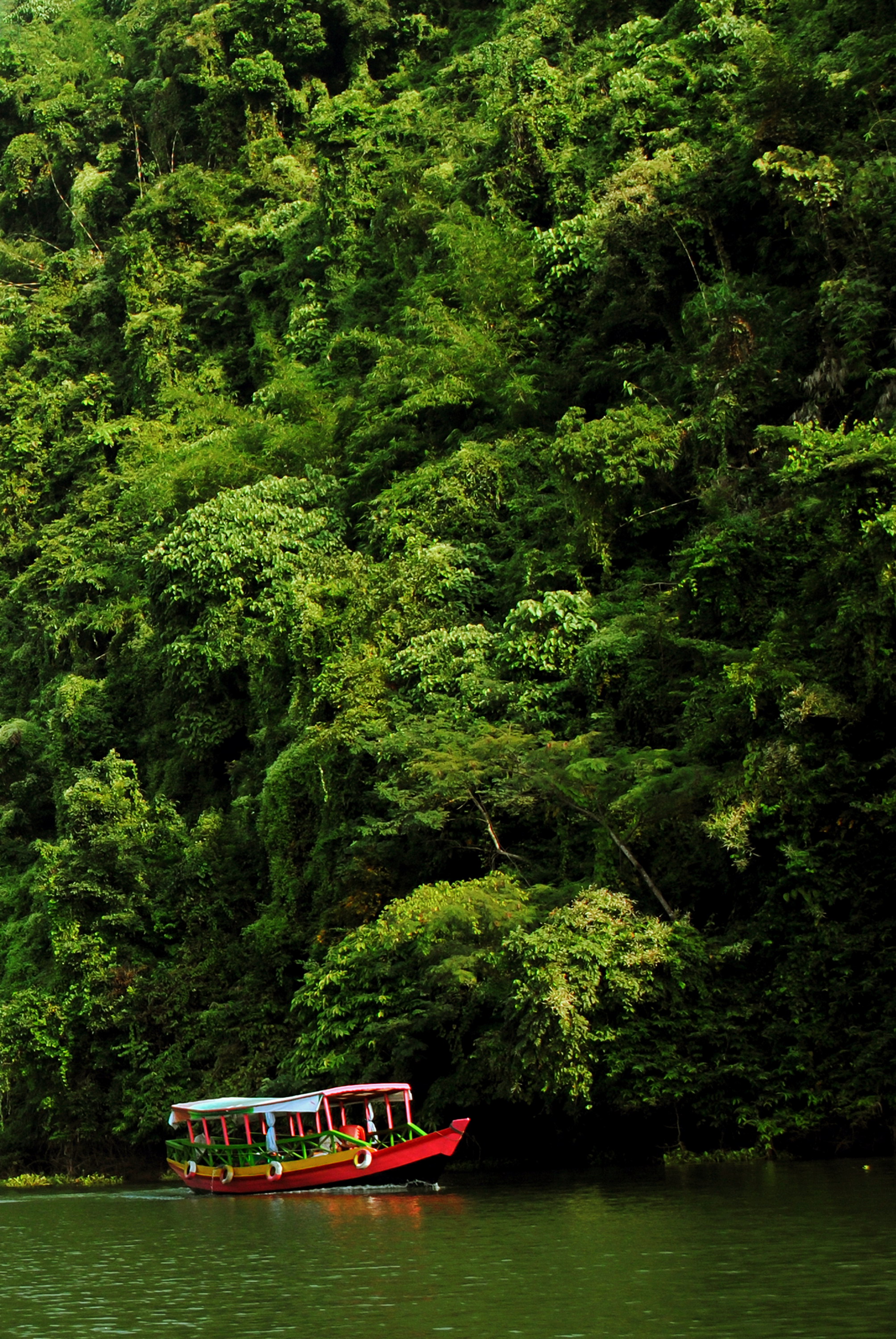
How mango spread across the hills
Amrapali is a recent arrival in the hills. A Daily Star report of February 2008 said the hybrid Amropali, also spelled Amrapali, had been grown there for about eight years, in 25 hill upazilas, with at least 3,000 small gardens and 146 larger ones across Khagrachhari, Rangamati and Bandarban. Officials then projected about 100,000 maunds for Rangamati if the weather held. By July 2009, the paper reported, about 1,350 hectares of hill slope in Rangamati had come under mango through the DAE's Horticulture Development Project.
The area has grown since. Bangla Tribune put Rangamati's mango orchards at 3,500 hectares in July 2020, when the district's fruit from Naniarchar and Bogachhari was being shipped to Italy and the United Kingdom. The Daily Star reported in June 2025, citing the DAE, that mango covered 3,620 hectares in Rangamati, 10,239 in Bandarban and 4,421 in Khagrachhari, and that the three districts had produced more than 200,000 tonnes the previous year. Another of its reports, in July 2023, named Rangamati, Bandarban, Khagrachhari and Naogaon as the four biggest producing districts of Amrapali, and said about 16,000 hectares of hill land were under mango, roughly 8,000 of them Amrapali.
Alongside Amrapali, the hills grow the local Rangwai, also written Rangui. In Bandarban, local extension officials said in 2025, the harvest was about 60 per cent Rangwai, 30 per cent Amrapali and 10 per cent other foreign varieties. Foreign types such as Miyazaki, Katimon, Red Palmer and Banana mango were also spreading, though the DAE's chief agriculture officer for the three districts said they had not yet reached full commercial production.
How Tk 400 compares with earlier reports
The asking price at Banarupa stood far above what hill mango has fetched in season. Bangla Tribune reported Tk 40 to 50 a kg in Rangamati's local market in July 2020, against Tk 100 a kg paid to farmers for export fruit. The Daily Star reported in June 2025 that the hills' local Rupali, as Amrapali is known there, and Rangwai sold at Tk 60 to 100 a kg, while Red Palmer and Red Queen reached Tk 300, Banana mango Tk 200 and Kyojai Tk 180.
The local Rangwai can fall much lower. In the paper's report of July 2023, one grower's Rangui price had dropped from Tk 600 a maund to Tk 150 to 200, while Amrapali sold at Tk 1,500 to 2,000 a maund. A maund, as that report noted, is about 37 kg.
Prices can also run high at the very start of a season elsewhere. On 15 May 2024, when Rajshahi's season opened after a poor spring, The Daily Star reported sour guti likely to fetch Tk 1,500 a maund, against Tk 500 the year before, and sweet guti Tk 2,000, against Tk 700.
The nearest match to the Rangamati price is Teknaf in January 2025. There bdnews24 reported a grower's 25 kg of raw mangoes bought by a trader at Tk 400 a kg and sold on at Tk 500 to 550. The upazila agriculture officer said six to seven of those mangoes made up a kilogram.
Most of the country's fruit comes later. Banglapedia says about 54 per cent of Bangladesh's fruit is harvested and marketed in the four months from Baishakh to Srabon, the season known as Modhu Mash, and that 30 to 40 per cent of fruit rots each year for want of preservation and processing. Its fruit entry places the mango harvest from June to August, though the calendars above open in May.
What raw mango is bought for
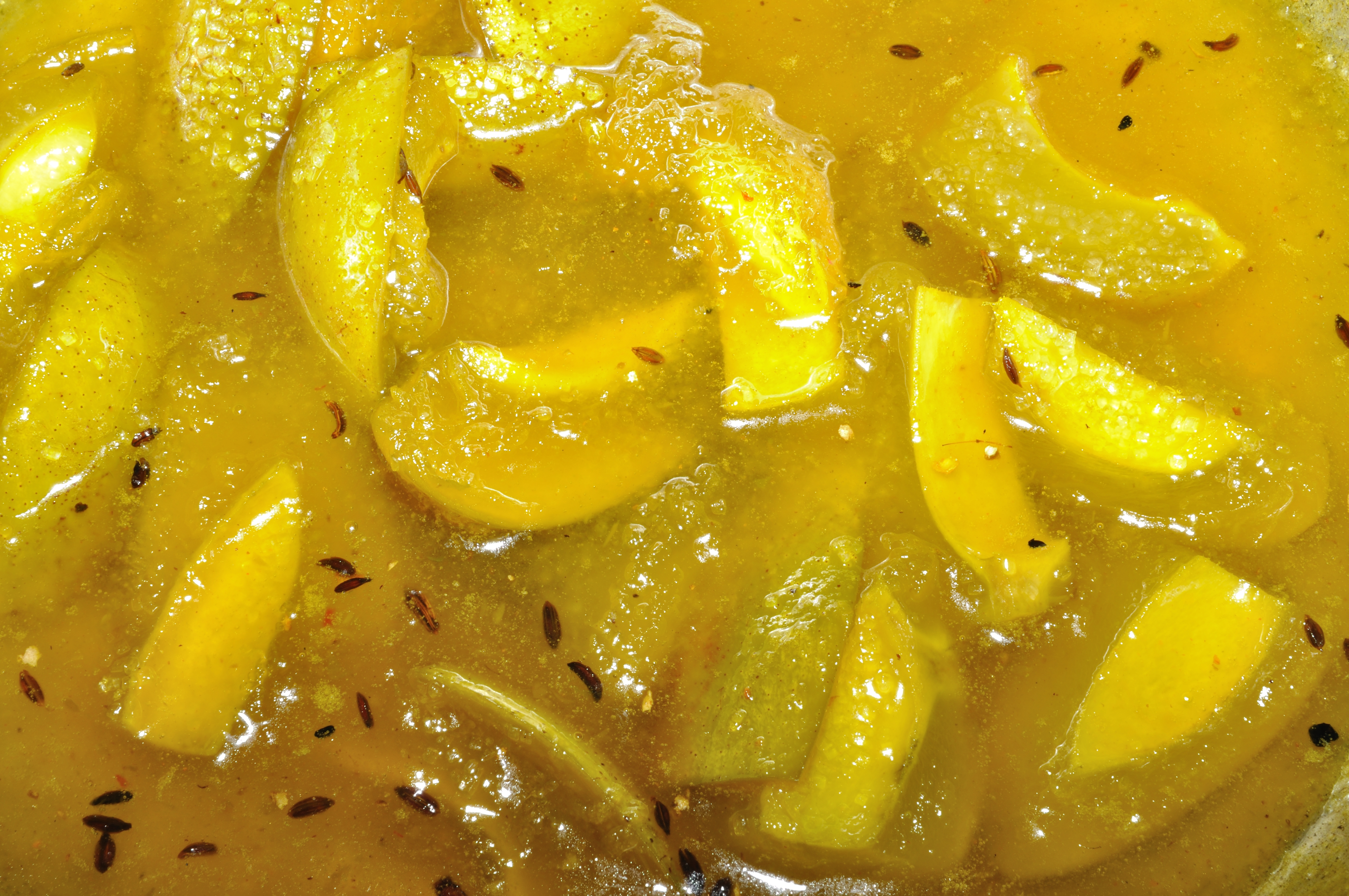
Green mango has its own kitchen uses. Morton's account lists chutney and pickles, often from green fruit that is parboiled, sweetened and spiced, along with thin slices salted, sun-dried or seasoned with turmeric for chutneys, vegetables and soup, and sauce, sherbet and relish. It notes that green seedling mangoes are stored in India for chutney and pickle making. The fruit at Banarupa was also local mango.
Elsewhere in Asia, sour unripe mango goes into side dishes and salads. In Indonesia it is made into rujak and sambal or eaten with salt, and Southeast Asian cooks serve it sliced with fish sauce, vinegar or soy sauce.
Processing can also add value to the crop. The Daily Star reported in November 2025 that a Chapainawabganj grower was selling dried mango at Tk 2,000 to 2,400 a kg and mango powder at Tk 1,200 to 1,400 a kg, and that Bangladeshi companies import mango powder worth hundreds of crores of taka each year.
The national mango picture
The Rangamati baskets sat at the very front of a large national crop. DAE figures reported by the state news agency BSS in April 2025 show production of 2,350,499 tonnes from 202,968 hectares in FY2020-21, 2,707,459 tonnes in FY2022-23 and 2,508,973 tonnes from 205,034 hectares in FY2023-24, with Bangladesh ranked seventh among producers. Exports were far smaller, at 3,100 tonnes in FY2022-23 and 1,321 tonnes in FY2023-24. In 2023 the world produced about 61 million tonnes of mangoes, mangosteens and guavas together, with India growing about 43 per cent.
Banglapedia says superior varieties are grown mainly in Rajshahi, Chapainawabganj and Dinajpur. The Daily Star's report of February 2026 gave last season's output as 458,640 tonnes in Chapainawabganj, 421,429 in Naogaon, 249,953 in Rajshahi and 72,073 in Natore, with orchards in the four districts covering 92,552 hectares. In the southwest, the DAE set Satkhira a target of 70,900 tons from 4,137 hectares for the 2025-26 season.
Orchard land in the northwest was under pressure as the season began. The Financial Express reported on 5 March 2026 that the area in Rajshahi had fallen from 19,603 hectares in FY2024-25 to 19,062 in FY2025-26, and in Chapainawabganj from 37,504 to 37,487, while Naogaon rose slightly from 30,300 to 30,310. Officials blamed unregulated pond digging for fish farming, and rising costs, pest attacks and uncertain prices were also said to have discouraged growers.
Photo: Mahinur11 / Wikimedia Commons (CC BY-SA 4.0). The top picture shows the mango market in Chapainawabganj, Bangladesh, as background; it is not Banarupa bazar.
Sources: Jagonews24 (11 March 2026), Banglapedia, Fruits of Warm Climates (Julia F. Morton, Purdue University), The Daily Star (17 February 2008, 15 July 2009, 21 July 2023, 15 March, 9 May and 15 May 2024, 7 May and 8 June 2025, 2 November 2025, 25 February 2026), Bangla Tribune (17 July 2020), bdnews24 (20 January 2025), BSS (27 April 2025), The Financial Express (5 March 2026), FreshPlaza from the Daily Sun (9 March 2026), Wikipedia (Mango, Bengali calendars, Rangamati Hill District)
Comments
(0)