
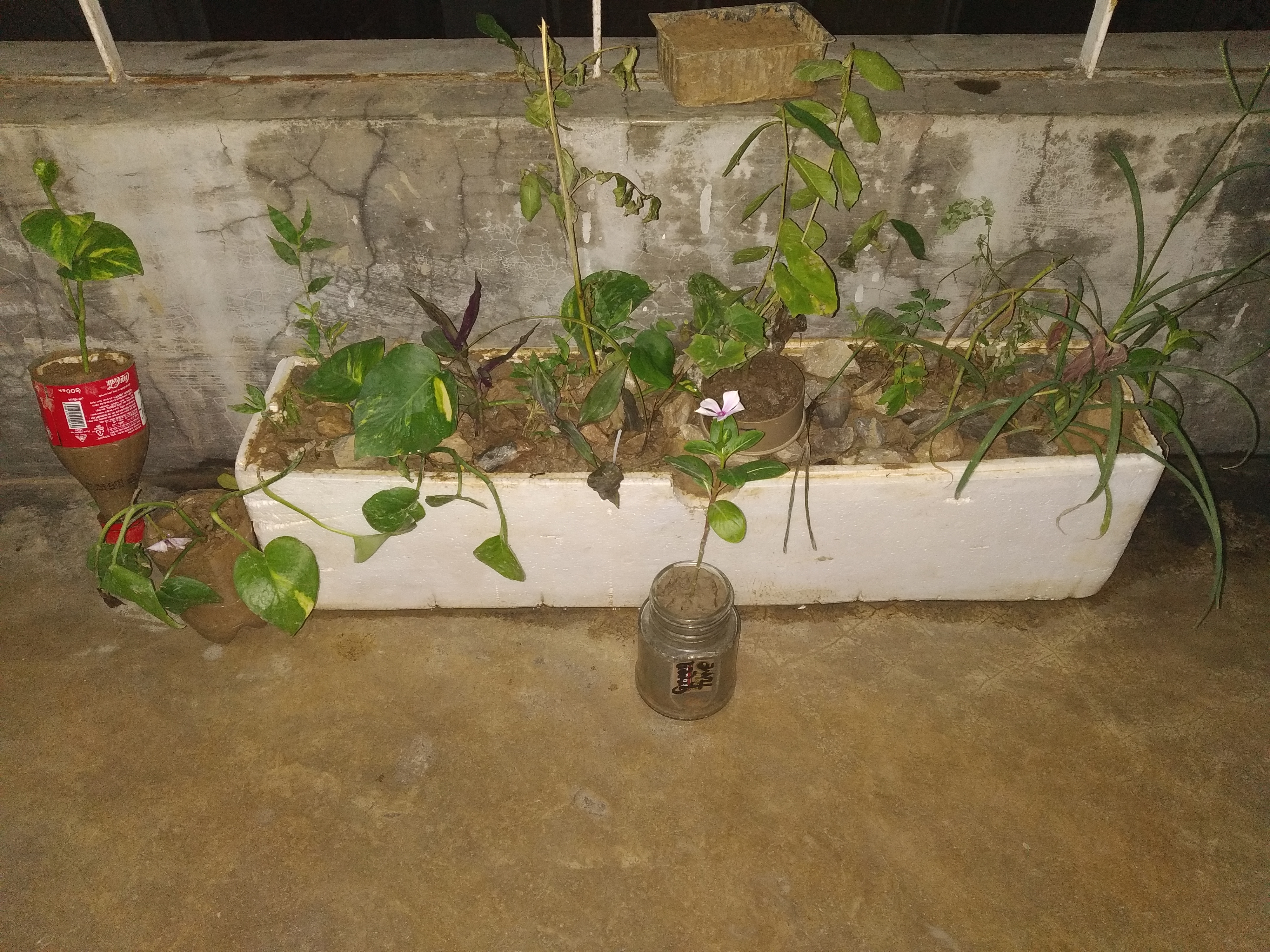
On 8 July 2026 Jagonews24 reported that Md Rakibul Amin, a hobby gardener who for about a decade had been making gardens on rooftops, balconies and office floors and in the corners of homes in Dhaka, was to receive a national award for that work. He had been named second in category G, tree-related research, conservation and innovation, of the National Award for Tree Plantation 2025, which the Ministry of Environment, Forest and Climate Change gives every year. Rakibul is the owner of Gardening Bangladesh, a landscaping and greening firm he founded in 2019.
According to the report, the award was to be handed to him on Thursday, 9 July 2026, at the opening of the month-long National Tree Fair at the China-Friendship Conference Centre in Sher-e-Bangla Nagar, Dhaka. Prime Minister Tarique Rahman was to attend the opening as chief guest.
The award named in the government notification of the winners is the National Award for Tree Plantation 2025; the National Environment Award is a separate honour with its own rules.
Which award he won
The National Award for Tree Plantation has been given since 1993, according to the ministry's revised policy for the award, published in an extraordinary issue of the Bangladesh Gazette on 12 March 2025. The policy says the award was created to encourage ordinary people to plant trees, to involve everyone in planting, and to give national recognition to the individuals and institutions that plant most successfully. Until that revision it was known as the Prime Minister's National Award for Tree Plantation. The policy records the ministry's decision to rename it the National Award for Tree Plantation, so the two names describe the same award at different times, not two different prizes.
The ministry first framed written rules for the award in 2004, to make it competitive and encouraging and to bring more people into tree planting, and amended them in 2005, 2013 and 2021. The 2025 version, signed on 20 February 2025, followed decisions taken at the national committee meetings that finalised the awards for 2021, 2022 and 2023. It took effect at once and cancelled every earlier circular the ministry had issued on the award. Its stated aim is to turn the tree planting campaign into a permanent, continuing and spontaneous activity, and to inspire and involve everyone concerned by giving national encouragement and recognition to individuals and institutions with special achievements in tree planting, conservation and research.
The National Environment Award, the name in the original headline, is governed by a different document, the National Environment Award Policy 2012, amended in 2019. The Daily Star Bangla reported on 26 June 2025 that under that policy each winner in a category receives the market value of two tola of 22-carat gold, a cheque for Tk 50,000, a crest and a certificate. At the World Environment Day and Environment Fair 2025 in Dhaka, held at the Bangladesh-China Friendship Conference Centre on 25 June 2025, the Bangladesh Agricultural Research Institute in Gazipur received the 2024 National Environment Award in the category of environment-related research and technology innovation. Both honours come from the same ministry, but the tree plantation award has seven categories with three places in each, as the sections below set out.
From a childhood flower garden to Dhaka College
Rakibul grew up in Kushtia, and his love of nature began in childhood. While he was in class five he made a garden of roses and other flowers in the yard of his family home, and people from around the neighbourhood came to see it, Jagonews24 reported.
His relationship with nature took a new turn in 2001, when he moved to Dhaka and enrolled in the botany department of Dhaka College. There, Jagonews24 reported, he realised that the city had far more concrete than trees. That realisation made him think that if nature could be brought back into the city, the city would also regain some of its life. Over the following years he took up new kinds of work built around floral decoration, landscape design, terrariums, paludariums and indoor gardening.
Banglapedia, the national encyclopedia of Bangladesh, records that Dhaka College began as Dhaka Government School on 15 July 1835, one of the first English schools founded in Bengal, in a hired building near Sadarghat. It became Dhaka Central College in 1841 and was renamed Dhaka College in 1846. It moved to Curzon Hall in 1908 and to its present site in 1955, where the campus covers 18 acres. Affiliated with the University of Calcutta after 1854 and with the University of Dhaka from 1921, it has been under the National University since 1992 and offers graduate and postgraduate programmes in 19 disciplines in the humanities, social science, business education and science.
Gardening Bangladesh, terrariums and paludariums
In 2019 Rakibul founded a firm called Gardening Bangladesh. By the time of the report it was greening roads, resorts, corporate offices, garment factories, housing projects, educational institutions, religious institutions, eco-parks, lakes and private homes in Dhaka and other parts of the country, and it had carried out more than a hundred landscape projects, small and large, Jagonews24 reported.
Two of the forms he works with are less familiar to most readers. A terrarium is a glass container holding soil and plants in an environment different from its surroundings, usually kept as an ornamental piece. Closed terrariums are sealed with a lid, door or cork: water evaporates from the soil and plants, condenses on the glass and falls back, so the container is largely self-sufficient and suits humidity-loving plants such as mosses, ferns and orchids. Open terrariums have access to fresh air and suit drier plants, but need watering more often. The first terrarium is credited to the botanist Nathaniel Bagshaw Ward, who in 1842 noticed a fern spore sprouting in a jar he had left unattended. His sealed glass box, known as the Wardian case, spread quickly in Victorian England, and Kew Gardens later used such cases to ship plants across the British Empire.
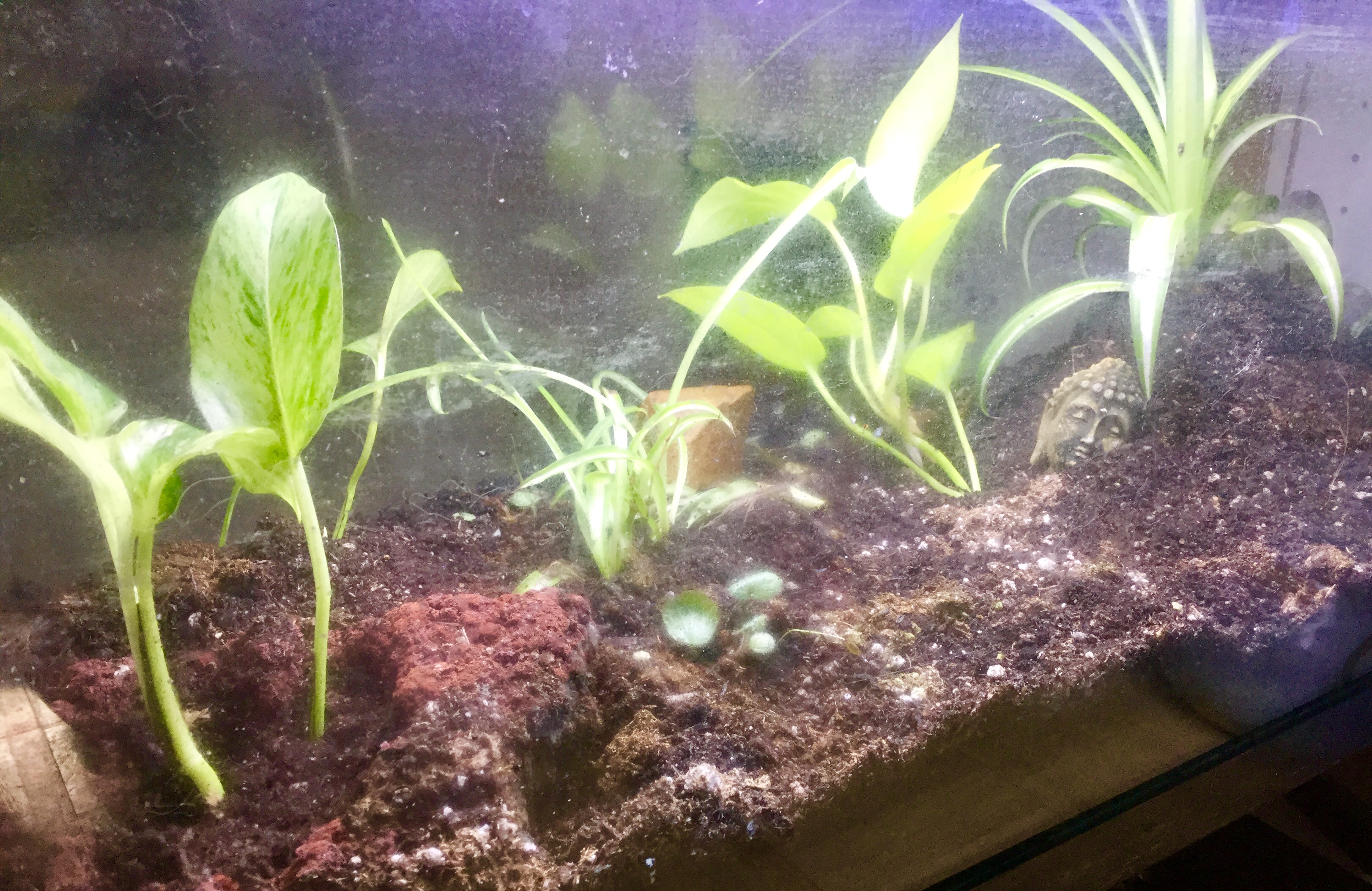
A paludarium takes the idea one step further. It is a type of vivarium that holds both land and water in one enclosed container, so that land and water habitats share a single display. One can be made either by adding water to a terrarium or by adding land to an aquarium. Indoor arrangements of this kind belong to the indoor gardening that Jagonews24 listed among Rakibul's work, alongside larger outdoor landscape design.
A "zero soil" idea and a Garden Mission
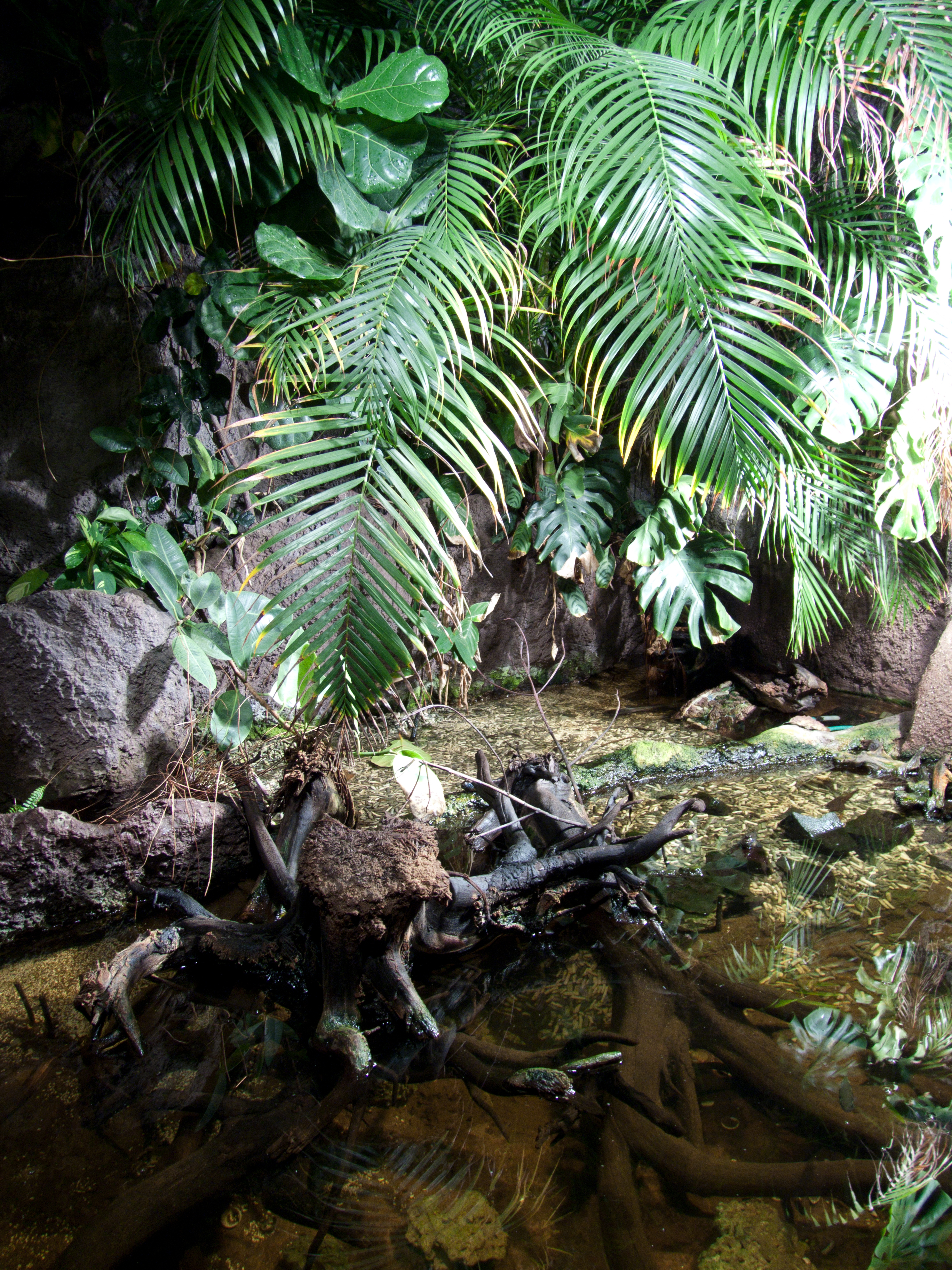
At the time of the report Rakibul was working on an idea he calls "zero soil". In his view no open soil should be left bare: every empty space can be covered with grass, creepers or other plants. That, he said, would make the city greener and also help counter the harmful effects of climate change.
He was also planning a "Garden Mission", with the aim of turning urban greening into a social movement across the country. Alongside it, he said, he wanted to work to reduce the spread of polythene and to make an environment-friendly way of life popular.
"I want people to go near a tree at least once a day," Rakibul Amin told Jagonews24. "A tree doesn't only give oxygen, it also keeps people's minds well. If I can leave a green Bangladesh for the next generation, that will be my greatest achievement."
Jagonews24 described the award as recognition of his long green journey. Rakibul said the award would inspire him to move forward with greater responsibility.
Polythene has a specific place in Bangladeshi law. Section 6A of the Bangladesh Environment Conservation Act 1995 allows the government, if it is satisfied on the advice of the Director General of the Department of Environment or otherwise that polythene shopping bags or other products made of polyethylene or polypropylene are harmful to the environment, to stop by gazette notification their production, import, marketing, sale, display for sale, storage, distribution, commercial transport or commercial use, across the whole country or in a particular area. Exports and bags exempted in the notification are excluded. The Act defines a polythene shopping bag as any bag, paper-style packet or other container made of polyethylene, polypropylene or a compound or mixture of them that can be used for buying, selling, keeping or carrying anything.
Plastic waste was also on the ministry's agenda in the week of the award. At a press conference on 8 July 2026, reported by Desh Rupantor, the environment minister said a guideline on extended producer responsibility for plastic waste management, dated 2026, had been finalised.
How the winners are chosen and what they receive
Under the 2025 policy the award has seven categories, each with its own conditions. The policy sets them out as follows:
- Category A, primary and high schools, ebtedayee and senior madrasas, colleges and universities: at least 500 saplings with a variety of species; plantations two to five years old are considered.
- Category B, union, upazila and zila parishads, municipalities, city corporations, departments, directorates, sectors, corporations, institutions, NGOs, clubs and voluntary organisations: a strip plantation of at least 2 kilometres (at least 2,000 saplings) or a block plantation of 0.80 hectare, or 2.0 acres (at least 2,000 saplings); plantations two to five years old are considered.
- Category C, tree planting by individuals: a block plantation of at least 0.10 hectare, or 0.25 acre (at least 250 saplings), a strip of 0.25 kilometre (at least 250 saplings) or a 0.10-hectare agroforestry plot (at least 200 saplings); plantations two to five years old are considered.
- Category D, privately owned nurseries: a nursery of at least 0.10 hectare (0.25 acre) holding at least 10,000 saplings; nurseries that raise seedlings in soil substitutes such as cocopeat and kitchen waste get priority.
- Category E, rooftop gardens made by individuals or institutions: at least 50 tubs or plants for an individual garden and at least 100 for an institutional one; a garden of any age may apply; every 1.5 square feet of a rooftop bed counts as one plant or tub; the layout and the use of roof space are judged; women and young people get priority.
- Category F, plantations raised by the Forest Department: meant to encourage the dedication and innovative thinking of forest officers and staff; coastal plantations and all other kinds of Forest Department plantations are included; woodlot and block plantations must cover at least 20 hectares with at least 80 percent of saplings alive, and only plantations in their fourth year are considered.
- Category G, tree-related research, conservation and innovation: judged on contribution to protecting the environment, ecology and biodiversity; contribution to poverty reduction and the national economy; role in preventing soil erosion and salinity, conserving nature and countering climate change; logical, science-based publications or information; supporting pictures, videos and photographs; a certificate from the government office concerned; contributions by women and young people get priority.
In each of the seven categories the first, second and third placed winners receive a crest and a certificate, with cash paid by account payee cheque: Tk 1,00,000 for first place, Tk 75,000 for second and Tk 50,000 for third. The prize money and the cost of the ceremony are met from an allocation in the Forest Department's budget.
The policy also fixes a yearly timetable. Applications are invited in October, when the divisional forest officers of the Forest Department advertise in newspapers and on the department's website, and the last date to apply is 30 November. An upazila committee led by the upazila nirbahi officer completes its scrutiny by 31 December, a district committee led by the deputy commissioner by 31 January, and a divisional committee led by the divisional commissioner by 28 February. A medal evaluation sub-committee headed by the ministry's wing chief for administration reports to the national committee by 30 April, and the national committee, chaired by the minister or adviser in charge of the ministry, finalises the winners by 20 May. Its members include the state minister or deputy minister and the secretary of the ministry, the vice-chancellors, or their nominees, of the universities of Dhaka, Chittagong and Khulna and of Bangladesh Agricultural University in Mymensingh, the Chief Conservator of Forests, and representatives of the Prime Minister's or Chief Adviser's office and of the Ministry of Agriculture.
The policy explains why the award exists. Its preamble says that at least a quarter of the country's area needs tree cover to keep the environment in balance, while a growing population and new settlements are shrinking land and increasing demand for fuelwood and other forest products. It says that trees can be planted on fallow and unused land, uneven land unsuited to crops, the grounds of offices, courts and educational institutions, spare land around homes, rooftops, roadsides and railway embankments, chars and hill areas, and that the Forest Policy of 1994 stressed expanding tree cover through government afforestation of public and marginal land and through private and non-government forestry.
The 21 winners of 2025
The winners of the 2025 award were set out in a notification of the Forest-2 branch of the Ministry of Environment, Forest and Climate Change, printed in an extraordinary issue of the Bangladesh Gazette dated 10 June 2026. Jagonews24 reported that the list had been published on 15 June. The notification names 21 individuals and institutions in seven categories, chosen under the revised 2025 policy:
- Category A, educational institutions: first, the Textile Institute, Natore; second, Bangladesh Army University of Engineering and Technology (BAUET), Qadirabad Cantonment, Natore; third, Dumuria College, Khulna.
- Category B, local government bodies, public and private organisations, clubs and voluntary organisations: first, the Korean EPZ, Karnaphuli, Chattogram; second, the Border Guard Bangladesh sector headquarters, Khagrachhari.
- Category C, individual tree planting: first, Md Shafiqul Islam of Chapainawabganj; second, Md Jahangir Kabir of Narail; joint third, Md Shahbaz Hossain Khan of Dhaka and Mosammat Ismatunnesa of Sunamganj.
- Category D, private nurseries: first, Faisal Nursery, Savar, Dhaka; second, Sathi Flower and Nursery, Bogura; third, Diploma Krishibid Nursery, Savar.
- Category E, rooftop gardens: first, Sharmin Akter of Rajshahi; second, Asfia Sabina of Dhaka; third, Arifa Siddika, administrator of Sherpur municipality.
- Category F, plantations raised by the Forest Department: first, the Coastal Forest Division, Patuakhali (Amtali range); second, the Social Forestry Division, Jashore (Satkhira); third, the Mymensingh Forest Division (Rangtia range).
- Category G, tree-related research, conservation and innovation: first, Mahfuz Ahmed Russel, owner of the Pitachhara Forest and Wildlife Conservation Initiative, Matiranga, Khagrachhari; second, Md Rakibul Amin of Dhaka; third, Professor Mohammad Enamul Haque Khan of Cumilla.
The previous year's award followed the same pattern. The ministry's notification for the National Award for Tree Plantation 2024, printed in the Bangladesh Gazette of 18 June 2025, also named winners in seven categories, 21 individuals and institutions in all, as Khoborsangjog reported on 19 June 2025, with the same prize money. In that round the Bangladesh Forest Research Institute in Chattogram came first in category G and the RIMS unit of the Forest Department in Dhaka second, while in the rooftop garden category the office of the Natore deputy commissioner came first.
The tree fair of 2026
The ceremony at which Rakibul was to receive his award was part of the ministry's annual tree fair. At a press conference at the ministry on Wednesday, 8 July 2026, the environment minister said the World Environment Day and Environment Fair 2026 and the National Tree Plantation Campaign and Tree Fair 2026 would be opened on Thursday, 9 July, at the Bangladesh-China Friendship Conference Centre, Desh Rupantor reported.
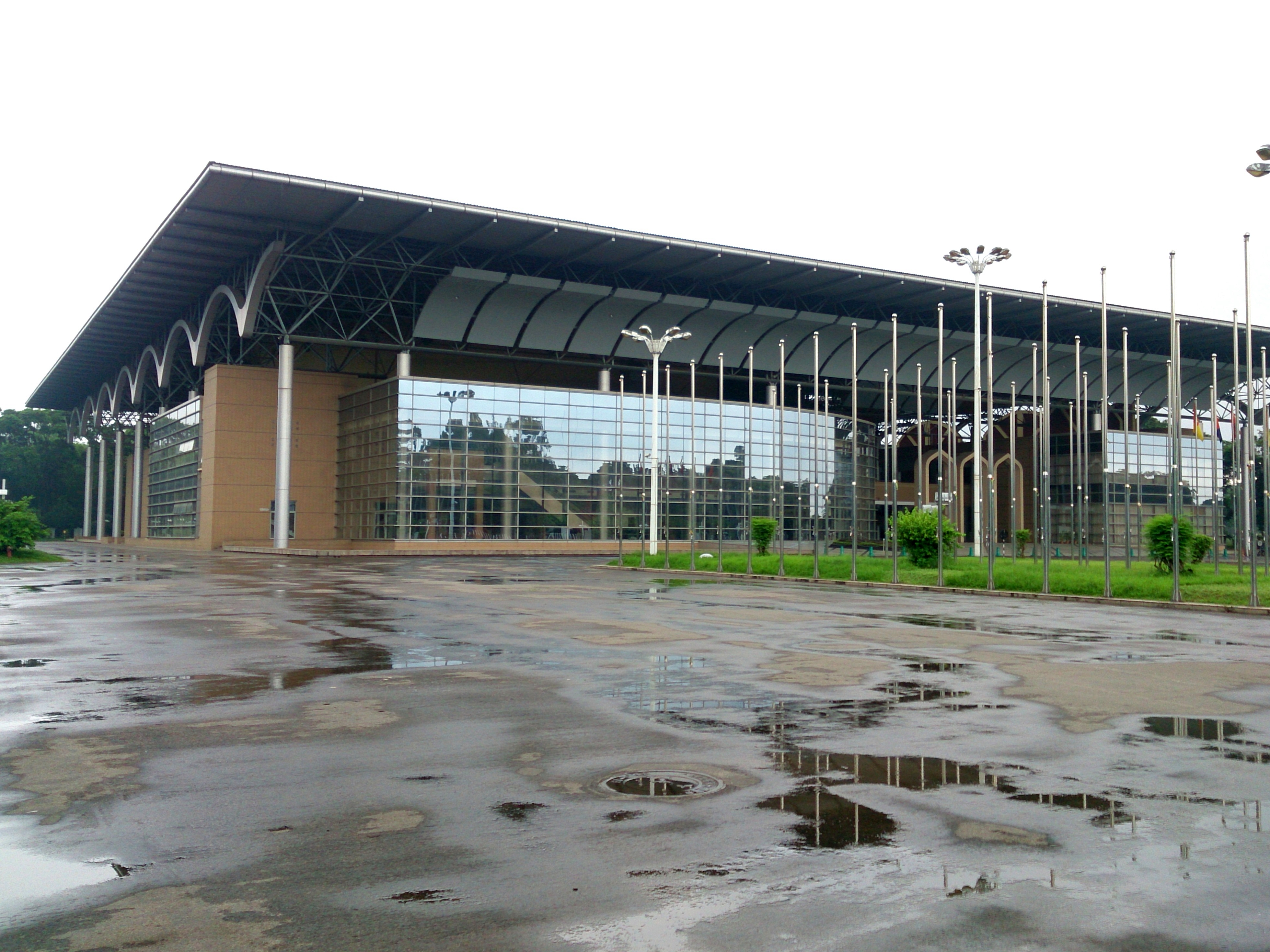
Alongside the environment fair and the month-long national tree fair in Dhaka, the minister said, 15-day tree fairs would be held at the headquarters of the seven divisions, seven-day fairs at 56 district headquarters and three-day fairs in 29 upazilas. The national fair in Dhaka was to have 120 stalls in all.
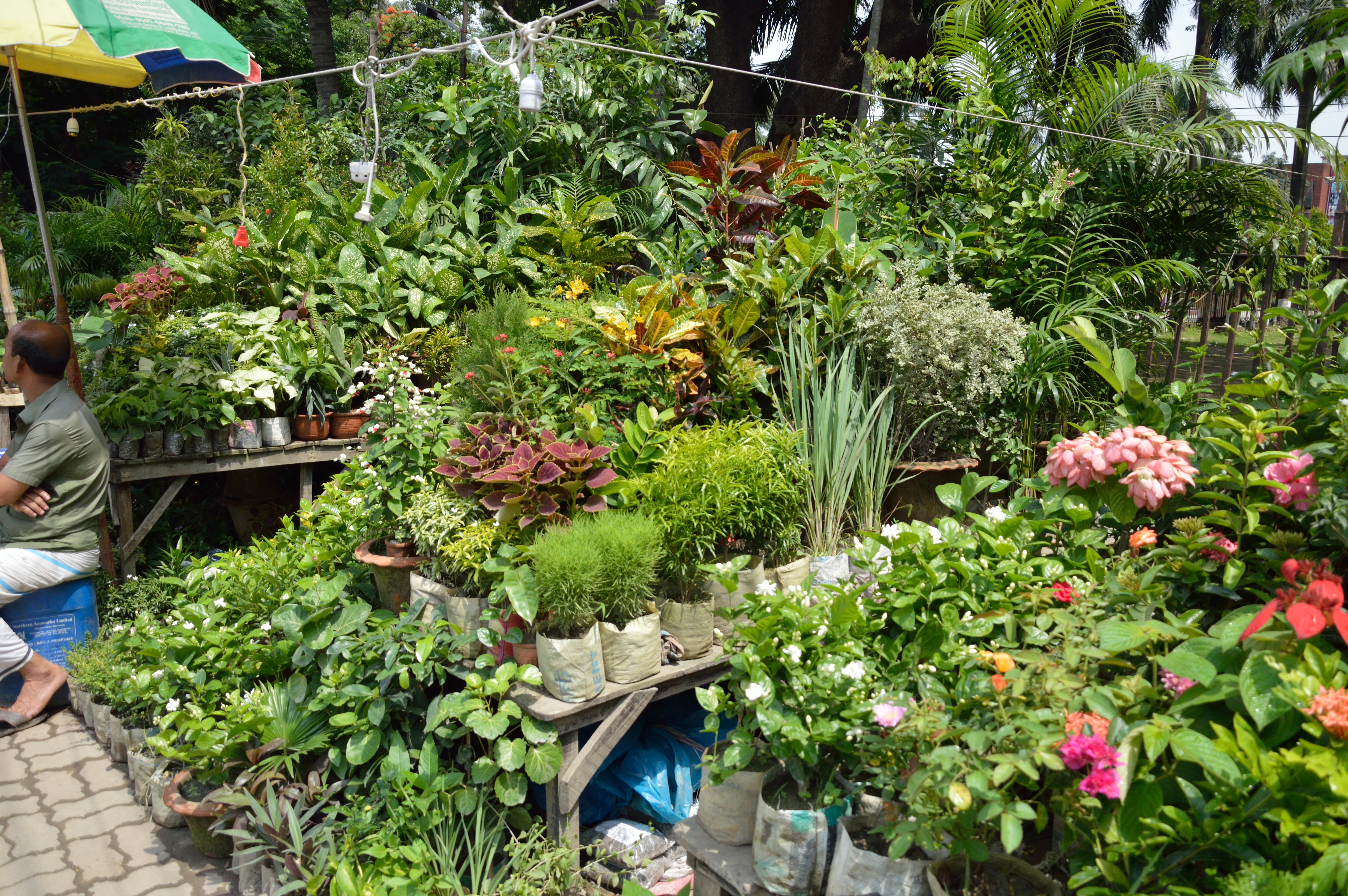
Dhaka's rooftops and the country's tree cover
Rooftops are where much of Rakibul's work began. A study by researchers of the Department of Geography and Environment at the University of Dhaka and Begum Rokeya University, Rangpur, published in Social Science Review in October 2023, mapped rooftop gardens in the Dhaka Metropolitan Area by digitising building roofs and garden areas on Google Earth Pro imagery for 2016 and 2021. Covering 20 zones of the metropolitan area and the Dhaka Cantonment, it found a moderate increase of 15 percent in rooftop gardening over those five years, with planned residential areas having more rooftop garden area than any other land use and the western part of the city more than the eastern.
Another study, published in the Journal of the Bangladesh Agricultural University in June 2025, surveyed 60 rooftop gardeners in Kalabagan, Mohammadpur, Mirpur, Banani, the Cantonment and Uttara. It found rooftop vegetable gardening economically viable, with a benefit-cost ratio of 1.32, although the income most gardeners earned from it was small compared with their total income. The authors listed food safety and environmental benefits among its strengths and poor soil quality and limited access to gardening equipment among its problems, and suggested that training and access to markets could make rooftop gardening more popular and more profitable.
City authorities had also tried to encourage rooftop greening. In August 2020 the mayor of Dhaka North City Corporation announced a 10 percent holding tax rebate for residents who made rooftop gardens, with a committee including representatives of the environment and agriculture ministries, civil society, urban planners and environmental organisations to decide who qualified, The Financial Express reported. In June 2023 the local government minister said that homeowners in all city corporations and municipalities would receive a 10 percent tax rebate for rooftop gardens, in response to an application from Dhaka North City Corporation, and that a circular would set out which gardens qualified; a few tubs would not be enough, and the gardens had to be well maintained, The Business Standard reported.
Nationally, the environment minister said in March 2021 that tree-covered land in Bangladesh had risen to 22.37 percent of the country's total area. In June 2024 UNB reported that the government had set a goal of expanding tree cover from 22.37 percent to 25 percent of the land area by 2030, and of raising forest coverage from 14.1 percent to 16 percent. The award's own policy puts the need at no less than a quarter of the country's area under tree cover.
Photo: Wiki Ruhan / Wikimedia Commons (CC BY-SA 4.0). The top picture shows a rooftop garden in Dhaka, as background; it is not known to be Rakibul Amin's work.
Sources: Jagonews24, Bangladesh Gazette (Ministry of Environment, Forest and Climate Change notification on the National Award for Tree Plantation 2025, 10 June 2026, the 2024 award notification, 18 June 2025, and the revised award policy, 12 March 2025), Desh Rupantor, The Daily Star Bangla, Khoborsangjog, Banglapedia, Bangladesh Environment Conservation Act 1995 (bdlaws), Social Science Review (University of Dhaka), Journal of the Bangladesh Agricultural University, The Financial Express, The Business Standard, UNB, Wikipedia (Terrarium, Paludarium)
Comments
(0)