
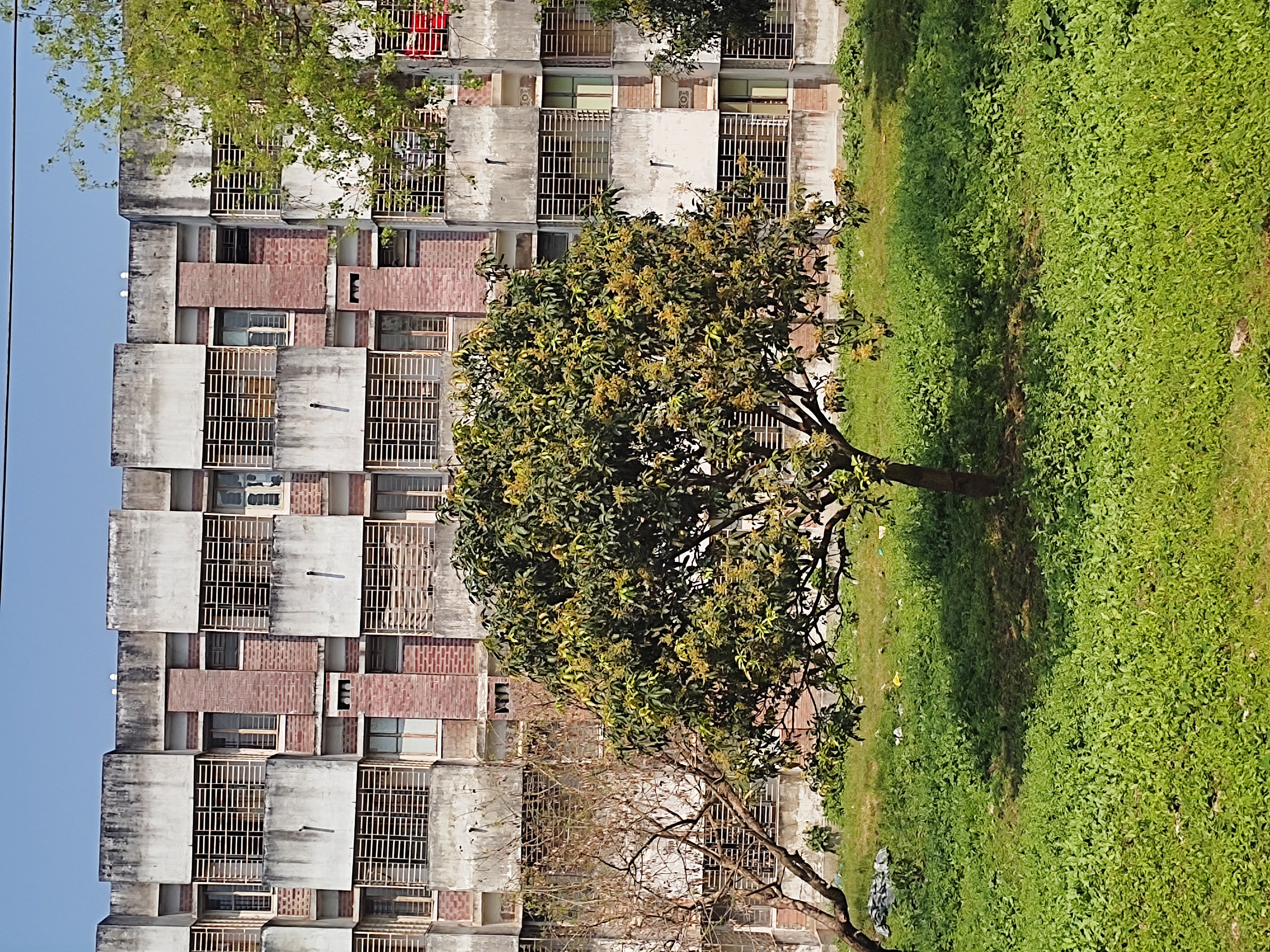
The administration of Rajshahi University (RU) banned the picking of unripe fruit on its campus in April 2026, ahead of the fruit season of the Bengali month of Jyoishtho. Mangoes, lychees, jackfruit and the other fruit growing on the university's trees were not to be picked while still unripe. The university said the fruit would instead be protected until it ripened and then shared equally among everyone through a "Madhuphal Utsab", a festival of the sweet fruits of the season. The university's public relations office announced the decision in a notice issued on Monday, 20 April 2026, and Jagonews24 reported it on the evening of 21 April.
What the notice said
According to the notice, an active high-level committee was to be formed through a joint initiative of the university administration and the students. On dates to be fixed later, ripe fruit would be collected from the trees and distributed fairly to all through special booths. To make this possible, the notice asked all students and everyone connected with the institution not to damage unripe fruit and not to pick fruit on their own.
The notice did not give a date for the festival itself. It linked the festival to the ripening of the fruit, and its timing explains why. It was issued in Baishakh, the first month of the Bengali year and of the Bengali summer. Jyoishtho, the month the university named, comes next. Banglapedia, the national encyclopedia of Bangladesh, describes the summer season, Grishma, as the two months of Baishakh and Jyoishtho, from mid-April to mid-June. In late April most of the fruit on Rajshahi's trees was still green and small.
The ban covered fruit on the campus trees only. It did not concern the orchards and markets of Rajshahi district, which follow their own harvest arrangements, and it carried no fine or penalty in the notice as reported. It was framed as a request backed by a plan: keep the fruit on the trees until it was ready, then share it.
Plans for the Madhuphal festival
Asked about the festival, the university's student adviser, Dr Amirul Islam, told Jagonews24 that fruit on the university's trees was often seen being destroyed through disorderly picking. Through the festival, he said, everyone would be able to enjoy the sweet fruit, and a festive atmosphere would be created on the campus. He hoped the initiative could be carried out successfully if students cooperated and did not damage the fruit.
The student adviser said the events could be organised hall by hall. There were plans to set up a pandal in each residential hall and to serve the fruit through booths. He said such a festival could make an impression across the country, and that it could also help bring discipline back among the students.
On protecting the fruit until then, he said there would be announcements by loudspeaker as a warning. Trees that had been leased out by tender would be marked separately, and a list would be prepared of the trees whose fruit was open to students. Leasing fruit trees for the season is a common practice in the Rajshahi region: a feature in The Business Standard in June 2025 described a trader from Chapainawabganj who had leased more than 800 mango trees.
The vice-chancellor, Professor Dr Md Faridul Islam, said the university had many trees that bear fruit in the month of Jyoishtho. The festival would be held with ripe fruit only, he said, and the step had been taken to stop fruit being wasted while it was still unripe.
A campus of trees at Motihar
Rajshahi University is the second largest university in Bangladesh, according to Banglapedia. The Rajshahi University Act 1953 was published in a gazette notification on 16 June 1953, and Dr Itrat Hossain Zuberi, then principal of Rajshahi College, became its first vice-chancellor. The university began in borrowed buildings in the town, including the circuit house and the old Dutch building Barakuthi. Its present campus is at Motihar, about 5 km from the city, on 298.2 hectares of land acquired for the purpose. Construction there started in 1958 to a master plan by the architect John A Zomanec, and the first phase, housing all offices and academic units, was completed in 1964. The university is now governed by the Rajshahi University Act 1973.
Banglapedia's figures for the university give 1,150 teachers and 38,291 students, with 59 departments in nine faculties in the 2018-19 session. A Faculty of Agriculture was formed in 2000, when a local agricultural college was absorbed into the university; its departments are in the Agricultural Faculty Building, and practical work is done at the Narikelbaria campus.
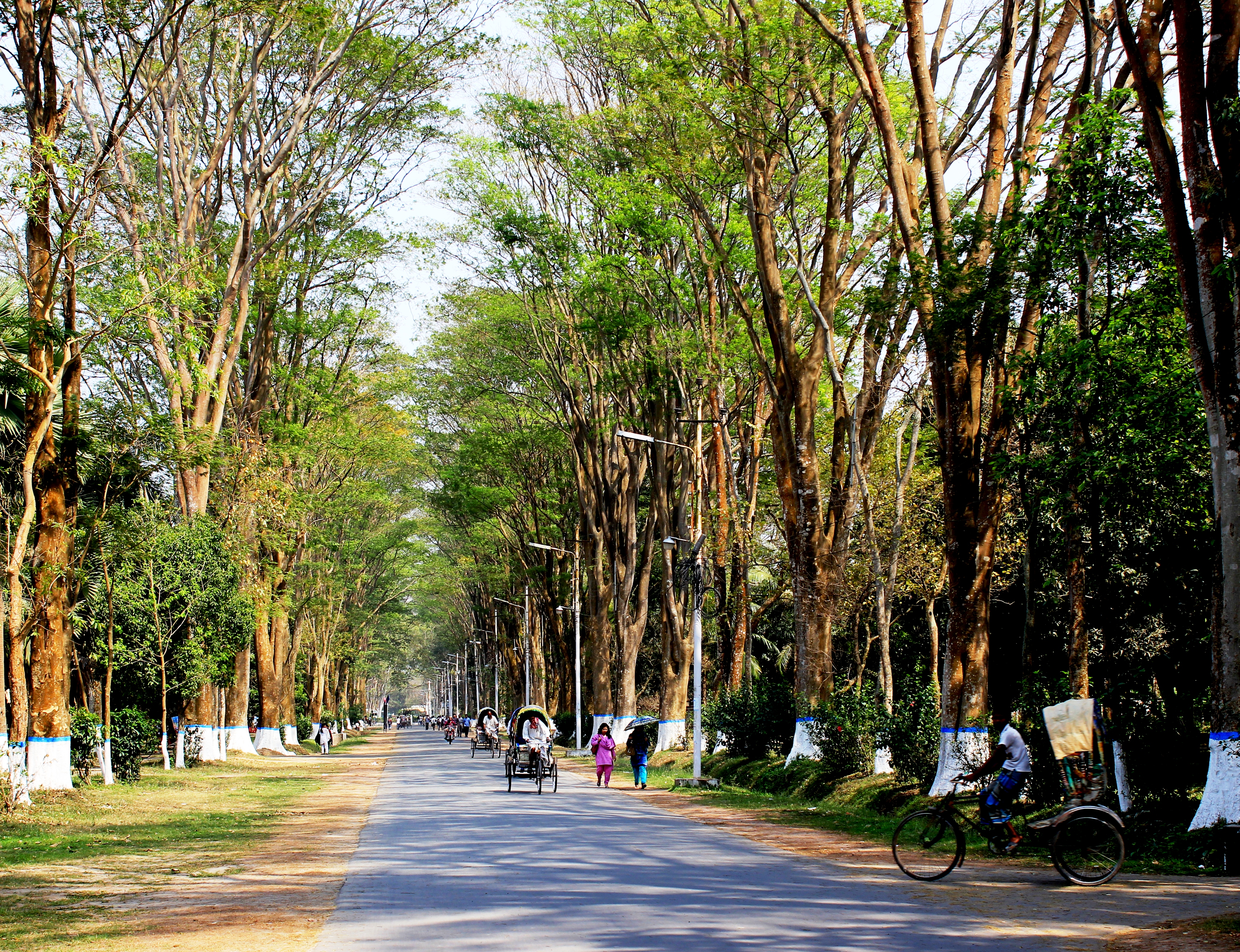
The campus is known for its greenery. Its best-known avenue, Paris Road, runs east from near the Zuberi guest house past mango plantations, Kazla pond and the vice-chancellor's residence. There is a planted forest, Matihar Udyan, on the eastern side of the campus, and the Rajshahi University Botanical Garden is home to some rare species of trees and plants. The campus has two large lakes and nearly fifty ponds, and the Department of Zoology runs a bird sanctuary known as the Jungle Genome Project.
Jyoishtho, the honey month of fruit
The word "madhuphal" means sweet or honeyed fruit, and the season it belongs to is known in Bengali as "madhu mas", the honey month. Banglapedia's entry on fruit says most of Bangladesh's fruit is produced in the madhu mas, and that mango, jackfruit, litchi and pineapple are the important fruits of that time. It describes May, June and July as the fruit festival months of the country, when almost all the major and minor fruits mature and come to market.
Fruit production in Bangladesh is strongly seasonal. According to Banglapedia, 54 per cent of the country's fruit is produced and marketed in the four months of Baishakh, Jyoishtho, Ashar and Srabon, and the remaining 46 per cent in the other eight months. The country grows nine major and 48 minor fruits, and the major ones, mango, banana, jackfruit, pineapple, papaya, litchi and jujube, occupy about 79 per cent of the land under fruit.
The same entry points to the waste that the university's notice was trying to prevent on a small scale. It says that for want of proper storage and processing, about 30 to 35 per cent of fruit rots and is lost. It also says a person needs to eat at least 85 grams of fruit a day to stay healthy, while the average daily availability in Bangladesh was only 35 grams, and that the fruit is not evenly shared, with many poor people getting little or none. Fruit wasted while still green is fruit that never reaches anyone.
Mango, the fruit Rajshahi is known for
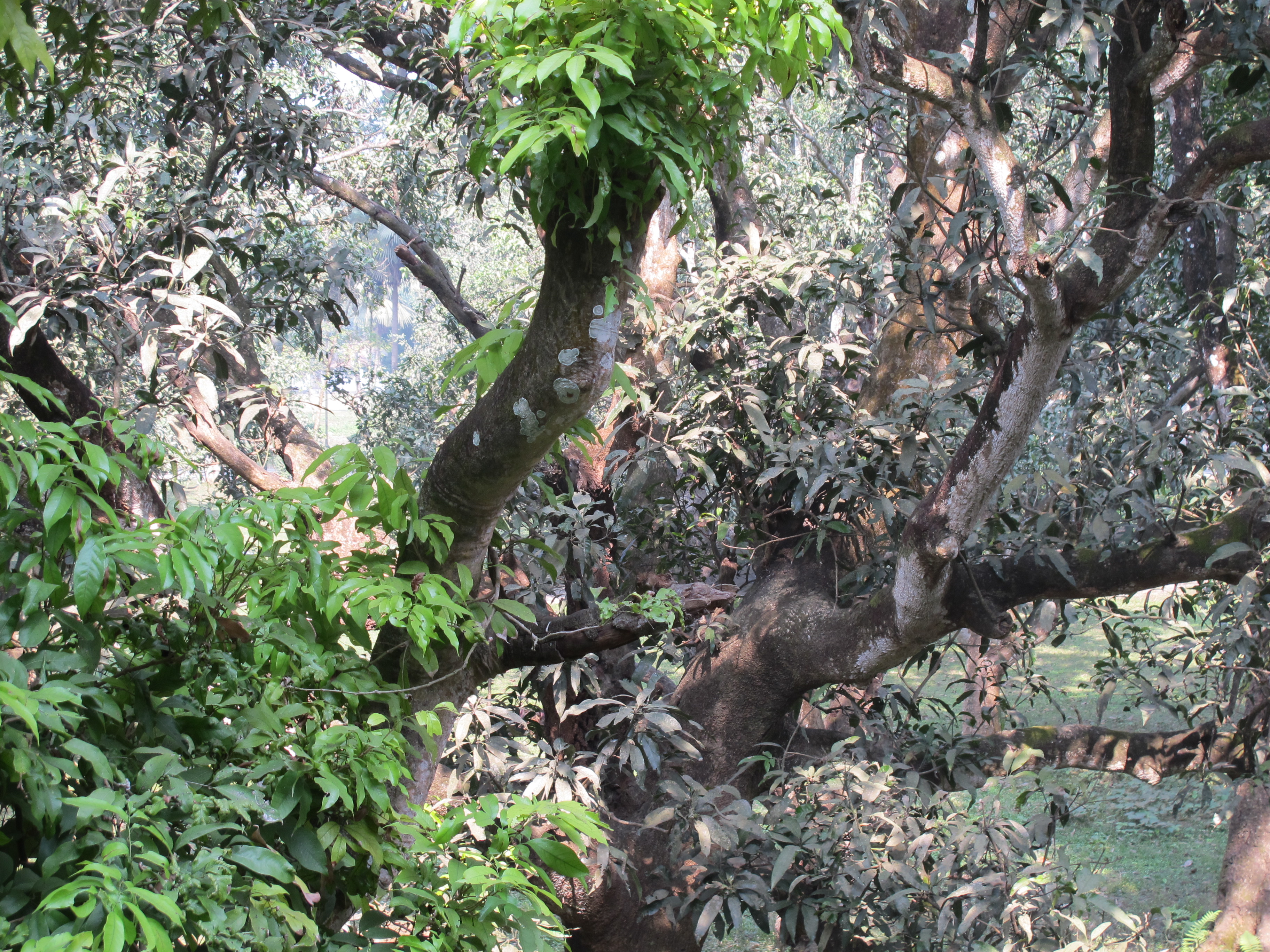
The mango, Mangifera indica, is considered indigenous to the eastern part of the Indian subcontinent, including Bangladesh, Assam and Myanmar, according to Banglapedia. Its mangoes fall into two broad groups: superior or elite varieties propagated by grafting, and local seedling varieties known as "deshi" or "guti" mangoes. The superior varieties are grown mostly in Rajshahi, Nawabganj (now Chapainawabganj) and Dinajpur, and include Fazli, Langra, Gopalbhog, Himsagar, Khirsapat, Ashwina, Kishanbhog, Lakshmanbhog and Mohanbhog. Nearly 100 cultivars are available in Bangladesh. A grafted tree first bears fruit in about its fourth year and stays productive up to about its 45th year, while seedling trees may bear for 60 years or more.
Each fruit on a tree is the survivor of a long selection. Banglapedia notes that a mango inflorescence may carry 100 to 250 flower buds, that only about one or two flowers in about a thousand lead to a mature fruit, and that two or three fruits on a panicle are often enough for a satisfactory crop. The encyclopedia puts the country's production at about 639,820 tonnes from about 641,525 acres in 2005-06, and lists among the causes of low yields old trees that no longer bear well, lack of care, attacks by insect pests and diseases, and the felling of productive trees. About three dozen insect pests attack mango in Bangladesh, among them mango hoppers, fruit weevils and the fruit fly, and infested fruits drop early or become unfit to eat. For litchi, Banglapedia names the litchi mite and the litchi fruit borer as the most serious pests.
The mango's history in the region is long. Banglapedia records that the Chinese traveller Hiuen Tsang, who visited India between 632 and 645 AD, is credited with first bringing the mango to the attention of the outside world, and that the Mughal emperor Akbar planted about 100,000 mango trees in an orchard near Darbhanga, considered the first organised mango orchard of the subcontinent.
The Bangladesh Cabinet declared the mango tree the national tree on 15 November 2010, bdnews24.com reported at the time, quoting the prime minister's press secretary: "We had no national tree. So the Mango tree has been declared as the national tree."
Rajshahi's place in the mango trade is large. The Business Standard reported in June 2025 that, according to the Department of Agricultural Extension (DAE), Rajshahi had about 3,364,000 mango trees on 19,600 hectares, with an expected yield of more than 13 tonnes per hectare, and that the projected output for Rajshahi and Chapainawabganj was 245,000 tonnes. The same report said Rajshahi produces roughly 25 to 30 per cent of Bangladesh's mangoes, and that the Rajshahi Chamber of Commerce and Industry put the market value of the region's mango trade at about Tk 10,000 crore. Baneswar in Puthia upazila is the largest mango market.
The 2025 report also set out the season's rhythm in Rajshahi: flowering from late February into March, fruit setting in April, bagging and care in May, and harvest from late May through August. In 2025 Gopalbhog came to market from 22 May, Ranipachhand and Lakhna from 25 May, Khirsapat (Himsagar) from 30 May and Langra from mid-June, followed by later varieties such as Fazli, BARI-4, Ashwina, Gourmati and Ilamati. By that calendar, the campus mangoes were still weeks from ripeness when the notice was issued in April.
Research on the crop has a base in the region. The Bangladesh Agricultural Research Institute (BARI) set up a Mango Research Station at Nawabganj in 1985 under its Horticulture Division; Banglapedia records that the station holds over 300 mango trees of about 65 cultivars.
Why fruit should ripen before it is picked
Fruit scientists describe a clear point at which a mango is ready. In her reference work Fruits of Warm Climates (1987), published online by Purdue University, the botanist Julia F. Morton wrote that mangoes normally reach maturity four to five months after flowering. "When the mango is full-grown and ready for picking, the stem will snap easily with a slight pull," she wrote, and "If a strong pull is necessary, the fruit is still somewhat immature and should not be harvested."
Morton also described how careless picking spoils fruit. Falling causes bruising and later spoiling, so pickers use long-poled bags. When fruit is cut, a stem of about 10 cm should be left to avoid a spurt of milky sap, because sap leaking from the stem burns the skin, making black lesions that lead to rotting. Fruit picked too early does not ripen properly: she noted that mangoes needing more than 48 hours of ethylene treatment to colour had been picked prematurely and were not fit for market.
Banglapedia notes a natural cause of early loss as well. Mild showers help the fruit to grow, but storms, especially hailstorms, often make immature fruit drop. On a campus, fruit pulled down green by hand adds to that loss, which is the waste the student adviser described when he spoke of disorderly picking.
Unripe picking has a commercial side in the region too, one that the RU notice did not deal with. In May 2016 the district administrations of Rajshahi and Chapainawabganj banned mango harvesting and marketing until 25 May to allow time for natural ripening, BSS reported in Prothom Alo. The reason given was the artificial ripening of immature mangoes with harmful chemicals; about 800 kg of carbide-treated mangoes had been destroyed in Rajshahi district, and truck and bus owners were asked not to carry mangoes during the restricted period. The same month The Daily Star reported that a mobile court in Natore had fined a trader Tk 1 lakh for treating 250 kg of mangoes with carbide, and that the Natore deputy commissioner had said Langra was not to be picked before 15 June and Khirsha not before 12 June.
Lychee and jackfruit, the other campus fruits
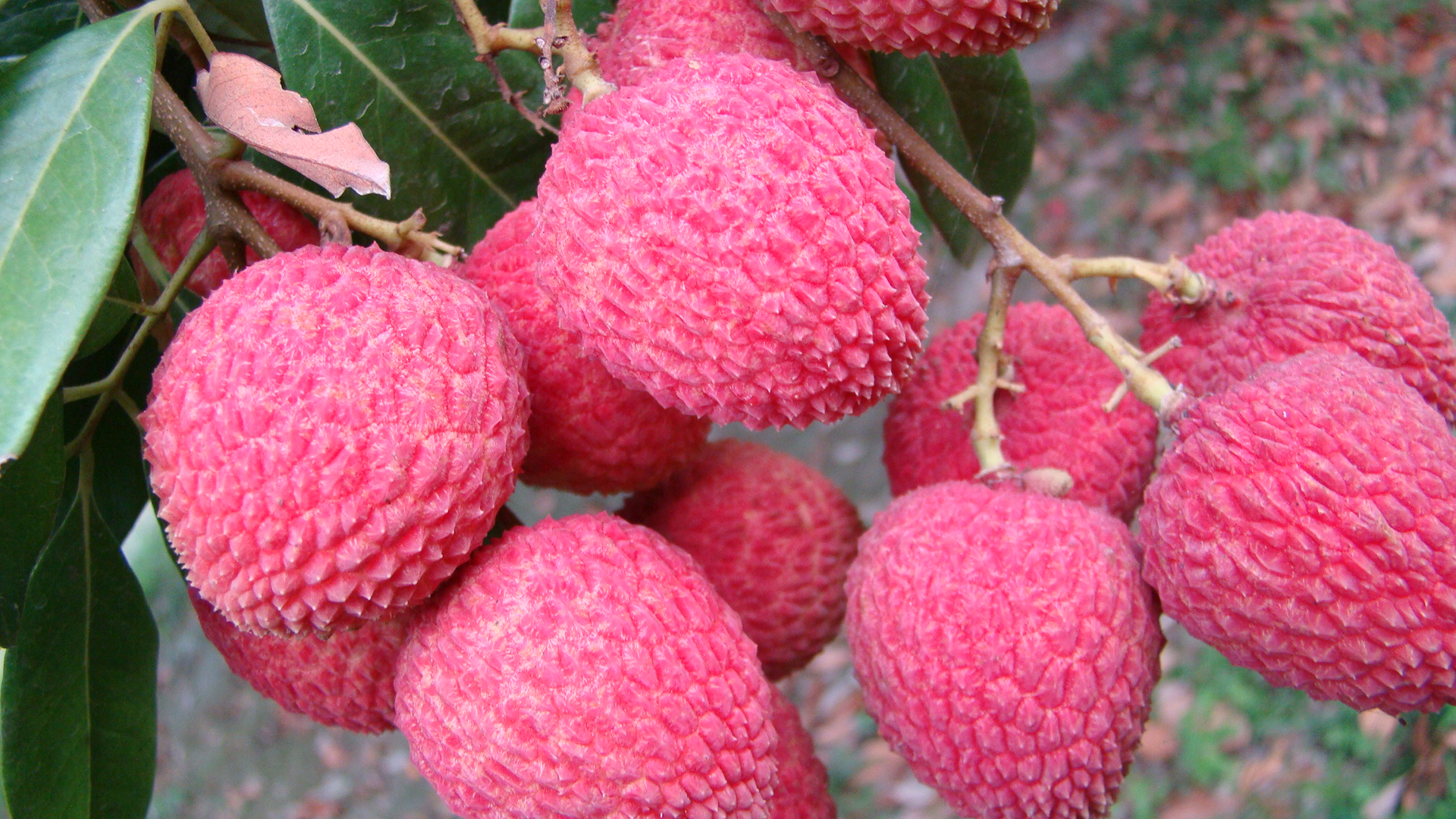
The litchi or lychee, Litchi chinensis, came originally from China and reached Burma and India by the end of the 17th century, according to Banglapedia. It can be grown in every district of Bangladesh, but is grown mainly in Rajshahi, Rangpur, Dinajpur, Jashore, Kushtia, Mymensingh and Narayanganj, and it ranks second only to mango in production among the country's tree fruits. Bangladesh has no named litchi variety, but there are many local selections of two main types, deshi and bombai. The edible part makes up 50 to 75 per cent of the fruit's weight.
The Bangladesh Sangbad Sangstha (BSS) reported on 28 February 2026 that, according to the DAE, litchi was grown on 1,701 hectares in the Rajshahi region's four districts, 528 hectares of them in Rajshahi district. Trees bloom in early February, and the fruit is ready for market by late May or the first week of June. Dr Azizur Rahman, additional director of the DAE's Rajshahi region, said Rajshahi litchi had a strong reputation for its taste and aroma, and that a bumper harvest was expected if the weather stayed favourable. Growers told BSS that drought in 2024 and heavy rain in 2025 had hurt their business.
Lychee does not wait well once picked. Morton wrote that lychees for home use or local markets are harvested when fully coloured, that clusters are clipped with a portion of stem and a few leaves to keep them fresh, and that freshly picked lychees keep their colour and quality for only three to five days at room temperature. Picking single fruits by pulling breaks the skin and makes them spoil quickly.
Jackfruit, Artocarpus heterophyllus, is the national fruit of Bangladesh. Banglapedia says it ranks third in area and second in production among the country's fruits, citing Bangladesh Bureau of Statistics (BBS) figures for 2000-2007 of 25,110 hectares and 469,500 tonnes a year, about 22 per cent of all fruit produced. It bears one of the largest edible fruits known, and its harvest runs from June to September. Unlike mango and lychee, green jackfruit has a use of its own: the pulp of unripe fruit is cooked as a vegetable, and the ripe fruit is eaten fresh.
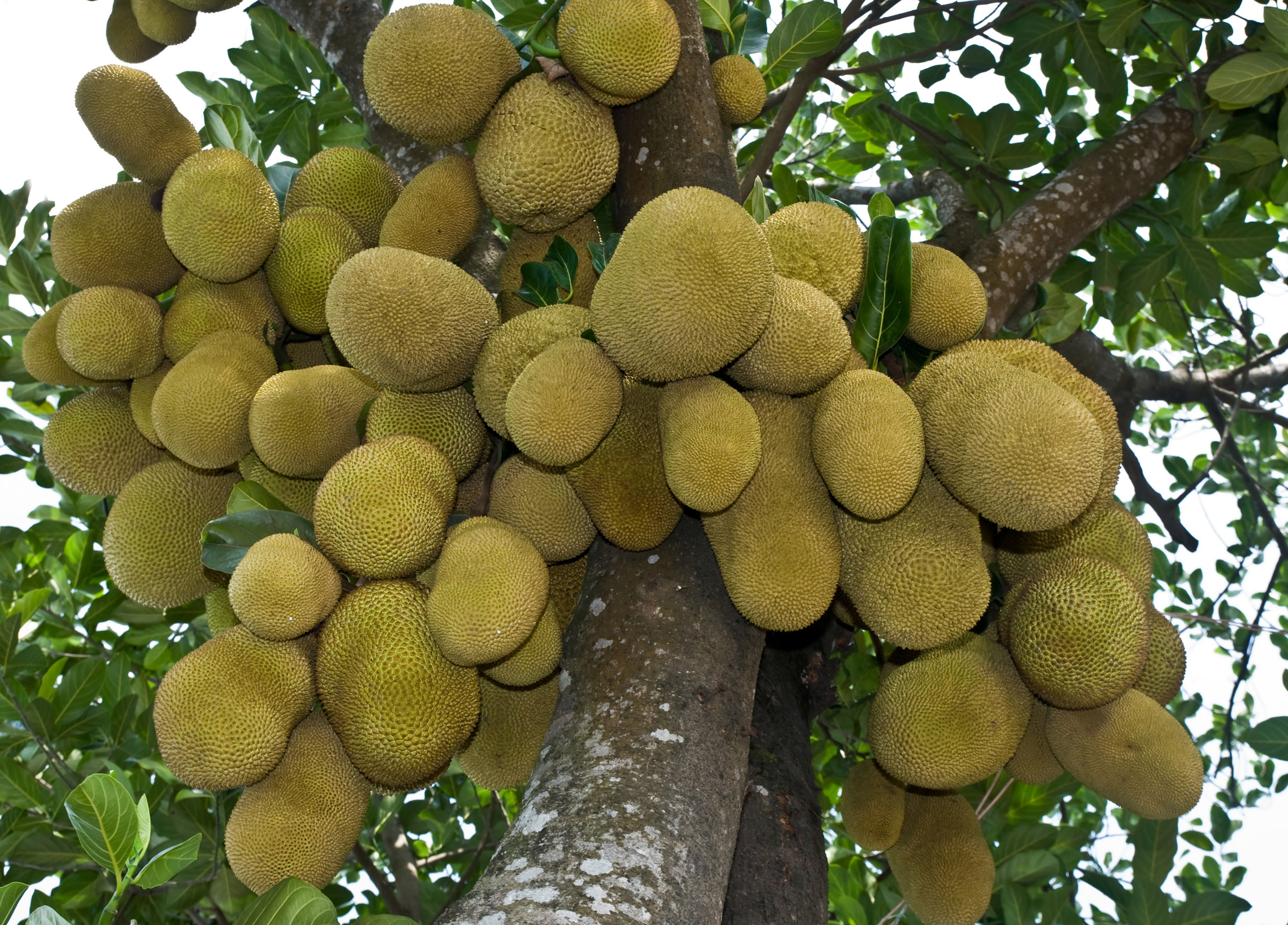
Photo: Tanvir Rahat / Wikimedia Commons (CC BY-SA 4.0)
Sources: Jagonews24, Banglapedia (Asiatic Society of Bangladesh), The Business Standard, Bangladesh Sangbad Sangstha (BSS), Prothom Alo, The Daily Star, bdnews24.com, Julia F. Morton, Fruits of Warm Climates (Purdue University), Wikipedia (University of Rajshahi)
Comments
(0)