
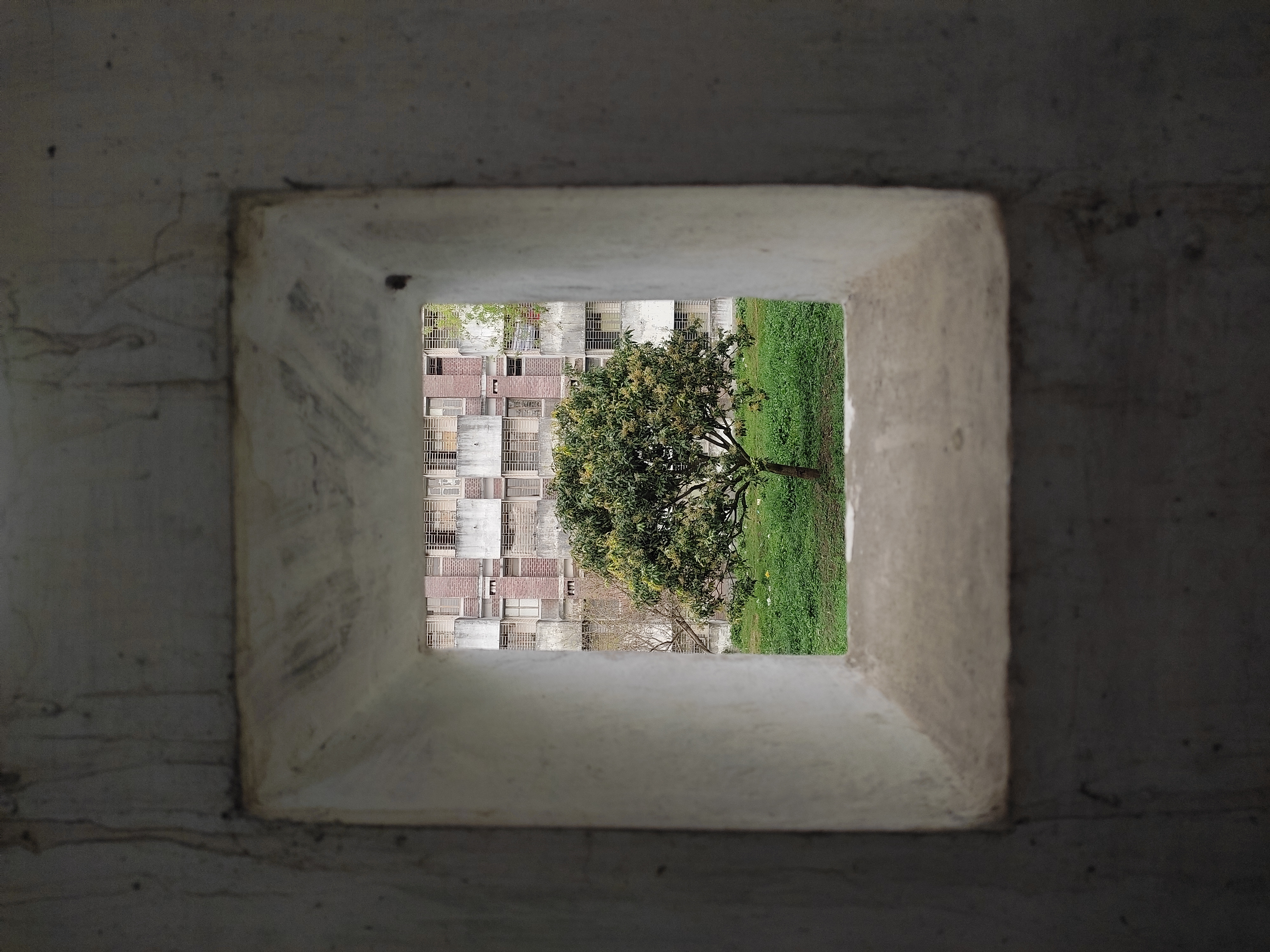
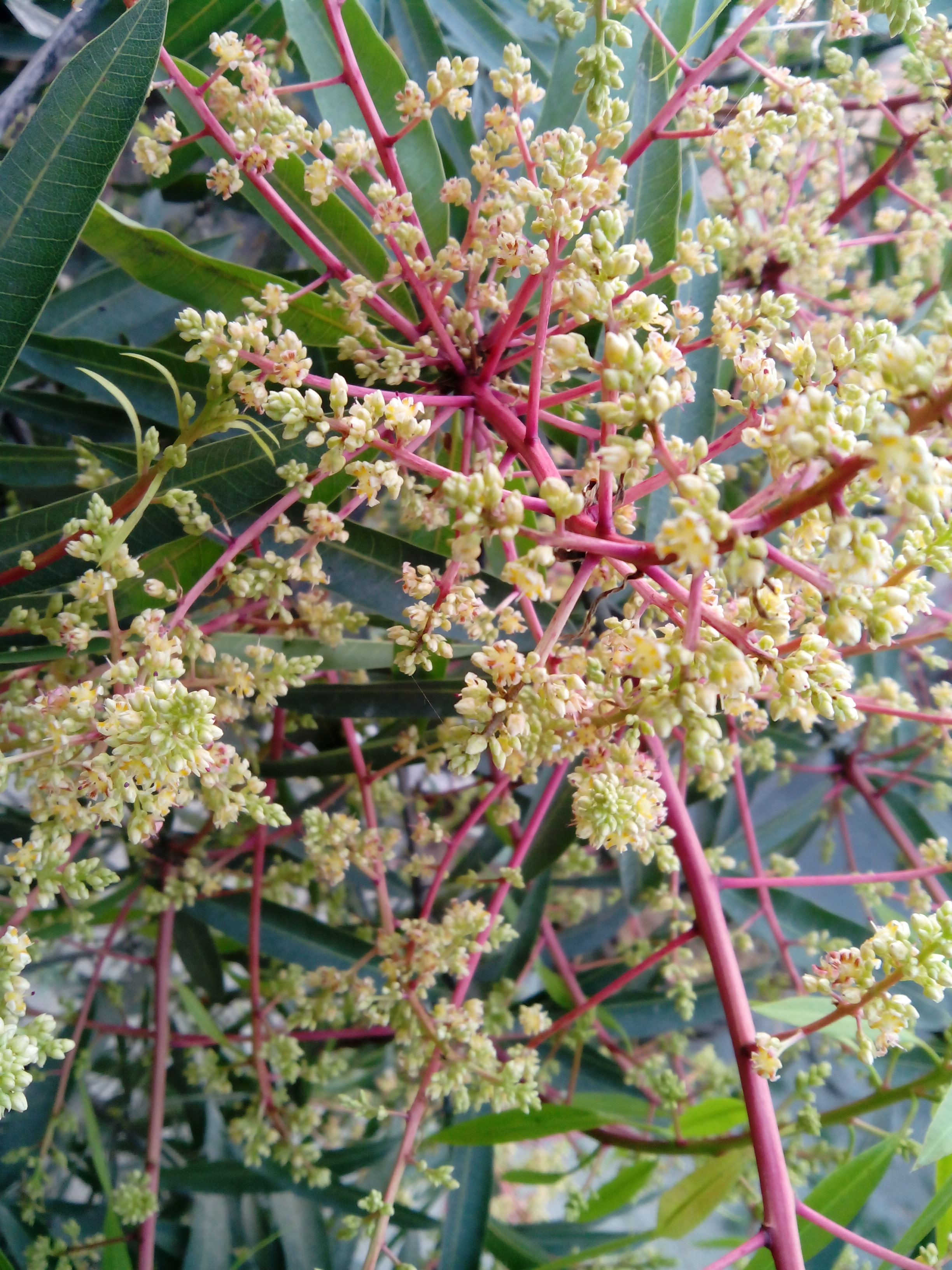
At the start of the 2026 mango season, orchards across the Rajshahi region were thick with golden blossom and growers expected a good crop. Jagonews24 reported on 5 May 2026 that drought, erratic weather and pest attacks were causing young mangoes to drop and the expected yield was not coming; growers feared a shortfall and losses.
Fruitlets lost to drought and heat
Growers said that despite irrigation, spraying and regular care, the fruit did not hold in many orchards. Abdur Rahim, a grower in Paba upazila of Rajshahi, told Jagonews24 that the blossom had been good but the drought meant the mangoes could not be kept on the trees. Motiur Rahman, a grower in Bagmara upazila, said that although a bumper crop was expected at first, less than half the fruit was left and mangoes were dropping every day; the costs of fertiliser, pesticide and irrigation had risen while the yield had fallen. Azmat Ali, a grower in Godagari upazila, said many trees had not fruited properly because of the water shortage, and that without a good market price he would struggle to repay his loans.
Earlier, on 25 April 2026, Risingbd reported growers saying that about 90 percent of trees had blossomed that season, but the fruitlets were dropping in the severe drought and under pest attack. According to the meteorological office, Rajshahi recorded 40 degrees Celsius on 22 April, and Rajshahi, Chapainawabganj, Naogaon and Natore had averaged 36 to 37 degrees for two weeks. Prothom Alo reported on 2 May 2026 that Rajshahi had had no significant rain in April; 32 millimetres fell by 11 am on 2 May, the most of the year so far. Mohammad Nasir Uddin, deputy director of the Department of Agricultural Extension (DAE) in Rajshahi, said then that the rain had been very good for mangoes.
The Rajshahi region's mango crop in DAE figures
According to agriculture department figures given to Jagonews24, mangoes were grown on about 99,000 hectares in the Rajshahi region in the 2026 season, with output expected to reach about 12 lakh tonnes and a potential market value of about Tk 6,500 crore. The DAE's Rajshahi region covers Rajshahi, Naogaon, Natore and Chapainawabganj districts; Risingbd's 25 April report gave the region's mango production target for the 2025-26 fiscal year as 11,98,068 tonnes.
Growers said they had faced one crisis after another in recent years: drought, rising production costs and a standstill in marketing during long Eid holidays in the season had kept them in a cycle of losses. Risingbd reported that in the previous season the yield had been good but rain spoiled many mangoes, prices fell and many growers could not recover their costs. Those involved believed that if the mangoes still on the trees sold at good prices at the height of the season, some of the loss could be made up.
Why young mangoes drop
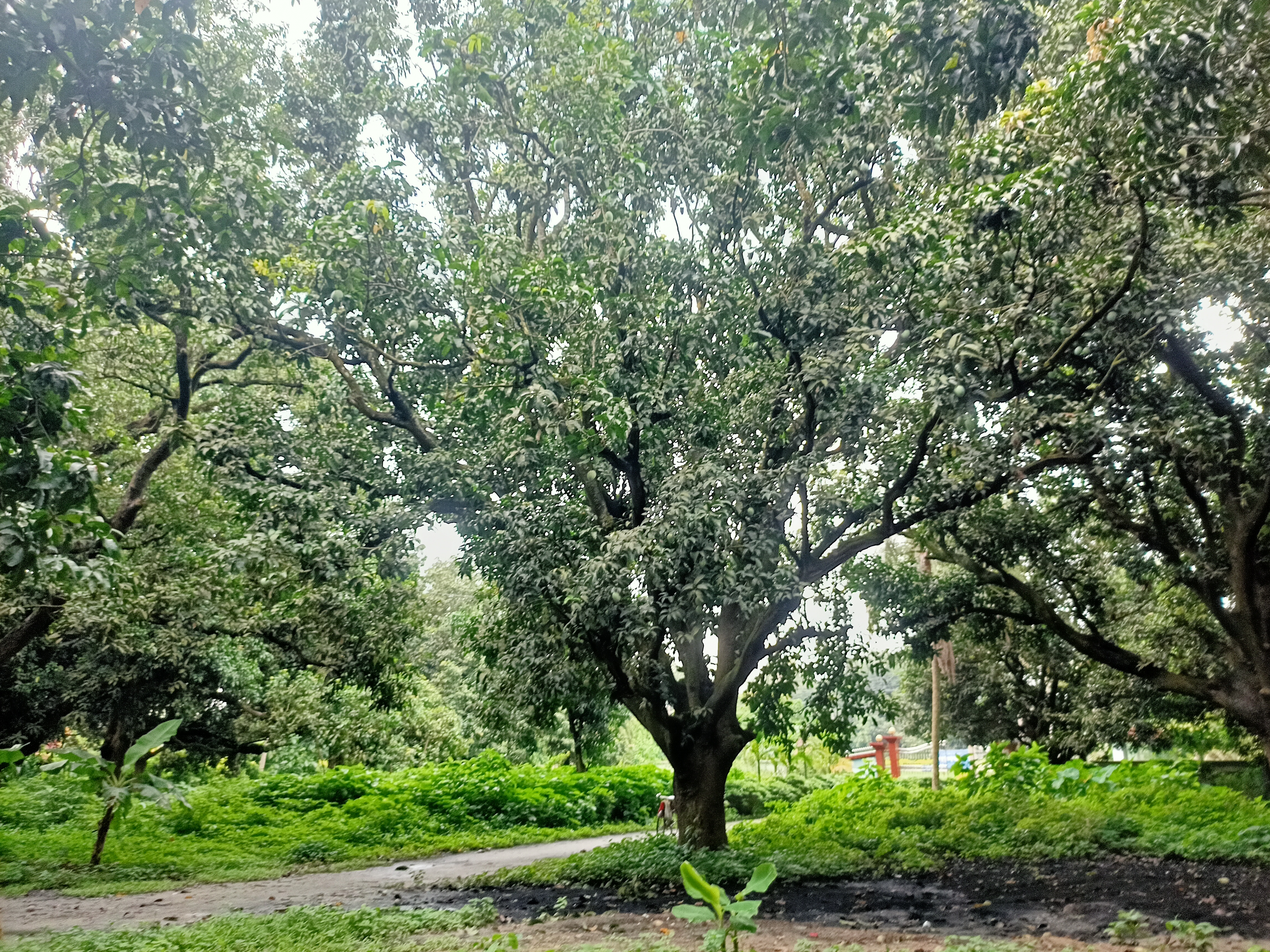
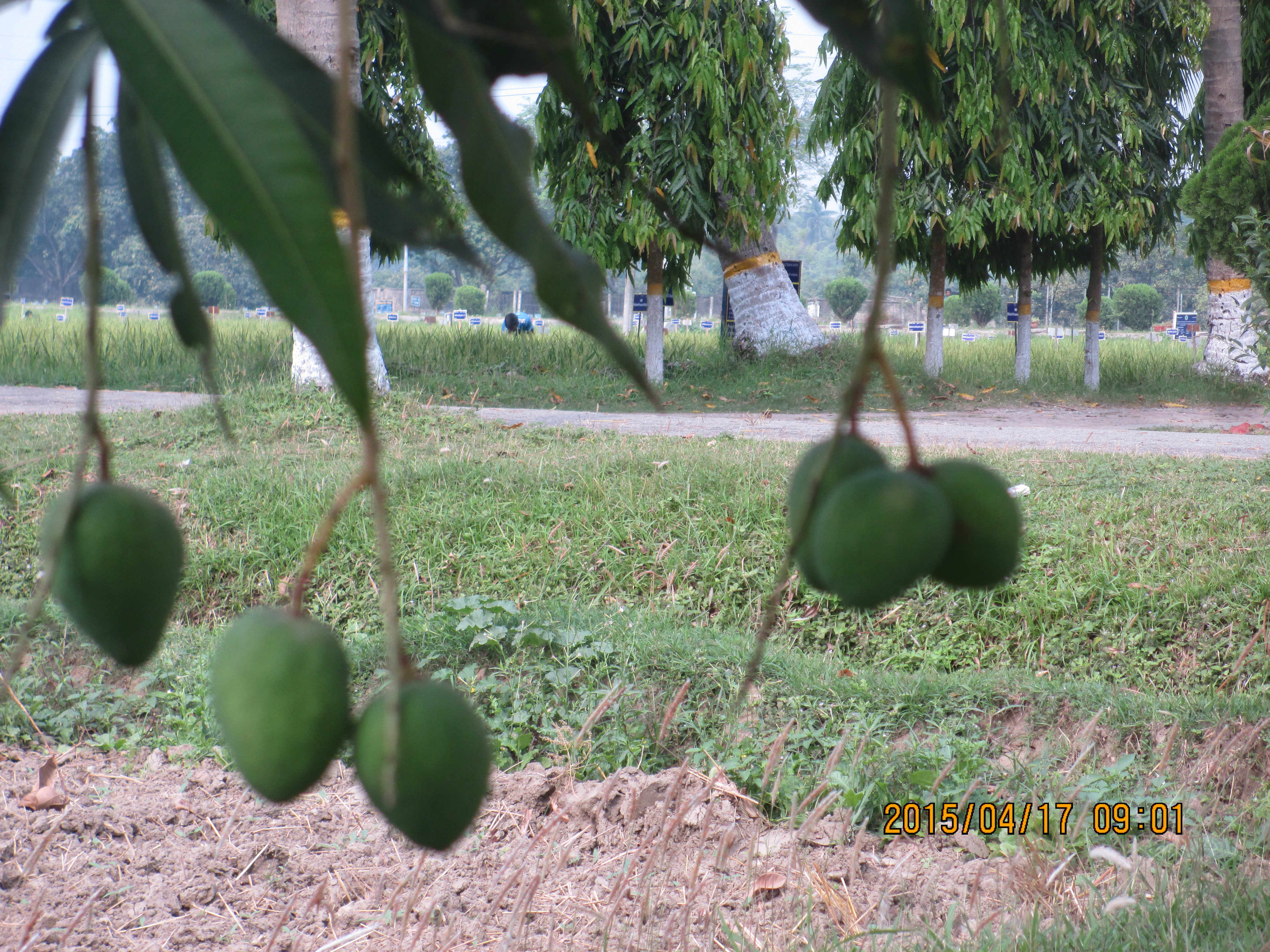
A March 2026 article in Krishi Kotha, the magazine of the government's Agriculture Information Service (AIS), explains that although each mango panicle carries many flowers, usually only one or two fruitlets per cluster remain 25 to 50 days after fruit set, so some drop is natural. When March and April are dry, however, the lack of soil moisture makes an abscission layer form quickly on the fruit stalk and more fruitlets fall. Hoppers sucking the young fruit and fruit borers boring into pea-sized fruitlets also cause drop.
The article advises a first irrigation at the base of the tree when the fruitlets reach pea size, then irrigation every 15 days until the monsoon rains begin. On any pesticide or hormone and its dose, growers should ask their upazila agriculture officer.
Harvest schedule and processing plans
Mohammad Nasir Uddin, the DAE deputy director in Rajshahi, told Jagonews24 that a set harvest schedule would be issued so that immature mangoes were not picked early, and that the department was also working to ensure farmers got a fair price. He said initiatives had been taken on other ways of preserving mangoes, such as making aamsotto (mango leather), chips, jam and jelly.
Dr Azizur Rahman, additional director of the DAE's Rajshahi region, said farmers were being trained to preserve and process mangoes themselves, so that they could still earn in other ways if market prices fell.
Photo: Tanvir Rahat / Wikimedia Commons (CC BY-SA 4.0)
Sources: Jagonews24, Risingbd, Prothom Alo, Agriculture Information Service (Krishi Kotha)
Comments
(0)