
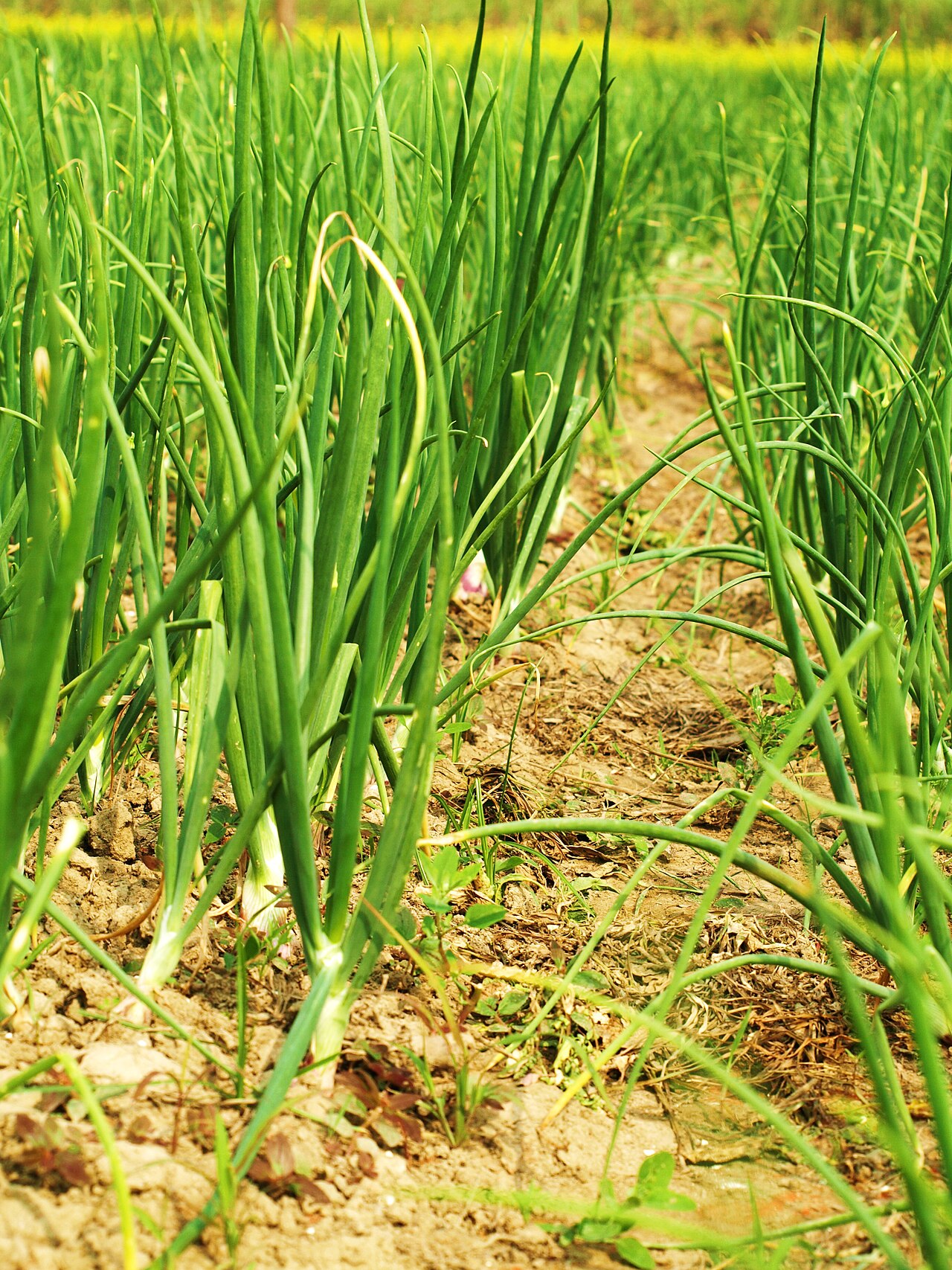
To cut reliance on imports, the agriculture department is pushing to expand onion growing in Rajbari, the country's third-largest onion district. The target across Rajbari Sadar, Goalanda, Pangsha, Kalukhali and Baliakandi upazilas is 40,932 hectares, the same area as last year, and free seed, fertiliser and incentives are being offered to farmers.
Of the target, hali onions account for 34,778 hectares, murikata (sets-grown) onions for 6,013 hectares and kadam onions for 141 hectares. Murikata onions have already been planted on 1,933 hectares: 911 in Goalanda, 750 in Kalukhali, 150 in Baliakandi, 80 in Pangsha and 42 in Sadar. Goalanda and Kalukhali lead in early onions; hali planting begins in February-March.
Habil Mondol, a farmer at Ujanchar in Goalanda, told BSS that onions are the area's main cash crop and many households live on them, but seed, fertiliser, pesticide and wages keep getting dearer. With inputs on time, government support and fair prices, farmers would plant more, he said.
Golam Mostafa of Nayansukh village, Barat union, Rajbari Sadar, said a good yield needs timely land preparation, good seed and proper care, but farmers lose out when market prices do not cover costs. He wants inputs on easy terms and storage for onions.
Agricultural marketing officer Naim Ahmed said falling output, storage or transport problems or supply shortfalls can push onion prices up, so early murikata planting must be matched by timely hali planting. Md Enamul Haque, deputy director of the Department of Agricultural Extension in Rajbari, said field work has been stepped up and the free seed, fertiliser and incentives should speed up production once delivered.
Reported by BSS from Rajbari.
Photo: Onion production in Bangladesh, Shmunmun / Wikimedia Commons (CC BY-SA 3.0)
Source: BSS

Comments
(0)