

The government was preparing a Tk 42 crore 64 lakh 49 thousand project to curb rabies through the mass vaccination of stray dogs in the Dhaka City Corporation area, and in January 2026 the Planning Commission questioned how the money was to be spent, Jagonews24 reported on 29 January 2026. The Department of Livestock Services (DLS) had spread the cost of the three-year project across 37 budget heads. Of the total, Tk 15 crore 74 lakh was to go to consultants, and the commission objected to that sum, according to the report by the paper's senior reporter Mofizul Sadik.
A proposal before the Project Evaluation Committee
The project, titled "Preventing the spread of rabies through stray dogs", was sent by the DLS to the forest, fisheries and livestock wing of the Planning Commission's Agriculture, Water Resources and Rural Institutions Division. The report described the consultancy spending sought in the proposal as "unreasonable". A meeting of the Project Evaluation Committee (PEC) was held on the proposal, and the consultancy costs were questioned there.
According to the report, the commission proposed that the unnecessary consultancy costs be brought down to a reasonable level. It could not find a justification for many of the costs under the 37 heads. Among them, Tk 28 lakh had been set for the foreign training of four people, and Tk 15 crore 46 lakh for hiring a consulting firm. The project was to be carried out over three years in the Dhaka City Corporation area.
The proposal set out three aims. The first was to protect animal health and public health by preventing rabies through the mass vaccination of stray dogs. The second was to control the stray dog population and improve the dogs' health through sterilisation. The third was to build a sense of humane treatment of animals among the public and to raise awareness of rabies and how to prevent it.
The planned activities, as the report listed them, were domestic training for 10 people, foreign training for four, seminars and workshops, the purchase of animal vaccines and medicines, preventive (MDG) activities, stray dog control, the purchase of food for neutered dogs, the hiring of a consulting firm and training on treatment. Three laptops, a projector, six air coolers and furniture were also to be bought under the project.
The budget, head by head
The report set out the costs proposed under the project's heads. Two officers, essentially the project director and the deputy project director, were budgeted a basic salary of Tk 35 lakh 67 thousand. For the same two officers the proposal set:
- house rent, Tk 17 lakh 83 thousand;
- medical allowance, Tk 1 lakh 8 thousand;
- education allowance, Tk 72 thousand;
- festival allowance, Tk 5 lakh 94 thousand;
- rest and recreation allowance, Tk 1 lakh 98 thousand;
- mobile phone allowance, Tk 36 thousand;
- Bengali New Year allowance, Tk 69 thousand;
- special benefit allowance, Tk 3 lakh 57 thousand.
A residential telephone encashment allowance of Tk 1 lakh 16 thousand was also included. About Tk 2 crore was set for 20 outsourced staff. The proposal sought Tk 1 lakh 16 thousand for the domestic training of 10 people, Tk 72 thousand for internet bills, Tk 6 lakh for tender advertisements, Tk 20 lakh for video documentaries and Tk 3 crore 25 lakh for honoraria.
Seminars and workshops were budgeted at Tk 19 lakh 47 thousand, other honoraria at Tk 12 lakh, other stationery at Tk 6 lakh and car hire at Tk 49 lakh 50 thousand. Animal vaccines and medicines were set at Tk 2 crore 74 lakh, food for neutered dogs at Tk 1 crore 30 lakh, an awareness campaign at Tk 74 lakh, and a 2 percent engineering consultancy fee at Tk 19 lakh 73 thousand.
For the office and equipment, the proposal set Tk 5 lakh for renovating the project office, Tk 3 lakh 60 thousand for three desktop computers, Tk 70 thousand for a multimedia projector screen and other accessories, Tk 1 lakh 20 thousand for a laptop, Tk 3 lakh 50 thousand for a photocopier, Tk 11 lakh 53 thousand for furniture, Tk 1 lakh for an IPS (an uninterruptible power supply) and Tk 9 lakh 60 thousand for six air coolers.
The largest physical items were for veterinary services: Tk 1 crore 60 lakh for a mobile pet clinic, Tk 2 crore 40 lakh for surgical and medical equipment for what the budget list called the CDH pet clinic, and, under the upgrading of static clinics, "Tk 9 crore 86 thousand", as the report gives the figure, for building the CDH pet clinic.
What the commission questioned
The report said the commission raised questions on several further points. The proposal provided for one training course on neutering and treating stray dogs, with 10 trainees per course, and for three seminars with 100 participants at each workshop. But it did not say who would attend as trainees or participants.
The commission also questioned the justification for Tk 3 crore 25 lakh set aside as honoraria for the veterinary surgeons who would neuter dogs. Under the proposal, four veterinary surgeons were already to work on the project as an additional duty, and three more were to serve as consultants through the consulting firm.
Tk 2 crore 40 lakh had been set aside to buy surgical and medical equipment for the pet clinic of the Central Veterinary Hospital (CVH), but, according to the commission's observations as reported, the development project proposal (DPP) gave no specifications for the equipment and no information on any check of market prices.
How the officials answered
Asked why the consultancy cost was so high, Dr Md Habibur Rahman, head of the DLS planning and evaluation cell, told Jagonews24: "This work needs experts. The project cannot be implemented without experts. That is why the consultancy cost has been set at Tk 15 crore."
On the many heads of spending for the two officers, he said: "The total salary of two officers does not come as one amount. Salary includes various benefits: house rent, special benefits, recreation allowance and so on. The cost has been set by putting all of them together."
Dr Anjan Kumar Deb Roy, additional secretary and head of the forest, fisheries and livestock wing of the Agriculture, Water Resources and Rural Institutions Division, said of the Tk 15 crore consultancy cost: "It cannot really be called consultancy. It could be called operational services. The cost is for vaccinating stray dogs and providing various services."
On the claim of unnecessary spending under the 37 heads, he said: "It was considered after holding all the meetings. Unreasonable outside costs have been dropped."
Rabies: preventable, but fatal once symptoms appear
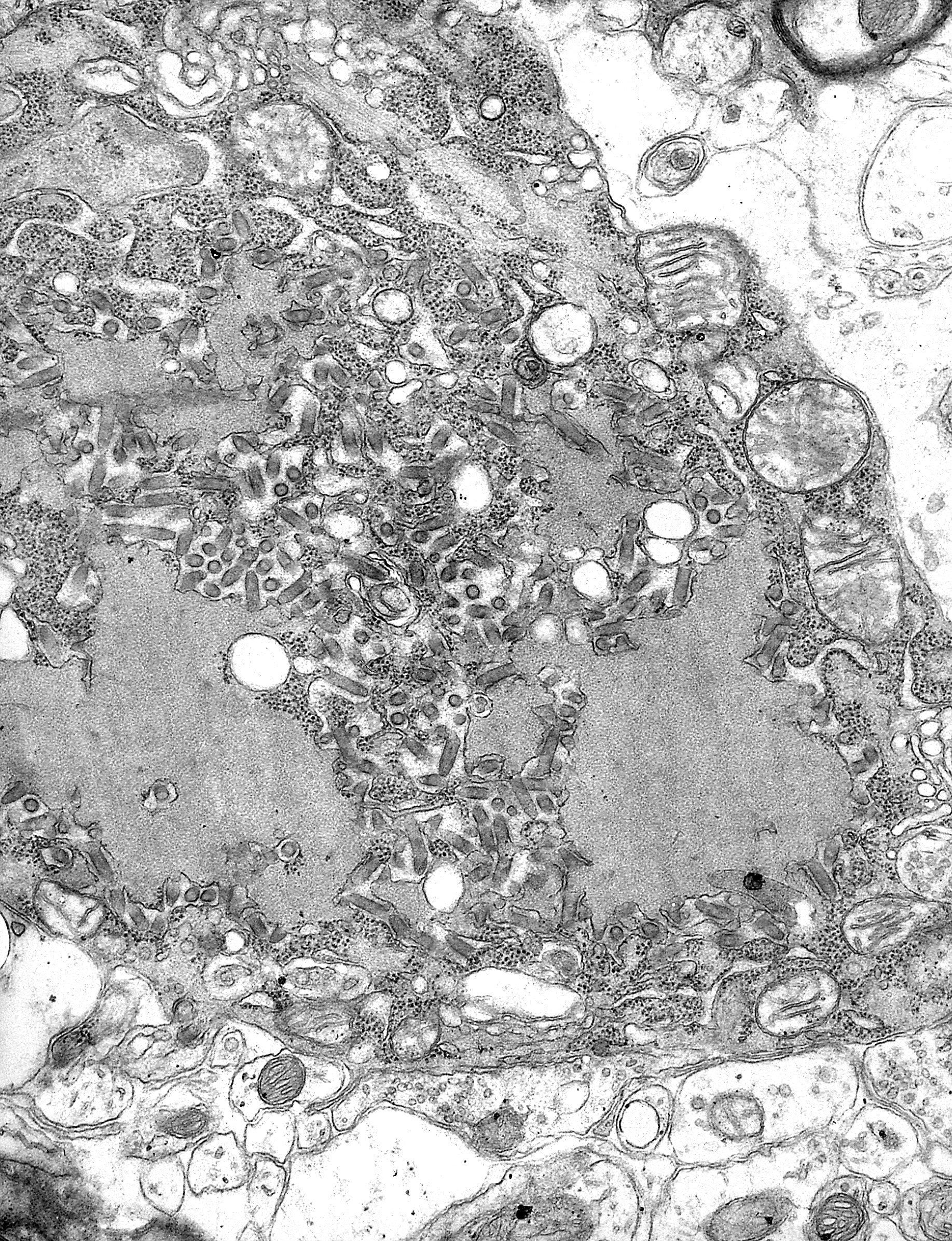
Rabies is a viral disease of the central nervous system that passes from animals to people. In its fact sheet of June 2024, the World Health Organization (WHO) said rabies is present in more than 150 countries and territories, mainly in Asia and Africa, and is estimated to kill about 59,000 people a year, although reported numbers often differ because of underreporting. About 40 percent of the deaths are of children under 15. The Jagonews24 report put the yearly toll at about 55,000; this article uses the WHO estimate.
Dogs are responsible for up to 99 percent of human rabies cases, according to WHO. The virus spreads through saliva, usually by a bite or a scratch, or by contact with the eyes, mouth or an open wound. It also infects other mammals, including cats, livestock and wildlife. The incubation period is typically two to three months but can range from one week to one year.
Once the virus reaches the central nervous system and symptoms appear, rabies is fatal in virtually all cases. WHO describes two forms. Furious rabies brings hyperactivity, hallucinations, fear of water and fear of drafts, and death follows within a few days. Paralytic rabies, about 20 percent of human cases, runs a longer course in which the muscles are gradually paralysed, starting from the wound site, and it is often misdiagnosed.
Death can be prevented with prompt post-exposure prophylaxis (PEP). WHO advises that after a bite or scratch from a possibly rabid animal the wound should be washed thoroughly with water and soap for at least 15 minutes, and the person should seek care at once. PEP consists of that wound washing, a course of human rabies vaccine and, when indicated, rabies immunoglobulin. Touching or feeding an animal, or a lick on intact skin, is not counted as an exposure; nibbling of bare skin or minor scratches without bleeding need vaccination; bites or scratches that break the skin need vaccination and immunoglobulin. Anyone bitten or scratched should see a doctor or go to the nearest rabies prevention centre.
Rabies in Bangladesh and the national programme
According to the DLS, as quoted in the report, about 2.5 lakh people in Bangladesh are bitten or scratched by dogs, cats or jackals every year, most of them children. There are no accurate figures for dog or cat bites in livestock, but in 2023, 1,232 head of livestock died of rabies.
The disease control branch of the Directorate General of Health Services (DGHS) runs the national rabies elimination programme as part of the global strategy against rabies. The report said that since 2010 the health ministry, the local government ministry and the fisheries and livestock ministry had worked jointly on the national rabies control and elimination programme, with the aim of making Bangladesh rabies-free by 2022. It said 67 rabies control and elimination centres had been opened across all districts, offering modern care for dog-bite patients and free anti-rabies vaccine. A study published in The Lancet Regional Health Southeast Asia in July 2024, supported by the DGHS Communicable Disease Control (CDC) division, described the network as the National Rabies Prevention and Control Centre at the Infectious Disease Hospital in Dhaka, a secondary referral centre at the Bangladesh Institute of Tropical and Infectious Diseases in Chattogram, and 66 district centres, at least one in each of the 64 districts.
Under the nationwide dog vaccination drive, about five lakh dogs were vaccinated in the 2020-21 fiscal year, in a first round in four districts and a second round in 16 districts, the report said. The 2024 study, which analysed DGHS records from 2011 to 2023, estimated Bangladesh's dog population at 1,668,140, or 12.83 dogs per square kilometre. It found that mass dog vaccination began in the municipality of Cox's Bazar in 2011 and had since reached every one of the 64 districts at least once; 45 districts had completed a second round and eight a third. The largest number of dogs vaccinated in one year was 625,208, in 2019. From 2011 to 2023, 2,730,829 doses of human anti-rabies vaccine were used at the national, Chattogram and district centres. The study said Bangladesh ranked third among rabies-endemic countries in human rabies deaths, about 96 percent of them caused by dogs.
Deaths have fallen since the programme began. A 2020 study of dog-bite victims, published in the journal One Health, said more than 2,000 people died of rabies each year before the programme and that 52 rabies deaths were reported in 2016. A 2020 study in Scientific Reports, covering 1,327 clinically diagnosed rabies deaths recorded at the Infectious Disease Hospital from 2006 to 2018, found that 78 percent of a sample of 422 victims had first gone to traditional healers and only 12 percent had received PEP. In the One Health survey, 71.3 percent of dog-bite victims had been attacked by free-roaming dogs.
Bites remained common. Citing DGHS data, the newspaper Desh Rupantor reported in May 2024 that more than six lakh people across the country took rabies vaccine after dog bites in 2023, up from just under five lakh in 2022, and that 86 people died of rabies in those two years. The Infectious Disease Hospital in Mohakhali treated 94,380 people hurt by dogs, cats and other animals in 2023 and 89,928 in 2022, most of them bitten by dogs.
How mass dog vaccination works
The report said that if 70 percent of the dogs in an area are vaccinated, herd immunity develops among them, and that three rounds over three consecutive years bring transmission from dogs to people or other animals close to zero. The 2024 study gives the same threshold: annual vaccination campaigns that reach more than 70 percent coverage are likely to reduce rabies in dogs sharply, and keeping that coverage for several years makes regional elimination possible. WHO calls the vaccination of dogs, including puppies, the most cost-effective way to protect people, because it stops transmission at its source, and states that culling free-roaming dogs is not effective in controlling rabies.
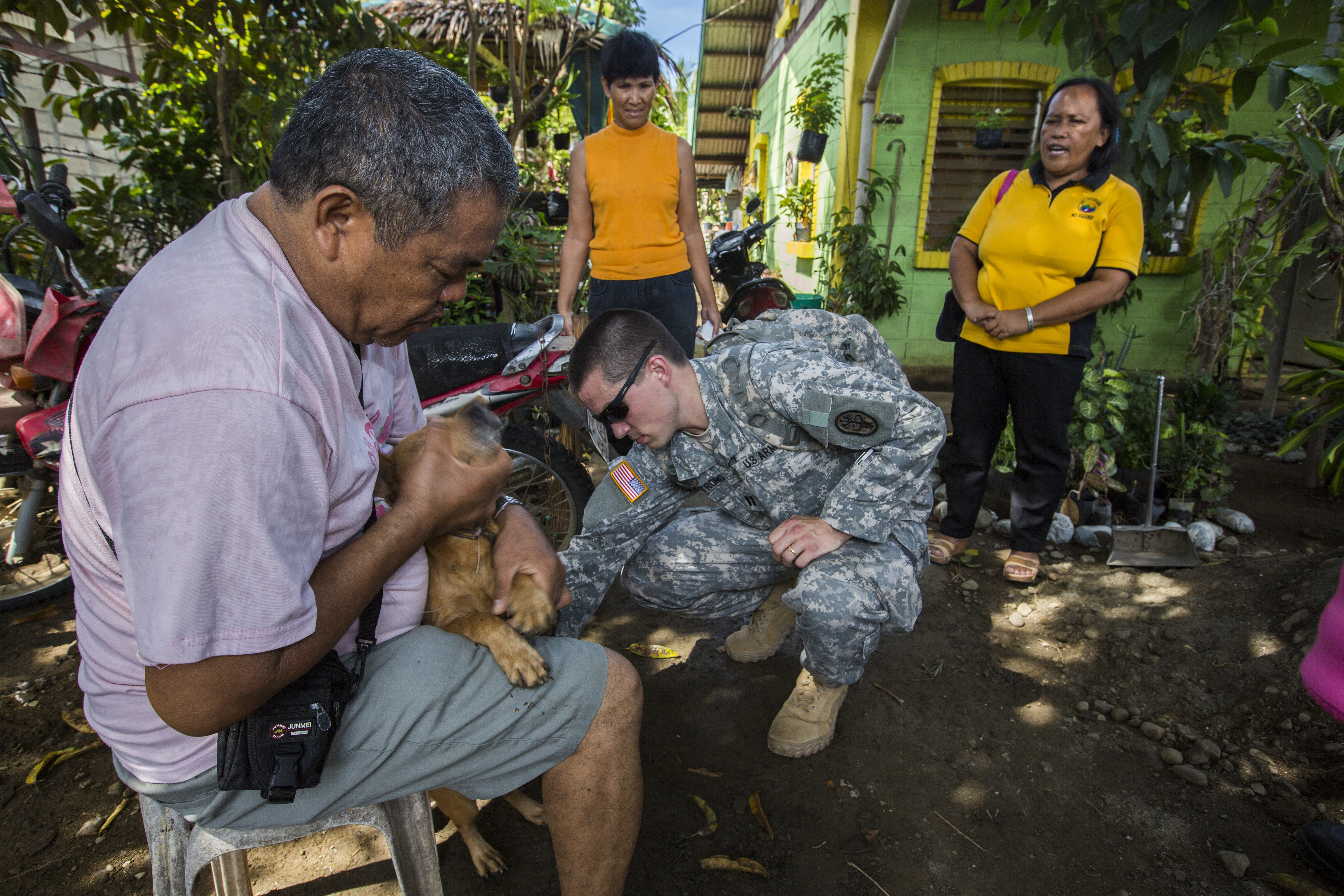
The 2024 study described how the DGHS campaigns were run. Each area was given seven to nine days: one day for advocacy and micro-planning, one for training the animal control staff and four to six days of vaccination. A typical team had six members from different sectors: two expert dog catchers, one local dog catcher, a surveyor from the health sector, a vaccinator from the DLS and a porter from the local government. Dogs were caught, vaccinated with a 1 ml dose and released, and each was marked with a non-toxic dye. A survey afterwards counted marked and unmarked dogs to estimate coverage and the size of the dog population.
Stray dogs in Dhaka and the law
Dhaka has a large stray dog population. Desh Rupantor's May 2024 report, citing the DGHS CDC and animal welfare organisations, put the number of dogs in the country at about 17 lakh, with more than 50,000 in the Dhaka South City Corporation (DSCC) area and 40,000 in the Dhaka North City Corporation (DNCC) area. The same report said the High Court had ordered a stop to the indiscriminate killing of dogs in 2012, calling it inhumane; the government then announced sterilisation to control their numbers, but that stopped after two years. In 2020 the DSCC announced it would move stray dogs out of the city, and the move was halted by a writ petition filed in the High Court on 17 September 2020. On 16 September 2020, a day before that petition, the Dhaka Tribune had reported that DSCC staff were relocating stray dogs from the Dhaka University and Dhanmondi areas, and that the corporation's public relations officer said 100 dogs would be relocated in five days. The DSCC's chief health officer told Desh Rupantor that the corporation had vaccinated 1,300 dogs between 1 July 2023 and 30 April 2024. The report said the DSCC had only three people in place of its three veterinary officers and ten inspectors for its ten zones, and that the DNCC had no veterinary officer or inspector in its ten zones.
The law in force on the date of the report was the Animal Welfare Act 2019 (Act No. 12 of 2019, dated 10 July 2019), which replaced the Cruelty to Animals Act 1920. Section 7 says that no ownerless animal may be killed or removed except for a reason stated in the Act, and that killing an ownerless animal is an offence. Under section 16, that offence carries up to six months' simple imprisonment, a fine of up to Tk 10,000, or both. The Act defines an ownerless animal as one with no owner or claimant, or whose owner or keeper cannot be found after reasonable inquiry.
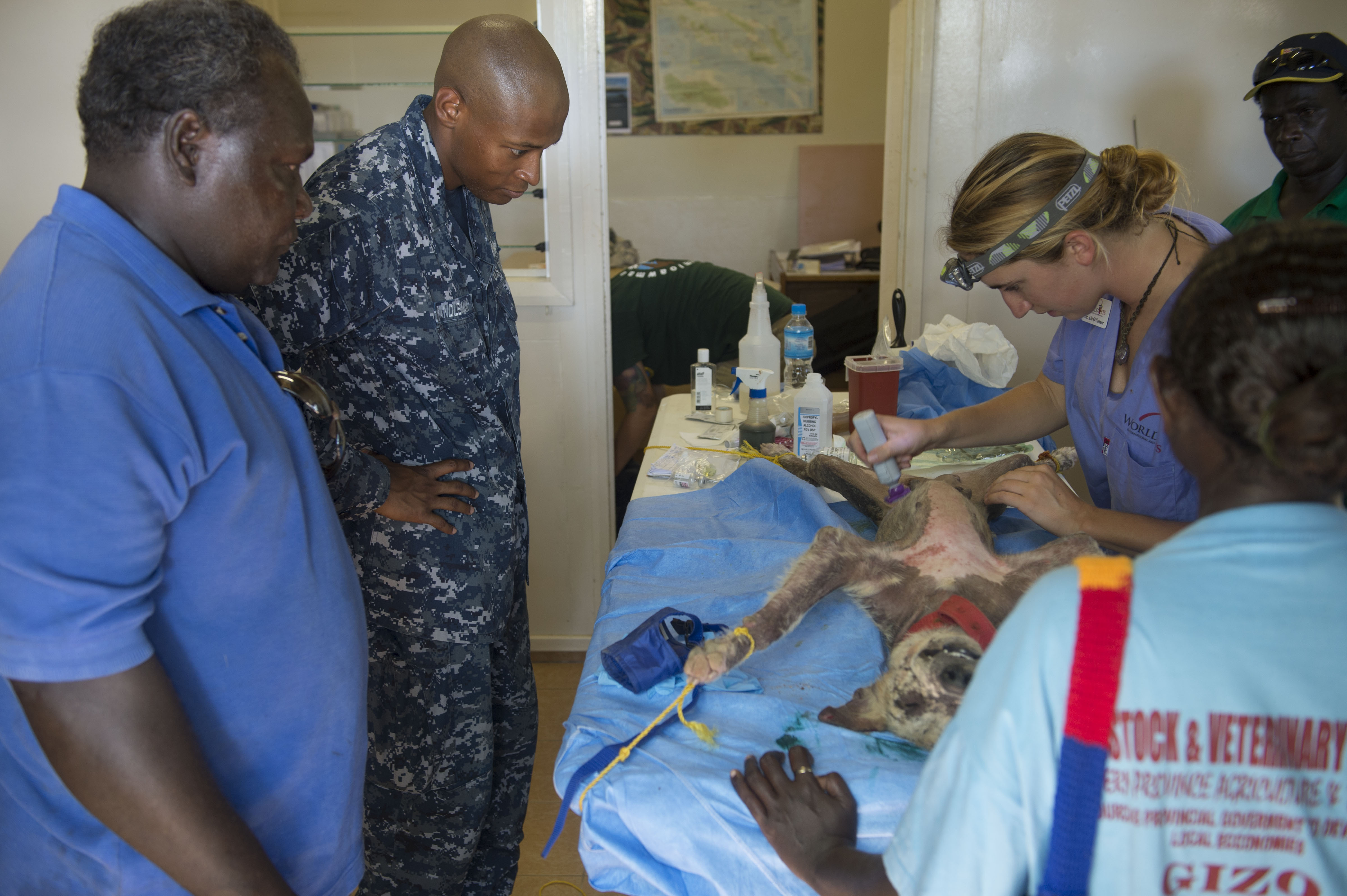
The Act also counts an animal infected with rabies as an incurably sick animal. Section 14 lets the authority, defined as the Director General of the DLS or a DLS veterinary surgeon authorised by him, take steps for an animal in a critical state and, with the permission of the district magistrate, give an incurably sick animal a painless death where keeping it alive would be cruel. City corporations are among the local authorities named in the Act.
The bodies behind the project
The DLS, which proposed the project, is the government department responsible for veterinary services and for the development and extension of livestock and poultry farming. Banglapedia traces its work to the Civil Veterinary Department set up in 1893, and its head office is at Prani Sampad Bhaban on Krishi Khamar Sarak in Farmgate, Dhaka. The report said the DLS proposed the Dhaka project in coordination with the DGHS disease control branch, to speed up mass dog vaccination towards a rabies-free Bangladesh by 2030, and that the DGHS CDC zoonotic disease control section works to prevent rabies through vaccination.
The Planning Commission, established in January 1972, is the country's central planning body. Among its tasks is the appraisal of development projects, and it submits plans, programmes and projects to the National Economic Council or its executive committee (ECNEC) for formal approval. Its Agriculture, Water Resources and Rural Institutions Division is one of four sectoral divisions, and the divisions are subdivided into wings, such as the forest, fisheries and livestock wing that examined this proposal.
WHO and its partners, the Food and Agriculture Organization of the United Nations, the World Organisation for Animal Health and the Global Alliance for Rabies Control, have set the goal of ending human deaths from dog-mediated rabies by 2030, known as "Zero by 30", in line with the Sustainable Development Goals. The 2024 study projected that Bangladesh could reach zero human rabies cases by 2030 if the downward trend it found continued. The report said the public awareness programme had been widely publicised, but that eliminating the disease required making dogs safe from rabies.
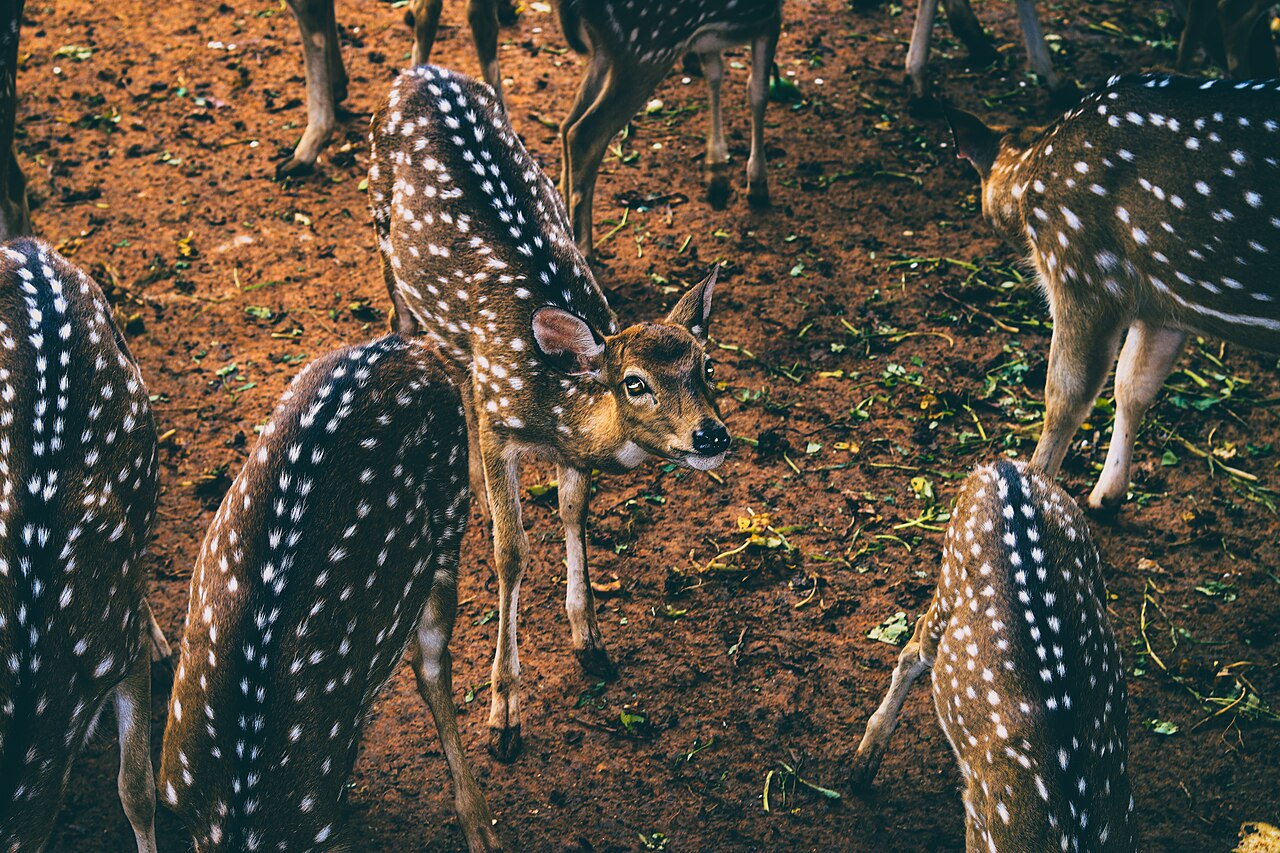
Photo: nasir khan / Wikimedia Commons (CC BY-SA 2.0)
Sources: Jagonews24, World Health Organization (rabies fact sheet, 5 June 2024), The Lancet Regional Health Southeast Asia (2024), Scientific Reports (2020), One Health (2020), Desh Rupantor (24 May 2024), Dhaka Tribune (16 September 2020), Animal Welfare Act 2019 (bdlaws), Banglapedia

Comments
(0)