
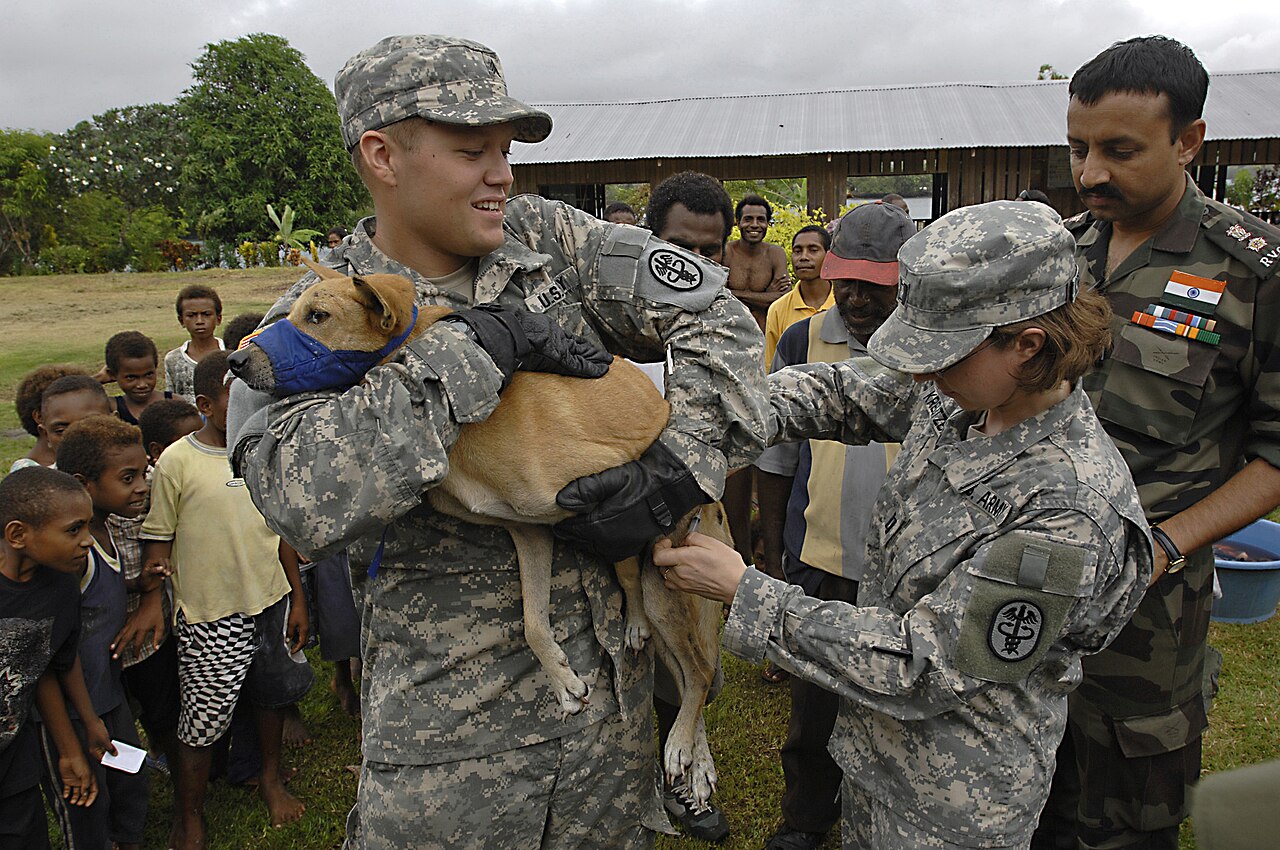
Rabies is almost always fatal once symptoms appear, yet it can be prevented with timely action. In an article for Desh Rupantor, Professor Md Ahsanul Haque (Rokon), director of the One Health Institute at Chattogram Veterinary and Animal Sciences University (CVASU), sets out the occupational risk to veterinary and human health workers and how to protect them.
Citing the World Health Organization, he writes that an estimated 59,000 people die of rabies every year, most of them in Asia and Africa, and about 99 per cent of human infections come from dogs. WHO monitoring recorded 56 human rabies deaths in Bangladesh in 2024, though the true number may be higher.
Veterinarians and animal health workers, he says, can be bitten, scratched or exposed to saliva while restraining sick or abnormally behaving animals, examining the mouth and nerves, or cleaning wounds. Human-to-human transmission is extremely rare, but if a patient's saliva reaches a health worker's broken skin or the membranes of the eyes, nose or mouth, it should be assessed as a possible occupational exposure.
His advice: consider pre-exposure vaccination for those at regular risk, such as some laboratory staff, animal disease control workers and people handling high-risk animals; use protective equipment suited to the task and restrain animals safely; and after a bite or scratch, wash the wound with soap and plenty of water for at least 15 minutes without delay, then see a doctor quickly for vaccine and, where needed, immunoglobulin.
Treating people alone cannot eliminate rabies, the writer argues; at least 70 per cent of dogs need to be vaccinated consistently. He calls for a joined-up One Health effort linking dog vaccination, animal disease detection, prompt reporting of bites, post-exposure treatment and public awareness across veterinary services, public health and local government.
The views are the writer's own.
Photo: Bryan M. Ilyankoff, U.S. Navy / Wikimedia Commons (public domain)
Source: Desh Rupantor

Comments
(0)