
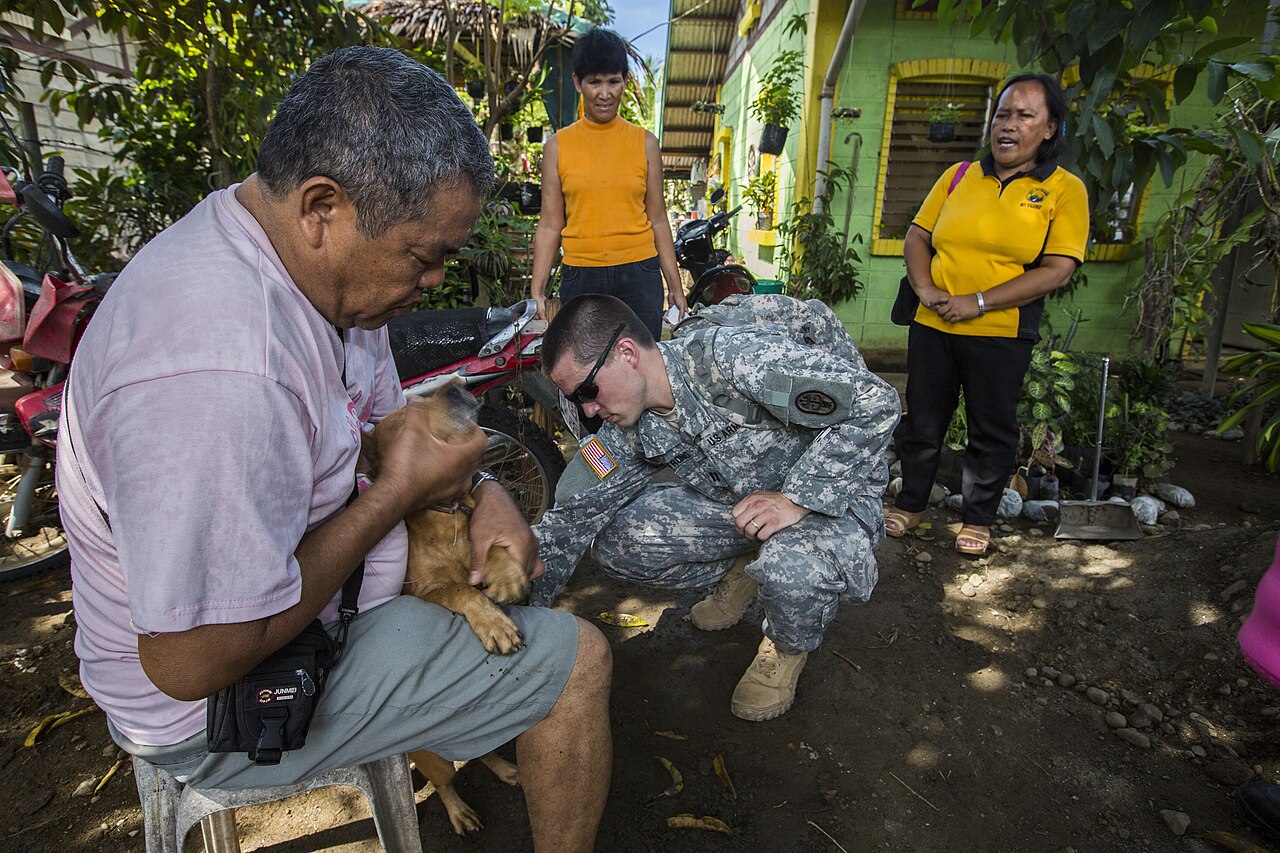
Rabies is preventable, but farmers and farmworkers need to know how it spreads and what to do with a suspect animal, veterinary pathologist Dr Didi Claassen told Food for Mzansi's Patricia Tembo for World Rabies Day on 28 September.
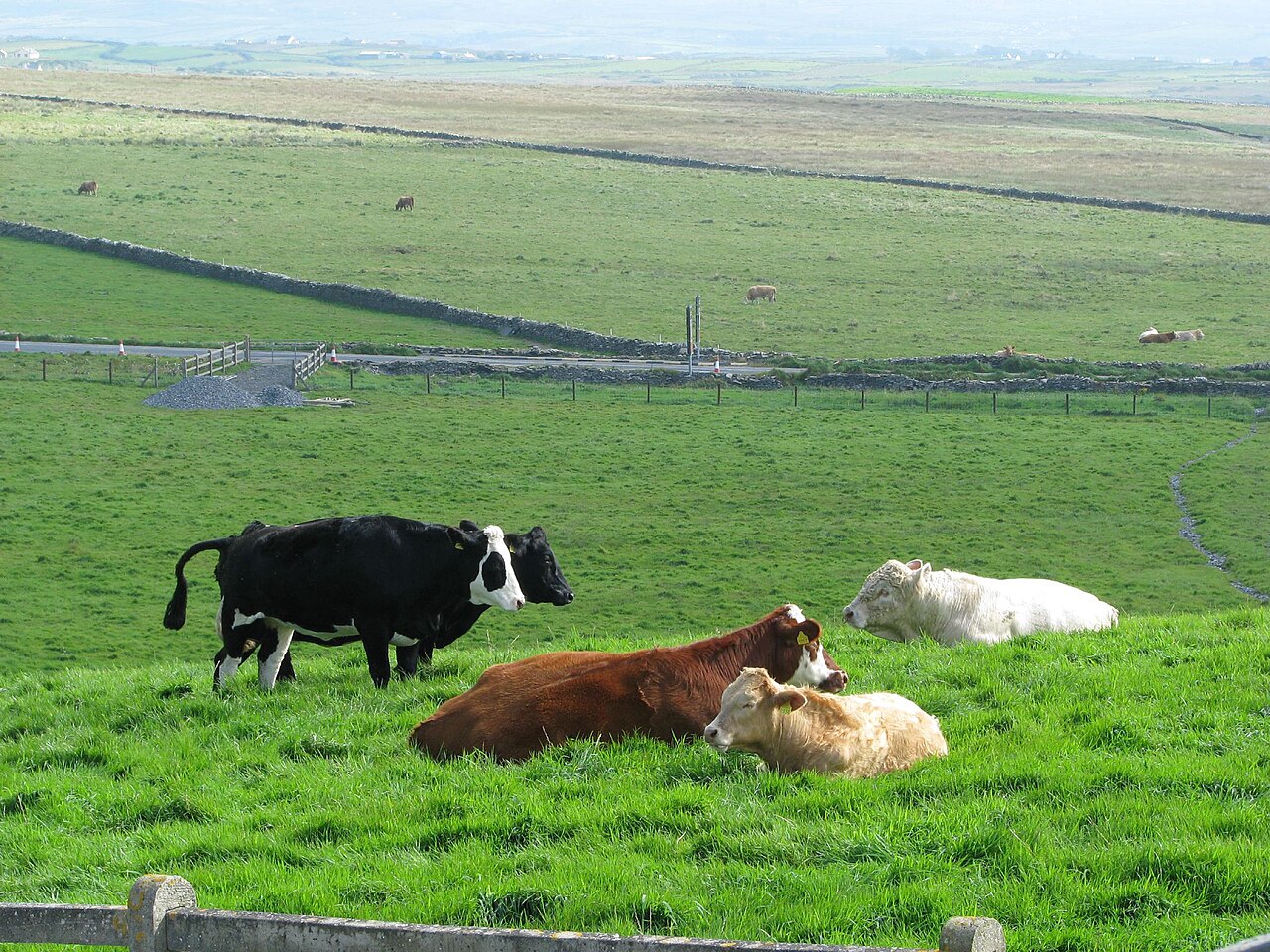
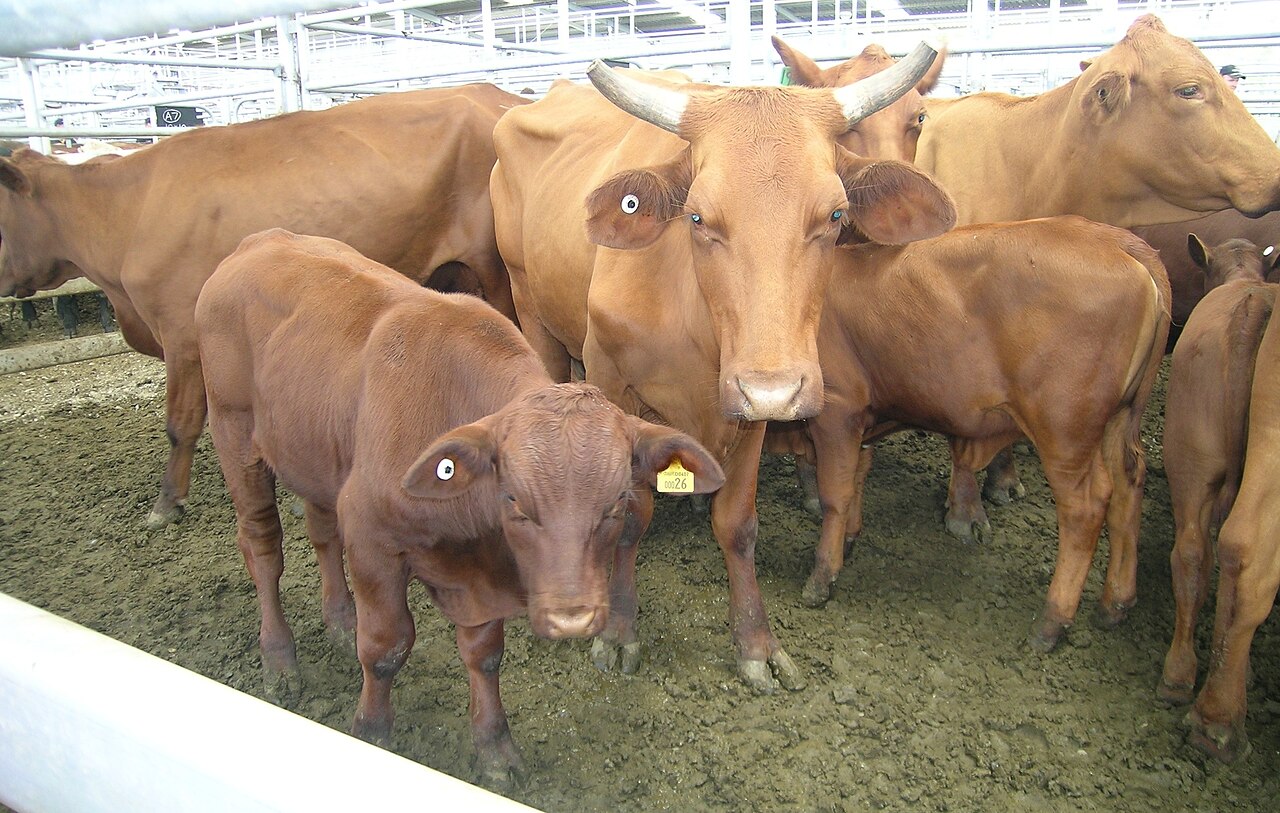
Claassen, who represents the South African Veterinary Association (SAVA), explained that rabies is a viral disease of mammals, passed on when infected saliva enters a person or animal through a bite, a scratch or a mucous membrane. The domestic dog is the most important source of human infection, and in South Africa dogs and cats should stay the main focus. On farms, however, wildlife such as jackals and mongooses can bite and infect cattle, sheep, goats, horses, dogs and cats.
Her advice for a suspected rabid animal is to keep watch from a distance and notify the state vet and the police or a welfare organisation, because the animal's behaviour can be unpredictable and professionals should handle it. Anyone dealing with one that has been killed should wear gloves, overalls, an apron, a mask and a visor or goggles, triple-bag everything and wash and disinfect properly afterwards.
Vaccination of dogs and cats against rabies is required by law in South Africa and is the best protection for people and animals, she said. In high-risk areas where rabid cattle are commonly reported after encounters with wildlife, such as North West province, farmers can get rabies vaccine from their vet and add it to the herd's vaccination programme.
Claassen stressed a One Health approach: pet owners bring animals for vaccination, livestock owners find out whether they farm in a high-risk area, vets vaccinate and investigate suspect cases to decide whether exposed people need treatment, and medical staff assess wounds and give post-exposure treatment.
"If everyone plays their part, we will be able to eradicate human deaths due to canine rabies by 2030," she said.
Photo: Lance Cpl. Wesley Timm, U.S. Marine Corps / Wikimedia Commons (public domain)
Source: Food for Mzansi

Comments
(0)