
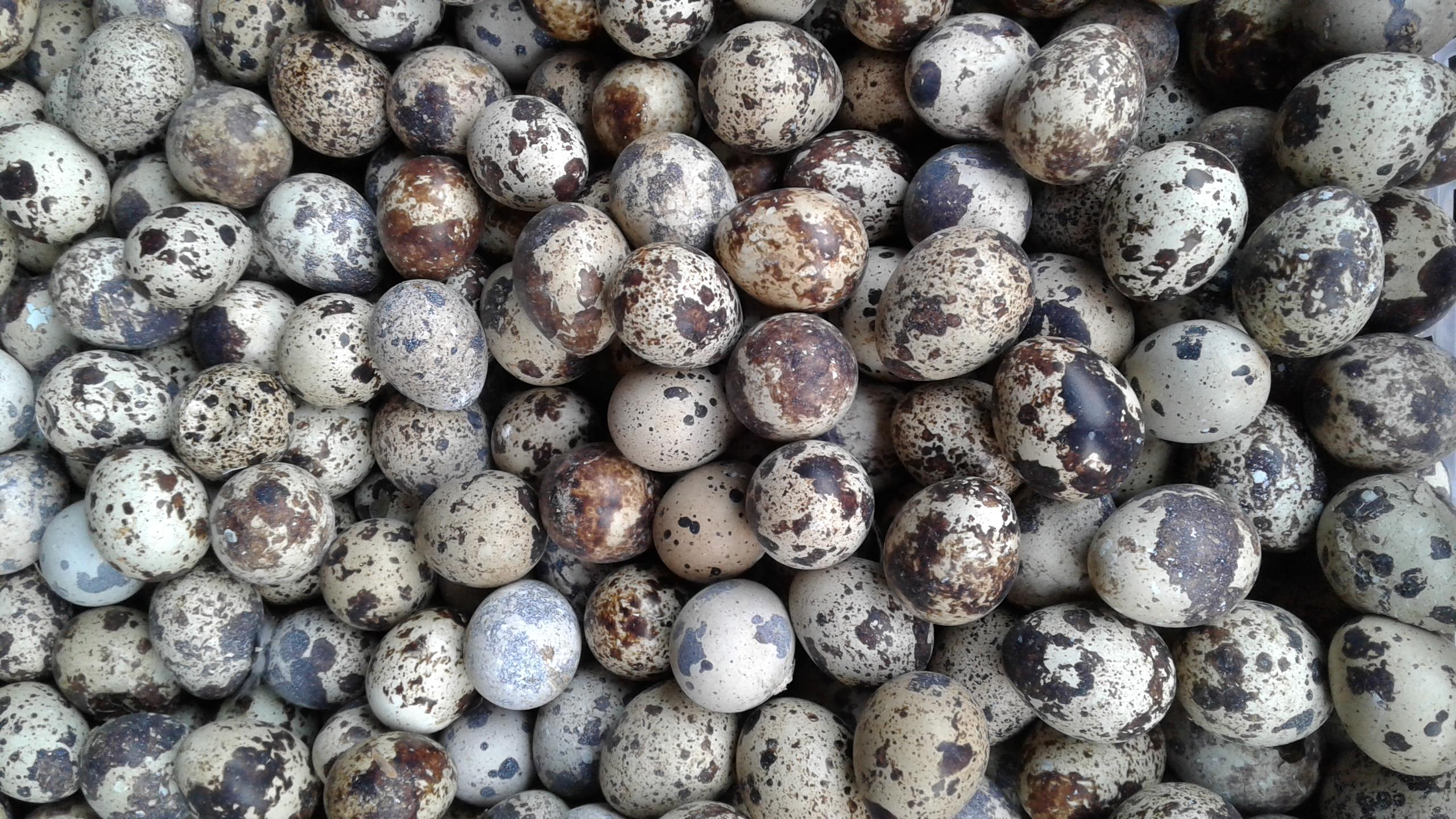
Md Sakikul Islam Nadim, a fourth-year student in the Faculty of Veterinary and Animal Sciences at Gono Bishwabidyalay (Gono University) in Savar, turned the long closure of his campus during the coronavirus pandemic into a business. At his family home in Shibpur upazila of Narsingdi district he started a quail farm on 3 August 2020, and on Friday, 29 January 2021, he told Jago News that the farm was bringing him about Tk 20,000 a month after all costs.
Educational institutions across Bangladesh had been closed since March 2020, and students were spending long months at home. Nadim, as Jago News reported, used that time to build a shed, bring in thousands of day-old quail chicks and run a laying flock. By late January 2021 the farm held more than 3,000 laying females and produced, by his account, about 2,250 eggs a day.
How the farm started
Nadim's interest in quail went back to his school days. While at school he saw quail being reared at a relative's house in Sylhet, and from then on he kept gathering information about the birds. Lack of sufficient knowledge and time, he told Jago News, kept him from starting a farm of his own for years.
The opportunity came when his campus closed in March 2020. Even then he did not start at once: with the pandemic under way he was unsure what demand for eggs would be, and he held back. When infections eased somewhat, he built a shed at his own home and brought in more than 7,000 day-old chicks. The chicks cost him about Tk 50,000, and building the shed and buying the equipment for rearing quail cost a further Tk 70,000.
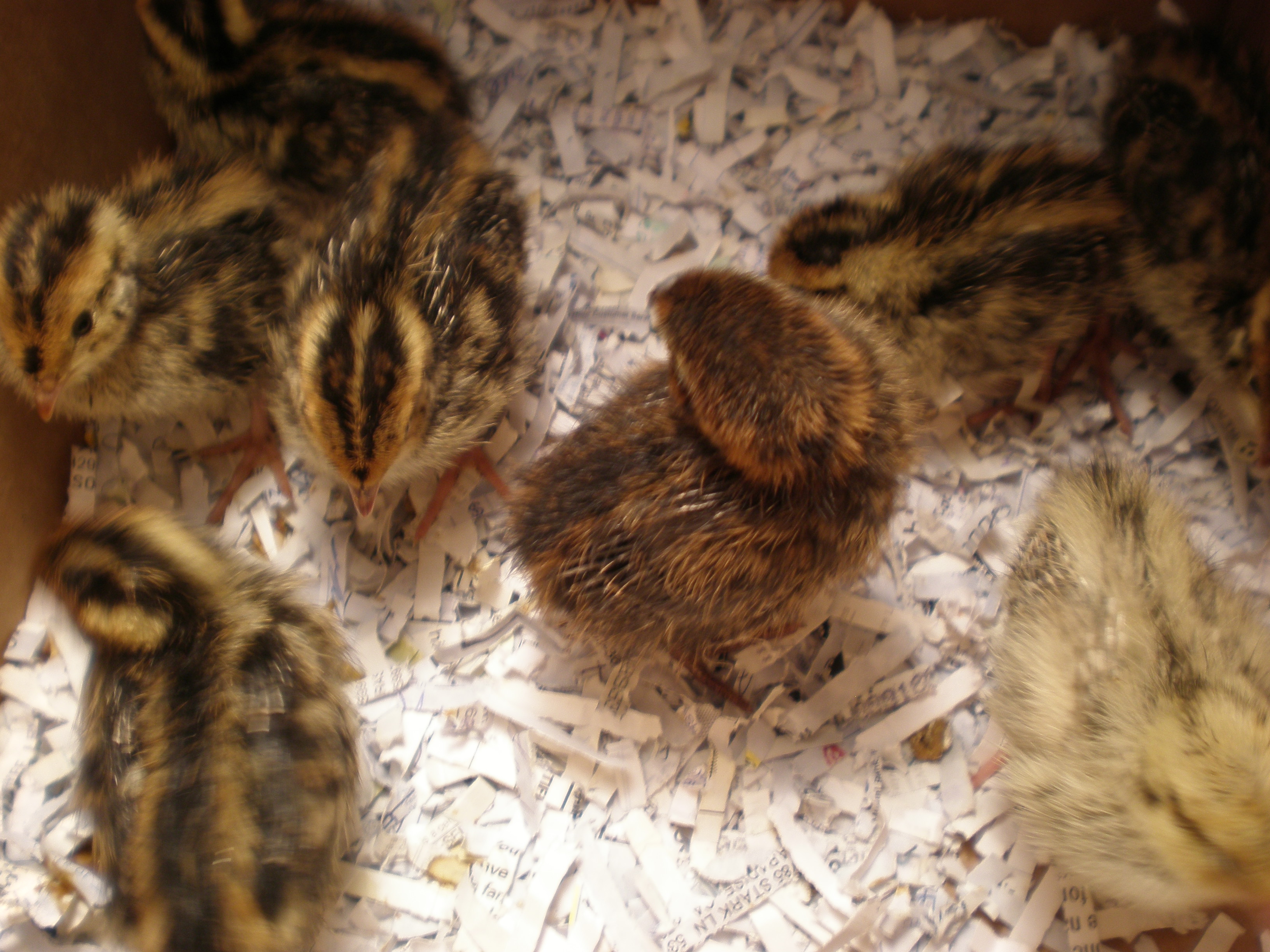
According to the report, the birds began to lay once they were past one month old. In the meantime he sold about 3,500 male quail at 30 days of age, which brought him about Tk 60,000. Selling the males at that age matched what researchers had found on other farms: a survey of quail farms in 14 districts of Bangladesh, published in the journal Veterinary World in 2016, found that meat or broiler quail were usually marketed at an average age of 30 days.
Eggs bring the profit, but prices fell in the pandemic
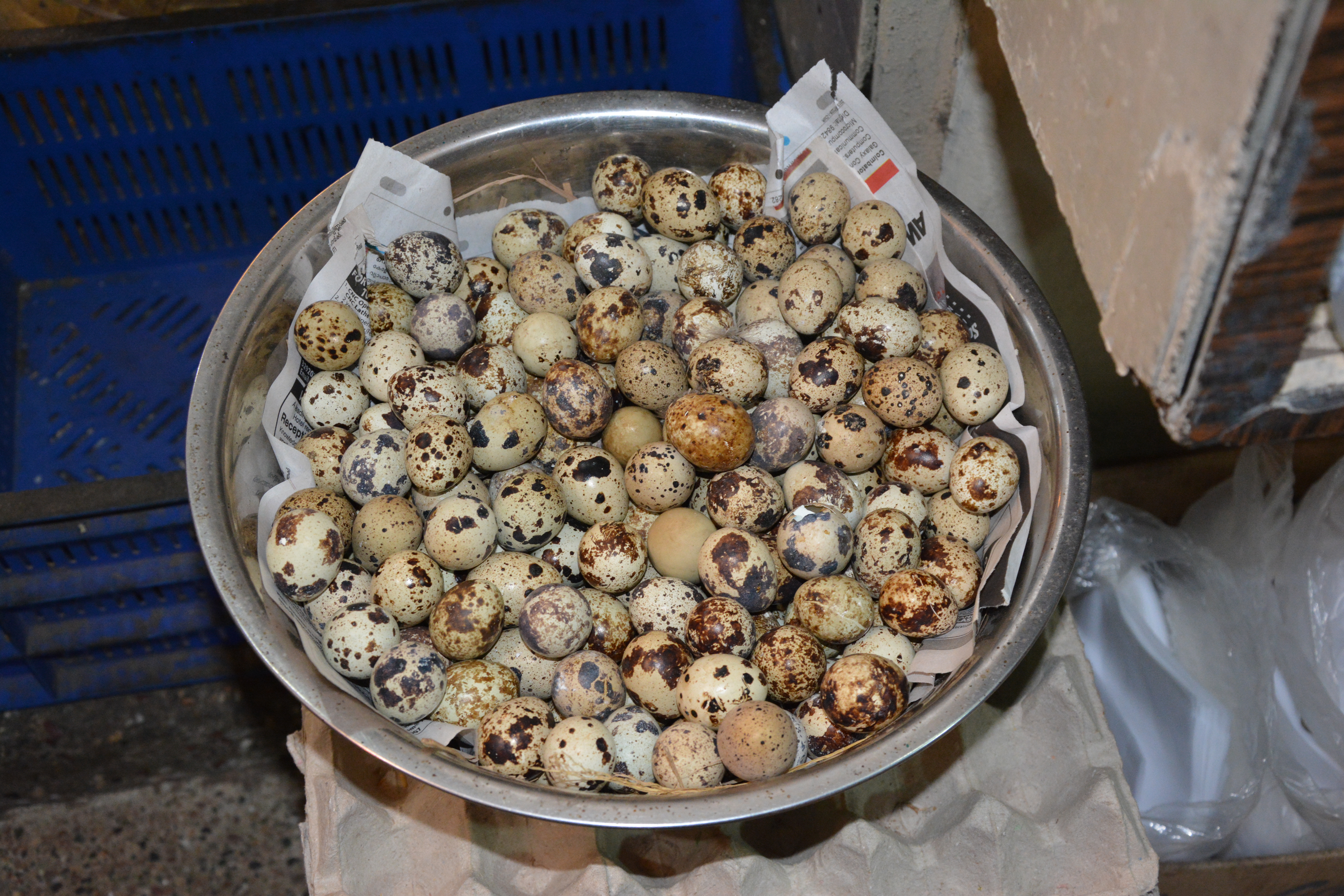
In quail farming the profit comes mainly from eggs, Jago News noted. At the time of the report Nadim had more than 3,000 female quail, which laid about 2,250 eggs a day on average. He was selling the eggs at an average of Tk 150 per hundred. Because his university was holding classes online, he hired a worker to help on the farm. After all expenses, he said, the farm earned him Tk 20,000 a month on average.
The report credited the farm's management to his own veterinary training and to the advice of his teachers, and said that chick mortality on his farm was very low compared with other farms. The pandemic, however, had brought him a range of problems, and the biggest of them was the egg price.
"Egg production is as expected, but the price is quite low," Nadim told Jago News. "Demand for eggs has fallen because schools and colleges are closed. At other times 100 eggs sold for up to Tk 170 to 190, but now they sell for only Tk 150 on average. If the market were good, I would earn Tk 10,000 more a month."
His experience matched what researchers had earlier found about the economics of quail eggs in Bangladesh. The 2016 Veterinary World survey, carried out between July 2011 and June 2012 by researchers at Bangabandhu Sheikh Mujibur Rahman Agricultural University in Gazipur, reported that about half of the layer farms it studied made a net profit of Tk 0.75 per egg, about 35 per cent made Tk 1.00 and about 15 per cent only Tk 0.25 to 0.50. Across the layer farms the minimum net profit was Tk 0.10 per egg, the maximum Tk 1.00 and the average Tk 0.69. With margins of that size, a fall in the selling price of the kind Nadim described has a direct effect on what a farm earns.
A veterinary student at Gono Bishwabidyalay
Gono Bishwabidyalay is a not-for-profit private university at Nolam, Mirzanagar, in the Ashulia area of Savar, on the outskirts of Dhaka. According to the university's own account of its background, it was established on 14 July 1998 by the Gonoshasthaya Kendra (People's Health Centre) Public Charitable Trust, an organisation that came into being during the Liberation War of 1971. The university says it is accredited by the University Grants Commission and approved by the Ministry of Education, that its programmes are semester based, and that its fees are much lower than those of most other private universities in the country.
Gonoshasthaya Kendra, the trust behind it, is one of the best known non-governmental organisations in Bangladesh. The university's history page notes the Kendra's work in women's development, health insurance and the formulation of the Bangladesh National Drug Policy, and lists the awards it received: the Independence Day Award in 1978, the Ramon Magsaysay Award in 1985 and the Right Livelihood Award in 1992.
The Faculty of Veterinary and Animal Sciences, where Nadim studied, is one of the university's newer faculties. The faculty's page, as it stood in November 2020, said it was established in 2016 and offered a BSc in Veterinary Science and Animal Husbandry, aiming to give students the knowledge and skills to work in research and in institutions of the livestock field.
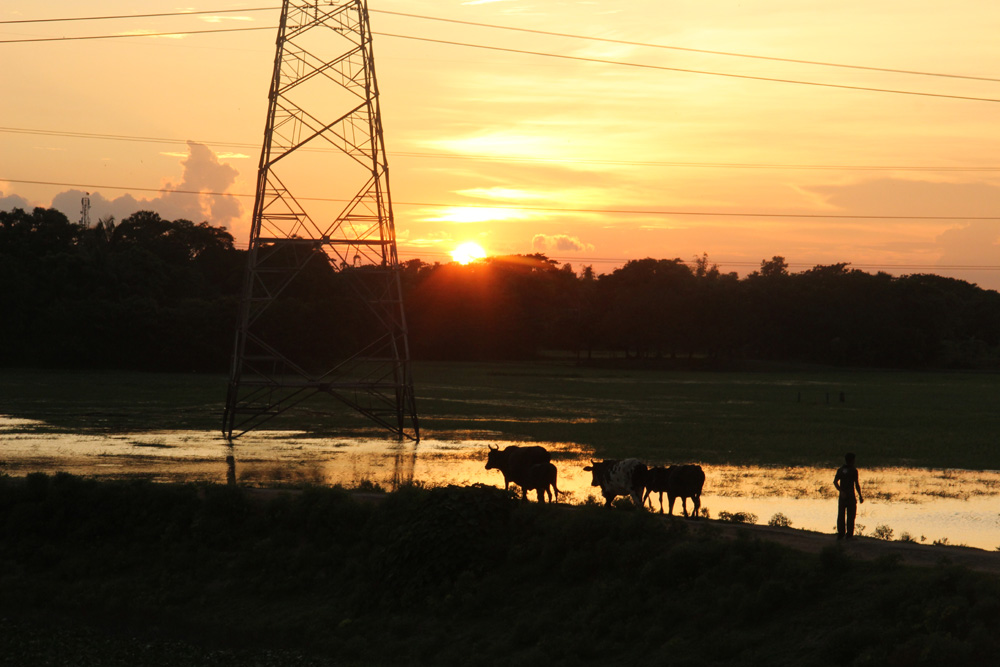
Shibpur, a farming upazila of Narsingdi
Shibpur, where the farm stands, is one of the six upazilas of Narsingdi district in Dhaka division. Banglapedia, the national encyclopedia published by the Asiatic Society of Bangladesh, gives the upazila an area of 217.71 square kilometres and a population of 303,813 at the 2011 census. It is bounded by Monohardi upazila to the north, Raipura, Narsingdi Sadar and Palash upazilas to the south, Belabo and Raipura to the east, and Palash and Kapasia to the west. Shibpur thana was formed on 12 January 1918; the upazila has one municipality and nine unions.
Agriculture is the main source of income for 54.55 per cent of Shibpur's households, according to the same entry. Its main crops are paddy, jute, ginger, turmeric and vegetables, and its main fruits include mango, jackfruit, banana, papaya and guava. Banglapedia also records livestock enterprises in the upazila: 153 dairies, 170 poultry farms and two hatcheries. The rivers Shitalakshya, Brahmaputra, Arial Khan and Paharia flow through the area, and the Chinadi Beel is its best known wetland.
The upazila has about 20 hats and bazars, Banglapedia notes, among them Shibpur Hat, Josar Hat, Jallara Hat, Putia Hat and Lakhpur Hat. Its main exports include mango, jackfruit, banana, ginger, turmeric and vegetables, and all its unions are on the rural electricity network, with 77.4 per cent of dwelling households connected to electricity at the time of the census.
Narsingdi district as a whole covers 1,150.14 square kilometres and had a population of 2,224,944 at the 2011 census, according to Banglapedia. It was a subdivision of greater Dhaka district until it became a district in 1984. Its main rivers are the Meghna, the Old Brahmaputra, the Arial Khan and the Shitalakshya, and agriculture is the main source of income for 42.73 per cent of its households. It borders Kishoreganj district to the north, Narayanganj and Brahmanbaria to the south and Gazipur to the west.
What the Japanese quail is
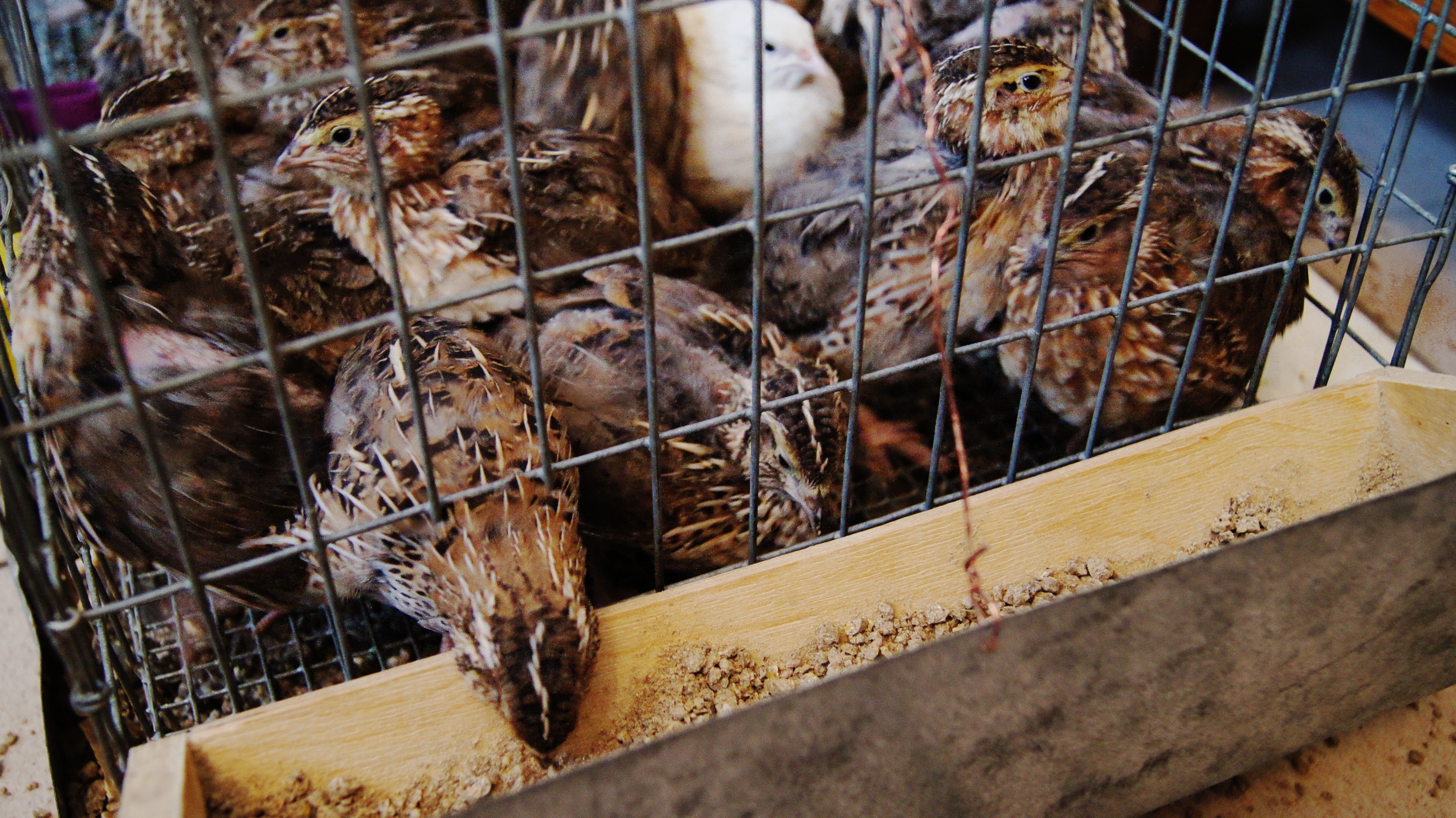
Quail are small, plump, chicken-like birds of the family Phasianidae in the order Galliformes. Banglapedia describes them as almost tailless birds 15 to 20 centimetres long and weighing 120 to 150 grams. There are about 18 species worldwide; Bangladesh has at least two native species, Coturnix coromandelica and Turnix tanki, which are now seen only rarely in the wild in the Chittagong hill forests. The bird reared on farms in Bangladesh is mostly an exotic one, the Japanese quail, Coturnix coturnix japonica.
The Japanese quail is valued as a poultry bird because it grows fast, matures early and lays heavily. Banglapedia says quail begin to lay at about six to seven weeks of age and can lay 200 to 250 eggs a year, each weighing 8 to 12 grams. The domestic females do not sit on their eggs, so farmers hatch them in incubators; the eggs hatch in 17 to 18 days. The encyclopedia adds that the bird is highly disease resistant and needs little floor space.
The Veterinary World survey gives a similar picture from the scientific literature. It describes the Japanese quail as the smallest member of the poultry family, with fast growth, early sexual maturity, a high rate of egg production of up to about 300 eggs a year, a short generation interval of three to four generations a year, and modest needs: about 200 to 250 square centimetres of floor per bird on litter or 150 to 200 in cages, and about 20 to 25 grams of feed per adult bird a day. Because of these traits, the authors wrote, quail farming needs much less capital than chicken or duck farming for almost the same profit margin.
Among the farms the survey studied, the average age at first lay ranged from 42 to 46 days depending on the type of farm, and layers were usually kept for about 12 to 15 months before culling. The authors also noted that quail eggs are rich in protein and are good sources of folate, vitamin B12, pantothenic acid, iron, phosphorus, riboflavin and selenium, and that quail meat is similar to broiler meat in pH, colour and texture.
Quail farming in Bangladesh before the pandemic
Quail is a fairly new poultry species in Bangladesh. The Veterinary World survey, which interviewed 52 quail farmers in Dhaka, Narayanganj, Munshiganj, Mymensingh, Netrakona, Faridpur, Jessore, Khulna, Satkhira, Kushtia, Bogra, Naogaon, Comilla and Sylhet, reported that commercial quail farming in the country began in 1992. It stayed almost static for about a decade, grew gradually from 2003 to a peak in 2009 and then declined. The authors linked the decline to disease outbreaks, faulty management, high feed prices and poor access to veterinary care.
The survey's profile of the farmers is relevant to Nadim's story. Of the 52 farms, 86.5 per cent were run by men; 67.3 per cent of the farmers had received no training, and 92.3 per cent had no earlier experience of quail farming, although for 58 per cent quail was their main occupation. Most farms, 63.4 per cent, were of a mixed type, and most kept 5,000 birds or fewer, of two or three varieties. About 80.7 per cent operated round the year, and 83 per cent of the farmers wanted to expand. Most of the layer farms produced up to 5,000 eggs a day.
The study also measured returns other than eggs. Hatcheries that sold day-old chicks made an average net profit of Tk 2.75 per chick, and broiler quail sold at about 30 days, weighing on average 110.8 grams, made an average net profit of Tk 9.02 per bird, which made broiler quail the most profitable line in the survey. The hatcheries' average hatchability was 76.8 per cent.
The survey also described the parent-stock farms that supply day-old chicks to farmers like Nadim. These farms kept an average of 7,872 breeding birds, ranging from 500 to 50,000, and produced an average of 5,510 hatching eggs a day. In most of them, 73.9 per cent, one male was kept for every three females. Hatchability on these farms, at 76.8 per cent, was lower than the 84.4 to 91.8 per cent reported in other studies with different incubation methods, and 78.8 per cent of all farms said that obtaining parent stock from outside their own farm was a problem.
The authors concluded that Japanese quail farming had enormous potential in Bangladesh as an alternative to chicken farming, for employment, supplementary income and as a source of meat and eggs, and that it should be encouraged and promoted. They called for proper training, biosecurity management and government support on feed to make it sustainable.
Disease, feed and the skills a farm needs
The survey found that the main constraints on quail farms were the high price of feed, reported by 94.2 per cent of farms, and outbreaks of endemic disease, reported by 92.3 per cent. Other problems were inadequate biosecurity (88.3 per cent), lack of proper knowledge (80.8 per cent), difficulty in obtaining parent stock (78.8 per cent), poor access to markets (71.2 per cent), lack of training (67.3 per cent) and limited access to veterinary care (52 per cent). Feed, the authors noted, usually makes up 65 to 75 per cent of the cost of commercial poultry production in Bangladesh.
Although quail are generally more resistant to infectious disease than chickens, the farms in the survey were not free of it. Among 103 recorded cases, diarrhoea was the most common problem (21.4 per cent), followed by pneumonia (19.4 per cent), infectious coryza (16.5 per cent), Newcastle disease (15.5 per cent), dysentery (5.8 per cent) and avian influenza (4.9 per cent). Only 11.5 per cent of farms strictly followed biosecurity practices, and only one farm took veterinary advice regularly.
These findings explain why the report singled out the low chick mortality on Nadim's farm and linked it to his veterinary training and his teachers' advice. For other farmers, the remedies the survey's authors proposed were proper training in quail farming, biosecurity management and better access to veterinary care. Vaccination schedules and medicines for quail should be taken from the upazila livestock officer of the Department of Livestock Services (DLS) or a registered veterinarian, who can advise on the diseases present in the area.
Eggs, closed classrooms and the pandemic
The fall in egg prices that Nadim described came during a long shutdown of the country's schools. The government closed schools and educational institutions on 17 March 2020 because of the coronavirus, and extended the closure several times; in November 2020, Al Jazeera reported, it was extended until 19 December amid fears of a second wave, and institutions were still closed when Jago News published Nadim's story in January 2021. With schools and colleges shut, he said, demand for quail eggs had dropped.
Eggs are a major part of the country's livestock output. The Department of Livestock Services' Livestock Economy at a Glance for 2019-20 put national egg production at 1,736.43 crore, against an estimated demand of 1,765.92 crore eggs based on 104 eggs per person a year, and gave availability as 104.23 eggs per person a year. The same DLS table estimated the country's chicken population for 2019-20 at 2,966.02 lakh and its ducks at 597.16 lakh. The DLS figures cover chicken and duck; quail are not listed separately.
Nadim's farm, with its daily output of about 2,250 eggs, was one small part of that supply. His account to Jago News showed both sides of the business in January 2021: a well managed flock and steady production, and a market in which prices depended on demand that the pandemic had cut.
Photo: Mashkawat.ahsan / Wikimedia Commons (CC BY-SA 4.0)
Sources: Jagonews24, Veterinary World (Rahman and others, 2016), Banglapedia (Asiatic Society of Bangladesh), Gono Bishwabidyalay, Department of Livestock Services (Livestock Economy at a Glance 2019-20), Al Jazeera
Comments
(0)