
In May 2019 the Bangladesh Standards and Testing Institution (BSTI) bought 406 samples of 27 everyday foods from shops without announcing itself, tested them, and named 52 products that failed the national standard. Three of them were ghee: the Baghbari Special, Banalata and Shurjo brands. On 12 May 2019 the High Court ordered all 52 products off the market until their quality was improved, The Financial Express reported.
Ghee is expensive, it is used in festive cooking and sweets across Bangladesh, and that is exactly why it is copied. This guide explains what pure ghee is by the international standard, how it is adulterated in Bangladesh, which quick checks a food-safety authority describes and which home tricks prove nothing, what a laboratory measures, and what health authorities say about eating it.
What pure ghee is, according to the standard
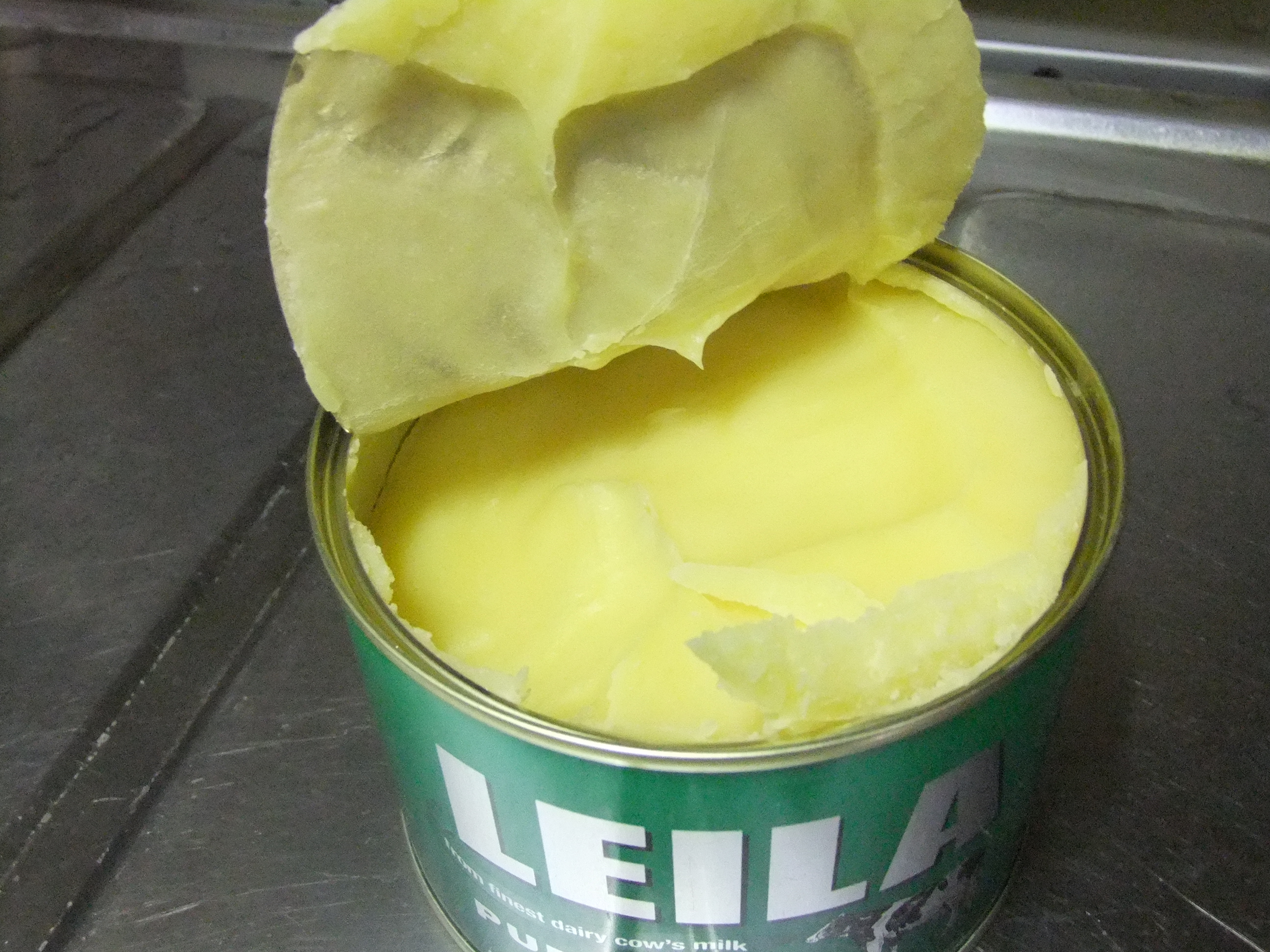
The international food standard for ghee is the Codex Standard for Milkfat Products (CODEX STAN 280-1973), adopted in 1973 and revised in 1999, published by the Food and Agriculture Organization (FAO) and the World Health Organization (WHO). It describes ghee as a product obtained exclusively from milk, cream or butter, by processes that remove almost all the water and non-fat solids, with an especially developed flavour and physical structure.
By that standard, ghee must contain at least 99.6 per cent milkfat by weight. Codex also sets quality limits for ghee: free fatty acids of no more than 0.4 per cent (as oleic acid) and a peroxide value of no more than 0.6 milliequivalents of oxygen per kilogram of fat.
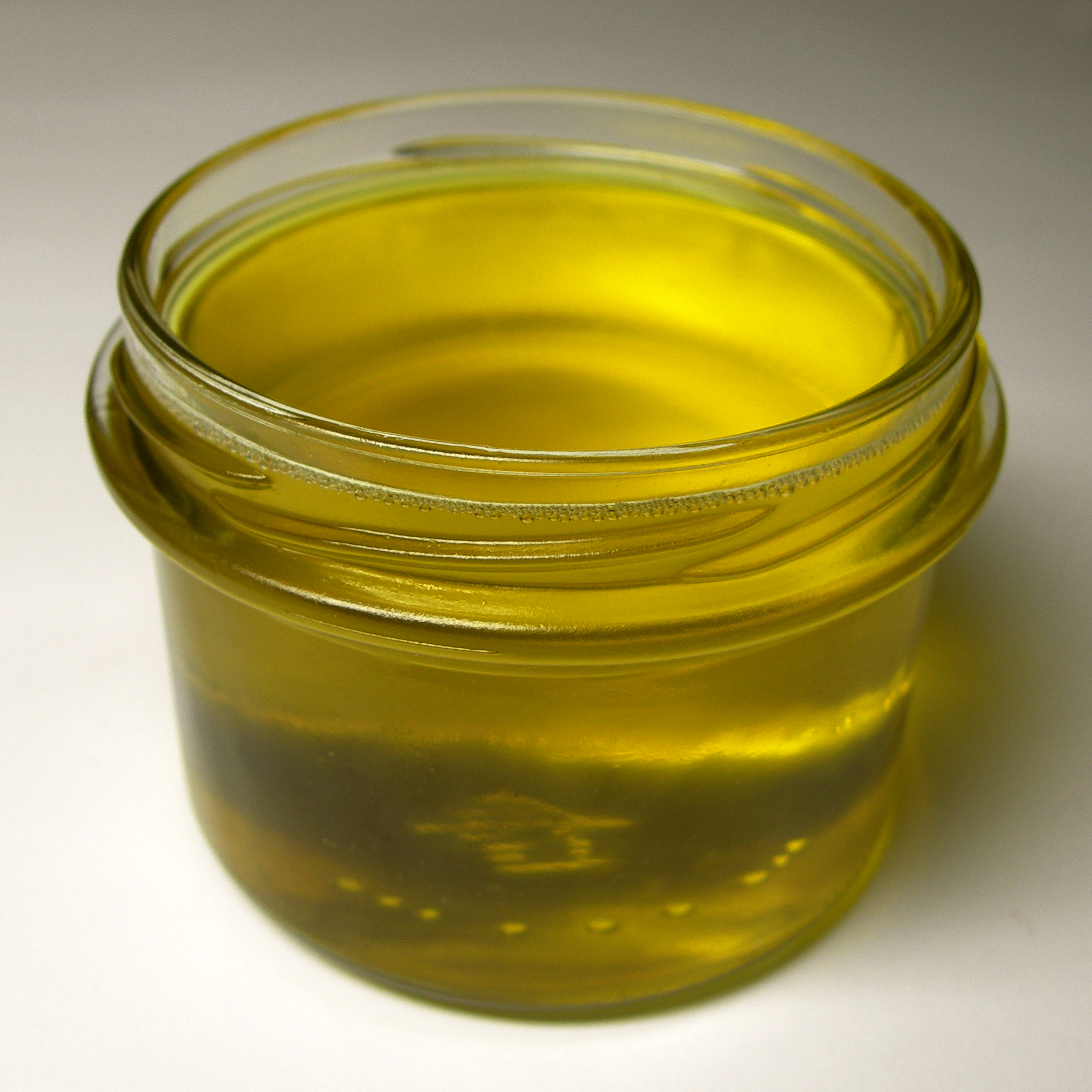
A 2020 study by the Department of Dairy and Poultry Science at Bangabandhu Sheikh Mujibur Rahman Agricultural University (BSMRAU) in Gazipur, published in the Journal of Advanced Veterinary and Animal Research, describes ghee as the top-rated fat-rich milk product of the Indian subcontinent and a top-rated dairy product in Bangladesh. It is made from butter or cream, which is boiled to make ghee; one gram of it gives 9 kilocalories of energy, and it keeps for around a year under tropical storage conditions.
For a pure reference sample, the BSMRAU team heated cream from their own farm's milk: it began melting at 30°C, was fully melted at 60°C, then thickened and bubbled into a clean yellowish liquid that was filtered through double muslin cloth.
Ghee in Bangladesh: the milk behind it and the price gap
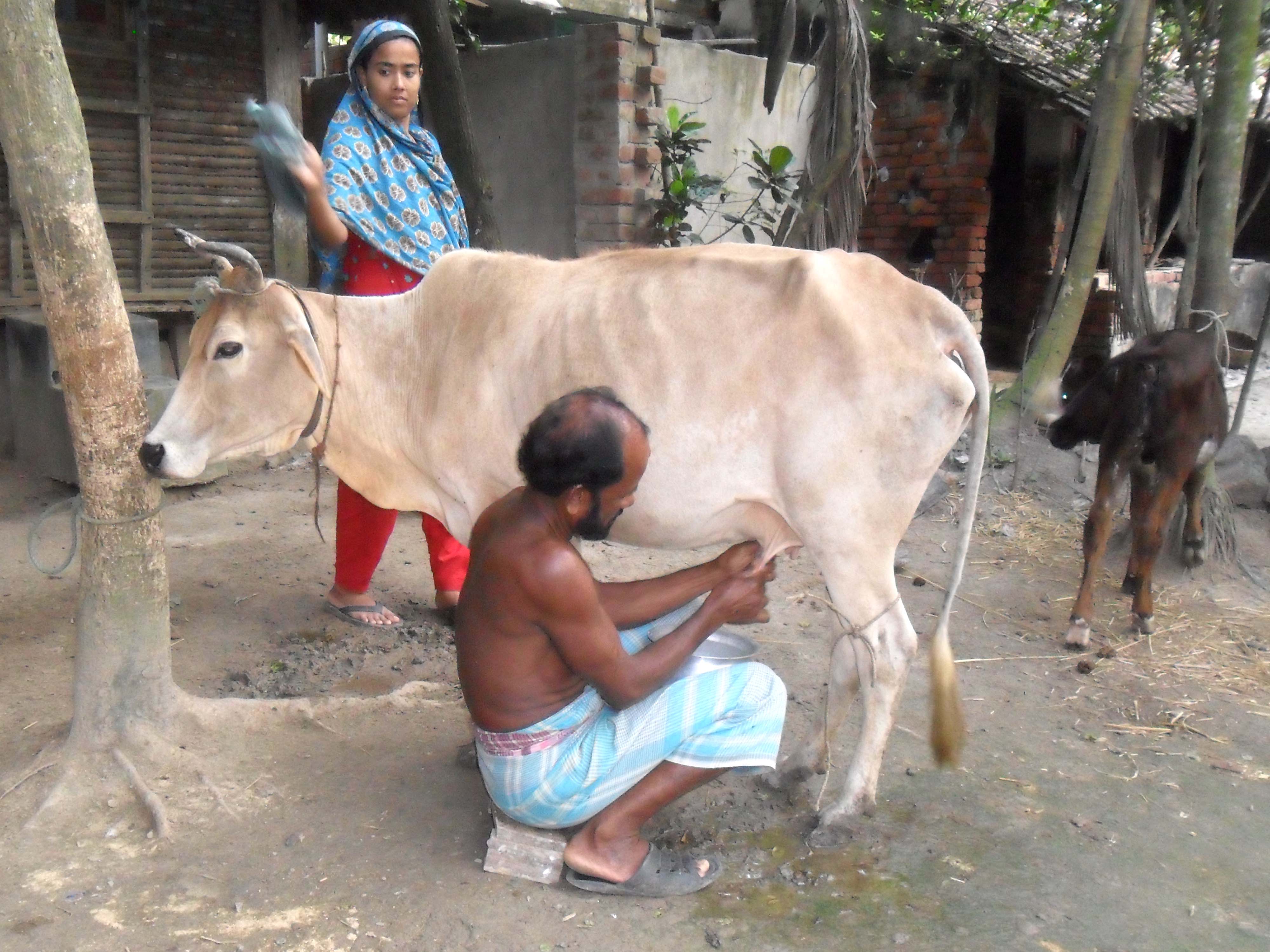
Ghee starts with milk, and Bangladesh produces less milk than it needs. According to Department of Livestock Services figures reported by Prothom Alo on 2 June 2023, production rose from 5.07 million tonnes in 2012-13 to 13.074 million tonnes in 2021-22, against an annual demand of 15.6068 million tonnes. Daily production per person was 208 ml, below the 250 ml the newspaper cited as the WHO standard.
The best-known dairy belt is in Sirajganj district. UNB reported on 18 April 2021 that Shahjadpur upazila alone produced about 20.50 lakh litres of milk a day from about 10.5 lakh cattle on 15,380 cooperative-based farms, and that Milk Vita, the cooperative dairy whose processing plant is at Baghabari, collected 225,000 litres a day. As the cases below show, the name Baghabari has repeatedly appeared on labels of ghee that failed tests.
The BSMRAU researchers wrote in 2020 that branded ghee sold at an average retail price of Tk 1,100 to 1,200 a kilogram, while many local, non-branded types sold for only Tk 400 to 500 a kilogram. They noted that ghee's high price and limited supply lead to malpractice, mainly mixing in cheaper fats or oils for profit.
How ghee is adulterated: what courts and studies found
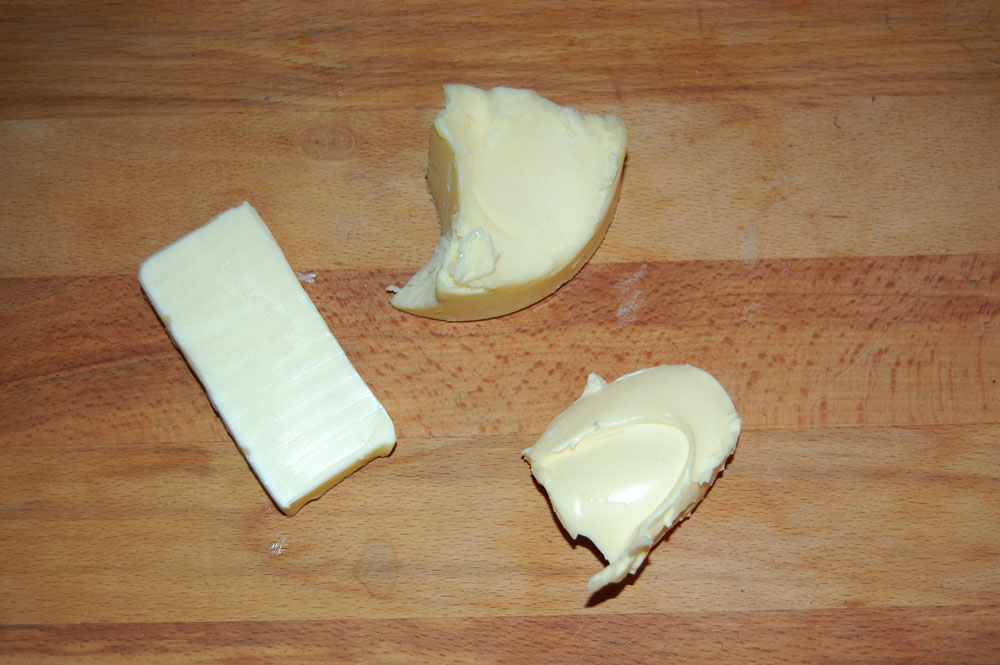
According to the 2020 BSMRAU study, ghee is adulterated mainly with vegetable oils and animal body fats. Adulterants whose texture resembles ghee are preferred because they are hard to detect by eye. Hydrogenated vegetable oil, known in Bangladesh as dalda, is considered the most suitable, and the authors wrote that ghee samples containing more than 50 per cent hydrogenated oil are not uncommon. Palm oil, coconut oil and partially hydrogenated groundnut oil are also mixed in. Animal body fats are harder still to detect, because their test values can fall within the range of genuine ghee.
Bangladesh's enforcement record shows the pattern:
- November 2007, Chattogram: a mobile court led by a magistrate seized 5 tonnes of spurious ghee at a BSTI-certified factory in Khulshi, The Financial Express reported. The owner admitted making more than 200 tonnes of adulterated ghee and butter oil over three years; owner and manager were jailed for a year and the factory sealed.
- September 2009, Chattogram: a mobile court with BSTI officials sealed a factory in Bayezid producing large quantities of ghee without BSTI approval and fined two other makers Tk 39,000 and Tk 80,000 for sub-standard ghee, according to The Financial Express.
- June 2016, Chattogram: a mobile court found a factory making counterfeit 'Baghabari Special Gawa Ghee' from palm oil, glue, harmful chemicals and colour, the Dhaka Tribune reported.
- May 2019, nationwide: BSTI's market survey named the ghee of the Baghbari Special, Banalata and Shurjo brands among the 52 substandard products, and the High Court ordered them withdrawn. The Daily Star reported that BSTI officials said most of the 52 products were substandard rather than adulterated. On 15 May 2019 The Financial Express reported that BSTI had cancelled the licences of seven of the companies, among them the ghee licence of Bonolota Sweets and Bakery of Mirpur.
Two university studies measured the problem directly. Researchers at the University of Dhaka tested 3 butter oil and 24 ghee samples from local markets against the BSTI standard and published the results in the Bangladesh Journal of Nutrition in December 2019. All 27 samples failed the BSTI limits for moisture, saponification value and the sesame oil test, and only one ghee sample met the BSTI iodine-value range of 26 to 35.
In the 2020 BSMRAU study, all five branded samples bought in Gazipur contained more than 99.5 per cent fat, and the authors found no impurity in them. Of the 14 local, non-branded samples, only three had more than 97 per cent fat, some had more than 8 per cent moisture where pure ghee had less than 0.5 per cent, and eight were judged to be adulterated with outside oils and fats.
Why the palm test and the frying-pan test prove little
The earlier version of this article suggested two kitchen checks: put a spoonful of ghee on the palm and treat it as pure if body warmth melts it, and heat ghee in a pan and treat it as fake if it turns yellow. Neither check appears in the food-safety guidance or the scientific studies consulted for this report, so they are no longer offered here as tests of purity.
The fats used for adulteration are chosen precisely because they look and feel like ghee, the BSMRAU authors explained, and even laboratory values can miss animal body fat. A question a trained chemist finds hard cannot be settled on the palm of a hand.
Quick screening tests a food-safety authority describes
India's Food Safety and Standards Authority (FSSAI) has published simple screening methods in its instruction manual Quick Test for Some Adulterants in Food. For ghee it lists the following:
- Starch, mashed potato or sweet potato: add a few drops of iodine (tincture of iodine) to a little ghee. Iodine is brownish; if it turns blue, mashed potato, sweet potato or other starch is present.
- Vanaspati or margarine: mix about one teaspoon of melted ghee with an equal amount of concentrated hydrochloric acid in a stoppered test tube, add a pinch of sugar, shake for one minute and leave for five minutes. A crimson colour in the lower (acid) layer indicates vanaspati or margarine. FSSAI explains that the test is specific for sesame oil, which is compulsorily added to vanaspati and margarine in India.
- Coal tar dyes: if a red colour appears with the strong hydrochloric acid alone, before sugar is added, the sample contains coal tar dye; if the crimson colour appears only after sugar is added, vanaspati or margarine alone is present.
The University of Dhaka study used the same sesame oil marker, and the BSTI standard it cited requires the sesame oil test to be negative for ghee. The acid test uses concentrated hydrochloric acid, a laboratory chemical, so it belongs in a laboratory, not a kitchen. And a negative result rules out only what the test looks for, not animal body fat or coconut oil.
What a laboratory measures
The original article was right that a laboratory test is the reliable way. Food laboratories judge ghee by a set of 'milk fat constants', values that are fixed for genuine milk fat and shift when other fats are mixed in. The BSMRAU study gives the standard ranges for milk fat:
- Reichert-Meissl (RM) value 17 to 35. It measures short-chain fatty acids typical of milk fat; FSSAI rules treat it as the prime quality parameter of ghee.
- Saponification value 225 to 230.
- Polenske value 1.2 to 2.4; vegetable oils and body fats give less than 1.0.
- Acid value 0.0 to 1.0, a measure of rancidity.
- Kirschner value 20 to 26.
- Butyro-refractometer (BR) reading 37 to 44 at around 40°C; vegetable oils and fats read more than 50.
The researchers showed how sensitive these values are: pure ghee mixed with just 5 per cent hydrogenated vegetable oil had an RM value of 14.10; with 5 per cent soybean oil, 4.14; with 20 per cent coconut oil, 1.29. Several local samples from Gazipur fell in exactly these ranges.
The BSTI standard used in the 2019 Dhaka University study adds its own limits for ghee, including an iodine value of 26 to 35, a saponification value above 218 mg/g, an acid value below 1.9 mg/g, a peroxide value below 0.8 milliequivalents of oxygen per kilogram, and a negative sesame oil test.
In Bangladesh, BSTI is the national body for standards and testing. It was set up in 1985 under the Ministry of Industries, and its work includes setting Bangladesh Standards (BDS), issuing certification mark licences, laboratory testing and market surveillance.
What ghee contains
The US Department of Agriculture's FoodData Central reference table for anhydrous butter oil, a milkfat product of the same Codex family as ghee, gives these values per 100 grams: 876 kilocalories, 99.5 g fat, of which 61.9 g saturated, 28.7 g monounsaturated and 3.69 g polyunsaturated, 256 mg cholesterol, 840 micrograms of vitamin A (as retinol activity equivalents), 2.8 mg of vitamin E and 0.28 g of protein.
These figures explain both sides of ghee. It is a concentrated source of energy and of the fat-soluble vitamin A, as the original article said when it called ghee nutritious. It is also, by weight, mostly saturated fat. A 2022 study of buffalo ghee made at Bangladesh Agricultural University (BAU) in Mymensingh found 68 per cent saturated fatty acids, and it found far more cholesterol in ghee and butter than in cheese made from the same milk.
What health authorities say about eating ghee
The earlier version of this article said everyone should give ghee priority in the daily diet. Health authorities do not say that, so the claim has been removed.
The World Health Organization's healthy diet fact sheet (29 April 2020) names ghee, together with fatty meat, butter, palm and coconut oil, cream, cheese and lard, as a source of saturated fat. WHO advises that total fat stay below 30 per cent of energy intake and saturated fat below 10 per cent, and lists 'replacing butter, lard and ghee with oils rich in polyunsaturated fats, such as soybean, canola (rapeseed), corn, safflower and sunflower oils' among the ways to cut it.
Britain's National Health Service (page reviewed April 2023) also lists ghee among foods high in saturated fat. It says eating too much saturated fat can raise 'bad' LDL cholesterol in the blood, which can increase the risk of heart disease and stroke, and it advises men to eat no more than 30 g and women no more than 20 g of saturated fat a day.
Some research is more reassuring about modest amounts. A 2010 review in the journal Ayu by Hari Sharma, Xiaoying Zhang and Chandradhar Dwivedi, which included their own experiment on rats fed 10 per cent ghee, concluded that 'the data available in the literature do not support a conclusion of harmful effects of the moderate consumption of ghee in the general population'. The same authors pointed out that vanaspati, the vegetable ghee most often mixed into real ghee, can contain up to 40 per cent trans fatty acids. Much of that evidence comes from animal studies and does not override the WHO and NHS limits.
Trans fat is where adulteration becomes a health matter. WHO advises keeping trans fat below 1 per cent of energy intake and says industrially produced trans fats should be avoided. In Bangladesh, the Bangladesh Food Safety Authority (BFSA) issued the Limiting Trans Fatty Acids in Foodstuffs Regulations, 2021, by a gazette dated 29 November 2021, capping trans fat at 2 per cent of total fat in all oils, fats and foods from 31 December 2022; The Financial Express reported that the main source is partially hydrogenated oil, known locally as dalda or vanaspati ghee. Ghee secretly cut with dalda can therefore carry the very fat health authorities most want removed from the diet.
Anyone with high blood cholesterol, heart disease, diabetes or another long-term condition, or anyone unsure how much fat suits them, should ask a doctor or a qualified nutritionist before making ghee a regular part of their diet.
Buying ghee, and where to complain
Because home tests cannot prove purity, the safeguards that count are the ones the regulators provide:
- Read the label. The Codex standard requires the name of the food, a lot identification and the name and address of the manufacturer or packer on the container.
- Look for BSTI certification. In the 2009 Chattogram case a factory was sealed for making ghee without BSTI approval, and the 2019 survey shows BSTI also tests ghee already on sale.
- Be wary of a very low price: the adulterated samples in the 2020 study were all local, non-branded ghee, the kind the authors found selling at Tk 400 to 500 a kilogram, though the 2019 BSTI survey shows a brand name alone is no guarantee.
- Report a suspect product. The Directorate of National Consumers' Rights Protection (DNCRP) takes complaints free of charge through its hotline 16121 or its website, and under the Consumers' Rights Protection Act 2009 a complainant receives 25 per cent of the fine realised, the Dhaka Tribune reported in March 2024.
Food safety as a whole is overseen by the Bangladesh Food Safety Authority, which was formed in February 2015 under the Food Safety Act 2013 and works under the Ministry of Food. In its 2019 order on the 52 substandard products, the High Court directed both the BFSA and the DNCRP to act and report back to the court.
Photo: Midori / Wikimedia Commons (CC BY 3.0)
Sources: The Agro News (Staff Correspondent), Codex Alimentarius Commission (FAO/WHO, Codex Standard for Milkfat Products), Journal of Advanced Veterinary and Animal Research (BSMRAU 2020; BAU 2022), Bangladesh Journal of Nutrition (University of Dhaka, 2019), Food Safety and Standards Authority of India, World Health Organization, National Health Service (UK), Ayu journal (2010), USDA FoodData Central, The Financial Express, The Daily Star, Dhaka Tribune, Prothom Alo, UNB

Comments
(0)