
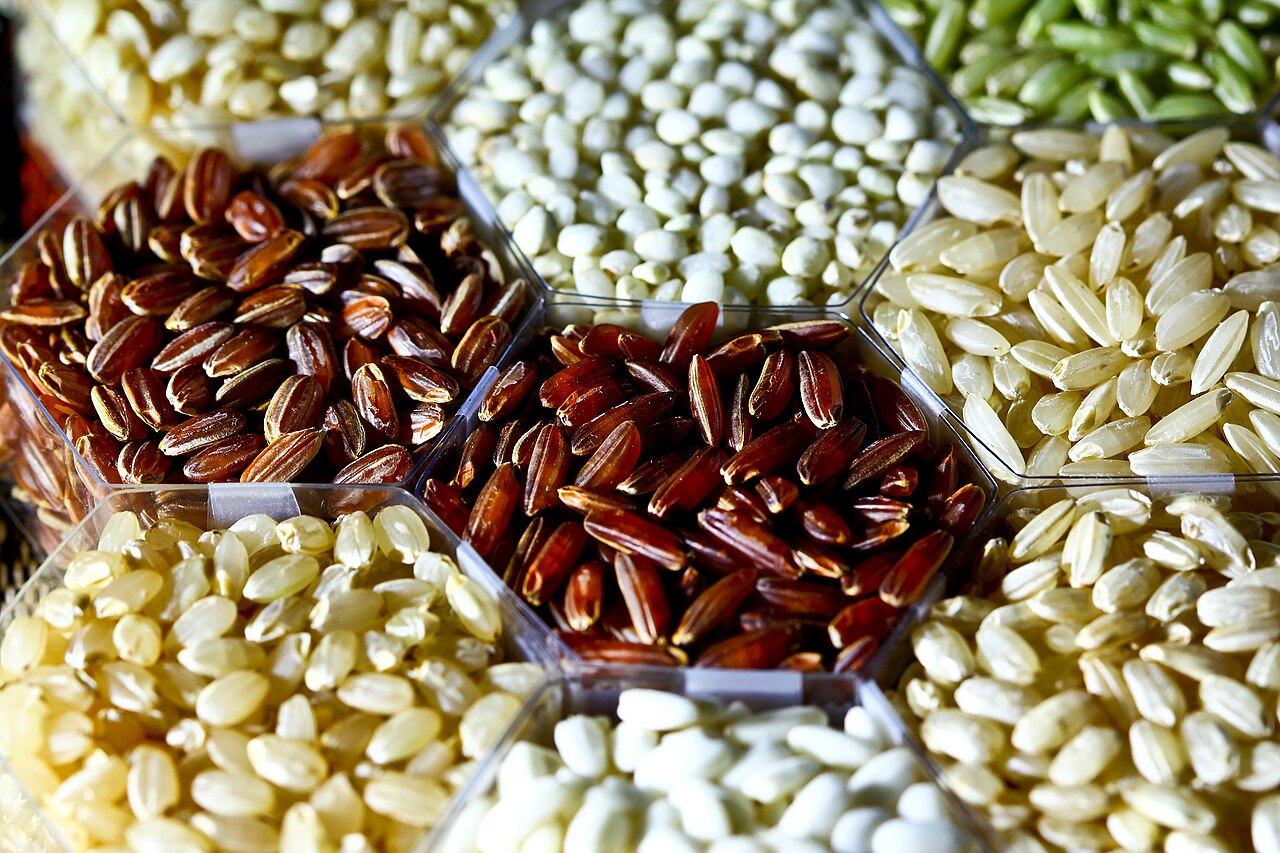
Scientists in China have used prime editing, a precise form of gene editing, to produce rice with lower amylose content and softer texture after cooking, AgroPages reported on 5 October, citing the International Service for the Acquisition of Agri-biotech Applications (ISAAA). The study is published in the International Journal of Molecular Sciences.
Amylose, a component of starch, largely decides how rice cooks and feels in the mouth, and its production is controlled by the Waxy (Wx) gene. Knocking the gene out entirely gives over-sticky glutinous rice, so the researchers instead made targeted changes to the gene's promoter, the regulatory region that sets how strongly it is expressed.
The edits produced two new rice lines with amylose reduced by up to 3.95 percentage points. In laboratory tests the lines showed longer gel consistency, higher breakdown viscosity and better instrumental taste scores, traits associated with softer texture and better eating quality.
In field evaluations the edited lines showed no significant differences from the original variety in the agronomic traits measured, and neither of the two edited promoter sequences was found among 3,032 rice accessions examined, meaning the edits created gene versions not readily found in natural rice populations.
The researchers say human tasting panels and more field testing are still needed. The work shows how prime editing could give breeders finer control over cooking and eating quality, a trait that decides the price of rice in many Asian markets.
Photo: IRRI Images / Wikimedia Commons (CC BY 2.0)
Source: AgroPages


Comments
(0)