
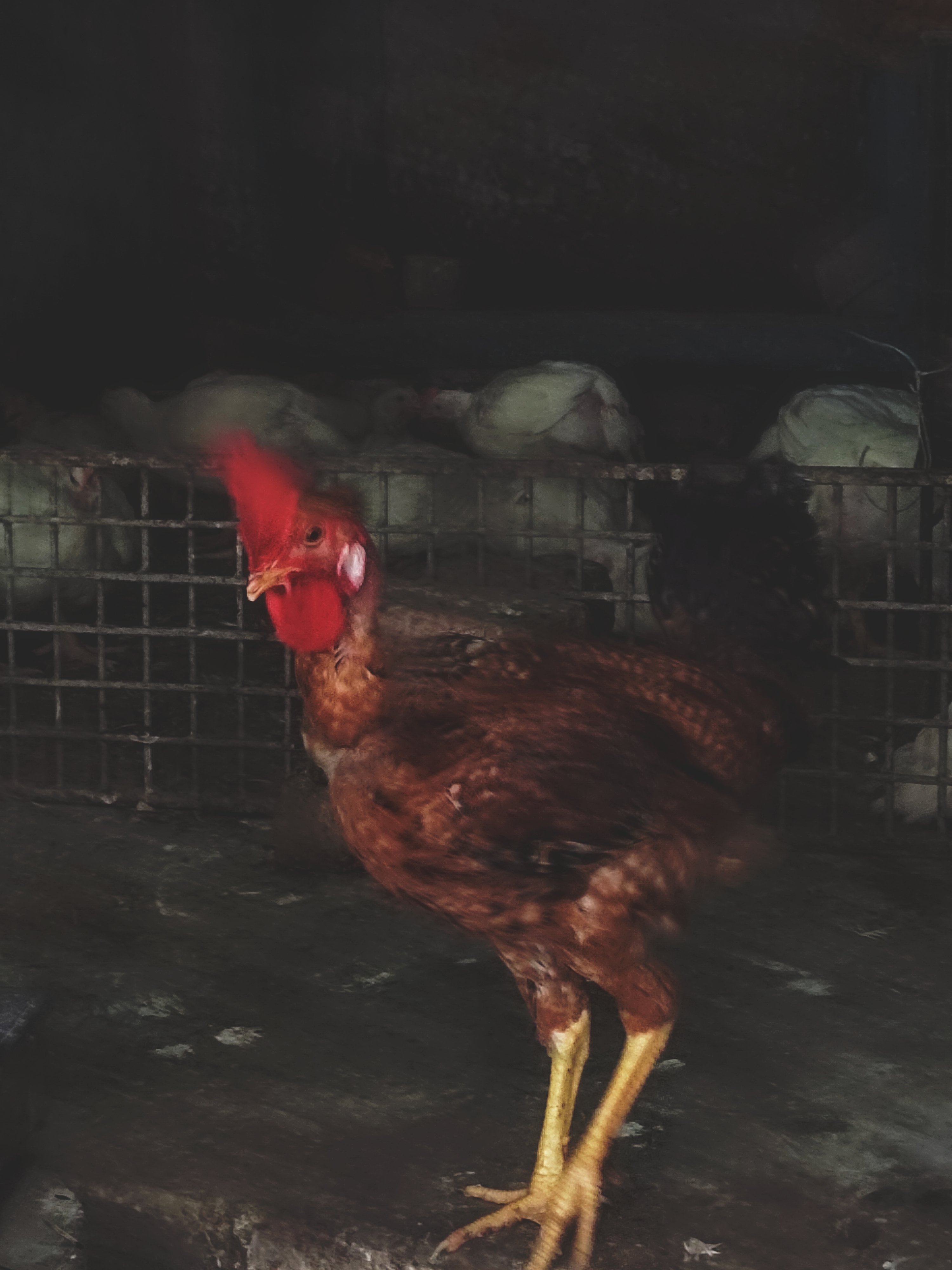
In late October 2021, a 50 kg sack of broiler feed from one of Bangladesh's large feed companies cost Tk 2,610. For a small farmer raising a few thousand birds, the sack is the biggest cost of the whole batch: feed makes up 70 to 75 percent of the cost of producing eggs, fish and poultry, The Financial Express reported on 14 October 2021.
On 23 October 2021, the Bangladesh Poultry Khamar Rakkha Jatiya Parishad (BPKRJP), an association of poultry farmers, demanded that feed millers cut the price of a 50 kg sack of poultry feed by Tk 350. The group said the price of the two main feed ingredients, soybean meal and maize, had started to fall after the government stopped soybean meal exports earlier that month, so feed should become cheaper too.
This report sets out what the farmers' group demanded and on what grounds, what feed cost on the day, how feed prices had moved around the 2021-22 budget, why the government banned soybean meal exports, what the poultry industry's leaders said in reply, and where the sector stood after the Covid-19 pandemic.
The farmers' demand: Tk 350 off a 50 kg sack
Khandaker Mohsin, general secretary of the BPKRJP, told Agricare24.com that a cut of Tk 6 to Tk 7 per kilogram of poultry feed was "the demand of the time". A 50 kg sack at Tk 6 to Tk 7 a kilo works out at Tk 300 to Tk 350, the range the group put forward.
He based the demand on the price of raw materials. According to him, within a day of the commerce ministry's announcement stopping soybean meal exports, the price of soybean meal delivered to Gazipur fell from Tk 49.20 to Tk 44.60 a kilogram. Maize, he said, fell by Tk 4, from Tk 32 to Tk 28 a kilogram. On that basis, he argued, feed should be Tk 6 to Tk 7 a kilogram cheaper, and he called on feed millers to cut prices.
Mohsin also said that farmers were in trouble because feed prices had kept rising. He accused feed millers of acting together to squeeze farmers, and said that if the millers passed on a small part of their profit, a cut of Tk 300 to Tk 350 per sack would be possible. These were the association's claims; the feed millers' own account of their costs, given at a press conference a month earlier, is set out below.
What a sack of feed cost in late October 2021
The reporter's market check on the day of the demand found that the companies had not changed their prices. The prices of a 50 kg sack, as recorded that day, were:
- Nourish: layer feed Tk 2,220, broiler feed Tk 2,610, Sonali feed Tk 2,400 and starter feed Tk 2,400.
- CP: broiler feed Tk 2,526, Sonali feed Tk 2,340 and layer feed Tk 2,140.
- Saguna: broiler feed Tk 2,540, Sonali feed Tk 2,340 and layer feed Tk 2,160.
- Biswas: broiler feed Tk 2,570, Sonali feed Tk 2,340 and layer feed Tk 2,175.
- Aman: broiler feed Tk 2,750 and Sonali feed Tk 2,525.
Broiler feed was the dearest of the three main kinds at every company, and layer feed the cheapest. Broiler chickens are fast-growing meat birds, layers are hens kept for eggs, and Sonali birds are a cross bred in Bangladesh from Rhode Island Red cocks and Fayoumi hens, a bird researchers describe as valued for its egg production and its adaptability to rural conditions.
The level of these prices was not new. A month earlier, on 24 September 2021, The Financial Express reported that feed was selling at Tk 49 to Tk 50 a kilogram, up from Tk 42 to Tk 44 two months before, or Tk 2,450 to Tk 2,500 for a 50 kg sack.
Price rises before and after the 2021-22 budget
The BPKRJP said the 2021-22 national budget had announced measures to lower poultry feed prices, but that the announcement had not been followed in the market. According to the group, feed prices were raised three times after the budget: first by Tk 50 a sack, then by Tk 75 and most recently by Tk 100. Before the budget, the group said, the price had been raised by Tk 275. In all, it said, the price of a sack had gone up by Tk 500, and it demanded a quick cut.
The 2021-22 budget was placed in June 2021. In an analysis published on 23 June 2021, The Business Standard noted that the proposed budget gave a tax holiday for imported raw materials for poultry, dairy and fish feed, a measure it said would lower prices and support local feed producers.
Before the budget, the industry had asked for more. The Bangladesh Poultry Industries Central Council (BPICC) sought tax cuts and exemptions for 2021-22, including extending existing tax benefits for another ten years and removing tax at source on locally collected raw materials, Poultry World reported on 2 June 2021. The same report put the poultry feed sector's losses between January and May 2021 at about US$98 million and the number of people employed in the poultry sector at about six million.
Tax relief on imported feed ingredients was already in place before that budget. The National Board of Revenue had waived advance tax on imports of materials for poultry, fish and livestock feed, including soybean meal, corn gluten meal and rapeseed extraction, from 25 March 2020, The Financial Express reported at the time.
The soybean meal export ban of October 2021
The trigger for the farmers' demand was a decision by the commerce ministry. The government banned the export of soybean meal from 14 October 2021 to control the rising price of this key ingredient of poultry and cattle feed and to protect the dairy and poultry sectors, The Financial Express reported. The commerce ministry asked the chief controller of imports and exports to take the necessary steps.
Exporters who had settled letters of credit (LCs) or telegraphic transfers by 13 October were allowed to ship until 20 October. The Business Standard reported on 15 October that no new LCs for soybean meal exports would be accepted. "We don't want to see crisis in poultry and fish food and cow feed in the country due to soybean meal exports," Hafizur Rahman, the ministry's additional secretary (exports), told the paper.
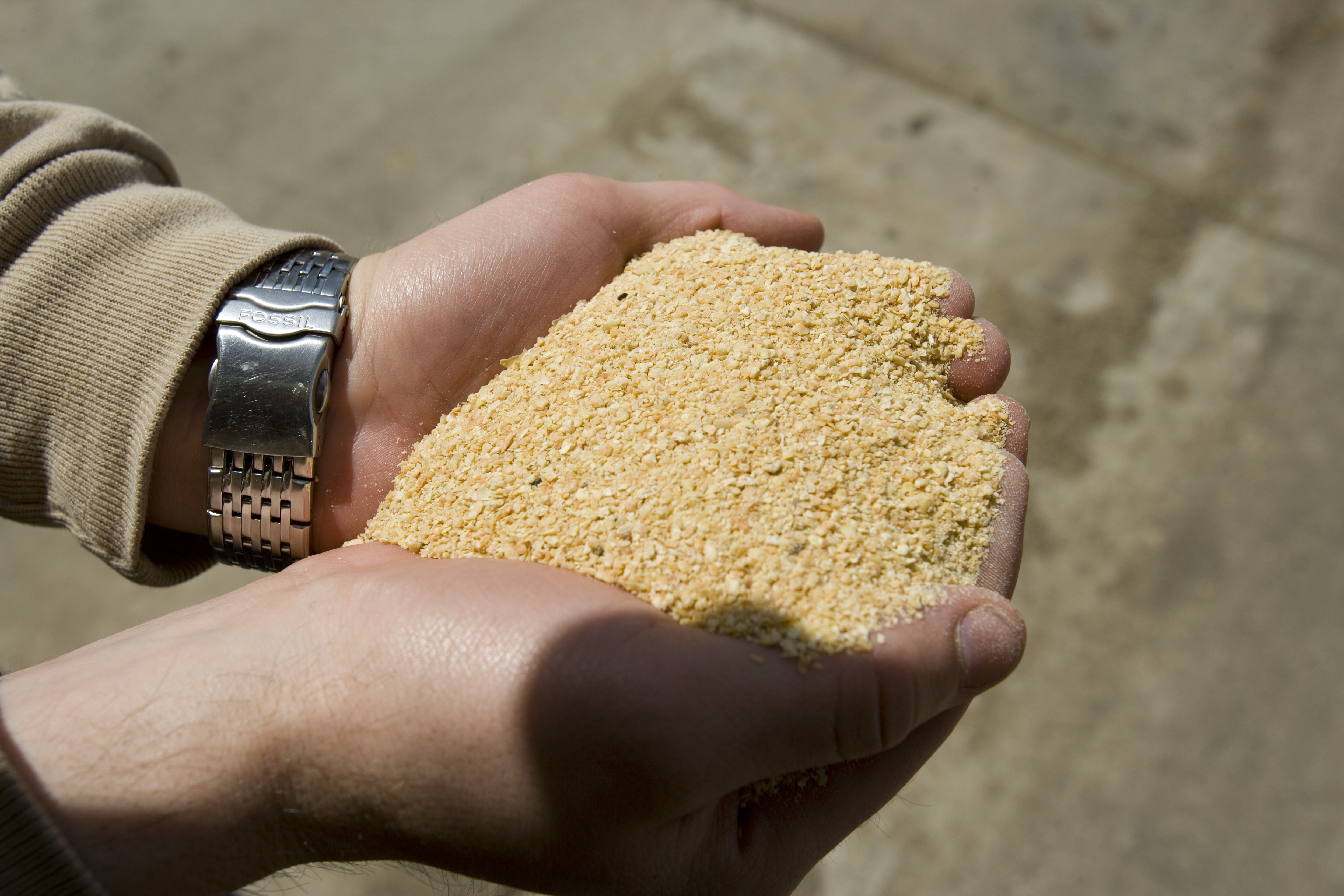
Soybean meal is what remains of soybean seeds after the oil is extracted, and it is used to feed poultry, fish and cattle. Bangladesh exported it mainly to India and Nepal, The Business Standard said. Officials warned that continued exports would hurt domestic dairy and poultry feed production and push up the prices of milk, eggs and meat.
According to The Financial Express, Bangladesh needed about 1.8 to 2.0 million tonnes of soybean meal a year. Some 75 to 80 percent came from the country's own soybean oil refiners and the remaining 20 to 25 percent was imported, mainly from India, the United States, Brazil and Argentina. The Bangladesh Dairy Farmers' Association backed the ban, warning that dairy and related food prices would otherwise rise.
How the exports to India began
The exports had begun only weeks earlier. India's poultry industry faced a severe shortage of soybean meal, and India allowed imports of up to 12 lakh (1.2 million) tonnes of crushed, de-oiled genetically modified soybean meal until 31 October 2021. Bangladesh's first 50,000 tonnes went to India through the Petrapole land port in West Bengal, The Business Standard reported on 3 September 2021.
Feed makers in Bangladesh objected at once. At a press conference on 22 September 2021, the Feed Industries Association Bangladesh (FIAB) demanded an immediate halt to the exports. Its general secretary, Md Ahsanuzzaman, said the agriculture, food and livestock ministries had already asked the commerce ministry not to allow the export of the raw material.
He said that since the export decision, the price of soybean meal had risen by Tk 10 to Tk 12 a kilogram in 10 to 15 days, and that the rise in feed prices was pushing up the prices of fish, chicken and eggs.
FIAB president Ehtesham B Shahjahan said the soybean oil companies import soybean seeds at zero duty and were supposed to supply their by-product, the meal, to the local feed industry, but, he alleged, were creating a crisis around it.
What the poultry industry's leaders said
The poultry industry's own umbrella body welcomed the ban. Moshiur Rahman, president of the Bangladesh Poultry Industries Central Council (BPICC), said: "Although late, we welcome and thank the commerce ministry for its decision." He said he hoped the ministry would in future consult the industry's associations and the ministries concerned before deciding on any matter affecting it, and said the commerce ministry had allowed soybean meal exports while ignoring the views of the poultry associations and of the fisheries and livestock and agriculture ministries.
Asked whether feed would now become cheaper, the BPICC president said he hoped feed prices could be brought down to a bearable level, but that it would take some time. He said he expected the prices of other feed raw materials on the international market to fall within a month or two, and that when raw material prices fell, the industry would "certainly" adjust by cutting feed prices, because "alongside business it is our moral duty to look after the interests of farmers and consumers".
He had argued for export curbs before. In September 2021 he suggested that the government restrict exports of soya meal, mustard meal, edible oil by-products and maize to stabilise their prices, The Financial Express reported on 24 September.
The feed millers' side of the price question had been set out at the FIAB press conference. FIAB president Ehtesham B Shahjahan said that over the previous year the prices of feed raw materials had risen by an average of 34.22 percent, which would have meant a 20 to 25 percent rise in feed prices, but that feed companies had raised prices by only 6 to 8 percent. He said many small and medium mills were close to shutting down because they could not compete.
Maize and soybean meal: what goes into a sack of feed
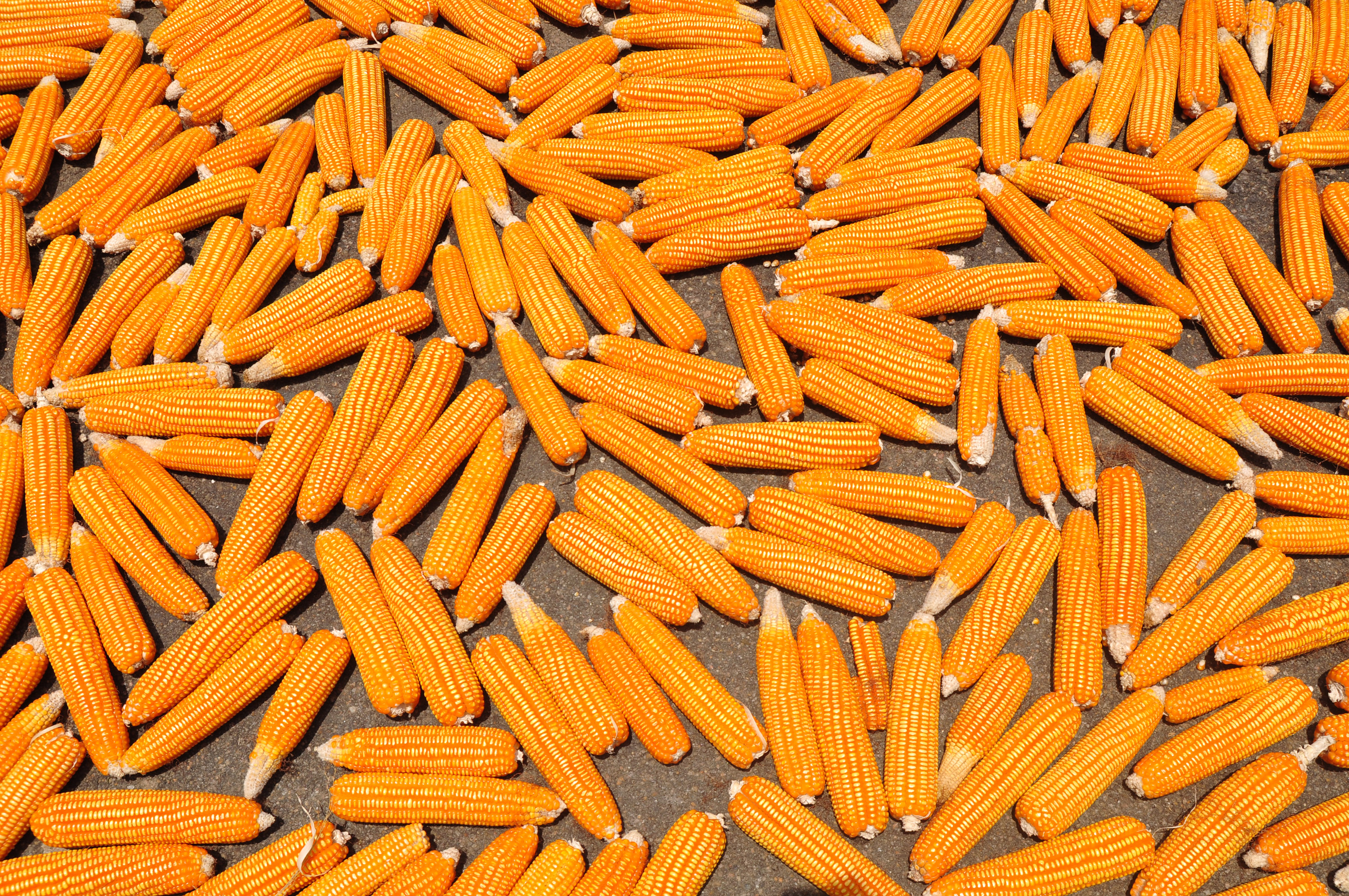
Two ingredients dominate poultry feed in Bangladesh. Maize makes up about 50 to 60 percent of the raw material needed to make feed, which is mostly eaten by poultry, The Daily Star reported in November 2020. Soybean meal is the main protein source, and up to 20 to 25 percent of it is used in feed, the FIAB said in September 2021. A fall in the price of these two items is why the farmers' group expected feed to get cheaper.
Maize is the country's second-largest crop after paddy. Its production rose by 12.5 percent to 40.15 lakh tonnes in 2019-20, and the government targeted 56.93 lakh tonnes for 2020-21, The Daily Star reported on 19 November 2020, citing the agriculture ministry. Maize was grown on 5.40 lakh hectares in that marketing year, and the country's feed mills produced nearly 60 to 70 lakh tonnes of feed a year for livestock and aquaculture.
The same report, citing the US Department of Agriculture, said the average retail price of maize in October 2020 was Tk 22 a kilogram, 28 percent higher than a year earlier. By September 2021, maize cost Tk 30 to Tk 32 a kilogram, compared with Tk 24 a year before, The Financial Express reported. The Tk 32 that Mohsin cited as the price before the export ban matches the top of that range.
Earlier in the pandemic the climb was already visible. Over six months to December 2020, maize rose from Tk 18 to Tk 21 a kilogram and soybean meal from Tk 31 to Tk 36, The Business Standard reported on 6 December 2020. De-oiled rice bran, rice polish and corn gluten, other common feed ingredients, also became dearer in that period.
World grain prices in 2021
Much of the rise came from the world market. On 8 February 2021, US maize futures reached their highest level since 2013, driven by record Chinese purchases of US maize, Asia Financial reported.
The same report cited bad weather in key growing areas of Argentina and Brazil, a rise of three to four times in container shipping costs, and analysts' expectation that the US Department of Agriculture would cut its estimate of US maize stocks for 2020-21. Wheat and soybean futures were also rising.
Bangladesh is exposed to these swings because it imports part of its maize and soybean meal. The Daily Star's November 2020 report, citing the USDA, forecast the country's maize imports for 2020-21 at about 15 lakh tonnes.
A sector still recovering from the pandemic
The demand for cheaper feed came as poultry farmers were still recovering from the Covid-19 shutdowns. In December 2020, The Business Standard reported that the number of broiler farms in operation had fallen to about 68,000 from 82,000 before Covid-19, citing ABM Khaleduzzaman, an assistant director at the Animal Resources Service Centre. The paper said the number of feed factories in operation had fallen from 217 to 140.
Official and industry figures did not agree on the scale of the damage. The Department of Livestock Services (DLS) reported that egg production rose by 321 crore pieces and meat production by 7.66 lakh tonnes in 2020-21, The Business Standard reported on 28 August 2021. The BPICC disputed this, saying 30 to 35 percent of egg-producing farms and 40 to 45 percent of meat-producing units had shut in the previous year and a half. DLS director Dr Debashis Das said the remaining large farms had expanded and made up for the closures.
The DLS's Livestock Economy Report 2020-21 also said that egg availability had risen to 121 per person a year from 104, and that meat availability stood at 136.18 grams per person a day against a demand of 120 grams. According to the same report, there were 90,000 registered poultry farms in the country, while unofficial counts put the number above one lakh.
Feed is where the poultry sector's money goes. Feed producers made 65.67 lakh tonnes of animal feed in 2019-20, and the poultry sector used 63 percent of it, The Business Standard reported. The sector also employs about six million people, Poultry World reported in June 2021.
By September 2021, prices had swung the other way for consumers. Broiler chicken sold at Tk 160 to Tk 170 a kilogram in Dhaka, up from Tk 140 to Tk 150 a week earlier, and eggs at Tk 115 to Tk 120 a dozen, The Financial Express reported on 24 September 2021. Day-old broiler chicks cost Tk 84 to Tk 95 each, against Tk 45 to Tk 50 before. Small farmer Adil Hossain told the paper: "Despite raising price, we're still counting losses for a rocketing feed price trend."
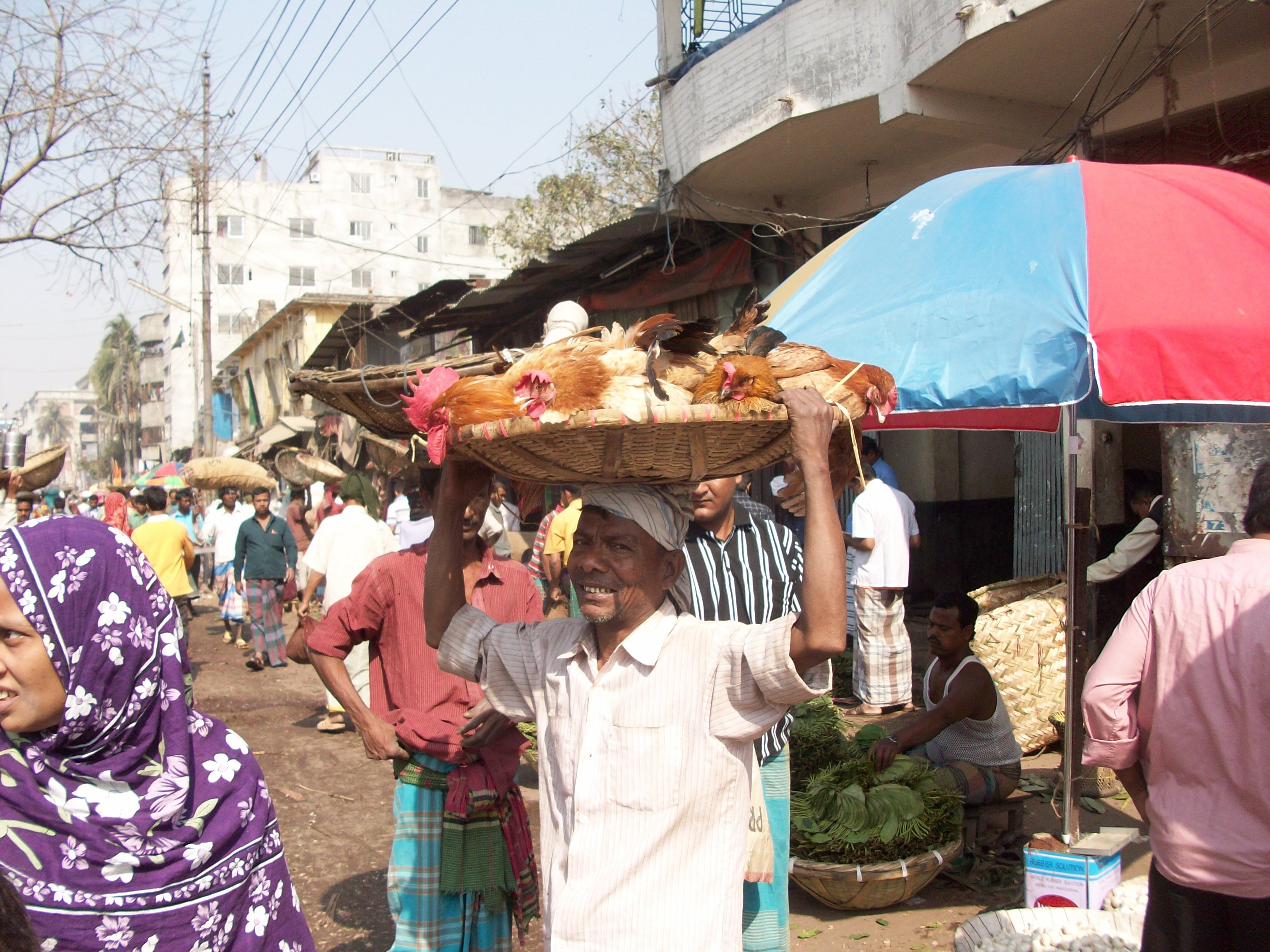
Photo: Tanvir Rahat / Wikimedia Commons (CC BY-SA 4.0)
Sources: Agricare24, The Financial Express, The Business Standard, The Daily Star, Poultry World, Asia Financial, Livestock Research for Rural Development
Comments
(0)