
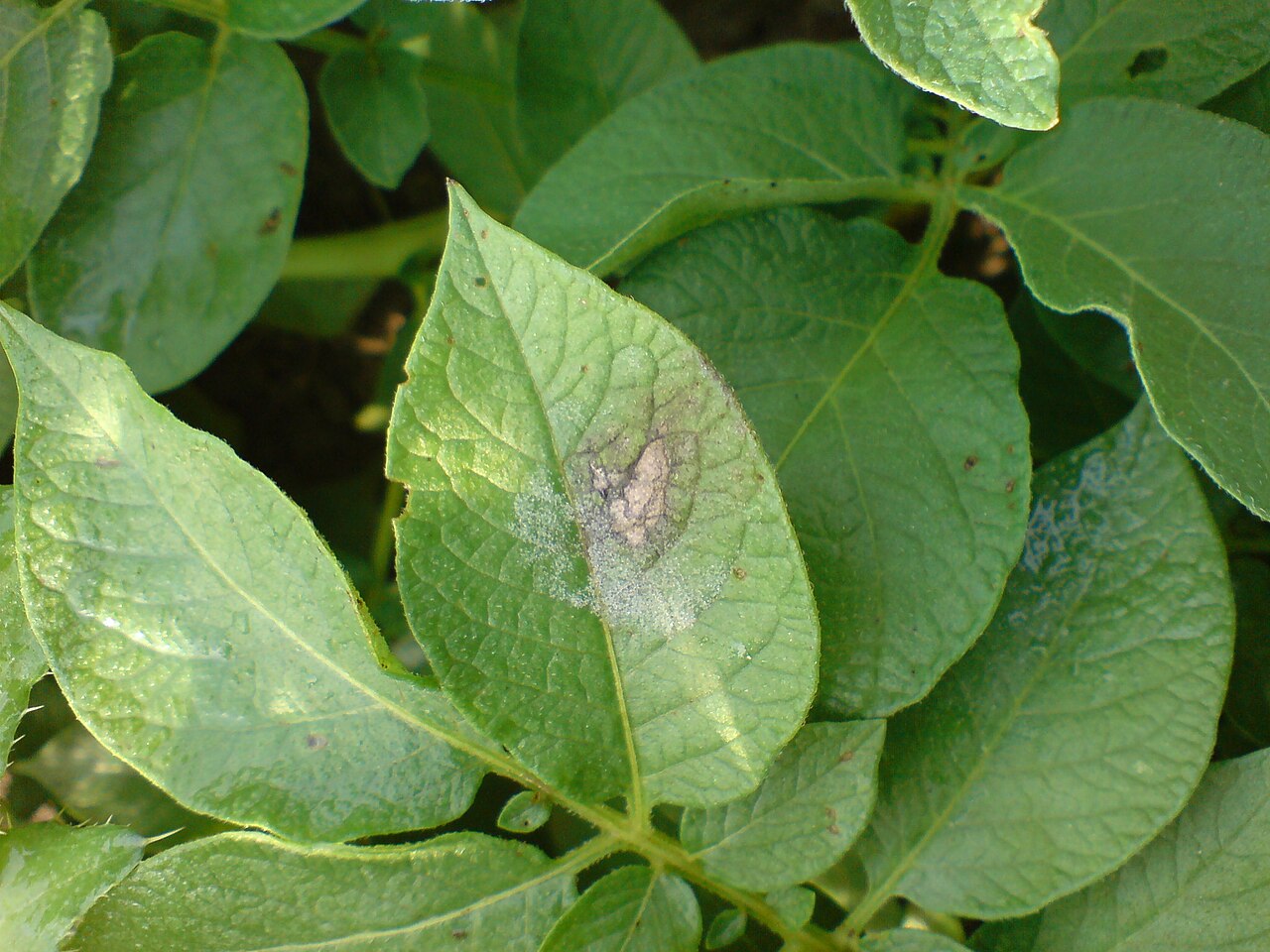
Late blight, caused by Phytophthora infestans, remains one of the costliest and least predictable diseases for potato growers, and resistance bred into varieties often breaks down within a few years. At the Crop Science Centre in Cambridge, scientist Lida Derevnina is testing a different idea: rather than adding new resistance genes, make the plant's existing immune system work harder.
Traditional breeding introduces resistance genes, known as R genes, which recognise particular strains of the pathogen. When the pathogen evolves, those genes can stop working. "Resistance genes can take years to introduce into a crop, but in that time, the pathogen population may already have adapted," she said. Plants defend themselves through a network of immune receptors: some sense the invader, others act as helpers that trigger the defence, often by killing infected cells.
Research has shown that more than half of potato resistance genes depend on a small number of these helper proteins, called NRCs. Blight and other pests have evolved molecules that target and disable them, and when a helper is knocked out, every resistance gene that relies on it fails. Derevnina's team is working three ways round this: combining different versions of helper proteins so they are harder to suppress, using gene editing tools such as Crispr to make very small changes that stop pathogens recognising them, and raising the amount or activity of the helpers to strengthen existing resistance genes.
Because NRC helpers underpin resistance to bacteria, viruses, nematodes and insects as well as blight, strengthening them could give broader protection than strategies aimed at a single disease. "We're not trying to add something new; we're trying to make what's already there stronger," Derevnina said.
The work is funded through a fellowship from the Cambridge University Potato Growers Research Association (Cupgra), a grower-backed body founded in the early 1980s. Its chair of directors, Norfolk potato producer Sophie Bambridge, said stable funding lets researchers pursue long-term work and links them to growers who can test results on commercial farms.
Challenges remain. Most of the work so far has been in the research variety Desiree, and whether it carries over to other varieties is uncertain; pathogens may still catch up. Derevnina puts real impact on farms more than five to ten years away, though progress could speed up once the technology works reliably in potatoes.
Photo: Björn Andersson (SLU) / Wikimedia Commons (CC BY-SA 4.0)
Source: Farmers Weekly

Comments
(0)