
Fishing with poison in the rivers and canals of the Sundarbans has not stopped. Fishers are caught regularly in Forest Department raids, yet the practice continues, and environmental specialists fear it is killing fish and other aquatic life and will upset the balance of the forest's water ecosystem in the long run, Krishi Shomoy reports.
According to the Forest Department, 34 cases were filed in the Sundarbans West forest division over the three months from June to August for catching fish with poison. Thirty-seven people were accused and 25 arrested. In that time 59 bottles of poison, 167 kg of shrimp and 100 kg of other fish caught with poison, 89 boats and 70 illegal nets were seized.
On 28 September a raid on the Marki canal, under the Nalian station of the Khulna range, detained four fishers and seized 80 kg of shrimp. On 14 October the department detained four more in the Bhomorkhali sanctuary area of the western Sundarbans, seizing four bottles of poison, banned vesali and fine-mesh charpata nets, a dinghy, a machete, an axe and about 200 kg of shrimp.
Poisoning is alleged in canals and rivers at Chichkhali, Keorasuti, Hangsharaj, Dobeki, Patkoshta, Chalki, Marki, Andarmanik, Shapkhali, Notabeki and Kateshwar, and around the Pashur river, Joymoni, Kochikhali, Nilkamal and Khasitana. In parts of both the East and West divisions shrimp are allegedly caught with a pesticide sold as Ripcord. Small fish are also being swept up indiscriminately with fine-mesh nets.
AZM Hasanur Rahman, divisional forest officer of the western Sundarbans, said raids against poison fishing are continuing, and that workshops are being held to tell fishers what harm it does to the Sundarbans and what eating such fish may do to people's health.
Professor Anwarul Qadir, executive director of the Sundarbans Academy, said poison harms not only the target fish but other aquatic animals too, and contaminated fish can pose a health risk to people who eat them. He called for stronger monitoring and raids, chemical testing of seized poison, an assessment of its effect on the water environment, awareness among fishers, and impartial investigation of the allegations. Many coastal fishers depend on the fish of the Sundarbans' rivers and canals for a living.
The report was filed by Krishi Shomoy's Khulna correspondent.
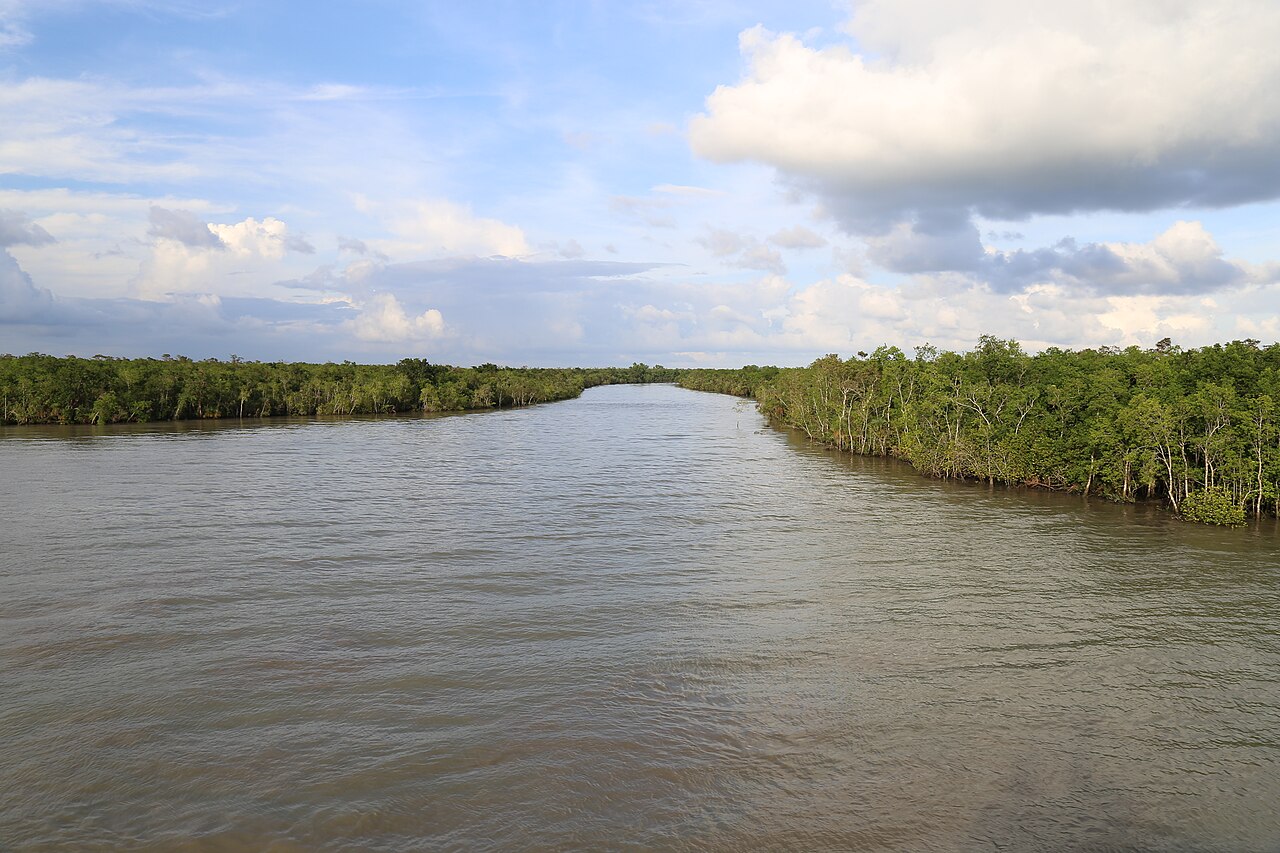
Photo: A large canal at Akram Point in the Sundarbans, MD AMANAT ULLAH / Wikimedia Commons (CC BY-SA 4.0)
Source: Krishi Shomoy


Comments
(0)