
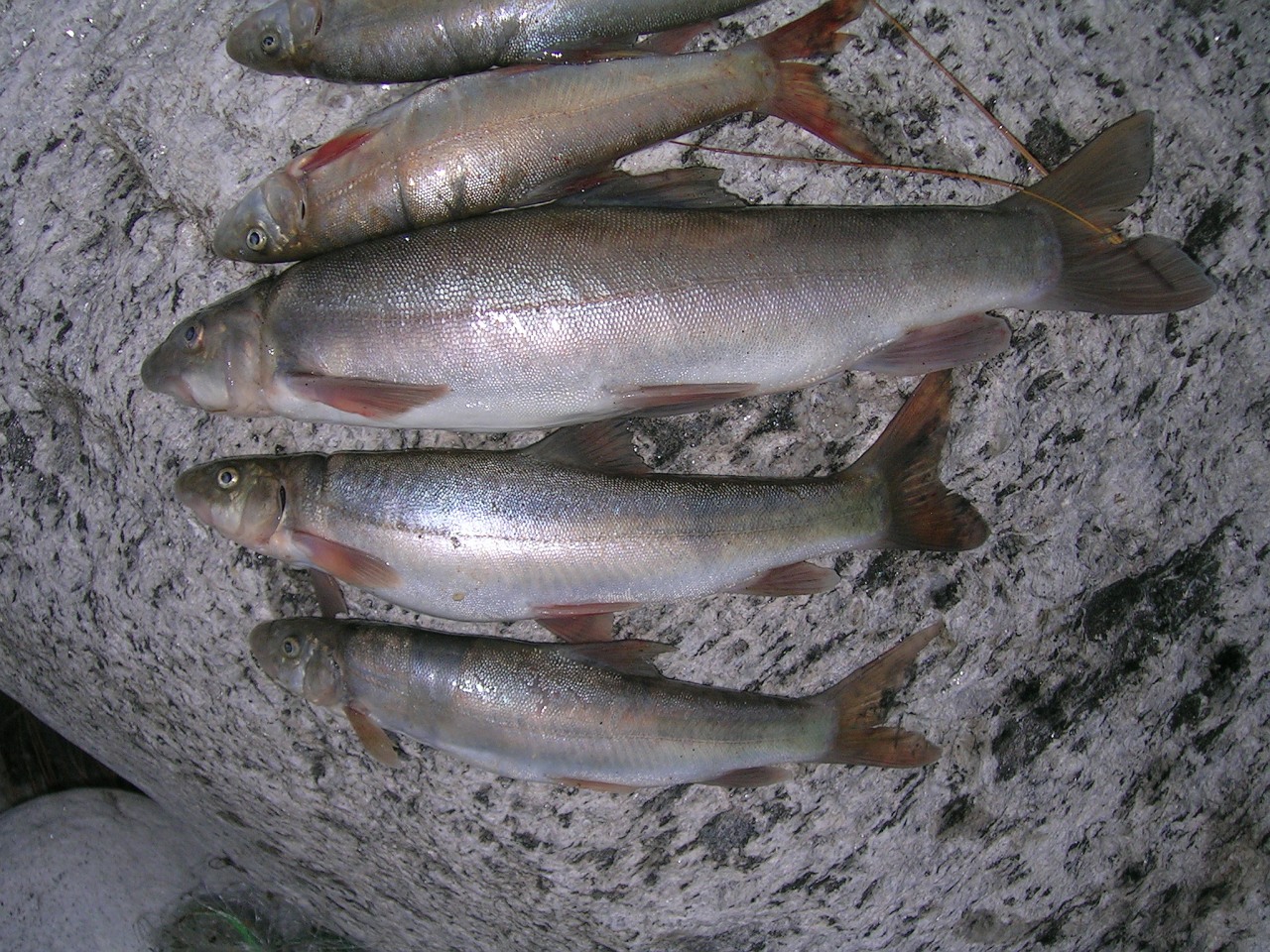
More than half of the roughly 350 lab-bred snow trout fingerlings released into a cage in Naini lake, Uttarakhand, in April have died, programme staff told Mongabay India, with similar losses reported from Bhimtal and other Kumaon lakes. The fish, locally called asela, is listed as Vulnerable on the IUCN Red List and had been considered locally extinct in the lake for about thirty years.
Scientists from Kumaun University's Department of Zoology bred the fish in two phases using biofloc and recirculating aquaculture system (RAS) technology, and released the first batch on 27 April. In June the work was extended to Bhimtal, Sattal and Naukuchiatal with smaller cages. The cause of the deaths has not been determined.
Experts point to the lake itself. Snow trout need water between 8°C and 22°C; the maximum recorded in Naini lake this July was 27°C, said Ashutosh Mishra, head of aquatic environment management at Govind Ballabh Pant University of Agriculture and Technology. "If the water stays at this temperature for more than eight hours, snow trout might stop feeding," he said. The lake has depended on 30 aerator pipes since 2007, and the company that runs them says the system needs a complete overhaul for which approval and funds are still pending.
Snow trout thrived in the Kumaon lakes until the 1980s, when sewage, falling oxygen and competition from the exotic common carp caused a collapse. "As long as common carp occupy the lake, snow trout survival in Naini lake appears impossible," said Suresh Chandra of the Directorate of Coldwater Fisheries Research (DCFR), who leads a parallel effort at Bhimtal. Mishra adds that snow trout is a fish of snow-fed rivers such as the Bhagirathi and Alaknanda, not of still lakes.
Harish Chandra Bisht, the Kumaun University professor who heads the captive-breeding programme, says the lake is now suitable and that some mortality is inevitable; more fingerlings have been added, and the plan is to release the fish into open water in October after six months in the cage. An official watching the cage, speaking anonymously, put the losses at more than 80 per cent.
A reintroduction counts as a success only when the fish breed on their own, which for snow trout takes more than three years. The experts quoted argue that the lake's pollution, warming and drying recharge sources have to be dealt with before captive breeding can work. The report was written by Sameeksha Sharma.
Photo: L. Shyamal / Wikimedia Commons (CC BY-SA 3.0)
Source: Mongabay India

Comments
(0)