

Of the few cultural markers that set Bangladesh apart, Pohela Boishakh is without doubt the most widespread and universal festival. It is not just a change of calendar but a deep, collective and vibrant expression of Bengali life, a farm-based economy, social relationships and cultural identity. Boundaries of religion, caste, class and profession largely fade here; from city to village, from palace to hut, the day binds people together in a single current of feeling.
The most important feature of Pohela Boishakh is its spontaneity and natural flow. Without any state order, particular call or formal announcement, people prepare to celebrate the day out of their own inner urge, the pull of tradition and a deep connection with their way of life. The scene in rural Bengal is even more alive: shopkeepers come from far and wide with their wares to the fairground. No one has called them and no headman has ordered them, yet they arrive, drawn by the habit of many years, the echo of social memory and the familiar rhythm of nature. This informality, natural flow and deep, inseparable involvement with life have made Pohela Boishakh a living, dynamic and universal cultural force.
The village fair
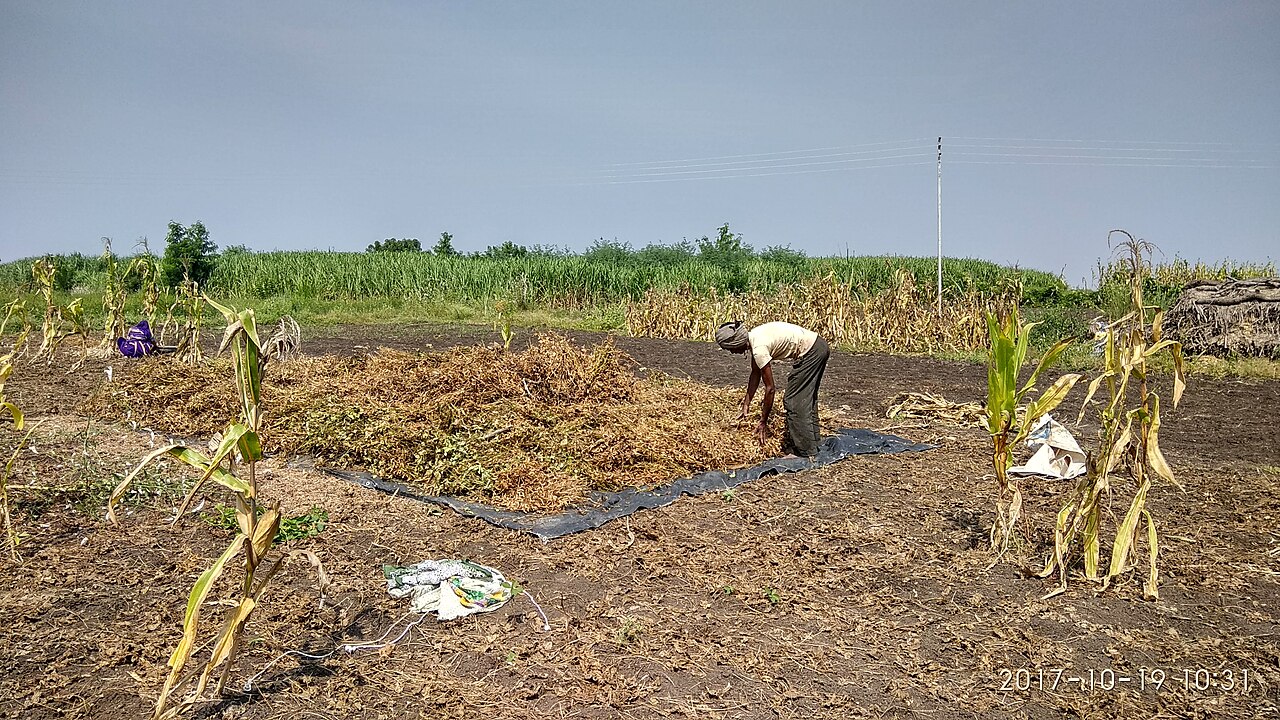
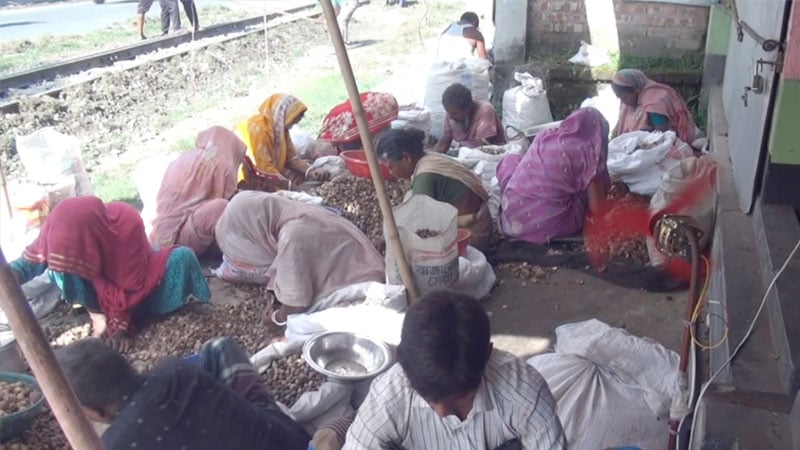
In the village, Pohela Boishakh means the fair, and through the fair the unique pulse of rural life is expressed. People start pouring in from dawn until it becomes a vast sea of people. Farmers, workers, fishermen, blacksmiths, potters and small traders step beyond their daily identities for a day, find themselves in a wider social space and come together in a shared human bond. As nature moves slowly from winter towards the heat, new hope begins in the farmer's life. Waiting for the harvest, preparing to sow new seed and starting a new cycle with nature are all quietly but deeply linked with Pohela Boishakh, becoming a silent but inseparable part of farming life.
The festival's most vivid form is seen at the village fair: the excitement of horse races, the haunting sound of the flute, clay toys, colourful balloons, bamboo flutes, dolls and all kinds of handicrafts create a lively and colourful scene. Children's excitement, teenagers' curiosity, women's participation and the quiet observation of the elderly make the fair a unique social meeting place, where economy, culture and emotion blend into a full and lively picture of life.
The start of a new farming and economic cycle
But the festival is not confined to entertainment; within it lies the deep reality of a farm-based society. Much of the farmer's labour through the year is reflected at this time. Through halkhata, new accounts and the settling of old debts and dues, a new economic cycle begins. Pohela Boishakh is therefore not only a cultural festival but also a symbol of economic renewal. The farmer's bond with the Bangla New Year is very close and historically deep-rooted.
Since ancient times this period has been regarded as the start of a new farming year. The promise of new crops in the fields, preparations to sow new seed and the reawakening of nature tie Pohela Boishakh closely to the farmer's life cycle. So the festival carries, alongside the farmer's joy, the uncertainty of his life as well.
City celebrations and their critics
In urban life Pohela Boishakh takes a somewhat different form. Through the Ramna Batamul, events by cultural organisations, morning processions and the Mangal Shobhajatra, it has become a national cultural event. But this celebration often faces criticism. Some believe it has been reduced to a particular cultural form of the urban middle class that cannot fully hold the whole outlook of rural people, raising fears of a kind of cultural disconnect.
Still, the truth is that the core strength of Pohela Boishakh lies in its universality. It is not the festival of a particular class or group but a cultural bridge that deeply binds city and village, rich and poor, educated and uneducated. Its history is also politically and culturally very important. Especially in the 1960s, when nationalist consciousness was gradually developing in East Bengal after the Language Movement, Pohela Boishakh gradually took the form of cultural resistance.
Through this process it became a strong and lasting symbol of a secular Bengali identity. After independence the festival did not lose its political and cultural importance; rather, it has grown wider and richer over time. In modern times, however, some important questions have arisen. Is the celebration truly ensuring the participation of all people in a universal form, or is it gradually becoming confined within a particular framework of urban culture? These questions remain relevant and call for deep reflection, because culture is never static; it is a living, changing entity inseparably bound up with people's lives.
Pohela Boishakh is therefore not just a day but the name of an ongoing flow of life. Its presence is felt from the farmer's field to the city's busy streets. Within it are mixed labour, joy, pain, hope and a kind of symbolic rebirth. The smell of the soil, the farmer's sweat, children's innocent laughter and the sound of the flute together make it a deep and living reflection of a nation's soul. Pohela Boishakh is the cultural mirror of the Bengali in which the life of agriculture and the farmer is most deeply reflected. It reminds us that culture is not a fixed structure but, like human life, a flowing and dynamic entity. And within that flow, the Bengali finds an identity and is reborn again and again in a cultural existence.
The writer is a senior agriculturist, columnist and chairman of the DRP Foundation.
Source: Jagonews24. First published in Bengali on The Agro News.
Comments
(0)