
A group of plant-based food companies and trade organisations has asked members of the European Parliament to reject proposals that would widen the EU's ban on meat names for plant-based products. The signatories of the joint letter include Beyond Meat, Quorn, The Vegetarian Butcher Collective, Linda McCartney and Redefine Meat, along with EIT Food, the European Alliance for Plant-Based Foods (EAPF) and Plant-Based Foods Europe.
Earlier this year the EU adopted an amendment to the Common Market Organisation (CMO) regulation that bars companies from using "meat" and 31 related terms on the packaging of meat alternatives. The rule was published in the EU's official register in August, giving companies three years to comply. Days later, members of the European People's Party, Patriots for Europe and the European Conservatives and Reformists group tabled further CMO amendments that would extend the ban to a broader set of words. The Parliament's agriculture committee will hold technical meetings on the proposal, with a vote scheduled for December and the final plenary vote set for 2027.
The companies argue that the restrictions cut against the European Commission's recently released Protein Plan, which sets out how to scale up plant protein production and reduce the EU's dependence on imports. The EU is self-sufficient in low-protein feed but imports 74% of its high-protein feed, such as oilseeds and protein crops. It aims to raise the share of domestically produced protein from 25.8% last year to 35% by 2035, a target aimed mainly at animal feed rather than food.
For farmers, the letter's case is about markets. Plant-based foods, the signatories say, create higher-value outlets for EU-grown pulses, cereals and other protein crops, keep processing and ingredient manufacturing in Europe, and give growers who diversify their rotations somewhere to sell their harvests. After Europe's hottest summer on record and the droughts that came with it, nitrogen-fixing protein crops are one way to spread risk, but only if there is demand for them. "Rising demand for plant-based foods is, in practice, rising demand for European plant protein," the letter states.
The industry also points to the cost of renaming products across the EU's 24 official languages. Fabio Ziemßen, chairman of the Berlin-based Federal Association for Alternative Protein Sources (BalPro), estimated that the naming restrictions could cause around €250 million in economic damage in Germany alone, before counting the further restrictions now under discussion. Rutger Rozendaal, chief executive of the JBS-owned The Vegetarian Butcher Collective, said consumers already understand terms such as burger and sausage when applied to plant-based food.
The letter asks lawmakers to strike down attempts to extend the ban in the full revision of the CMO regulation and in any future file, and at the very least to require an impact assessment. It also calls for fair naming, VAT parity between plant-based and animal proteins, and sustainable public procurement to support demand. EAPF secretary-general Thomas Schobesberger said farmers need diversified opportunities and new markets, "especially after this summer".
The report was written by Anay Mridul for Green Queen.
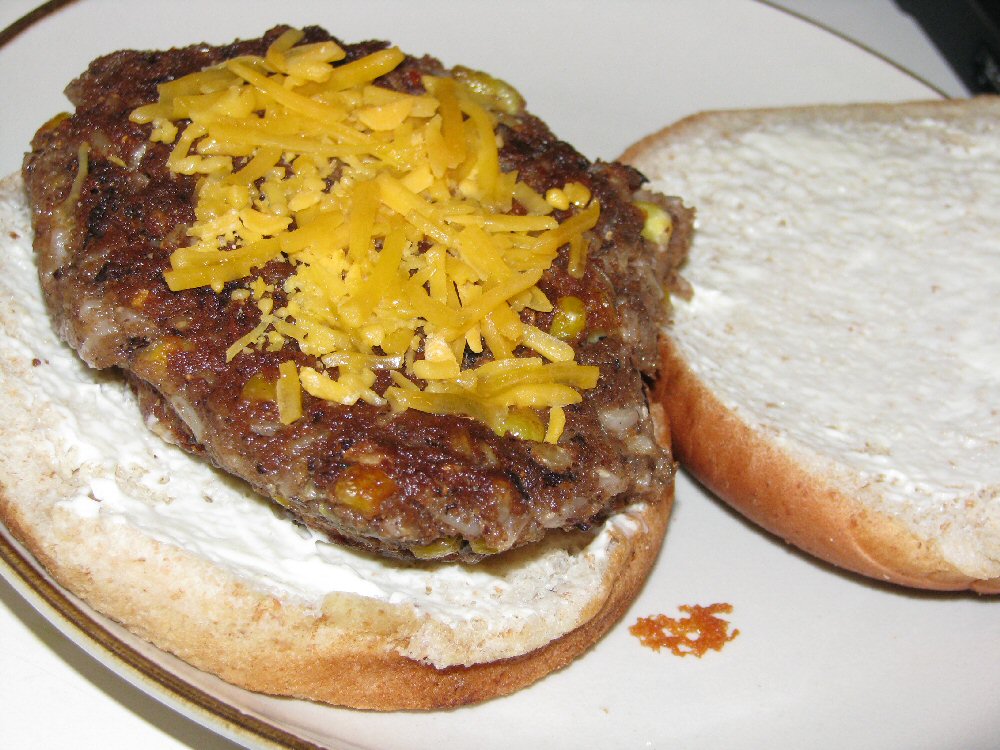
Photo: faeryboots / Wikimedia Commons (CC BY 2.0)
Source: Green Queen
Comments
(0)