
Nesarabad in Pirojpur has had a bumper harvest of amra (ambarella) this year. But because of poor transport and the lack of proper storage, lakhs of taka worth of amra go to waste for traders and farmers every year. Even with good yields they do not get fair prices, and so they keep missing out on profits.
Commercial amra growing began in the area in the mid-1980s. Despite good harvests, no cold storage has been built by private or government effort, and more than two thousand amra farmers and people in the trade worry every season.
Barishal's amra
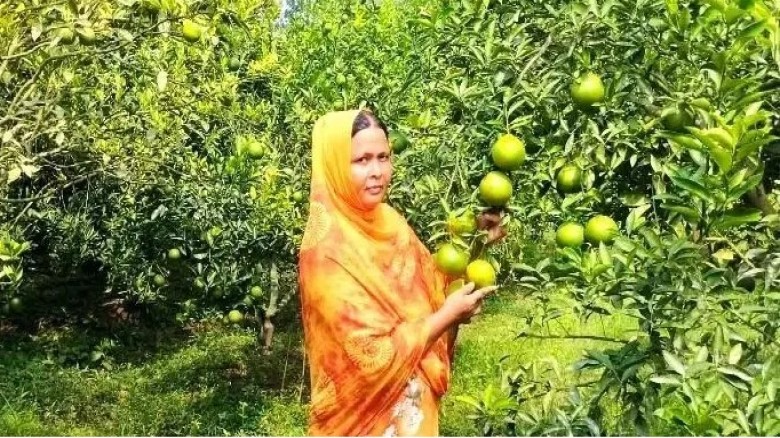
Local people say the amra of Nesarabad is known across the country as Barishal's amra. Growing amra is an old occupation here, and almost every house in every village of the upazila has one or two amra trees in front. Commercial cultivation began at Atghar Kuriana in the mid-1980s.
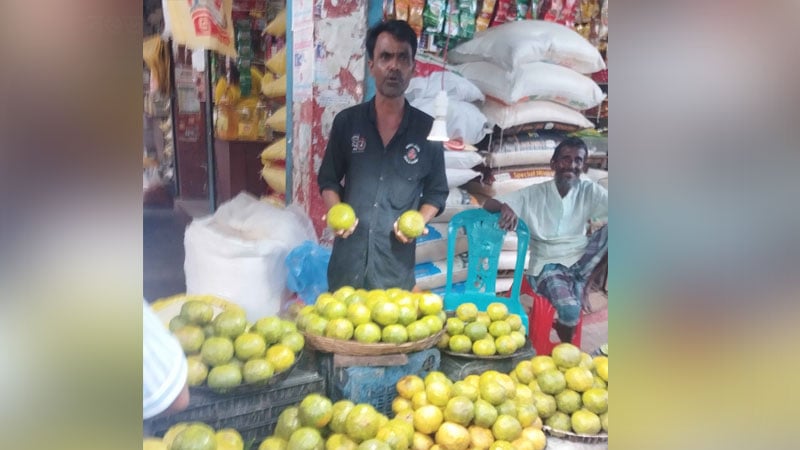
Later amra growing spread to several villages in Jalabari, Baldia, Daihari and Samedakathi unions. The three Bengali months of Bhadra, Ashwin and Kartik are the peak season. Every day amra is sent from across the upazila by Dhaka-bound launches and trucks to the capital and other wholesale markets. Farmers pick the fruit and bring it by boat to traders, and some sell their orchards to traders in advance. Traders pack the amra in crates and sacks and send it by water and road, from where wholesalers and retailers spread it across the country.
In season, 45-50 tonnes of amra go to different parts of the country every day. But traders say that because of poor transport and the lack of storage, much of every trader's amra spoils.
Losses without cold storage
Tapash, an amra trader from Kuriana, said the harvest this year is fairly good. He sends amra to Dhaka and several other places. There were heavy losses early in the season, and prices are a little higher at the end, but lower than last year. Still, they have to send amra according to demand.
Tapash said that when market demand is low, the business makes losses. If a government or private cold store were built in the area to keep amra, everyone would benefit. He said they send 15 to 20 tonnes of amra to the capital every day in sacks and crates. They buy amra at Tk 1,000 to 1,400 a maund, sort and pack it by size and send it by truck to the capital. Sending one maund to the capital costs Tk 150, he said.
Mithun Haldar, UP chairman of Atghar Kuriana, said the amra of Swarupkathi's Atghar Kuriana is famous across the country and known as Barishal's amra. More than a thousand people in the union earn their living from amra. But because of poor transport and the lack of cold storage, traders and farmers lose more or less every year.
Source: Dhaka Times. First published in Bengali on The Agro News.
Comments
(0)