
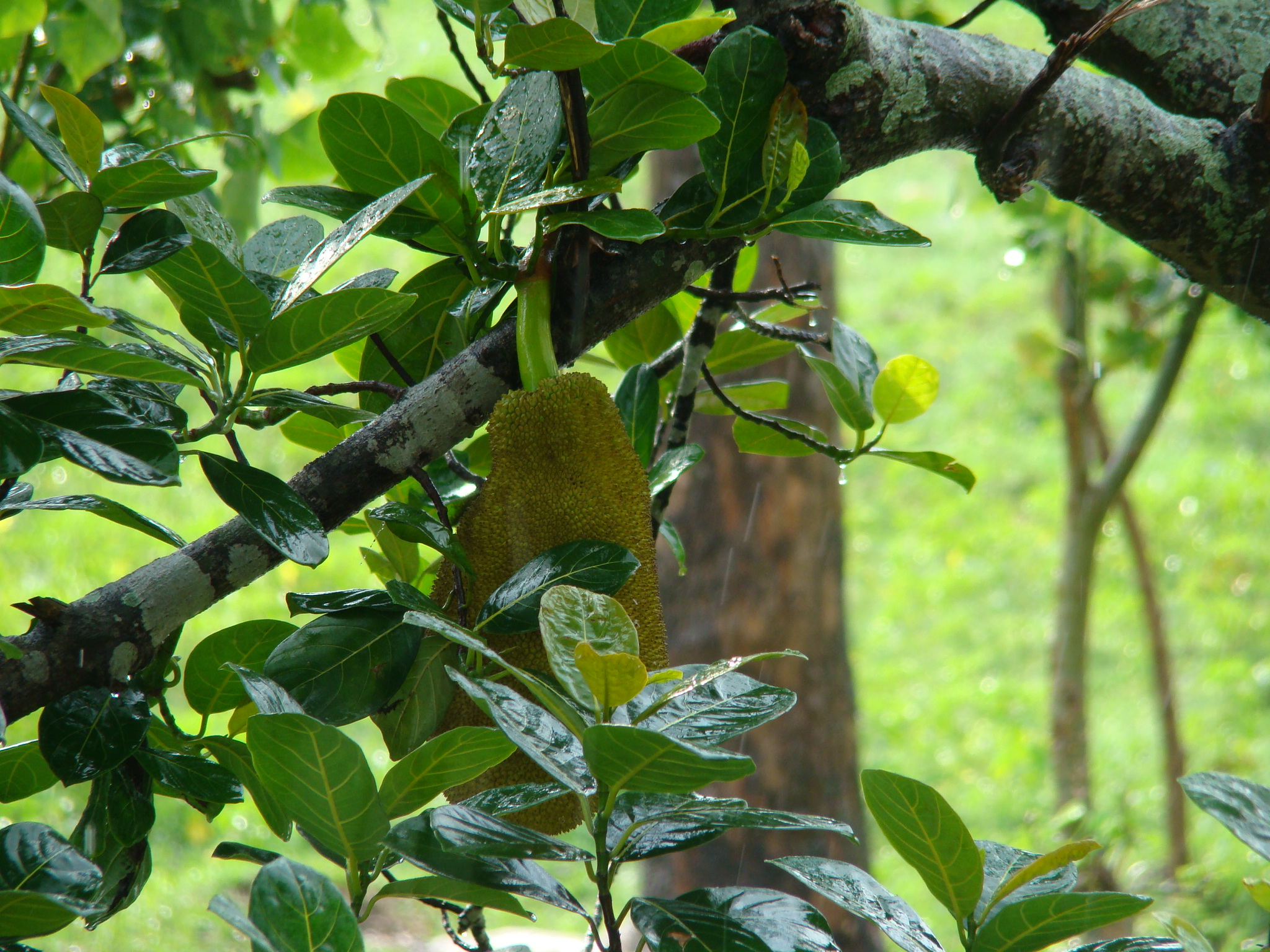
Palpara Government Primary School in Pirojpur Sadar upazila held a fruit festival featuring more than 60 kinds of local fruit at midday on Tuesday, 23 June 2026. Under the theme "Eat fruit, gain strength", the school staged a discussion meeting and a display of fruit in its auditorium. According to the head teacher, the festival is held every year so that children can recognise local fruits and learn about their nutritional value. Pirojpur's Deputy Commissioner, Alamgir Hossain, attended as chief guest.
What happened at the school
According to Jagonews24, Palpara Government Primary School organised the discussion meeting and fruit festival itself. District Education Officer Molla Bakhtiar Rahman chaired the event. Also present were Additional Deputy Commissioner and Municipal Administrator Mahmudur Rahman Mamun, Upazila Education Officer Shahidul Islam and Upazila Agriculture Officer Md Shawkat Hossain. The presence of officials from both the education and the agriculture offices reflected the purpose of the day: to introduce schoolchildren to the fruit that grows in their own country.
Head teacher Soheli Asfia said: "We hold a fruit festival every year so that the children at the school can recognise local fruits and learn about their nutritional value. This year the festival featured more than 60 kinds of fruit."
A class five pupil told Jagonews24: "There is a fruit festival at school. I really like seeing the fruit. I had never seen so many fruits together before. I tasted a little of every one." Guardian Nilufa Begum said: "I really liked such an unusual event at the school. The children are very happy too. Local fruit should be given more importance than foreign fruit."
The deputy commissioner on local fruit
In his speech as chief guest, Deputy Commissioner Alamgir Hossain stressed local fruit. "More importance must be given to local fruit," he said. "Local fruits have a lot of nutritional value. Foreign fruit may contain chemicals, which increase health risks for children." The point about chemicals in foreign fruit was his own view; the report cited no test result or specific finding behind it.
Food safety in Bangladesh is overseen by the Bangladesh Food Safety Authority. Formed in February 2015 under the Food Safety Act 2013, the statutory regulator works under the Ministry of Food and has its own mobile court that can fine and sentence people for food adulteration.
The case for local fruit also has an import side. Citing Bangladesh Bureau of Statistics (BBS) data, The Financial Express reported in December 2025 that the country still depends on imports for apples, oranges and other fruits, spending about Tk 100 billion a year to import around 0.85 million tonnes of fruit.
How many kinds of fruit grow in Bangladesh
A primary school could gather more than 60 kinds of fruit because Bangladesh is rich in tropical and subtropical fruit. Banglapedia, the national encyclopedia, counts 9 major and 48 minor fruits that are generally produced in the country. The most widely grown include mango, jackfruit, black plum, pineapple, banana, litchi, lemon, guava, custard apple, wood apple, elephant apple, papaya, tamarind, watermelon, cashew nut, pomegranate, palmyra palm, rose apple, Indian olive and Indian jujube. Many minor fruits also grow in the wild or in small plots, such as latkan (Burmese grape), monkey jack, river ebony, the fruit of the water coconut and rattan.
Banglapedia lists other common minor fruits as well: tamarind, palmyra, monkey jack, Indian olive, carambola, star apple, mangosteen (kaw), Burmese grape, paniala, star gooseberry, elephant apple, river ebony, ambarella, velvet apple, wood apple, bael, custard apple and Indian gooseberry. Once found around almost every village home, many of these fruits are now unknown by name to children growing up in towns.
Quoting agriculture officials, The Business Standard reported on 18 June 2026 that Bangladesh has about 130 species of underused fruit, around 70 of which grow naturally in different regions and are cultivated only on a small scale. To conserve and popularise them, the Department of Agricultural Extension (DAE) launched a three-year programme in 2020 with a budget of about Tk 2.5 crore, which brought several nearly extinct fruit species back into cultivation.
The national fruit fair and interest in unfamiliar fruit
Five days before the Palpara festival, on 18 June 2026, a three-day National Fruit Fair opened at the KIB complex in Farmgate, Dhaka. The Business Standard reported that the fair had 78 stalls and displayed more than 100 local and foreign fruits. The DAE stall showed about 50 rare and nearly extinct fruit species, most of them grown at horticulture centres around the country.
The report named the fruits that drew visitors' particular curiosity:
- kaufol, karamcha (karonda), monkey jack and ashfol (longan)
- gab (river ebony), jogyo dumur (cluster fig), chambul and custard apple
- elephant apple, star gooseberry, bilimbi and sugar apple
- satkora, toikor, dephol, lukluki, boichi and munia
DAE Director General Md Abdur Rahim said at the fair that its aim was to raise consumers' awareness of local fruit. He noted that mango, jackfruit, guava and a few other fruits were already being exported, and that farmers would get better prices if exports grew. In the same report a parent said that his children, raised in the city, had never seen many of these fruits. The Palpara pupils described much the same experience: they had never seen so many fruits together.
Mango and jackfruit were among the fair's other attractions. Visitors saw popular local mango varieties such as Langra, Amrapali, Nag Fazli, BARI-4, Haribhanga and Surjapuri alongside several imported and improved varieties, including Thai Katimon and Miyazaki. Value-added jackfruit products were also on show; an entrepreneur from Gazipur said 22 kinds of products, including pickles, chips and kebabs, were being made from jackfruit. According to The Business Standard, the fair served as a platform to showcase fruit farming, nutrition, processing, entrepreneurship and export potential.
Madhumas: the fruit season
The festival fell in the last week of June, at the height of the fruit season. Banglapedia notes that May, June and July are treated as the fruit festival months in Bangladesh, when almost all major and minor fruits ripen and reach the market. About 54 percent of the country's fruit is harvested and sold in the Bengali months of Baishakh, Jaistha, Ashar and Srabon; the remaining 46 percent comes over the other eight months. This stretch is known as Madhumas, the honey months, when mango, jackfruit, litchi and pineapple are harvested.
Banglapedia also gives the harvest periods of the main fruits:
- Mango: June to August; the country has about 3,000 mango varieties, cultivated and wild
- Jackfruit: June to September; a single fruit can weigh up to 50 kg
- Litchi: June and July; good quality fruit comes from the Dinajpur, Rajshahi, Jessore and Khulna regions
- Guava: July to September
- Black plum: July
- Indian jujube (boroi): February and March
- Papaya, sapodilla, coconut and banana: all year round
Outside Madhumas come fruits such as jujube, hog plum, Indian gooseberry, bael, sapodilla, pomegranate and carambola. That is why a festival at the end of June can lay out the season's fruit side by side with those available all year.
Pirojpur and its fruit
Pirojpur is a district in Barisal division. According to Banglapedia it covers 1,277.80 square kilometres and is bordered by Gopalganj and Barisal to the north, Barguna to the south, Jhalokati to the east and Bagerhat to the west. It has seven upazilas: Mathbaria, Kawkhali, Zianagar, Nazirpur, Nesarabad, Pirojpur Sadar and Bhandaria. Its main rivers are the Baleshwari, Swarupkathi, Katcha and Kaliganga. The 2011 census counted 1,113,257 people in the district, and agriculture accounted for 50.82 percent of income.
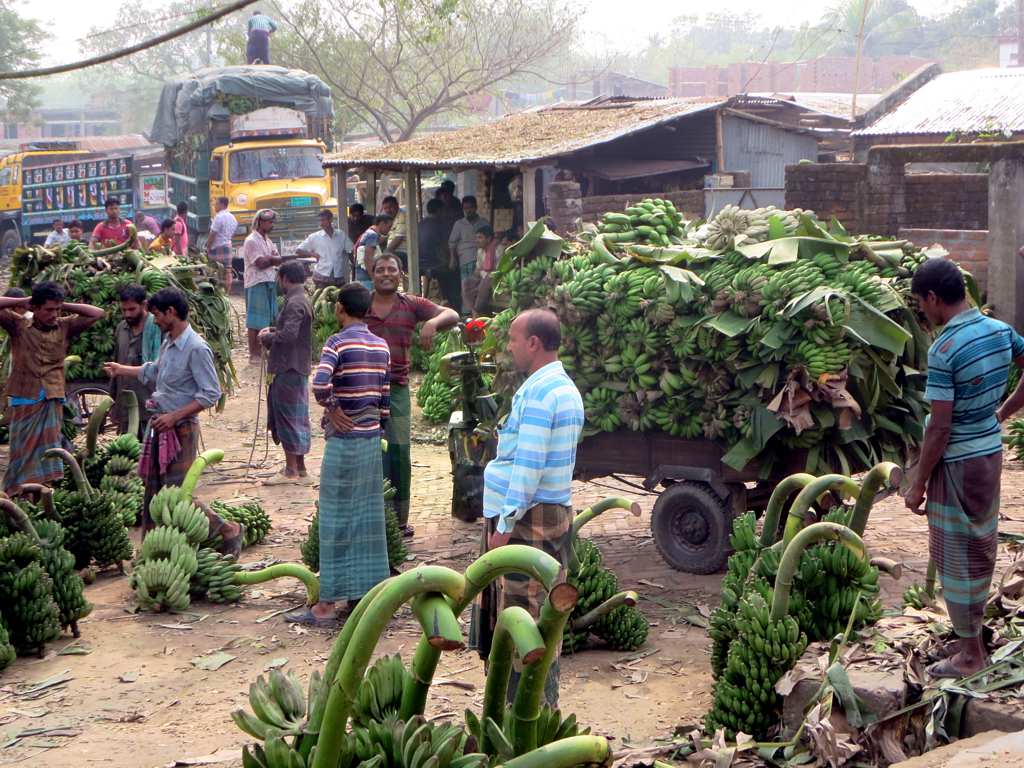
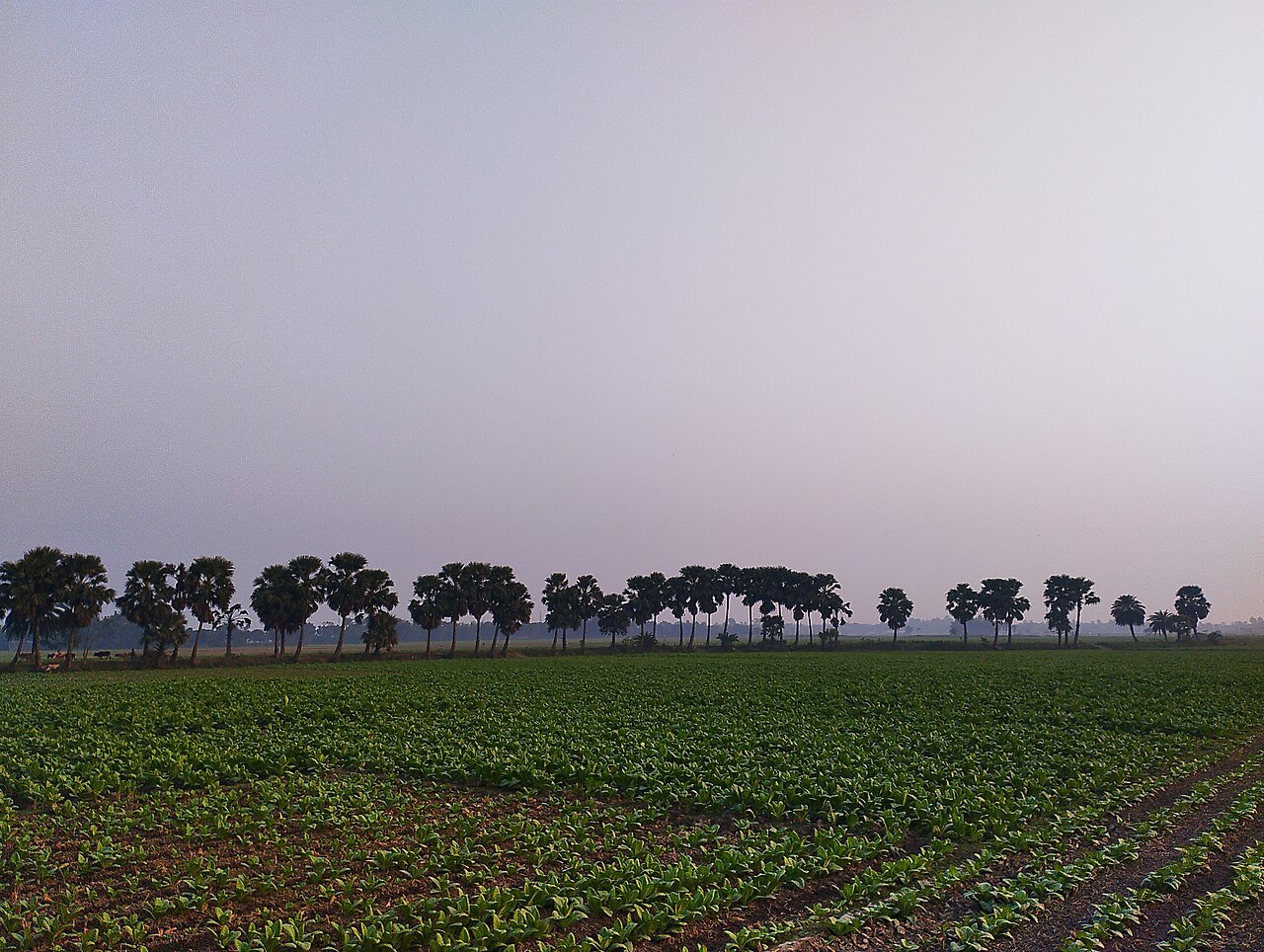
Pirojpur Sadar, the upazila where the festival took place, covers 166.81 square kilometres. Banglapedia names its main fruits as banana, papaya, coconut, watermelon, betel nut and hog plum, and its main exports as banana, coconut, betel leaf and betel nut. Its article on fruit notes that coconut grows abundantly in the southern and central parts of the country, that a palm bears 70 to 80 nuts on average, and that coconuts can be harvested all year.
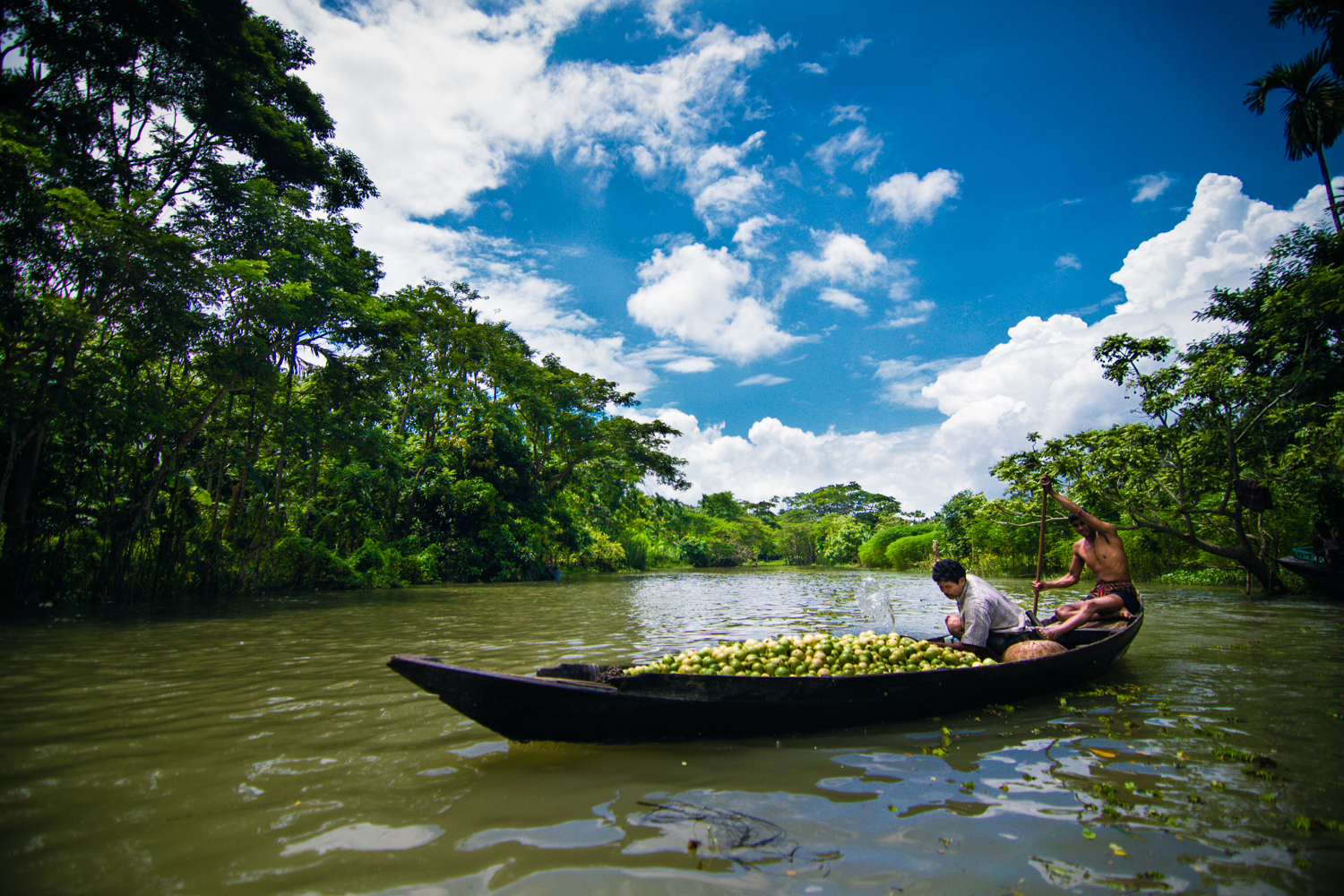
The district's Nesarabad upazila is known for guava. Citing DAE figures, The Daily Star Bangla reported on 10 August 2023 that guava orchards and markets spread across 55 villages in three upazilas, Banaripara in Barisal, Nesarabad in Pirojpur and Jhalokati Sadar, where farmers sell guava from boats on the canals. Nesarabad grows the most: at least 7,656 tonnes on 835 hectares. Jhalokati Sadar produces 6,355 tonnes on 591 hectares and Banaripara 2,940 tonnes on 210 hectares. Local agriculture officials said more than 90 percent of the region's guava goes to Dhaka, Chattogram, Sylhet and other places.
Banglapedia describes a guava variety named after the Swarupkathi area: a medium-sized tree with oval to round, slightly rough fruit and white flesh that is very sweet, soft and has few seeds. Guava is native to tropical America; it reached the region in the middle of the 18th century, and about 50 varieties are now found in the country.
Pirojpur leads in hog plum
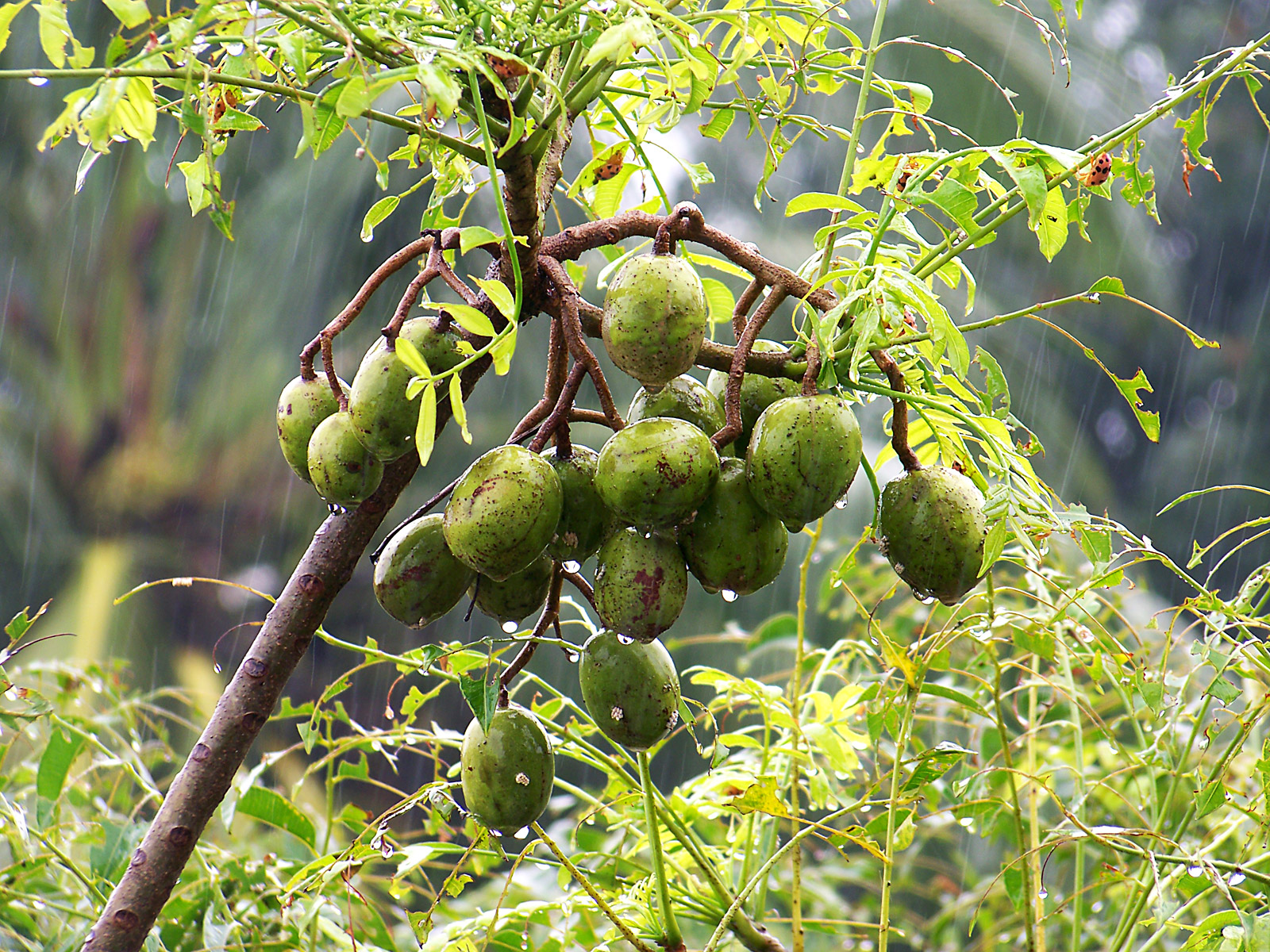
Hog plum (amra), one of Pirojpur Sadar's main fruits, puts the whole district at the front nationally. Citing DAE figures, Prothom Alo reported on 8 May 2025 that hog plum is grown on 1,855 hectares in Barisal division, with an average annual output of 24,684 tonnes. Pirojpur produces the most, 8,677 tonnes, followed by Jhalokati (4,578 tonnes) and Barisal (3,384 tonnes). By area, Jhalokati leads with 602 hectares.
According to the same report, the most hog plum comes from Jhalokati Sadar and from Baldia, Madra, Idelkathi, Kuriana, Sohagdal, Jalabari and nearby areas of Pirojpur's Nesarabad upazila, where families have grown it commercially for generations. The hog plum season begins as the guava season ends, usually from the Bengali month of Bhadra, and lasts about two months. Kuriana bazar in Nesarabad is one of the region's main wholesale centres. A trader there told Prothom Alo that in season at least 20 wholesalers at the market send 500 to 1,000 maunds of hog plum to Dhaka every day. Traders said that in the 2024 season a maund sold for Tk 700 at the start and up to Tk 3,000 towards the end.
On 30 April 2025, at an event marking World Intellectual Property Day, the Ministry of Industries recognised Barishal's hog plum as a geographical indication (GI) product. The same Prothom Alo report said, however, that farmers that year feared for the crop, as little rain fell from January to March and unusually high temperatures made the flowers drop.
The national picture of fruit production
Citing the latest BBS data, The Financial Express reported on 23 December 2025 that the fruit sector grew in fiscal year 2024-25 on the back of rising watermelon, banana and guava output and a spread of exotic fruits. The main figures in the report were:
- Watermelon: up from 581,677 tonnes in FY2023-24 to 1.98 million tonnes, with the area rising from 64,718 acres to 142,817 acres
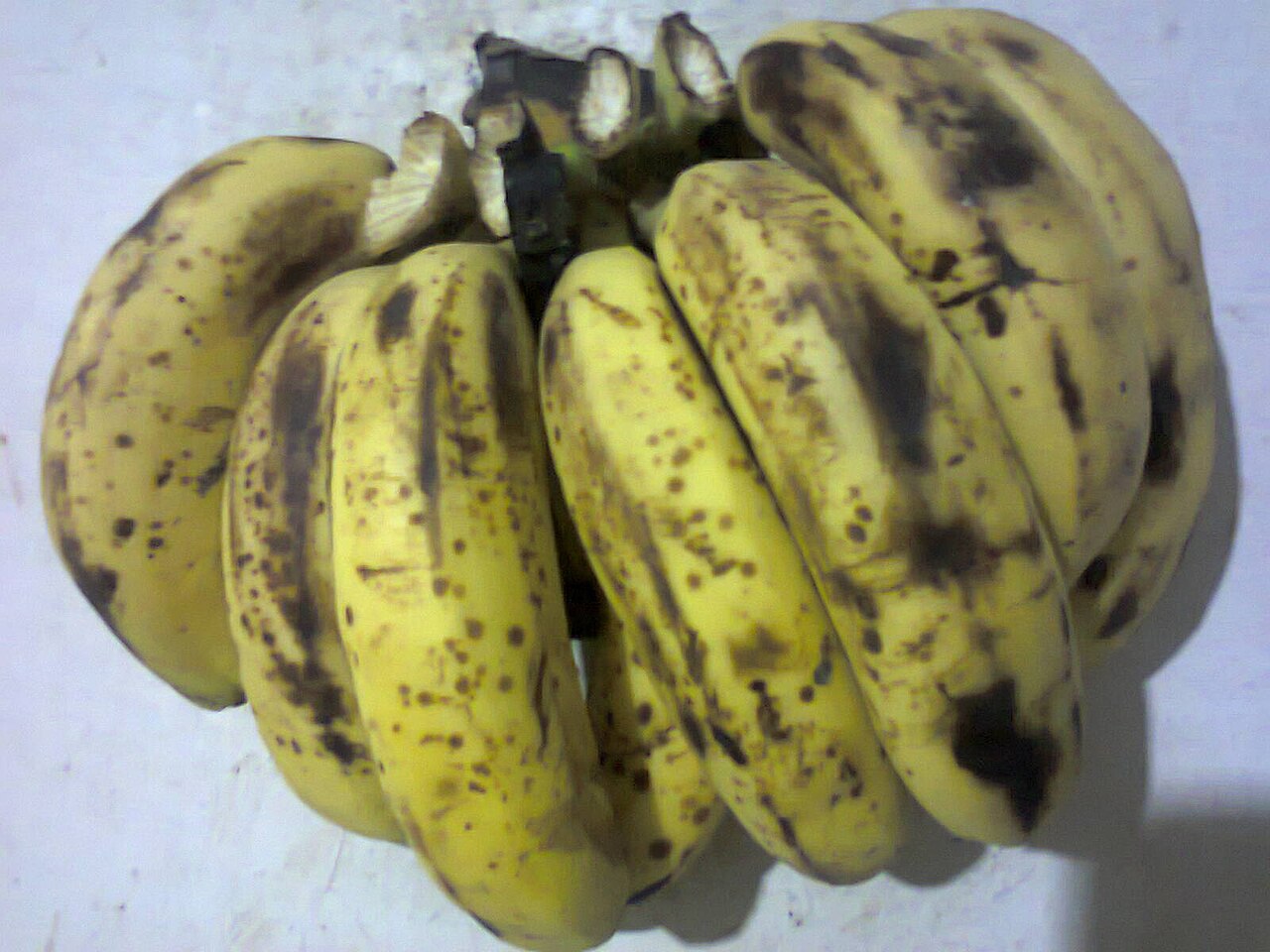
- Ripe banana: up from 813,560 tonnes to 862,692 tonnes
- Guava: up from 257,985 tonnes to 266,405 tonnes
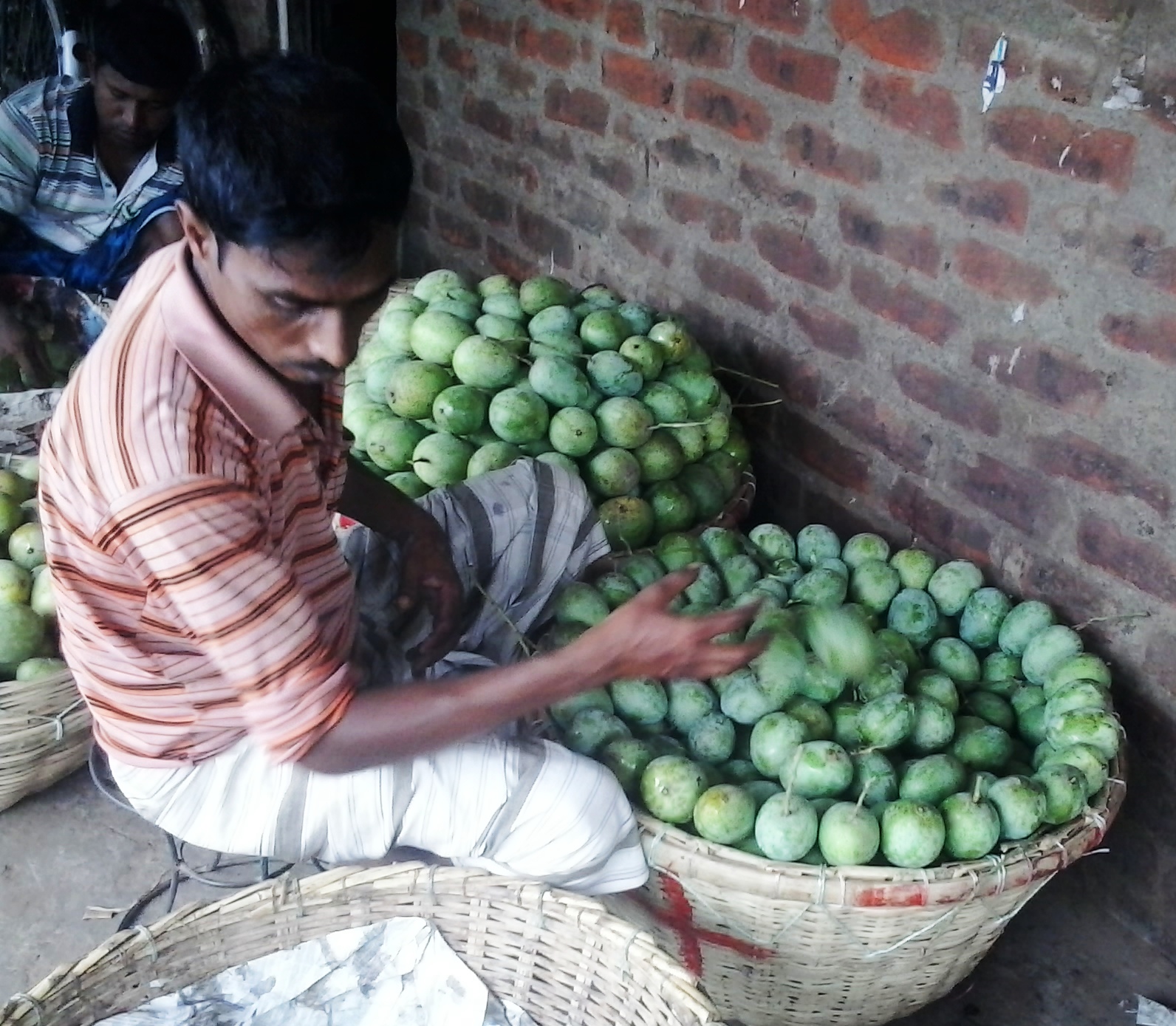
- Mango: down slightly from 1.89 million to 1.87 million tonnes, although the area grew to 344,216 acres
- Jackfruit, the national fruit: steady at 1.02 million tonnes
- Dragon fruit: up from 9,754 to 12,522 tonnes; malta: up from 11,064 to 12,929 tonnes
The same report carried a DAE warning that 25 to 35 percent of fruits such as papaya and guava are wasted for lack of adequate cold storage and transport. Banglapedia likewise notes that because fruit production is seasonal, farmers often do not get a fair price, and that preservation, processing and marketing are major problems for the country's fruit sector.
On jackfruit, Banglapedia records that it is the national fruit of Bangladesh. The ripe pulp is eaten fresh, the large seeds are boiled or roasted for many dishes, unripe jackfruit is cooked as a vegetable, and the rind and leaves are fed to livestock. On mango, it notes that the trees in Bangladesh are raised mostly as homestead plantations.
How much fruit children need
The festival's theme was that eating fruit builds strength. In its healthy diet fact sheet, updated on 26 January 2026, the World Health Organization (WHO) says everyone older than 10 should aim for at least 400 grams of fruit and vegetables a day. The amounts are lower for younger children: at least 250 grams for those aged 2 to 5 and at least 350 grams for those aged 6 to 9, the age group of most primary school pupils.
According to the WHO fact sheet, fresh fruit and vegetables are great choices, and frozen or canned ones are also good if they have no added sugar or excess salt. Fruit juice can be consumed, but most juices, even those without added sugar, contain significant amounts of free sugars, which should be limited. The WHO says a healthy diet with enough fruit and vegetables helps protect against malnutrition in all its forms and against noncommunicable diseases such as diabetes, heart disease, stroke and cancer.
Fruit intake in Bangladesh has risen but remains below that mark. According to the BBS Household Income and Expenditure Survey (HIES) 2022, as reported by The Financial Express, per capita fruit intake rose from 32.5 grams a day in 2005 to 95.4 grams in 2022. Comparing this with the WHO recommendation of 400 grams of fruit and vegetables combined, the report said Bangladeshis still lag behind international standards of nutritious food intake.
Guava is one example of the nutritional value of local fruit. Banglapedia describes it as a major source of vitamin C and pectin, with about 260 milligrams of vitamin C per 100 grams of edible portion, although nutrient content varies with variety, season and ripeness. Guava is eaten both green and ripe, and is made into jam, jelly, juice and pickles. Where a child is on a special diet or has a condition that restricts food, a doctor or nutritionist should advise which fruits, and how much, are suitable.
Photo: Shahnoor Habib Munmun / Wikimedia Commons (CC BY 3.0)
Sources: Jagonews24, The Business Standard, Prothom Alo, The Daily Star Bangla, The Financial Express, World Health Organization, Banglapedia, Wikipedia
Comments
(0)