
Breast cancer is one of the main causes of cancer deaths among women, but diagnosed in time and properly treated it is fully curable, writes Dr Kakoli Haldar, assistant professor of microbiology at Dhaka Medical College, in Ajker Patrika. Shame, lack of awareness and social reticence mean many women see a doctor only at a late stage, which puts their lives at risk.
October is breast cancer awareness month worldwide, 'Pink October', with the pink ribbon as its symbol. According to the article, the World Health Organization's theme this year is 'Every story is unique, every journey matters'.
The main signs on the doctor's list are a hard lump in the breast or armpit, with or without pain; an unusual change in the size, shape or skin colour of the breast, or dimpling of the skin; and a nipple turning inward or discharging blood or abnormal fluid. Not every lump is cancer, she notes, but no change should be ignored: see a specialist.
Some genetic and inherited risks cannot be stopped, but lifestyle changes lower the odds: keeping weight and BMI healthy, at least 30 minutes of physical activity or exercise a day, more vegetables, fruit and fibre, avoiding processed and very fatty food, giving up smoking and alcohol entirely, and not taking long-term hormone therapy without a doctor's advice.
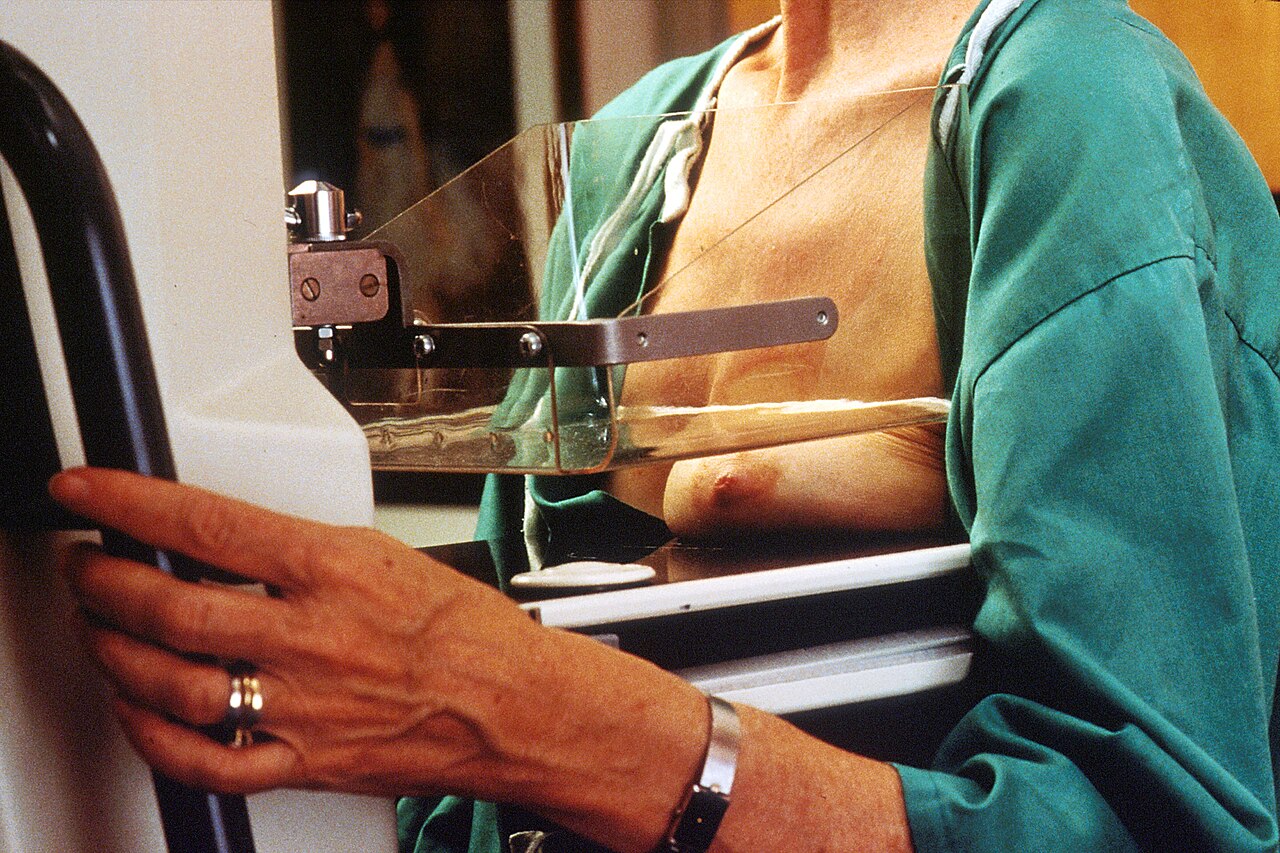
Her screening advice: from age 20, examine your own breasts at least once a month after your period; have a clinical breast examination by an experienced doctor at least once a year; and from 40, have a mammogram every one to two years as the doctor advises. With a family history of breast cancer, screening or an MRI should start earlier.
In Dr Haldar's words, cancer is not a curse but a disease that can be treated. Families should stand by patients with compassion and encourage the women at home to examine themselves and be screened regularly.
Photo: A mammogram, Bill Branson, National Cancer Institute / Wikimedia Commons (public domain)
Source: Ajker Patrika
Comments
(0)