
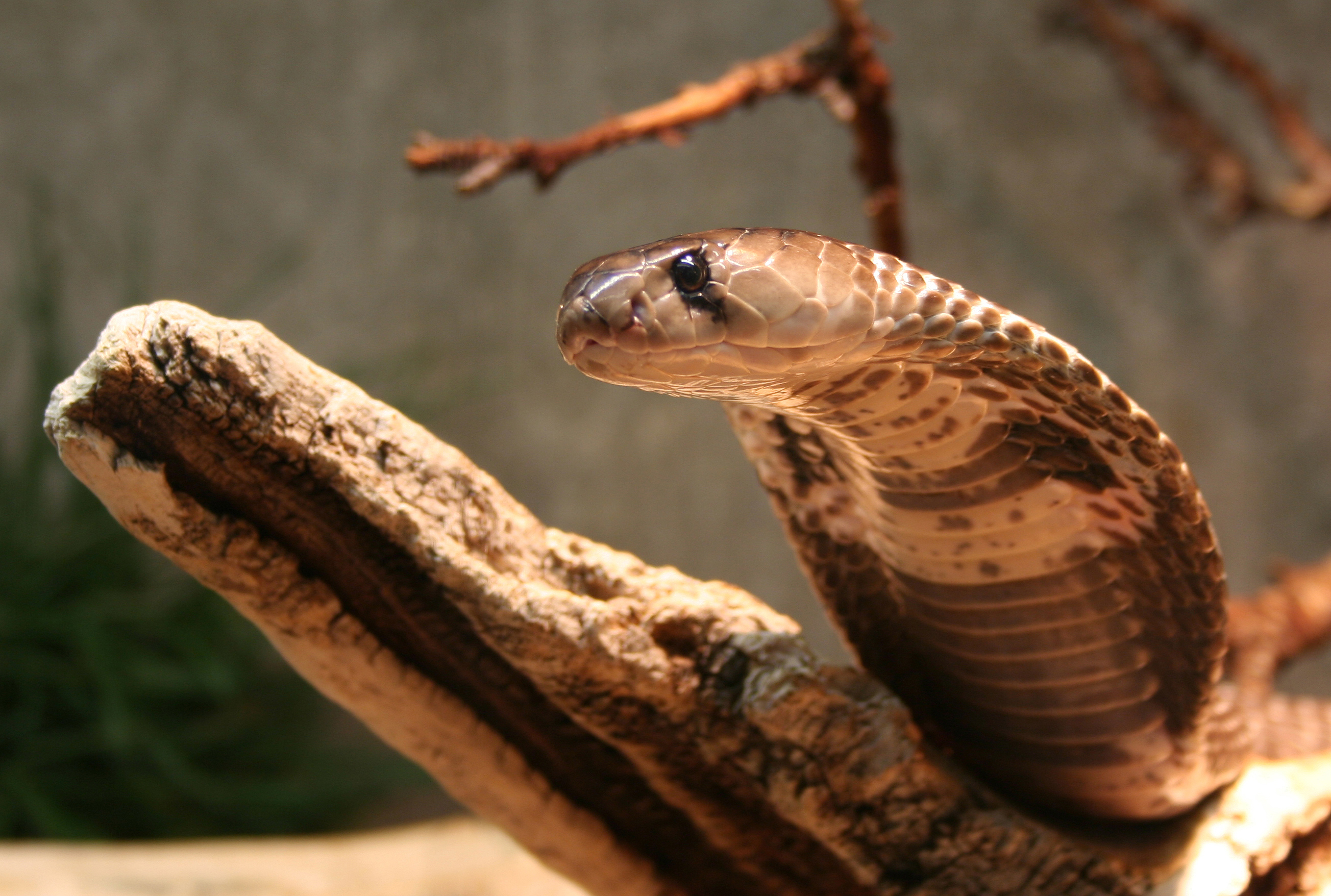
A 16-year-old madrasa student, Shifa Akter, died after a cobra bit her at home in Phulbaria upazila of Mymensingh on Tuesday 9 June 2026. Jagonews24 reported that day that the incident happened in the Palashtali area of the upazila. Shifa was the daughter of Riaz Uddin of the Doripara area.
Bitten in the morning, taken to hospital in the afternoon
Citing family sources, the report said a venomous cobra bit Shifa on the foot that morning as she was taking something down from the top of the fridge inside the house. At first she did not take the bite seriously and went to the madrasa as usual. From the afternoon her condition began to worsen. When foam started coming from her mouth, she was rushed to Phulbaria Upazila Health Complex, where the doctor on duty declared her dead.
Dr Mohammad Hasanul, the Phulbaria upazila health and family planning officer, said: "A snakebite patient named Shifa Akter was brought to the hospital. It is thought she died before she was brought to the hospital."
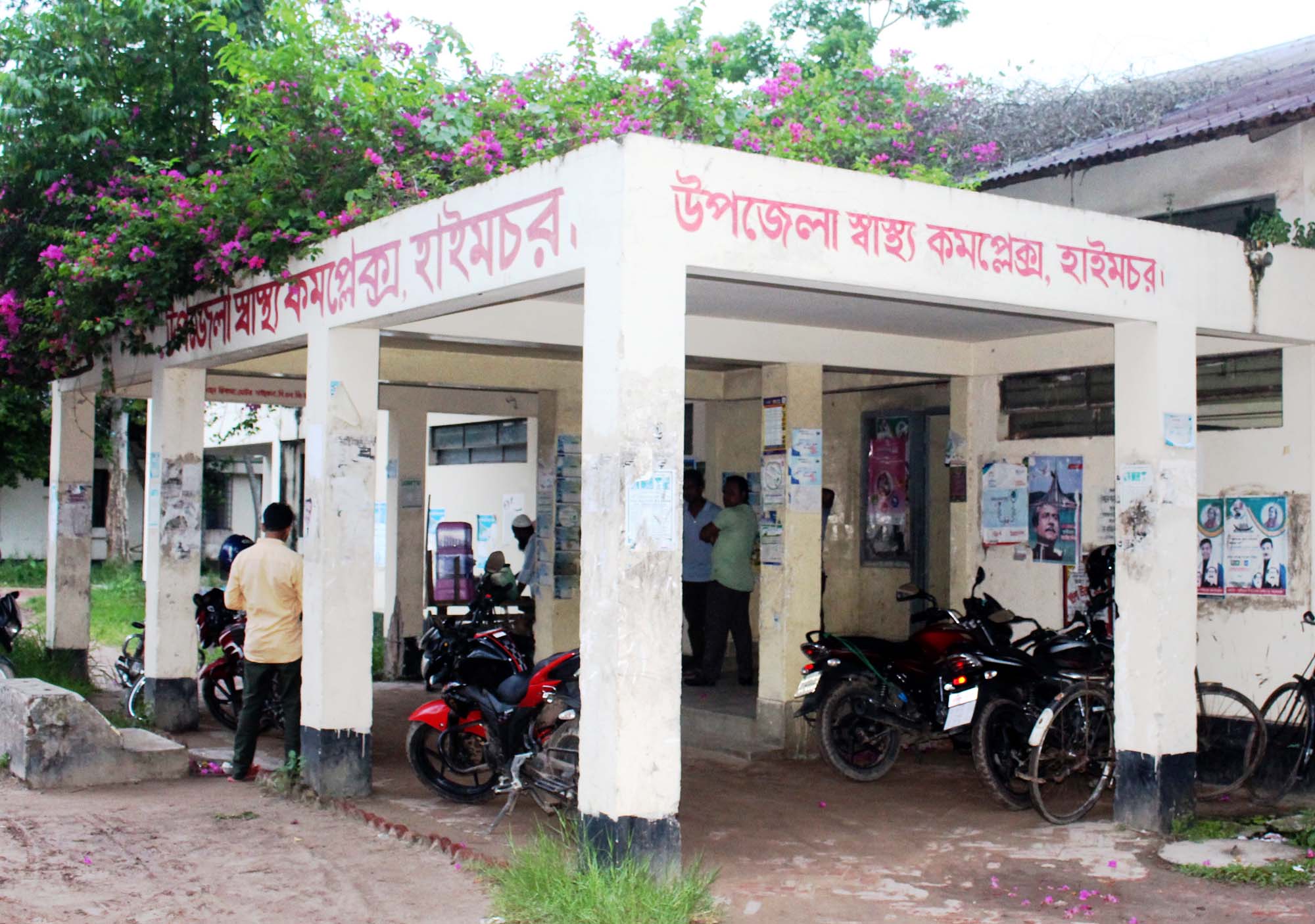
Phulbaria upazila and the cobra
Phulbaria is an upazila of Mymensingh district covering 398.70 square kilometres, with 495,917 people at the 2022 census. Made up of one municipality and 13 unions, it lives mainly from farming; its main rivers are the Khiru, Nageshwari, Banar and Bajua.
The cobra is a hooded venomous snake. The Indian cobra (Naja naja) is found in Bangladesh, India, Pakistan, Sri Lanka and southern Nepal, in forests, paddy fields and wetlands, and also near people in villages and on the edges of towns. Its venom carries a powerful neurotoxin that acts on the nerves and paralyses muscles; in severe cases the breathing muscles can be paralysed within three to four hours of the bite.
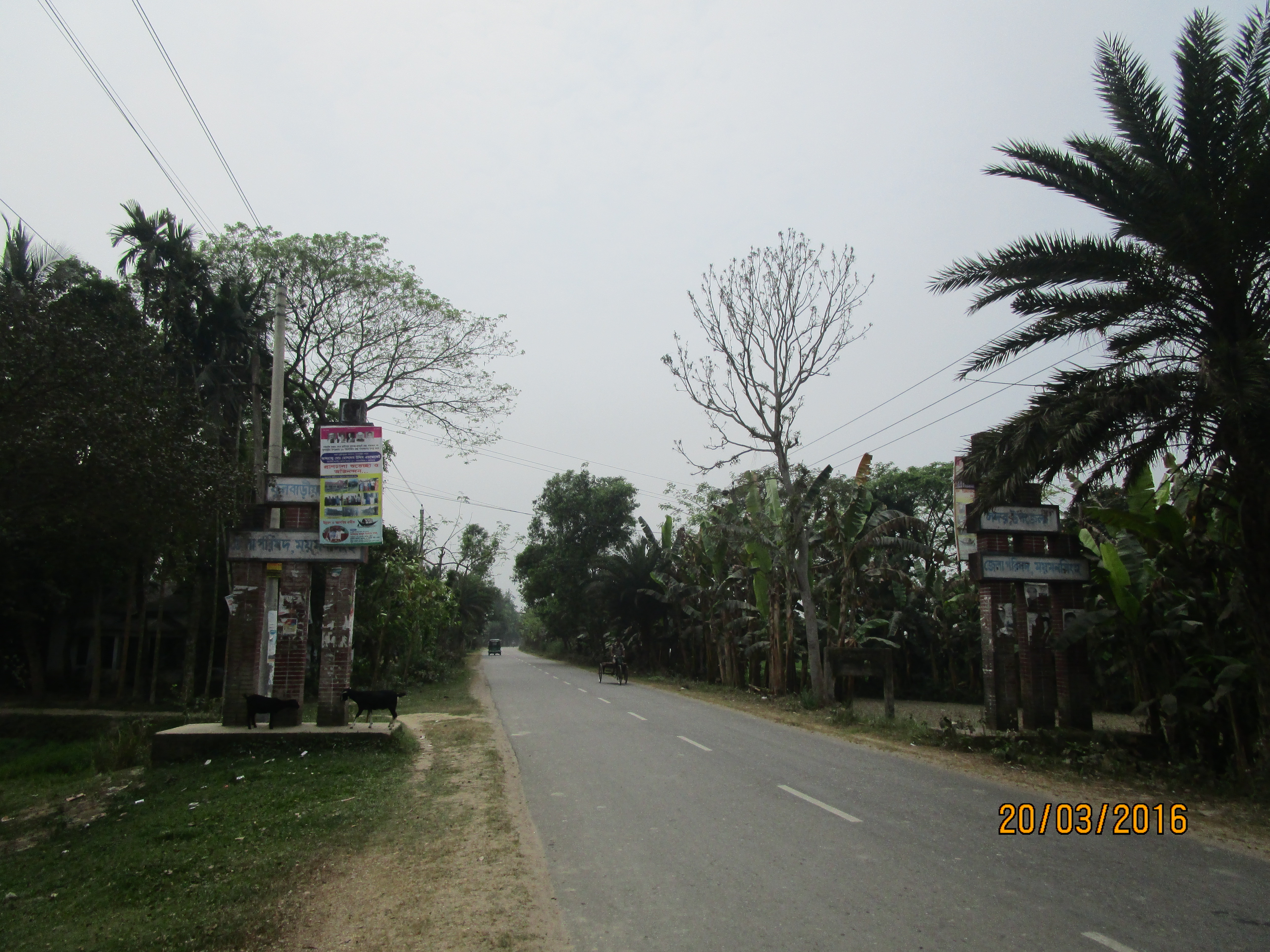
Snakebite in Bangladesh and the world
A study of rural Bangladesh published in PLoS Neglected Tropical Diseases in 2010 estimated that about 589,919 people are bitten by snakes in the country's rural areas each year and about 6,041 die. In that study 71 percent of bites were on the legs. After a bite, 86 percent of victims first went to a snake charmer or traditional healer; only 3 percent went straight to a doctor or hospital.
The World Health Organization (WHO), in its 2019 strategy, put the toll worldwide at about 2.7 million envenomings and 81,000 to 138,000 deaths a year. WHO lists snakebite envenoming as a neglected tropical disease and set a goal of halving deaths and disability from it by 2030.
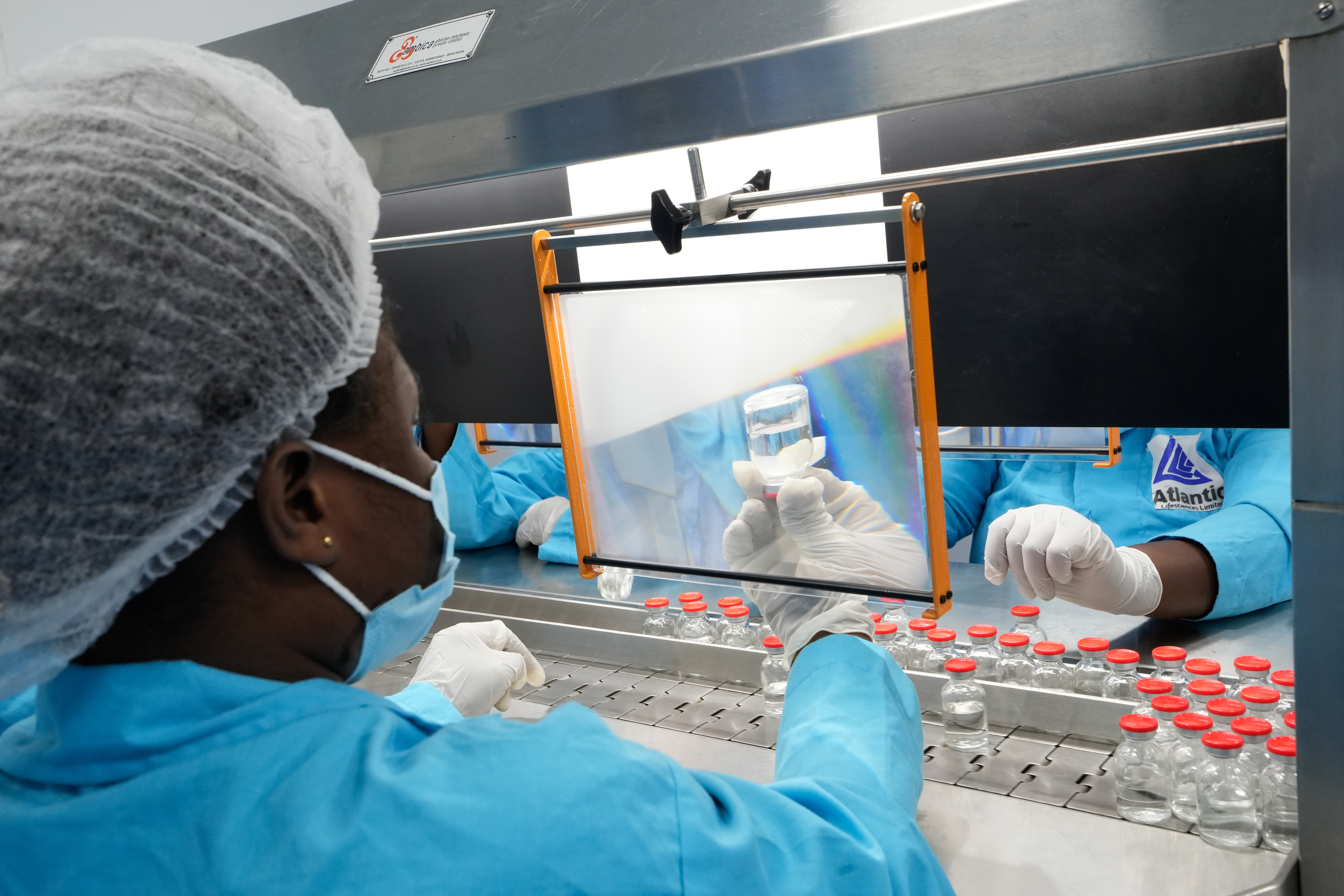
What to do after a snakebite: WHO advice
According to WHO's 2019 questions-and-answers guidance, most methods proposed as first aid for snakebite are ineffective, dangerous or delay proper treatment. WHO advises:
- Keep the bitten person still and do not let them move around at all.
- Carry them on a makeshift stretcher to medical care without delay; if possible lay them on their side to help protect the airway and breathing.
- Do not use narrow tourniquets, cut the wound or the limb, apply chemicals such as potassium permanganate, or use heated glass containers to suck out venom.
- Remedies such as the "black stone" do not work and only waste valuable time.
WHO says the right antivenom is the most effective treatment for a life-threatening snakebite, and it works best when given as soon as possible after the bite, because many effects of venom, including some damage to the nerves, cannot be reversed.
To keep snakes out of homes, WHO advises sealing houses so snakes cannot get in or, where that is not possible, sleeping on a raised platform under a well-tucked mosquito net. Keeping grass short and clearing rubbish around houses, paths and play areas, carrying a light outdoors at night and wearing footwear also lower the risk.
Photo: Holger Krisp / Wikimedia Commons (CC BY 3.0)
Sources: Jagonews24, World Health Organization (WHO), PLoS Neglected Tropical Diseases, Wikipedia
Comments
(0)