
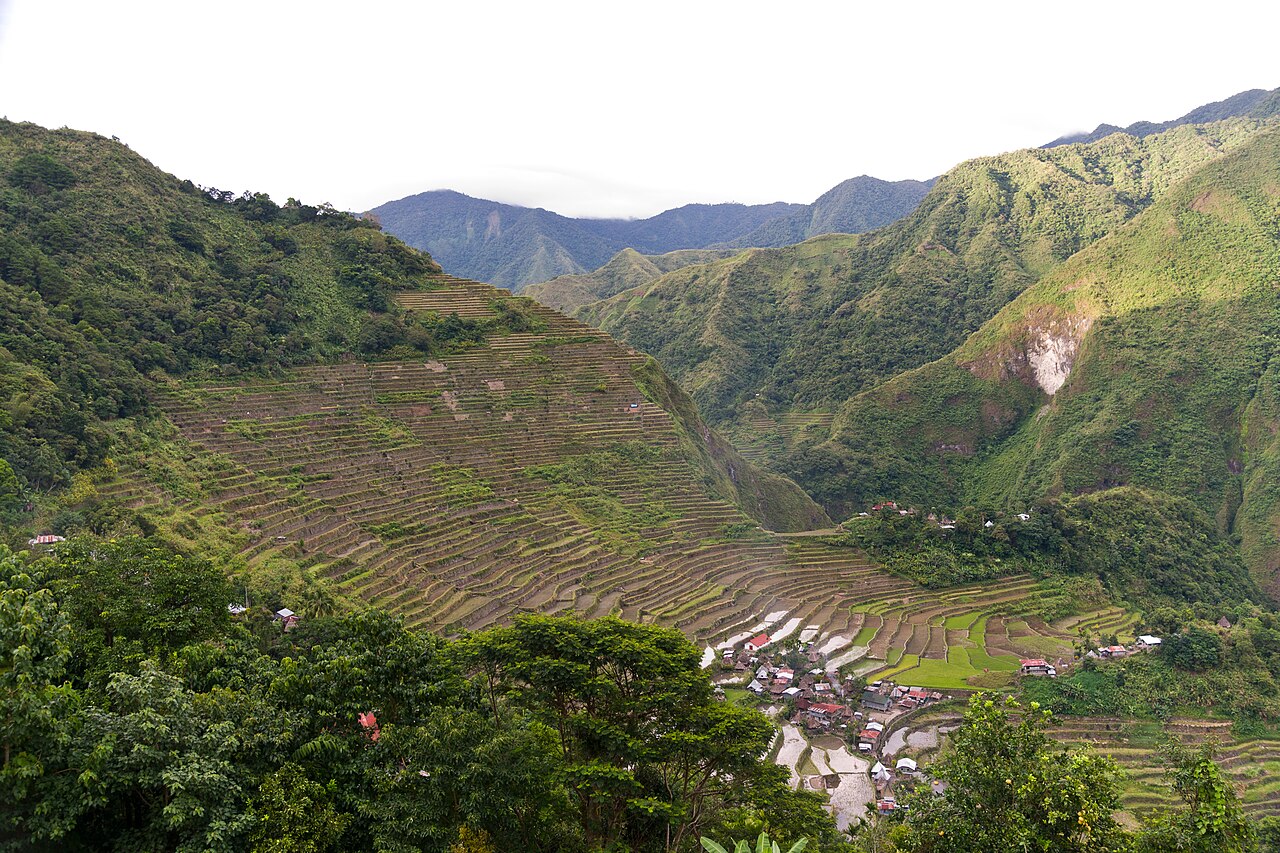
The Philippine government is considering whether to seek a national State of Calamity declaration as forecasters warn that a developing Super El Niño could cut palay, or unhusked rice, production by as much as 1 million tonnes this cropping cycle.
Agriculture Secretary Francisco Tiu Laurel Jr. told a Senate hearing this week that "all indications point to a Super El Niño". The Department of Agriculture now projects output of around 19.7 million tonnes, down from a target of 20.7 million. Senator Francis Pangilinan, who chairs the Senate agriculture committee, urged the department to seek President Ferdinand Marcos Jr.'s approval for a calamity declaration, saying five regions are most at risk.
Damage is already on record. A department assessment in late September found that El Niño-linked dry conditions had hit 223,214 farmers in 14 regions, with losses of 6.87 billion pesos and about 249,028 hectares affected. By 5 October, 106 cities and municipalities, mainly in Cagayan Valley, Caraga and Bicol, were under local states of calamity, affecting 388,375 people in 104,149 families.
The weather bureau PAGASA expects El Niño to become "very strong" between September and December and to last into the first half of 2027, with the driest conditions from November to April, the window of the dry-season rice crop. Officials say higher fertiliser and fuel prices are already pushing some farmers to use less fertiliser or skip planting because they lack the money up front.
The department has drawn up a 61.99-billion-peso action plan but has a funding gap of about 371 million pesos for some measures, including cloud seeding over drought-hit farms. Pangilinan pointed to the 2014-2015 cocolisap infestation, which damaged about 2 million coconut trees in Calabarzon, when a calamity declaration helped release around 500 million pesos in extra support.
The Philippines is one of the world's largest rice importers and competes with other Asian buyers for supply from Vietnam, Thailand and India. A loss of 700,000 to 1 million tonnes, on top of about 63,000 tonnes already lost this year, would widen the gap to the roughly 863,000 tonnes of rice officials say is needed as a buffer stock, making larger import tenders more likely in the coming months.
Photo: CEphoto, Uwe Aranas (Batad rice terraces, Philippines) / Wikimedia Commons (CC BY-SA 3.0)
Source: Global Agriculture

Comments
(0)