

A new global assessment of three decades of genetically modified (GM) crops estimates they generated nearly $385 billion in cumulative farm income between 1996 and 2024, more than half of it for farmers in developing countries, and helped cut the farm sector's greenhouse gas footprint. The report was released in Manila.
It estimates avoided emissions equivalent to taking 97 million to 256 million cars off the road for a year, mainly through less tractor fuel with herbicide-tolerant crops that need fewer spray passes and support no-till farming, and lower pesticide use.
Global Agriculture notes that the author, PG Economics, has produced similar assessments for nearly two decades with funding from industry-linked bodies, in this case ISAAA and CropLife Asia, which represent biotechnology and crop protection interests. The claim that more than half the income gain reached developing countries, if accurate, would counter the criticism that GM crops mainly benefit large commercial farms.
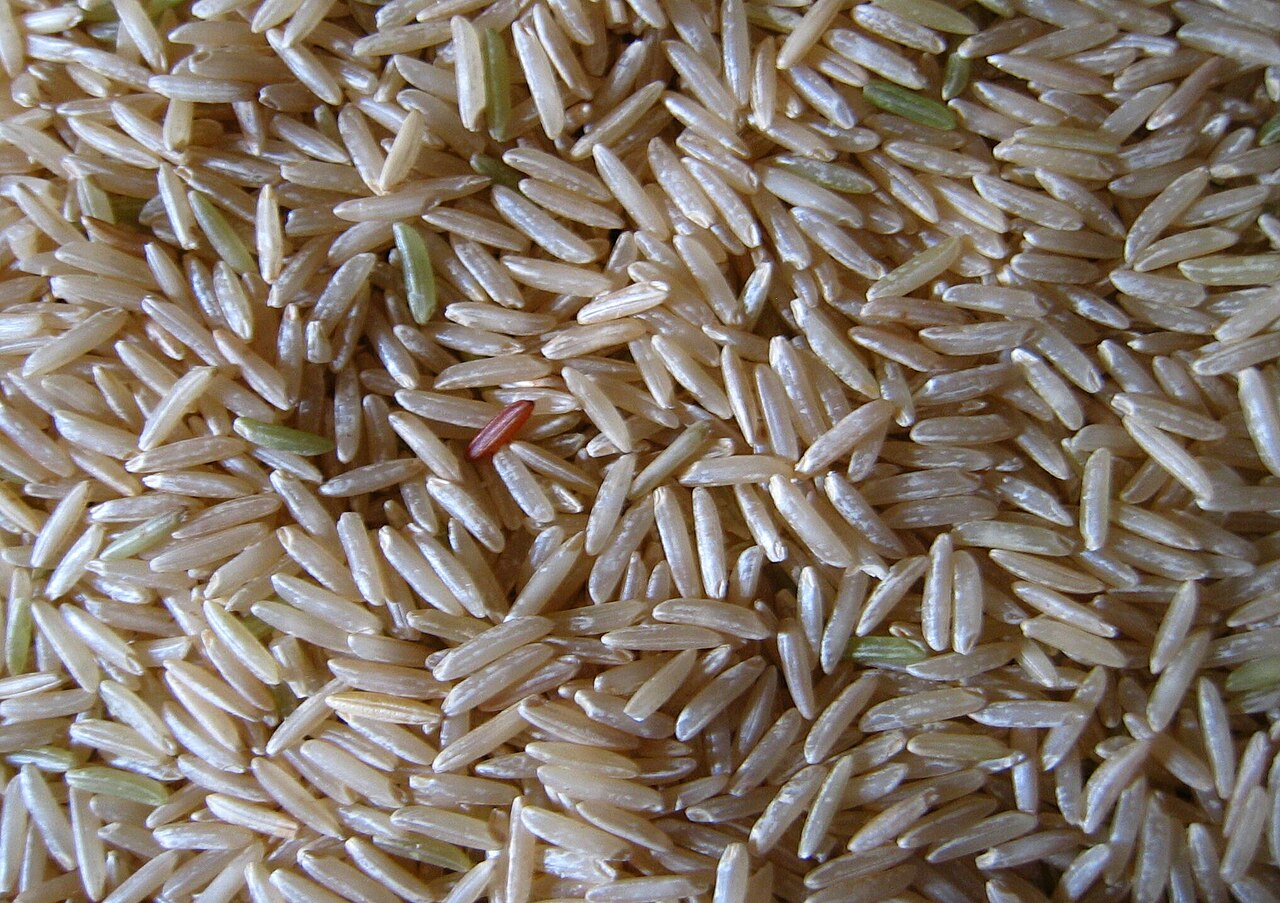
Photo: Gilles San Martin / Wikimedia Commons (CC BY-SA 2.0)
Source: Global Agriculture


Comments
(0)