
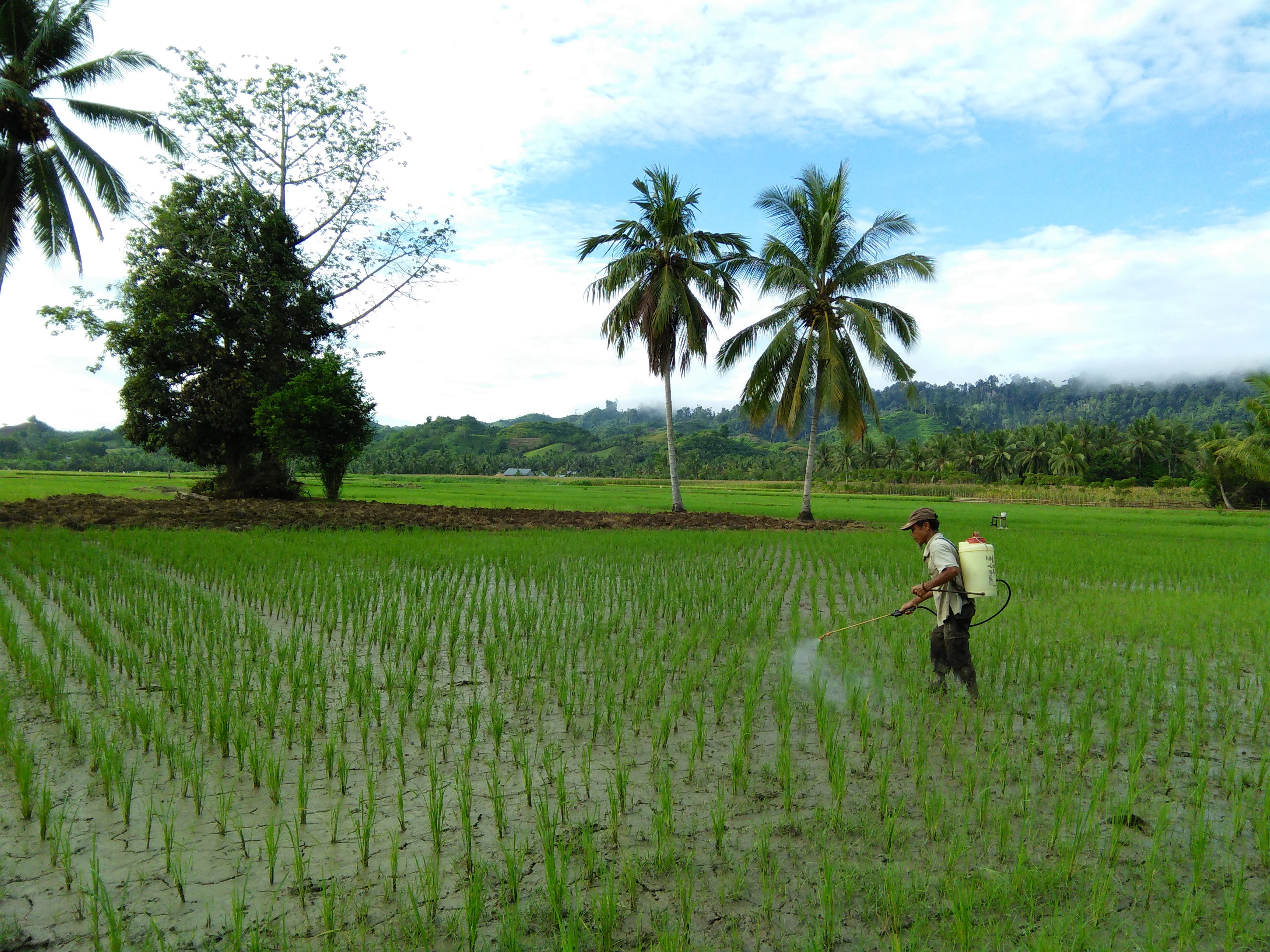
Pesticide bottles and packets carry a green, yellow or red band. In a column published by Jagonews24 on 27 August 2025, agriculture and environment specialist Samiran Biswas explained the colours: green, he wrote, marks a less hazardous product, yellow a highly hazardous one and red an extremely hazardous one. Guidance from the Food and Agriculture Organization of the United Nations (FAO) and the World Health Organization (WHO) agrees that the coloured band signals how toxic the product is.
Where the colour bands come from
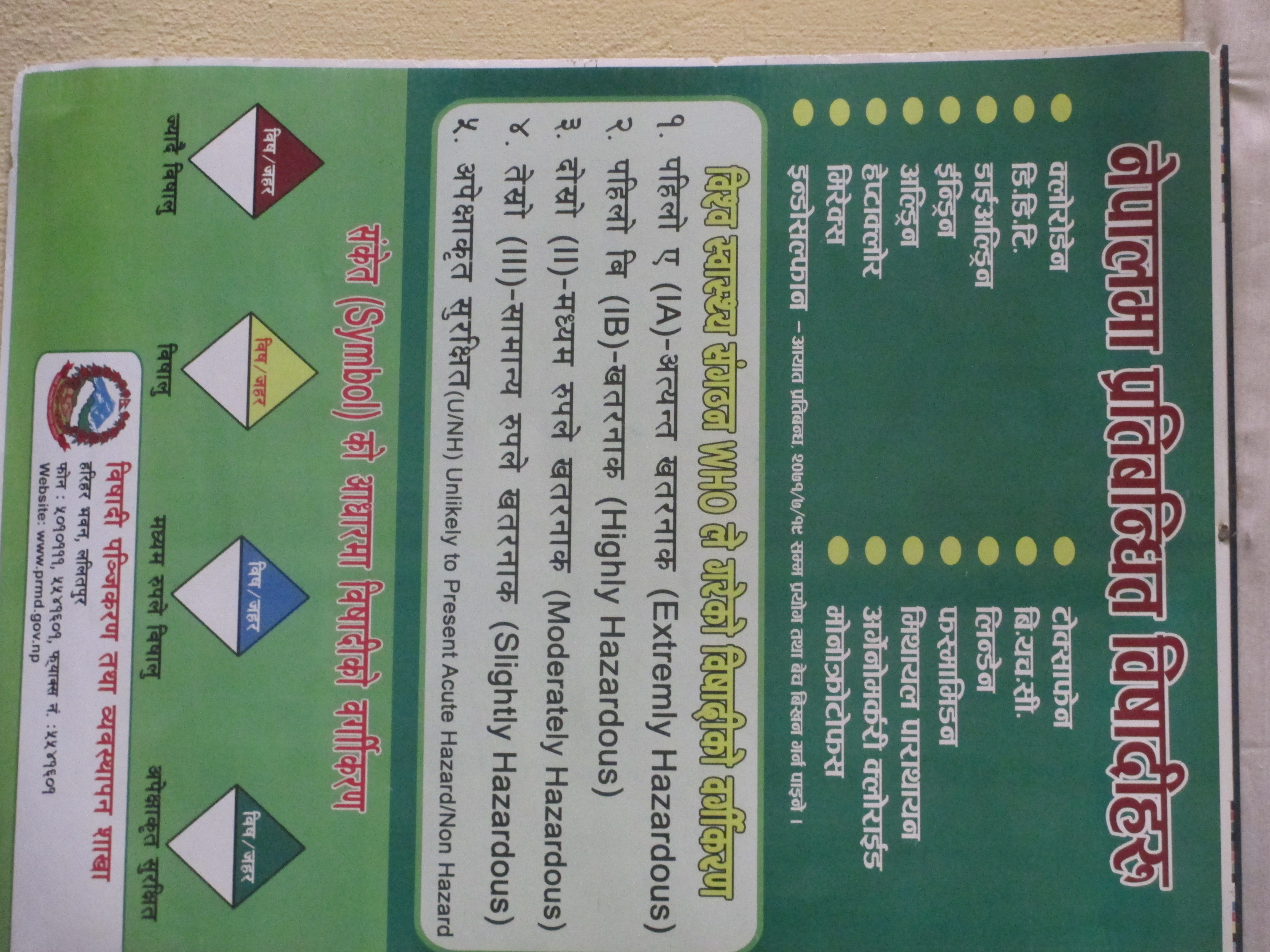
According to FAO's revised Guidelines on Good Labelling Practice for Pesticides, published in August 2015, FAO introduced a colour band scheme based on the WHO Classification of Pesticides by Hazard. A band of a specific colour, linked to the product's hazard class, is printed horizontally across the bottom of the label; many countries, especially in the developing world, require it. The annex to the guidelines matches the WHO classes to colours as follows:
- Class Ia (extremely hazardous) and Class Ib (highly hazardous): red band
- Class II (moderately hazardous): yellow band
- Class III (slightly hazardous): blue band
- Class U (unlikely to present acute hazard in normal use): green band
The current WHO classification is the 2019 edition, published in May 2020. It rates pesticides mainly by their acute risk to human health, using data such as LD50 values from laboratory rats. In 2022 FAO and WHO issued a second revision of the labelling guidance. It bases a revised colour scheme on the UN's Globally Harmonized System (GHS), replaces green with grey, and recommends a red band for products classed as carcinogenic, mutagenic or toxic to reproduction.
The column also tied each colour to a fixed wait before harvest. Under the FAO guidelines, however, the band shows toxicity only; the pre-harvest interval is stated in each product's own directions for use, so it has to be read from the label in hand.
Bangladesh's labelling law
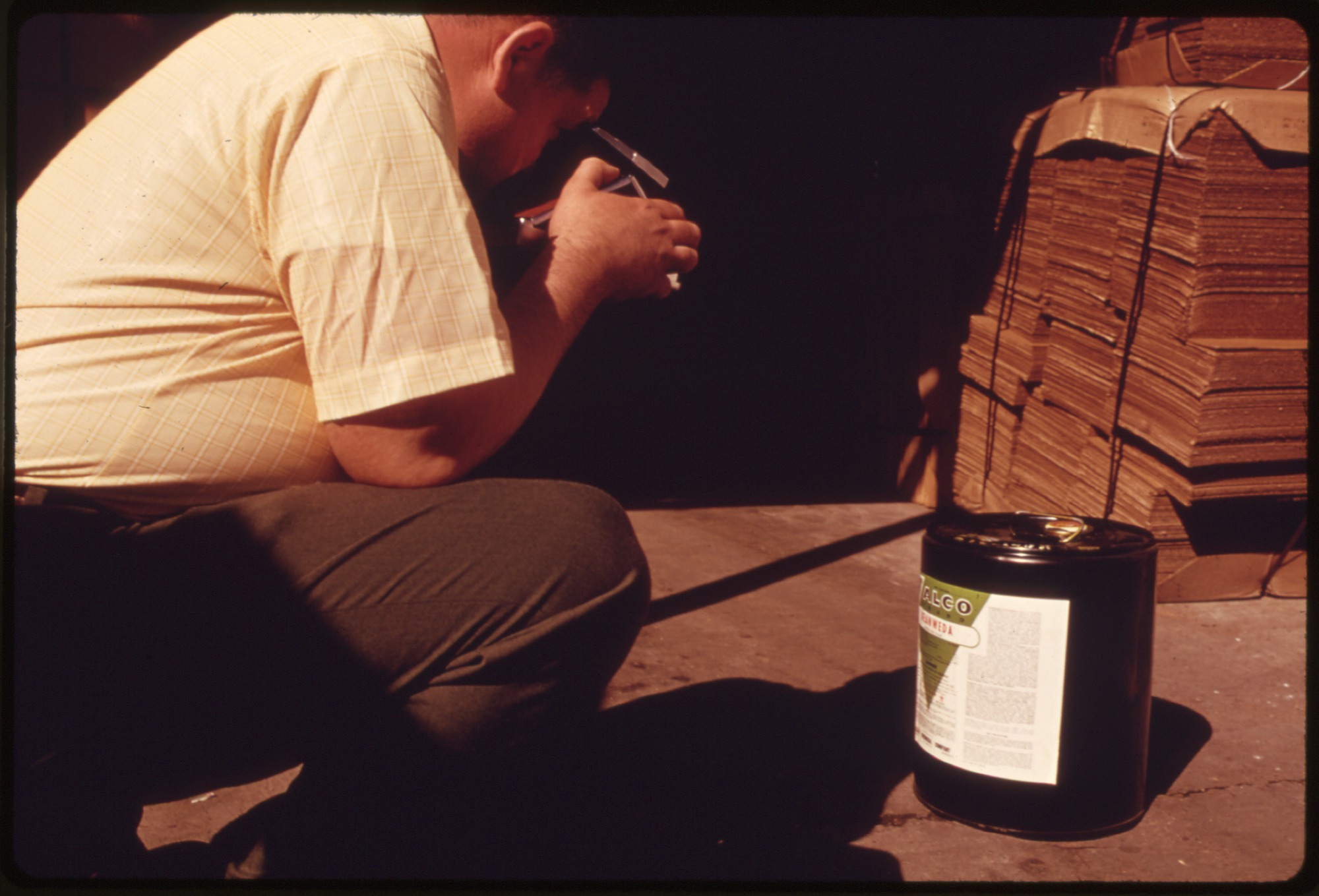
In Bangladesh, pesticides are governed by the Pesticides Act 2018, enacted on 29 July 2018 to replace the Pesticides Ordinance of 1971. Section 16 bars anyone from selling or stocking a pesticide for sale unless every container carries a durable tag or label, and requires the brand and other details to be printed in clear Bengali script. The licensing authority is the director of the Plant Protection Wing of the Department of Agricultural Extension (DAE). A brand registration lasts three years.
A study published in the International Journal of Epidemiology in 2017 reported that all WHO Class I pesticides were banned in Bangladesh in 2000, and that 21 pesticides were partly or wholly banned between 1996 and 2007. The researchers found that the pesticide suicide rate fell from 6.3 per 100,000 in 1996 to 2.2 per 100,000 in 2014, with no apparent effect of the bans on rice production.
Health risks and safe handling
Biswas warned that misusing pesticides harms the human body. WHO's 2022 fact sheet on pesticide residues says pesticides are potentially toxic to humans and can have both acute and chronic health effects, depending on the quantity and the way a person is exposed; large exposures may cause acute poisoning or long-term effects that may include cancer and harm to reproduction. Those most at risk are people exposed at work, at home or in the garden, above all farm workers who apply them.
FAO lists the minimum warnings every label must carry; they double as basic rules for users:
- Read the label before use.
- Keep the product locked away and out of reach of children.
- Do not eat, drink or smoke while using it.
- Wear the protective clothing and equipment the label names, and wash after use.
- Never reuse an empty container.
WHO adds that washing or peeling fruit and vegetables lowers pesticide residue intake. On which product suits which crop, and when, farmers should ask their upazila agriculture officer. Anyone who swallows a pesticide or feels unwell after contact with one should see a doctor or go to hospital without delay.
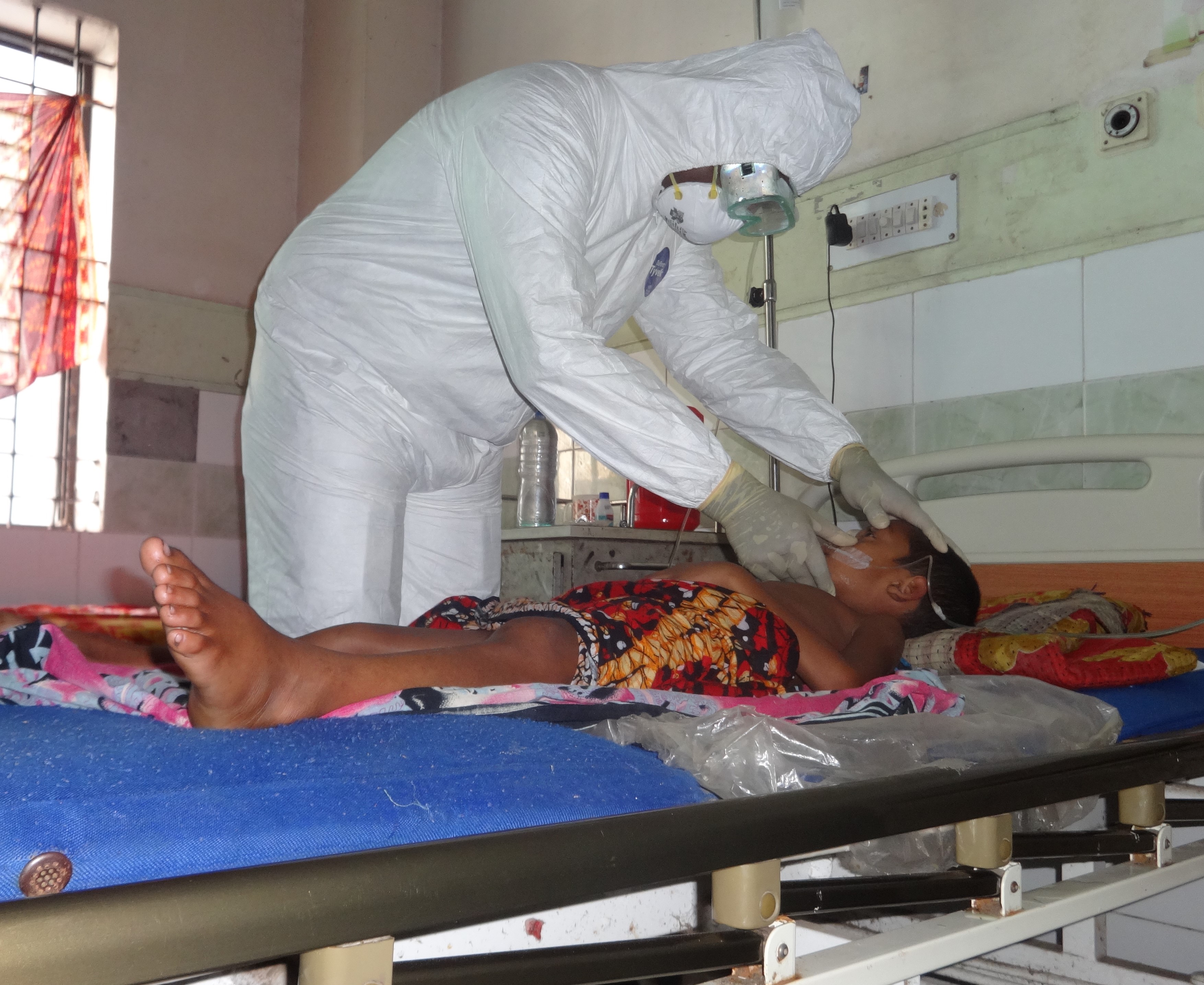
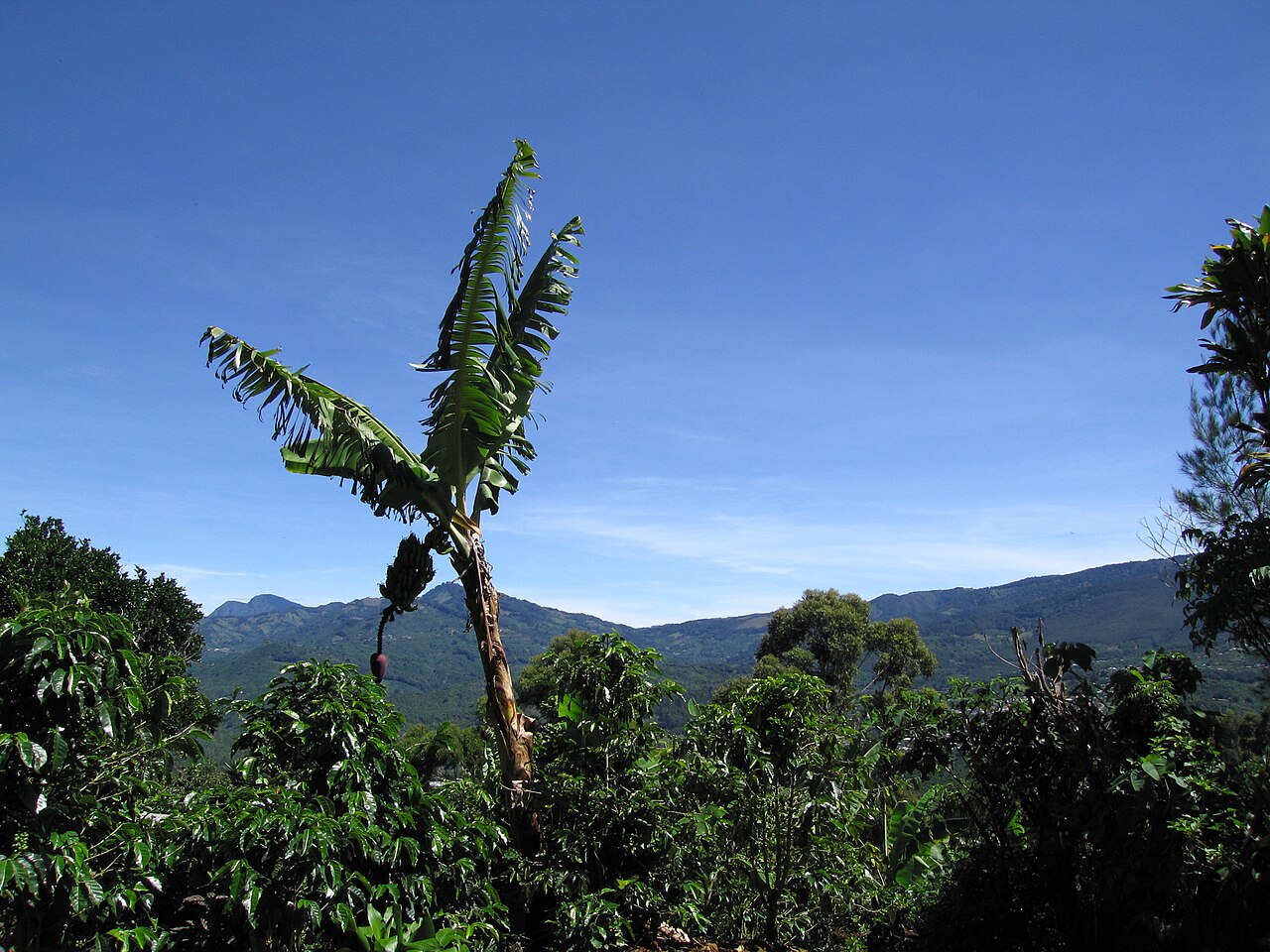
Photo: T. R. Shankar Raman / Wikimedia Commons (CC BY-SA 4.0)
Sources: Jagonews24, Food and Agriculture Organization of the United Nations (FAO), World Health Organization (WHO), Pesticides Act 2018 (Laws of Bangladesh), International Journal of Epidemiology
Comments
(0)