
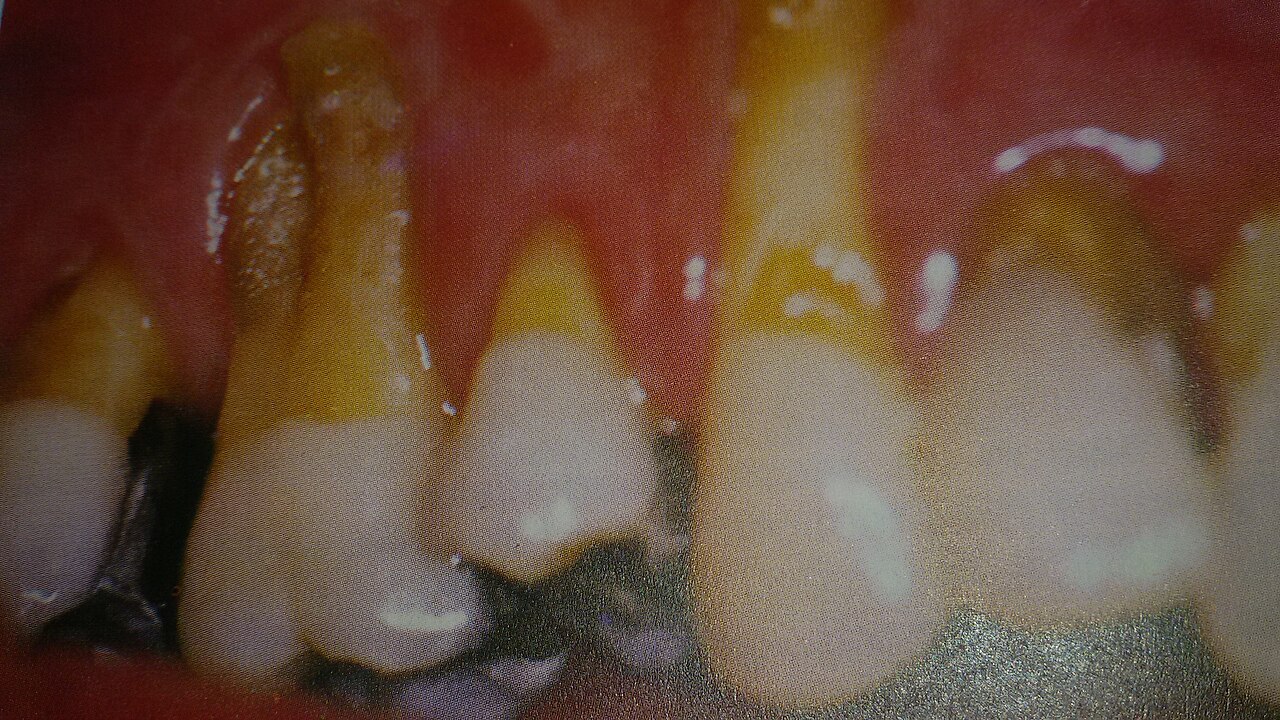
The teeth are far from the heart, yet severe gum disease, periodontitis, is strongly linked to heart disease. Dr Syed Atiqur Rahman, assistant professor at the dental unit of Sir Salimullah Medical College and Mitford Hospital in Dhaka, writes in Prothom Alo that the European Federation of Periodontology and the World Heart Federation published a joint report on the link in 2020.
According to the studies he cites, the first large study, of 9,760 people in 1993, found that people with periodontitis had a 25 per cent higher risk of coronary heart disease, rising to 72 per cent in men under 50. The Atherosclerosis Risk in Communities (ARIC) study in the United States found that people with gum disease had more than twice the risk of cardioembolic and thrombotic stroke.
The US National Health and Nutrition Examination Survey found severe gum disease made peripheral artery disease 2.2 times more likely, and a Korean study found twice the risk. An analysis of more than a million people in Taiwan's national database found a 31 per cent higher risk of atrial fibrillation, an irregular heartbeat, in periodontal patients.
Scientists point to three possible mechanisms. Bacteria such as Porphyromonas gingivalis in gum pockets can enter the blood and settle in heart tissue, valves and fatty plaques. Long-term gum inflammation raises inflammatory chemicals such as CRP, interleukin 6 and TNF alpha in the blood, which stiffen arteries and help blockages form. And some bacterial proteins resemble the body's own, so the immune system may mistakenly attack the blood vessels.
His advice for a healthy heart: brush with toothpaste twice a day; see a dentist promptly for bleeding or swollen gums or bad breath; have teeth and gums checked at least twice a year; avoid smoking and betel leaf with tobacco; and keep diabetes, blood pressure and cholesterol under control.
Photo: Turca2015 / Wikimedia Commons (CC BY-SA 4.0)
Source: Prothom Alo


Comments
(0)