
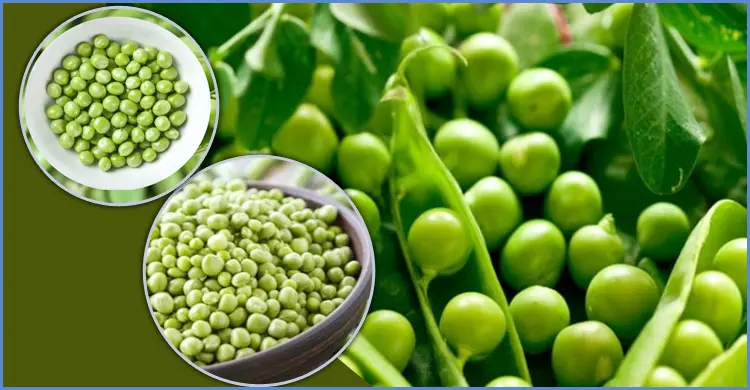
Peas are a popular winter vegetable in Bangladesh. They can be eaten in many ways: fresh, or dried and cooked as dal, and they are also tasty fried. Peas are delicious and nutritious, and a major source of plant protein.
Mature peas cooked as dal are now very popular in special dishes at family occasions, and a large share of the peas produced in the country is used as dal. Peas are now being grown widely in Bangladesh.
Climate, soil and varieties
Peas suit a cool, partly humid climate. The most suitable temperature for growing them is 10 to 18 degrees Celsius. Loam soil is well suited; in clay soil seedlings tend to die of disease. Make sure the soil is well drained.
Several pea varieties can be grown in the country. Varieties named Arkel, Alaska, Green Feast, Snow Flake, Bonneville and Sugar Snap are being cultivated. BARI Motorshuti-1, BARI Motorshuti-2, BARI Motorshuti-3, IPSA Motorshuti-1, IPSA Motorshuti-2, IPSA Motorshuti-3, Alaska and Sugar Snap are also very popular.
Sowing
The suitable months for growing peas in Bangladesh are November to February, when the climate is favourable, but sowing in November is best.
Seed can also be sown in October, but frequent rain at that time often makes land preparation impossible, so peas should be planted at the right time. Pea plants are very weak as seedlings, so the land must be prepared thoroughly with four to five rounds of ploughing and levelling with a ladder.
Seed should be treated with a seed pesticide before sowing and sown in rows, 20 cm apart within rows spaced 40 cm apart.
The paired-row method is good for peas. If waterlogging is likely, make the rows on raised ground. About 60 to 70 kg of seed is needed per hectare, depending on the variety and sowing method.
Fertiliser, irrigation and weeding
Apply 40 kg of cow dung, 400 grams of urea and 600 grams of TSP per decimal of land. Half of the urea and TSP should go in during land preparation and the rest in two instalments later. Pea seed should be sown at least 7-10 days after applying fertiliser at the final ploughing.
For a good yield, give at least two to three irrigations in the dry season, and it is essential to irrigate at least once when pods form. Keep the field free of weeds by pulling them from both sides of the rows with a weeder from time to time, and destroy weeds between rows with light hoeing.
Diseases, pests and harvest
Peas are mainly attacked by damping off, rust, powdery mildew and anthracnose, which strike at the seedling stage. They can be controlled with Dithane M-45. Spraying Ridomil MZ mixed at 2 grams per litre of water also gives good results.
Cutworms damage the crop by cutting seedlings at the base. In the early stage the attack can be reduced by searching around the base of cut seedlings at dawn and killing the insects. Some other pests are also seen, and appropriate action should be taken as soon as they appear.
Pea plants flower within one to one and a half months of sowing. Peas for seed can be harvested 20 to 25 days after flowering. The right time to pick pods is when the seeds are full-sized but not yet hard.
Source: Jagonews24. First published in Bengali on The Agro News.
Comments
(0)