
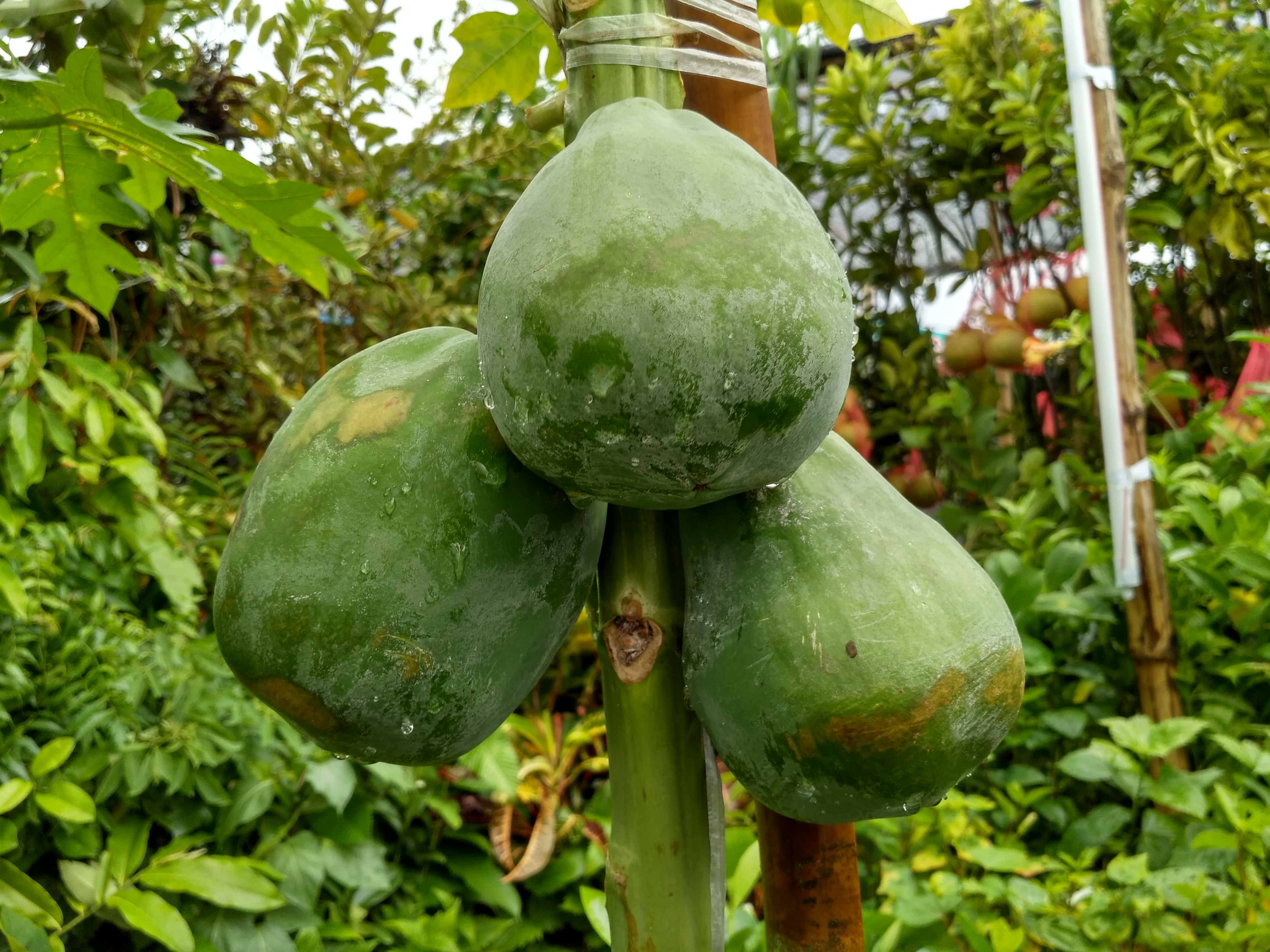
Abu Bakar Siddique Sumon, a former migrant worker from Baylakhali village in Chandpasha union of Babuganj upazila, Barishal, has built a business selling papaya and papaya seedlings that Jago News described in July 2026 as worth crores of taka. He began growing papaya on his own fallow land in 2021, after a life that took him to 22 countries as a railway employee, a house painter, a day labourer and a businessman abroad. Alongside the orchard he has set up the Delowara Agro Training Centre, where, the report said, he has given hands-on training to young people, students, the unemployed and retired people from different districts and helped more than 2,000 people start out as farm entrepreneurs.
Jago News published the story on 22 July 2026. Dhaka Post had carried a report on the same grower the evening before, on 21 July, with many of the same figures. Both reports were based on visits to the orchard and on interviews with Sumon, his neighbours and the upazila agriculture office. This account sets out what the two reports said, and adds background on Babuganj, on papaya as a crop and on the diseases that papaya growers in Bangladesh watch for.
A working life across 22 countries
Poverty forced Sumon to leave school in 1977, while he was in class nine, and take a job with the railway. When that job ended four years later, he went to Beirut, Lebanon, in 1981 hoping to change his fortunes. Because of the war there he had to return home 17 months later, after passing through Syria and Palestine. Back in Dhaka he got by in Fakirapool, working sometimes as a painter and sometimes as a day labourer.
In 1986 a newspaper advertisement led to a job as a painter in Kuwait, and over a long working life abroad he travelled to 22 countries. In 1993 he started work as a painter for a Hyundai company in South Africa. While working there he saw commercial papaya farms in Zimbabwe and Malawi and became interested in the crop. He later started his own business in South Africa and took training in papaya growing there. Dhaka Post added that he bought land at home while building the business abroad.
The years that followed brought heavy losses. In 2014 a robbery at his business abroad cost him a great deal of money. He came home and started a business in Dhaka, but, according to Jago News, lost everything there in another robbery. His wife developed kidney disease, and he returned to his village home in Babuganj; Dhaka Post dated that return to 2020 and said he came back for her treatment. She died in 2021, and he went through a hard period of financial trouble and loneliness.
From a fish loan to a papaya orchard
The turn came in 2021. When Sumon sought a loan for fish farming, Saiduzzaman, then the senior upazila fisheries officer of Babuganj, advised him to grow papaya alongside the fish. He received Tk 50,000 in support from a government project. His first attempt failed. He then brought quality seed from Gazipur, began raising his own seedlings and, using the techniques he had learned in South Africa, turned his fallow land into a commercial papaya orchard. Dhaka Post wrote that the seedlings he raised from that seed brought the success he had hoped for.
Gazipur is the home of the Bangladesh Agricultural Research Institute (BARI), the country's main research body for crops other than rice, jute, sugarcane and tea, which have institutes of their own. According to Banglapedia, BARI began in 1908 as the Agricultural Research Laboratory, Bengal, in Dhaka, became BARI in 1976 and completed its move to Joydebpur in Gazipur in 1980. Among its six crop-based research centres is a Horticultural Research Centre. Neither report named the supplier of Sumon's seed.
The orchard and its varieties
At the time of the reports Sumon had about 1,250 mature papaya trees on 1 acre 48 decimals of land and along the banks of three fish enclosures, known locally as ghers. Jago News listed the varieties as Shahi, Kashmiri and Top Lady; Dhaka Post, reporting from the orchard, mentioned Shahi and Kashmiri. Both reports said each tree gives on average four to five maunds of fruit, and that the orchard has produced papayas weighing as much as five kilograms. Dhaka Post said that local people had come to call him a "papaya revolutionary", and that many buyers had to book in advance to get seedlings from his nursery.
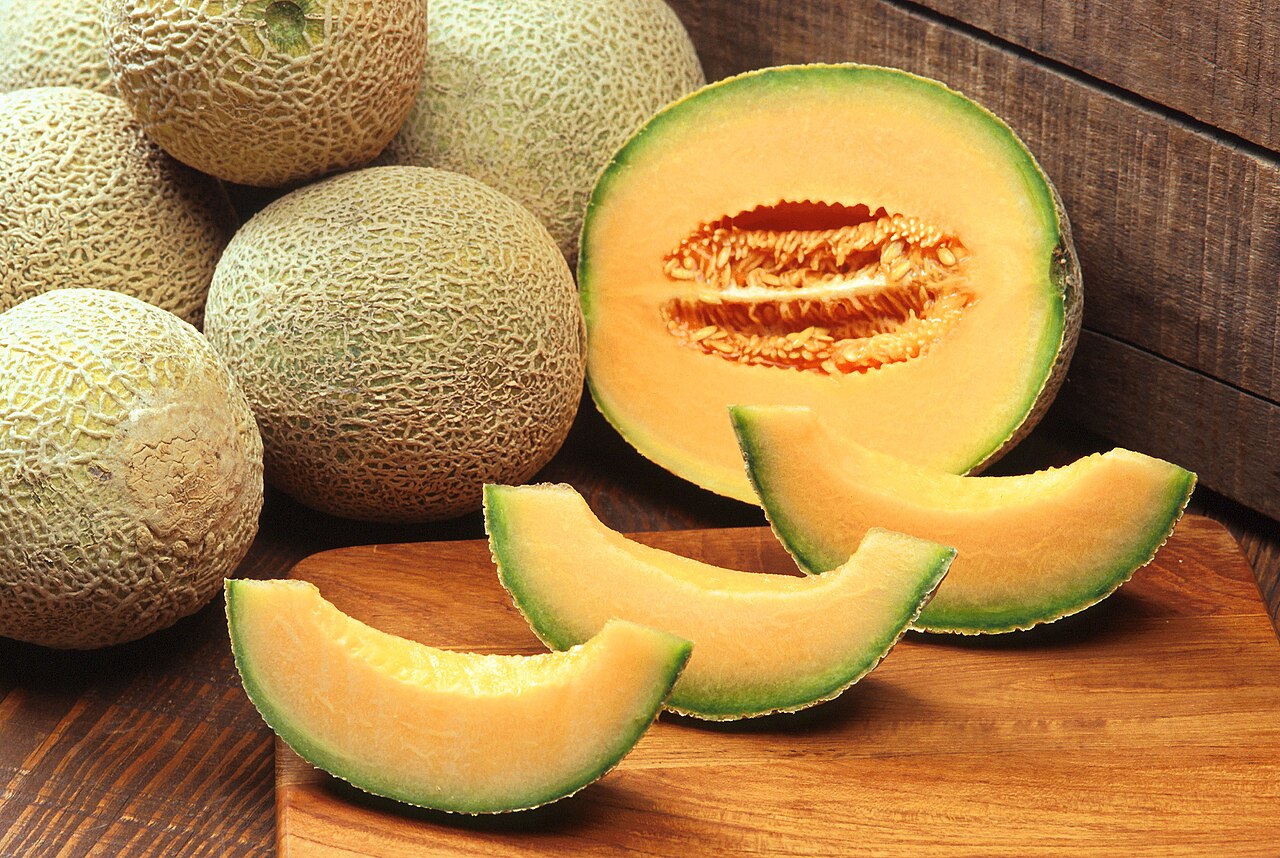
Papaya, Carica papaya, is a soft-stemmed, usually unbranched tree of the family Caricaceae, with a crown of large, deeply lobed leaves on long stalks. Banglapedia, the national encyclopedia of Bangladesh, says it came from Central America and reached South Asia in the later part of the sixteenth century. The green fruit is cooked as a vegetable and the ripe fruit is eaten fresh; Banglapedia notes that more than 60 percent of the papaya produced in the country is eaten as a vegetable, and that the latex of the fruit contains papain, an enzyme similar to pepsin.
Papaya is usually dioecious: male and female flowers grow on separate plants, though because sex is controlled by several pairs of genes, intermediate plants carrying both kinds of flower also occur. Banglapedia explains that since there is no way to tell young male and female plants apart, growers plant two or three seedlings in each pit to make sure there are enough female plants. Worldwide, a 2025 study in the Journal of Fungi noted, papaya is the fourth most produced tropical fruit after banana, orange and mango.
Sales and seedlings, as reported
According to information from the Department of Agricultural Extension (DAE) in Barishal, as cited by both papers, over the past five years Sumon sold about Tk 60 lakh worth of raw and ripe papaya and Tk 1.6 crore worth of papaya seedlings, making a profit of about Tk 60 lakh. Jago News reported that he sold about Tk 15 lakh of papaya in the previous season alone and that he expected to sell Tk 20 lakh to Tk 25 lakh worth of raw and ripe fruit in the current season; Dhaka Post gave his expectation for the season as about Tk 25 lakh. Jago News also reported that since the start of 2026 he had made a profit of about Tk 7 lakh from seedling sales alone.
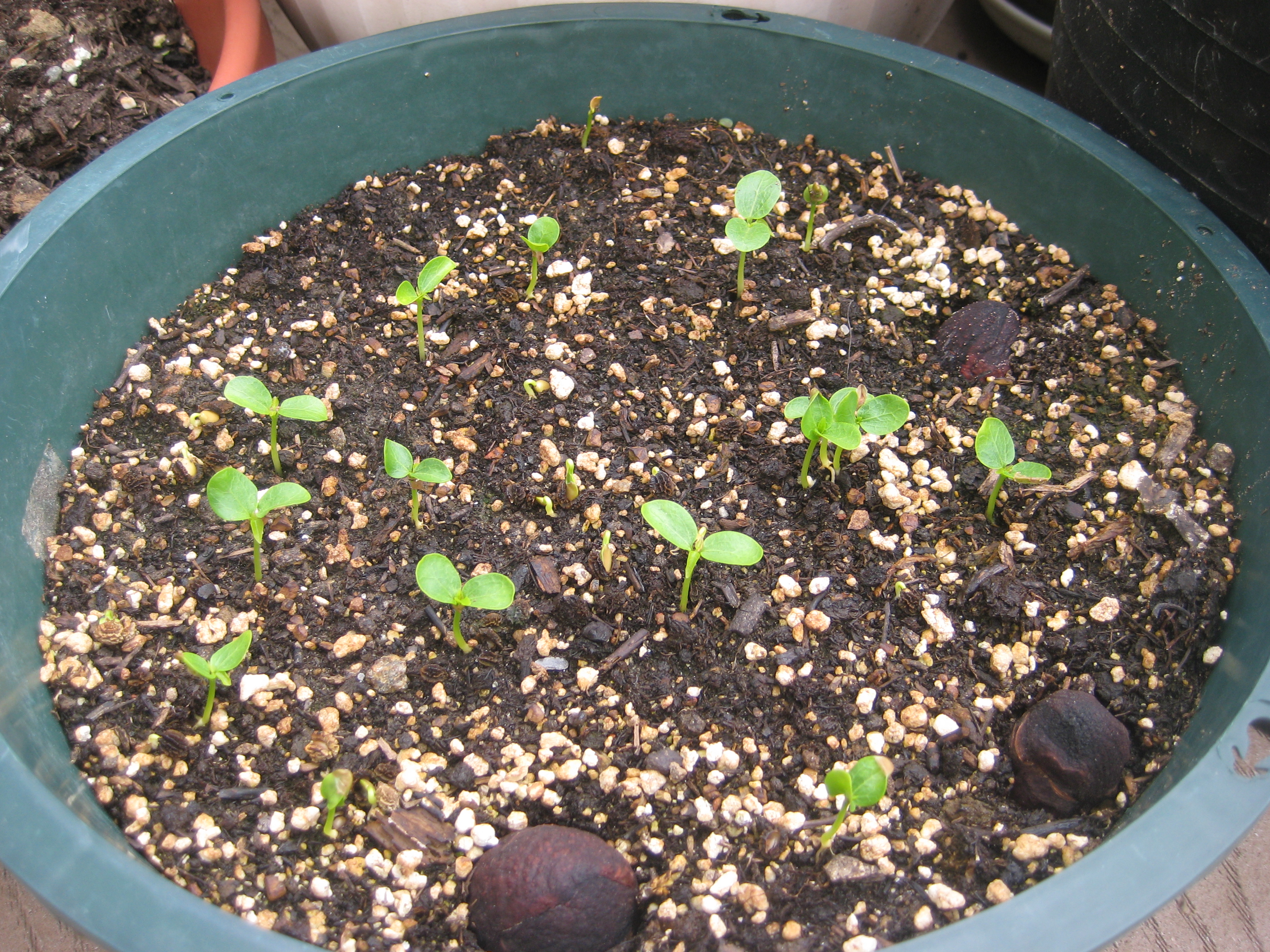
Seedlings have become the larger part of the business. The figures Sumon gave, as both reports set them out, were these:
- 2023: about 6,000 seedlings sold, the first year of seedling sales.
- 2024: about 35,000 seedlings sold.
- 2025: about 14 lakh (1.4 million) seedlings sold.
- 2026: six lakh seedlings produced and sold despite various setbacks, by the time of the reports in July.
- 2027: a target of 20 lakh seedlings sold across the country, for which he had already built a modern poly house.
He told the papers that he makes a profit of about Tk 5 per seedling after costs. Dhaka Post added that his success had drawn farmers in Babuganj and other parts of Barishal to commercial papaya growing. These sales and profit figures are as Sumon and the agriculture office gave them to the reporters; they are not audited accounts.
Vegetables on the banks of the fish enclosures
Papaya is not the only crop on the farm. On the banks of his fish enclosures Sumon grows companion crops including sweet pumpkin, bottle gourd, snake gourd, sponge gourd, bitter gourd and yardlong beans. By the ponds he grows vegetables on trellises, a method known in Bangladesh as macha, and, according to both reports, this brings him several lakh taka more a year.
Researchers have looked at what such mixed fish and crop farming does for households in Bangladesh. A 2022 article in the journal Food Security, which studied 1,188 households in the coastal delta, summarised earlier work by Dey and colleagues (2013) and by Murshed-E-Jahan and Pemsl (2011): those studies found that training farmers in integrated aquaculture and agriculture had a significant positive effect on their technical efficiency, productivity and net income, which in turn led to higher food consumption and better household nutrition. The same article cited a 2019 study by Ahmed and Waibel which found that homestead aquaculture raised household food consumption and dietary diversity, both through more fish eaten at home and through extra cash income.
A training centre and the people around it
Dhaka Post reported that Sumon built the Delowara Agro Training Centre on 48 decimals of land. Young entrepreneurs, unemployed young men, university and college students and even retired people come to it from different districts. Sumon told Dhaka Post that more than 2,000 entrepreneurs had come out of the centre in three years and that many of them were now growing papaya successfully.
"Agriculture can be one of the most effective ways to end unemployment in the country," Sumon told Jago News. "Just a few trees can change the life of an unemployed student looking for a job."
"I want unemployed young people and students to take up farming as a profession," he said. "If a student plants just 25 improved papaya trees alongside their studies and cares for them properly, they can earn nearly one lakh taka in a single season. Instead of waiting for someone else's job, they should put the fallow land at home to use." That income estimate is his own.
"I give papaya-growing training free of charge at my training centre," he added. "People come from different parts of the country, train and become successful entrepreneurs." He told Dhaka Post that if government financial support were increased, many more educated young people could become farm entrepreneurs.
Sihab Uddin, a young man from Baylakhali, told Jago News: "Since Sumon bhai became successful, people are coming from different parts of the country to train with him. Many are growing papaya successfully with seedlings from him." Mostafa Kamal, a teacher at Babuganj Degree College, told the paper that he had grown improved seedlings bought from Sumon with success, and that alongside teaching this had become a new source of income for him.
Abdur Rouf, the Babuganj upazila agriculture officer, told Jago News that his office had visited the orchard several times. "He is a hard-working, enterprising agricultural entrepreneur who is helping farmers by producing quality papaya seedlings," he said. "His initiative is an example for others. If many farmers follow him into commercial papaya farming, the agriculture department will continue to give every kind of support."
Babuganj and Barishal
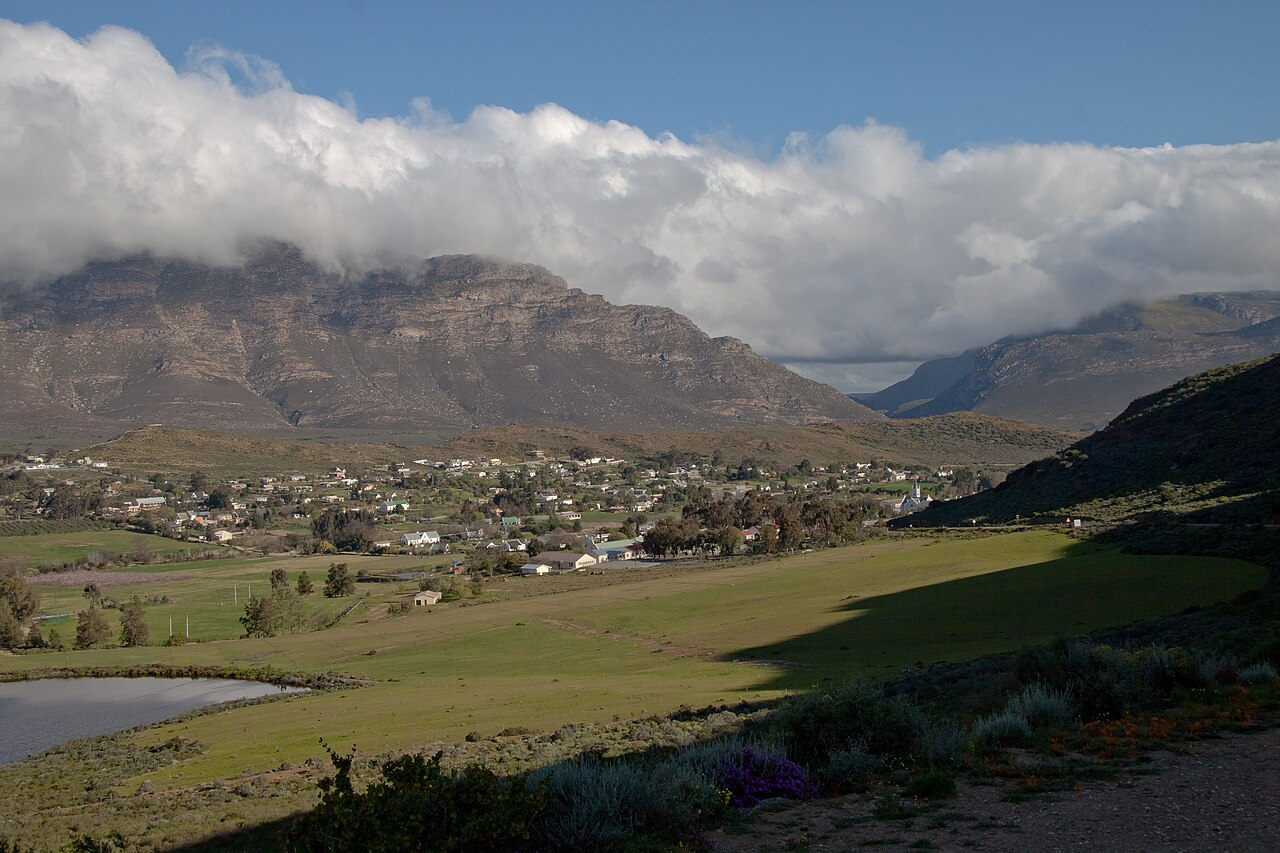
Babuganj is an upazila of Barishal district covering 164.87 square kilometres. Banglapedia describes it as bounded by Gaurnadi upazila to the north, Barishal Sadar and Jhalokati Sadar to the south, Muladi and Barishal Sadar to the east and Wazirpur to the west. Its rivers include the Arial Khan, Kalijira and Sandha, and it has the Dehergati beel and the Rajarbar canal. Babuganj thana was set up in 1906 and became an upazila in 1983. The 2011 census counted 140,361 people.
Farming is the main livelihood. According to Banglapedia's figures from the census, agriculture was the main source of income for 50.58 percent of households in Babuganj, and the upazila's main crops are paddy, sugarcane, pulses, betel leaf and vegetables. Papaya is listed among its main fruits, together with mango, jackfruit, banana, coconut, betel nut and blackberry, and vegetables, coconut and betel nut are among the goods it sends out. The upazila is also home to Durgasagar, which Banglapedia describes as the largest dighi, or pond, of southern Bangladesh, dug in 1780 at Madhabpasha, about 11 km from Barishal town, which draws migratory birds in winter.
Barishal district as a whole covers 2,784.52 square kilometres and had 2,324,310 people at the 2011 census. It was established as Bakerganj district in 1797 and later renamed Barishal; Barishal became a division on 1 January 1993. Banglapedia records that agriculture was the main source of income for 48.25 percent of the district's households.

Diseases and losses that papaya growers face
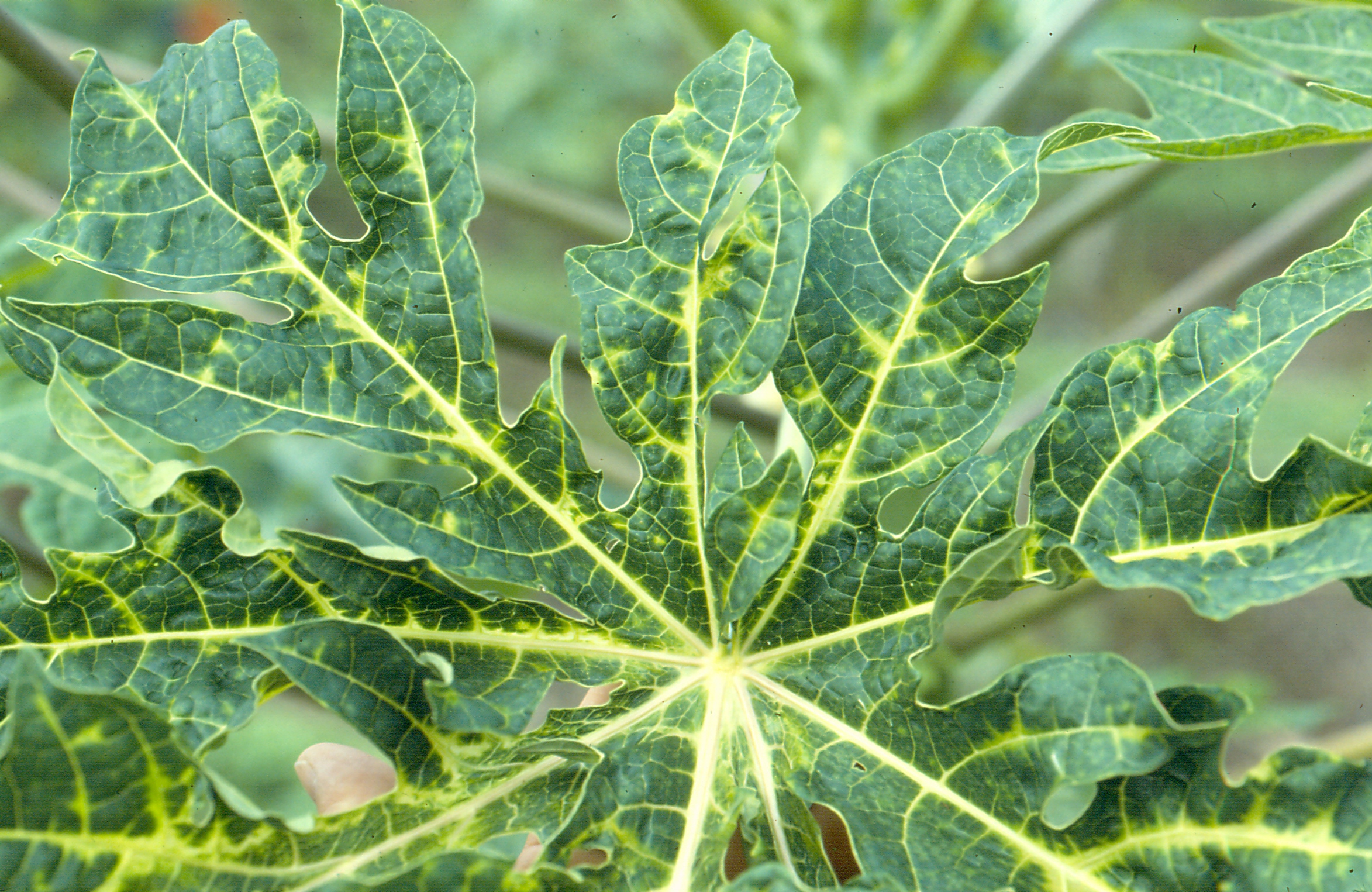
A papaya orchard can be lost quickly to disease. A 2025 review in the journal 3 Biotech by researchers at Tamil Nadu Agricultural University found that 22 viruses from several groups had been identified infecting papaya, and that papaya ringspot and leaf curl are the most widespread viral diseases worldwide, often causing yield losses of up to 100 percent. The viruses are spread mainly by insects such as aphids, whiteflies and leafhoppers, and some, including those behind papaya lethal yellowing and sticky disease, can also pass through seed.
In Bangladesh, a dataset of papaya leaf images published in Data in Brief in 2024 by researchers at Daffodil International University recorded four leaf diseases on plants photographed at Changao in Ashulia, Dhaka, between 12 July and 2 August 2023: anthracnose, bacterial spot, curl and ringspot. The authors wrote that disease is a common obstacle to papaya productivity, lowering quality and yield and causing substantial losses for farmers.
Fungi cause further losses, often after harvest. The 2025 Journal of Fungi study noted that anthracnose, caused mainly by the fungus Colletotrichum gloeosporioides, usually stays hidden in the field and shows itself only when fruit starts to ripen during transport, and that careless handling leaves wounds through which Fusarium rots can enter. Growers who see symptoms in their orchards are advised to consult their upazila agriculture officer about control measures.
Keeping papaya fresh after harvest
Papaya is a climacteric fruit: it goes on ripening after it is picked, and its post-harvest life is short. Researchers at Bangabandhu Sheikh Mujibur Rahman Agricultural University in Gazipur, writing in the journal Heliyon in December 2024, noted that post-harvest losses of papaya in Bangladesh ranged from 25 to 30 percent. In their trial on a local cultivar, Badsha Rabi, harvested from a garden in Sreepur, Gazipur, they compared coatings of chitosan, aloe vera gel, seaweed extract and a microbial formulation called clybio.
They found chitosan and clybio the most suitable treatments for slowing ripening and extending shelf life. Chitosan-coated fruit kept its moisture, sugars, beta-carotene and antioxidant activity best for up to nine days after storage began, while clybio did better up to 12 days on some measures, including vitamin C and disease incidence. The authors called for further trials across seasons and cultivars before the method is recommended.
Free seedlings and recognition
Both reports described Sumon's work beyond his business. He gives papaya seedlings free of charge to local mosques, madrasas and schools, encourages poor families and neighbours to farm by giving them improved seedlings, and regularly supplies papaya from his orchard free to a local orphanage.
In recognition of high yields from little land, he has received seven honours and awards at home and abroad, the reports said. They include an agricultural honour from Nepal, recognition from Dhaka University, and the Mahatma Gandhi and Mother Teresa honours from India. Dhaka Post reported that he received the honours in person, in the parliament of Nepal and in India.
Photo: Salim Khandoker / Wikimedia Commons (CC BY-SA 3.0)
Sources: Jago News, Dhaka Post, Banglapedia, Data in Brief (2024), Heliyon (2024), Journal of Fungi (2025), 3 Biotech (2025), Food Security (2022)
Comments
(0)