
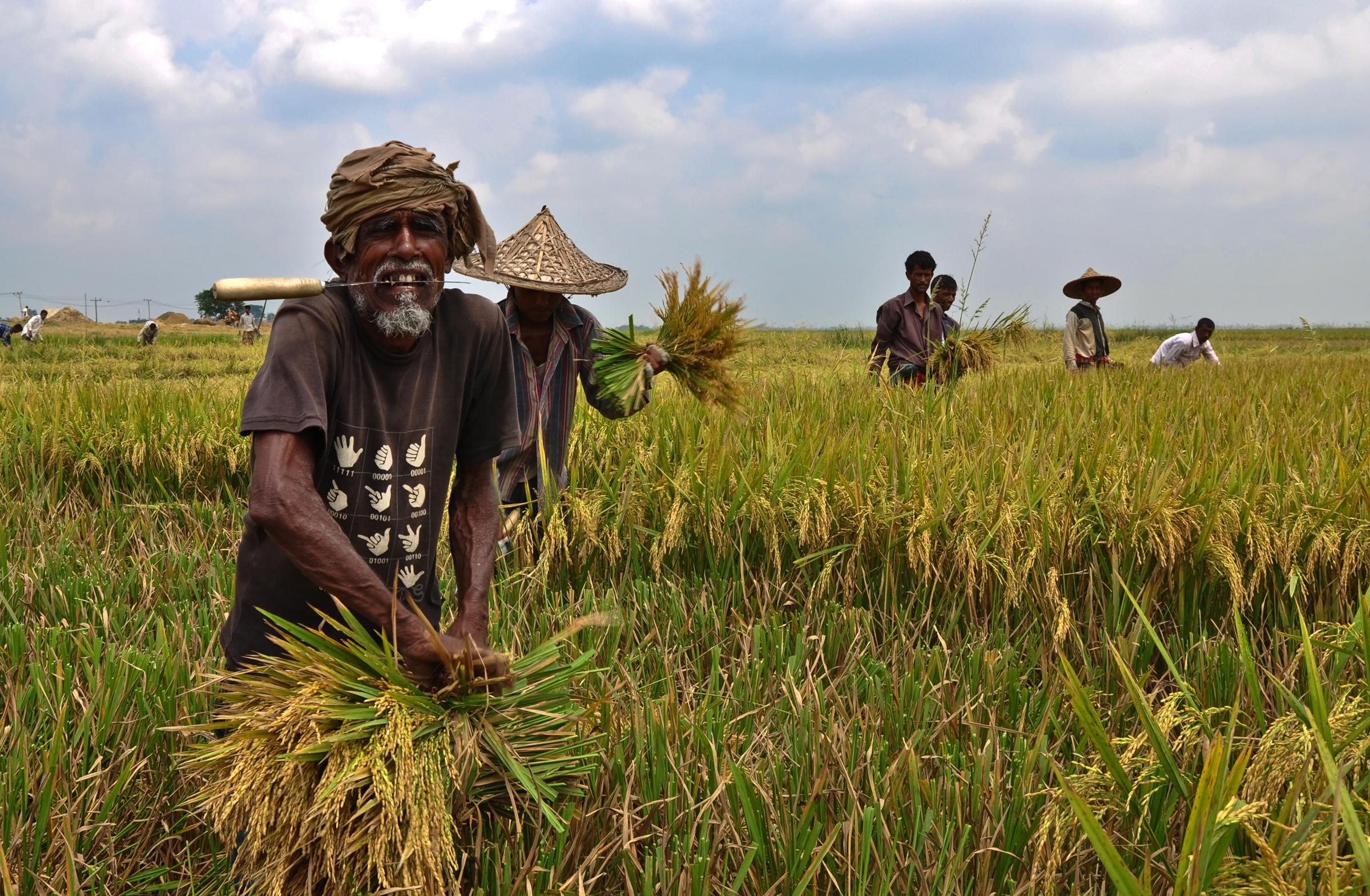
Despite a bumper harvest, farmers across Bangladesh were in despair in May 2019 because they could not get a fair price for their paddy. BBC Bangla reported on 14 May 2019 that Boro paddy was selling at Tk 500 to Tk 600 a maund. The government was considering rice exports for immediate relief and wider use of farm technology in the longer run, as people asked whether farmers could ever escape the cycle of good harvests and poor prices.
Prices below costs, and anger in the fields
Abdul Sikdar, a farmer from Bankina village in Kalihati upazila of Tangail, poured petrol on the ripe Boro paddy in his field and set it alight. A family member told BBC Bangla he acted out of anger and frustration because the price was below the cost of growing the crop. Prothom Alo's Tangail correspondent reported that he set fire to part of the field and neighbours put it out, and that a labourer then charged Tk 900 to Tk 1,000 to cut paddy there, while a maund sold for Tk 500 to Tk 600.
In Nageshwari, in the northern district of Kurigram, Mosammat Banesha Begum had grown Boro paddy on three bighas of sharecropped land. She told BBC Bangla that paddy fetched no price while costs were high: harvesting one bigha cost her Tk 1,200 in labour, which did not pay. Azizar Rahman, another Kurigram farmer, said prices disappointed them every year, but their land grew nothing except paddy.
The minister's view: a surplus crop and limited storage
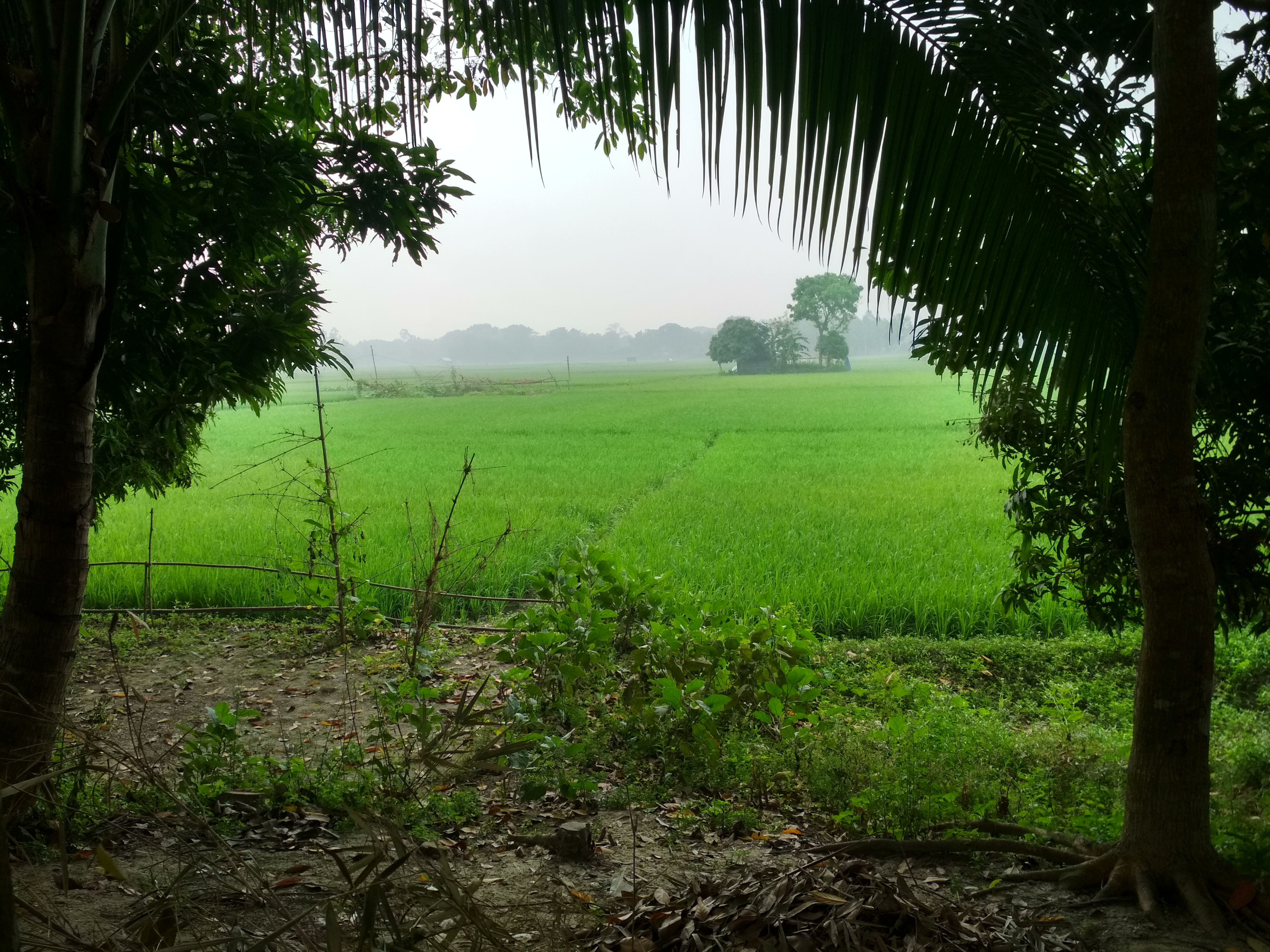
The government acknowledged the problem. Dr Abdur Razzaque, then agriculture minister, told BBC Bangla that Aman and Aus output had been high that year and that the Boro crop would also exceed its target of 19 million tonnes. Because of the large harvest, he said, paddy prices were unusually low compared with earlier years. To handle the situation in the short term, he said, the government was actively considering exporting rice.
The minister said warehouse capacity limited public buying to a target of 1.2 million tonnes. In a rice market of 35 million tonnes, he said, buying one million or 1.2 million tonnes did not move prices, and farmers did not benefit directly.
FAO's food price monitoring service, GIEWS, reported on 1 April 2019 that the Boro crop, grown from November to May, accounts for more than half of Bangladesh's annual rice output. The government fixed Boro procurement prices of Tk 26 a kilogram for paddy, Tk 36 for parboiled rice and Tk 35 for non-parboiled rice, with buying from 25 April to 31 August. BBC Bangla noted that this came to more than Tk 1,000 a maund of paddy, but by mid-May public buying had barely begun in the field.
The long-term route: cutting costs with technology
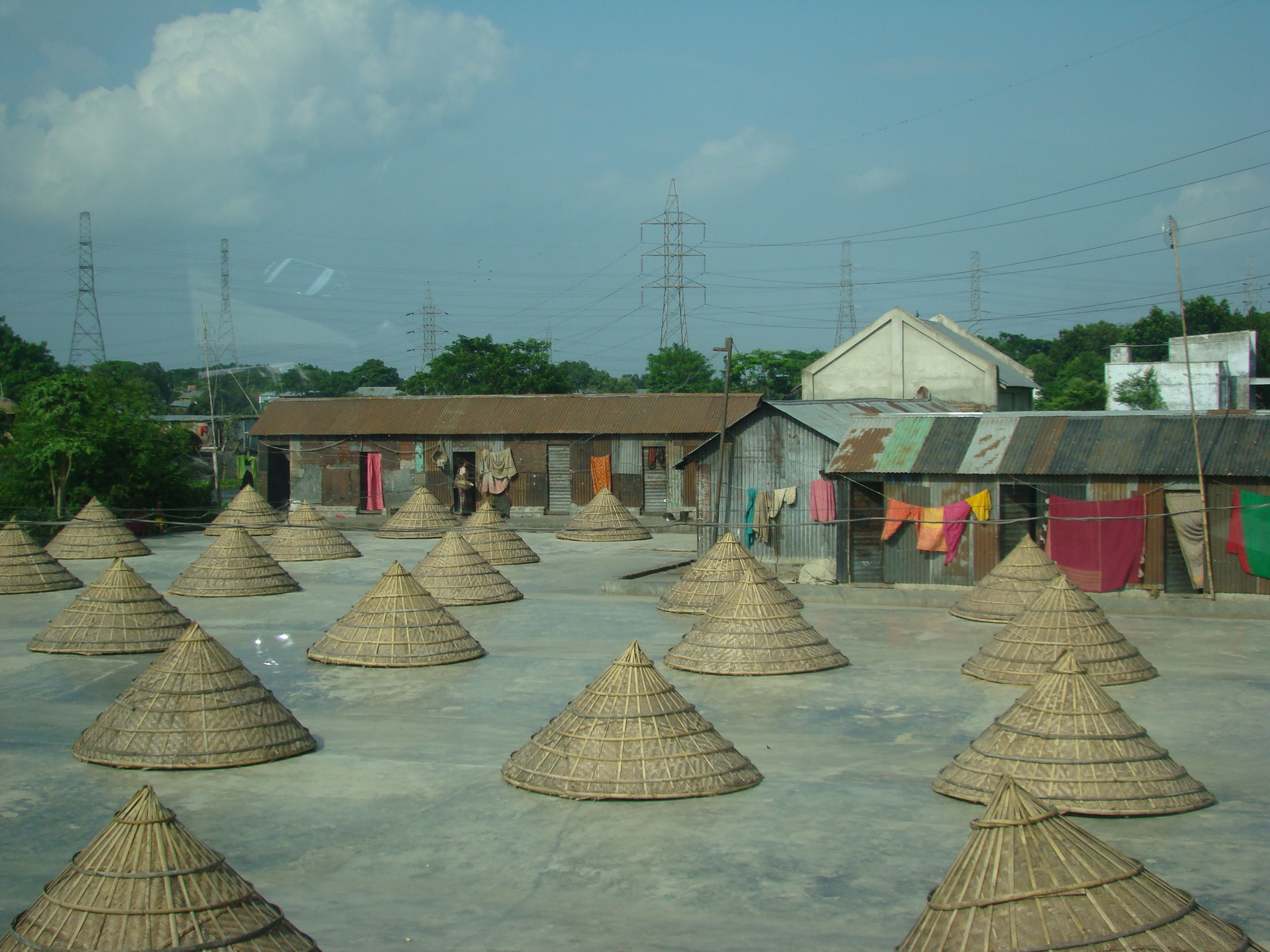
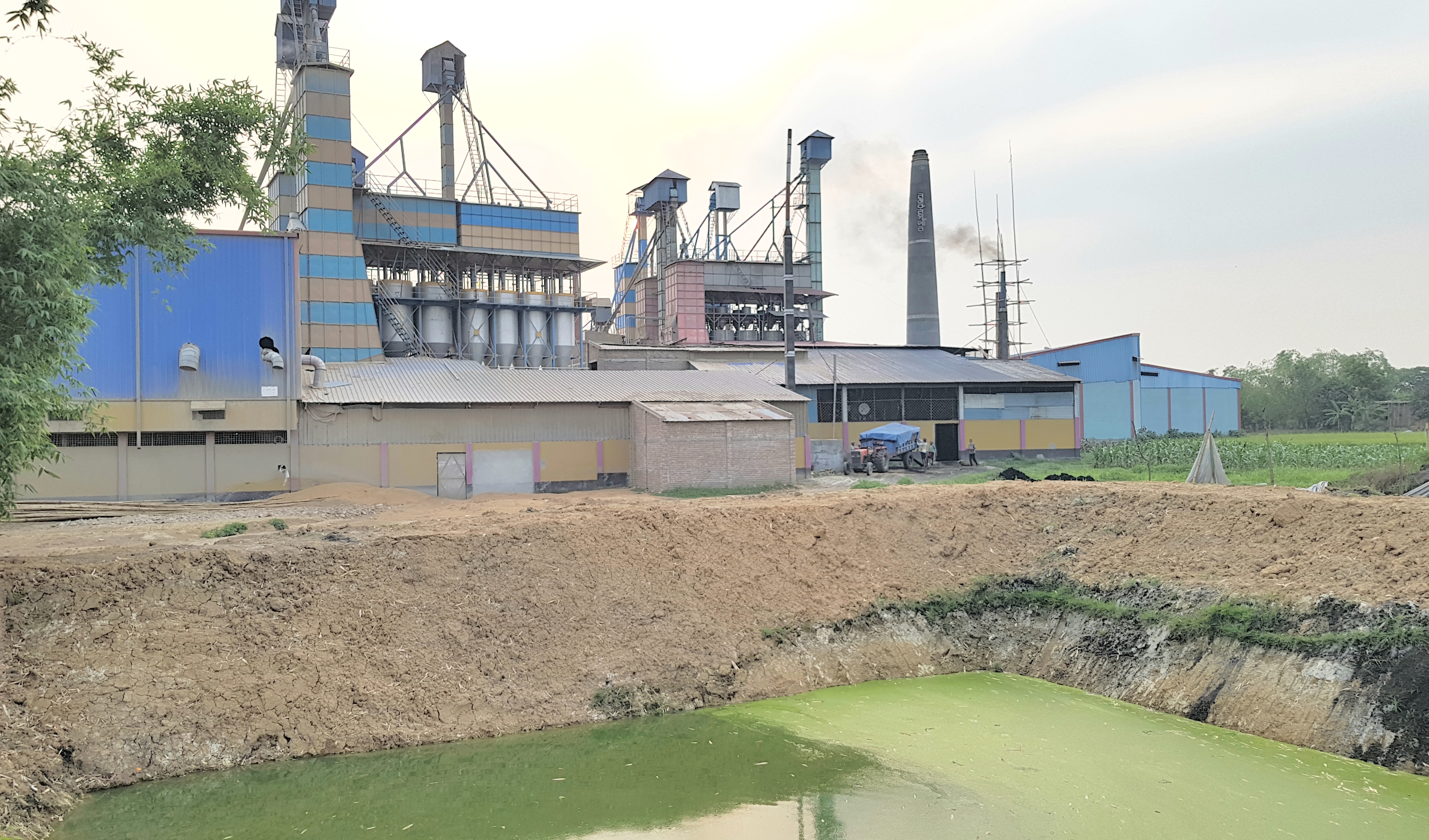
Agricultural economists said small and medium farmers lose out whenever the harvest is good, and a long-term plan was needed. Dr Nazneen Ahmed, a researcher at the state-run Bangladesh Institute of Development Studies (BIDS), told BBC Bangla that closer government monitoring of paddy and rice buying would help somewhat. She said automatic rice mills had replaced the traditional husking yards and farmers had no way to store their crop, so small growers sold straight after harvest, when prices were lowest.
She said that if the government started buying a little earlier, its announced price could give small farmers a bargaining point. But in the long run, she said, there was no alternative to moving farmers towards technology to bring down production costs.
Dr Razzaque said the government also wanted lasting solutions, including technology. Transplanting and harvesting were the costliest stages, he said, and when a farmer paid 50 taka towards a machine, the government paid the other 50; but this would take a long time. Agricultural economists argued that, since the government already held data on farmers nationwide, working with them could bring a lasting solution quickly.
Photo: Balaram Mahalder / Wikimedia Commons (CC BY-SA 3.0)
Sources: BBC Bangla, Prothom Alo, Food and Agriculture Organization of the United Nations (FAO GIEWS)

Comments
(0)