
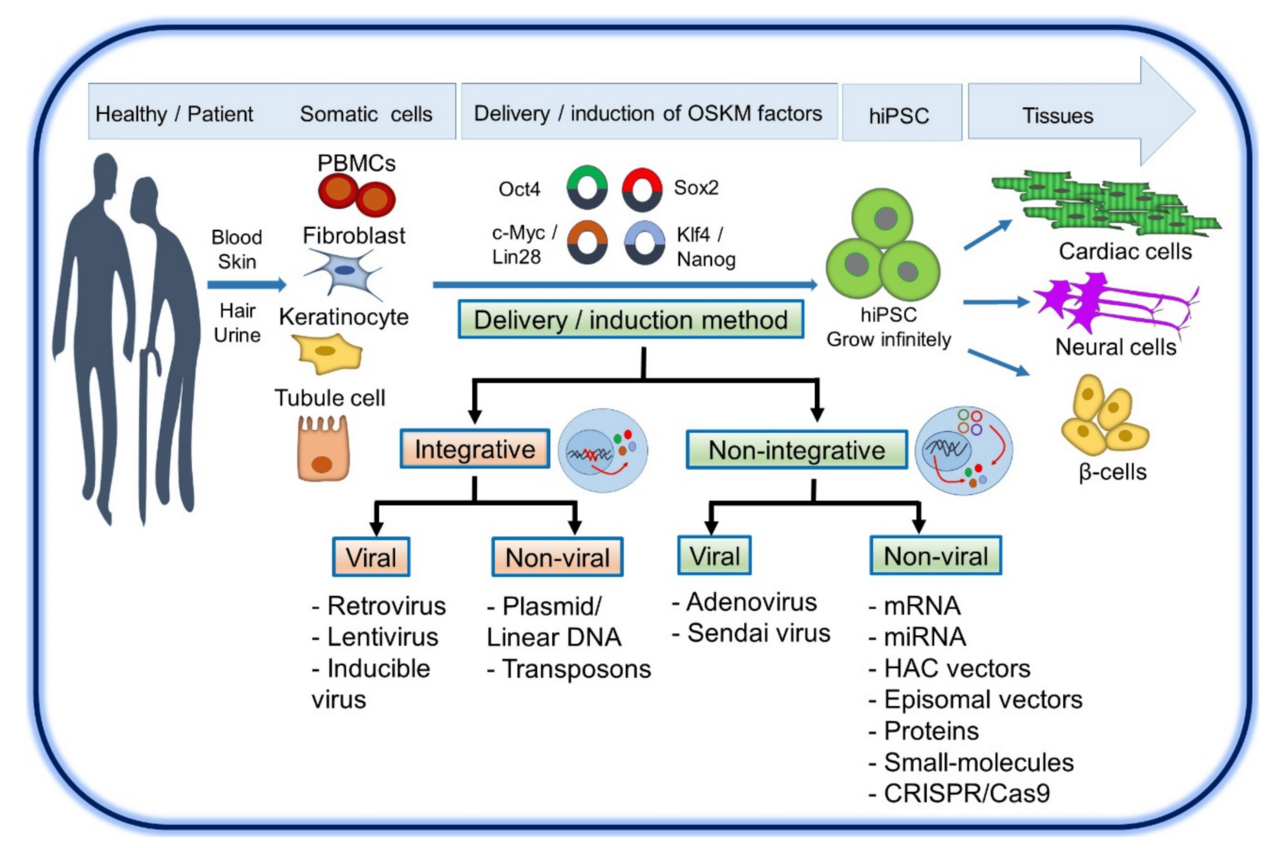
Doctors in Japan have carried out the world's first commercial operation using heart-muscle cells made from artificially produced stem cells. On Tuesday a layer of heart-muscle cells grown from induced pluripotent stem (iPS) cells was transplanted onto the heart of a woman in her fifties. The operation took an hour.
In March this year the Japanese government gave conditional approval to the regenerative therapy. Regenerative therapy uses tissue engineering and specialised cells to repair, replace or rebuild damaged tissue and organs.
iPS cells are made by returning mature cells to an early state through a special process, without the need for embryos. The treatment is intended mainly for patients with heart disease for whom every conventional treatment has failed.
The technique was developed by Yoshiki Sawa, head surgeon of Osaka Keisatsu Hospital, after long research with Nobel laureate Shinya Yamanaka, who won the Nobel Prize in 2012 for his work on iPS cells.
In earlier trials on eight patients with ischaemic heart disease, symptoms improved markedly and heart function rose in four. Sawa's team plans to perform the operation on 75 more patients by 2033.
The Japanese daily Asahi Shimbun reported that the treatment will receive full, permanent approval if its effectiveness and benefits are proven over the next seven years.
Photo: Bekhite, Mohamed M., and P. Christian Schulze / Wikimedia Commons (CC BY 4.0)
Source: Ekattor TV


Comments
(0)