
Bangladesh's first two-dose oral cholera vaccine (OCV) campaign reached 82.6 percent of its target with the first dose, according to Directorate General of Health Services figures reported by Ittefaq. Of 4,899,440 people targeted, 4,047,018 were vaccinated and 852,422 were missed.
Narayanganj accounts for about 42 percent of those missed. Of 1,032,963 people targeted there, 672,287 received the first dose, leaving more than 360,000 out. Brahmanbaria reached 98.4 percent, Kishoreganj 94.8 percent and Munshiganj 80.8 percent; coverage was 82.6 percent in Dhaka North City Corporation and 77.4 percent in Dhaka South.
The campaign began on 22 August. The first dose ran until 21 September and the second is being given from 26 September to 25 October. Everyone aged one year or more is eligible except pregnant women and the seriously ill. It covers 14 high-risk areas: the Lalbagh, Gendaria, Kadamtali, Kamrangirchar, Sher-e-Bangla Nagar, Khilkhet and Tejgaon police-station areas of Dhaka, and Brahmanbaria Sadar and Nabinagar, Tarail, Karimganj and Hossainpur in Kishoreganj, Munshiganj Sadar and Narayanganj Sadar upazilas.
An official involved in the campaign said the hope had been 95 percent, which was not reached, though the result was not bad. Routine campaigns target children, while this one covered all ages, and many working people could not fit vaccination around their working hours. Evening sessions in Dhaka brought more people in, but that was not possible in Narayanganj, where scattered settlement and people moving home also played a part.
Professor Halimur Rashid, director of disease control at the directorate, said this is a preventive vaccine with no fixed target, and that all-age campaigns usually achieve somewhat lower coverage than children's campaigns. Narayanganj's newly appointed civil surgeon, S M Sakhawat Hossain, said he did not know the reasons for the gap.
A 2022-23 study by the directorate and icddr,b identified 144 upazilas and city police-station areas as cholera hotspots, and the government plans to vaccinate them over five years, starting with the 14 at highest risk. The vaccine is prequalified by the World Health Organization and supplied free by Gavi, the Vaccine Alliance. Extending it to the remaining areas depends on funding, an official said.
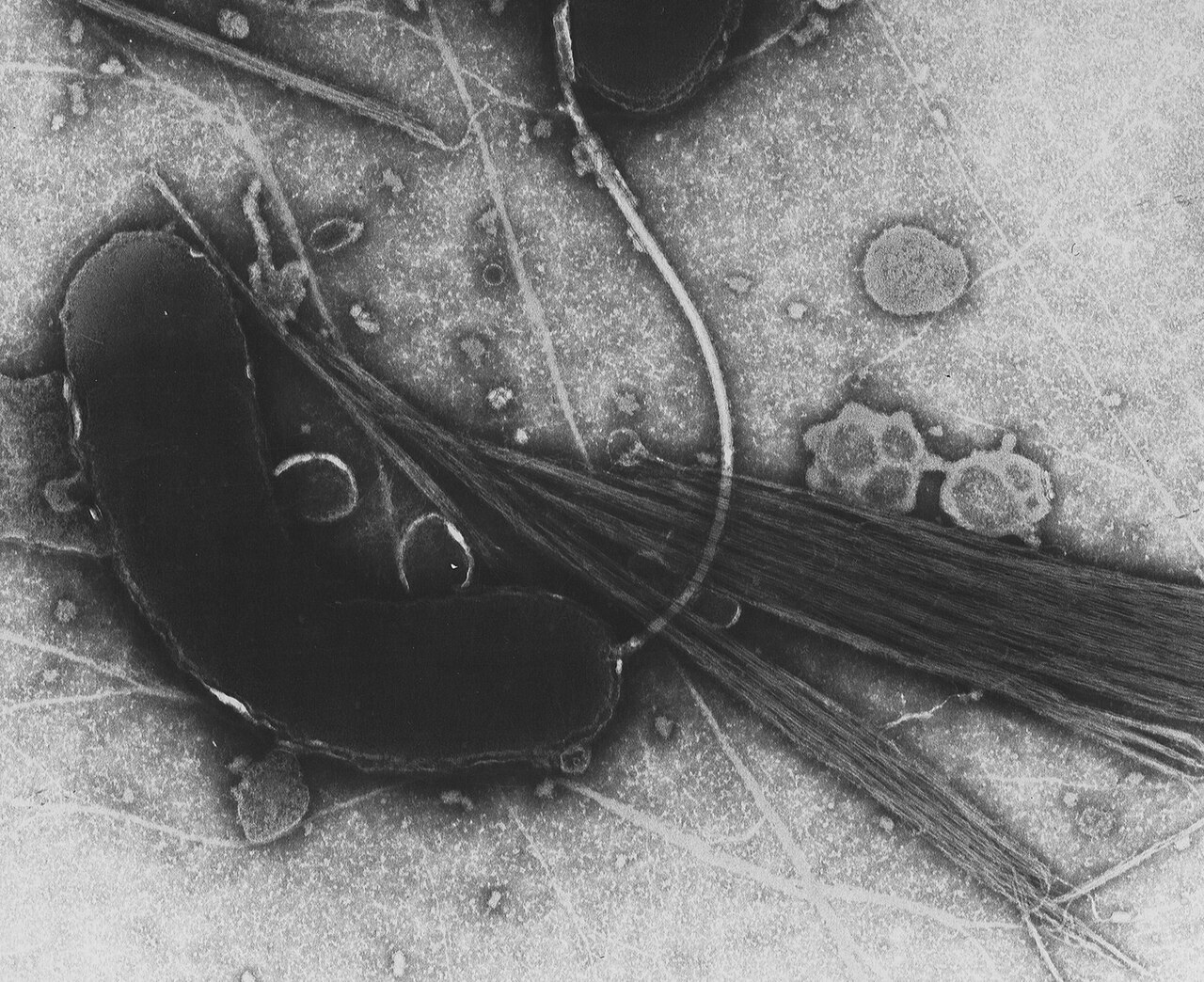
Photo: Tom Kirn, Ron Taylor, Louisa Howard (Dartmouth Electron Microscope Facility) / Wikimedia Commons (public domain)
Source: Ittefaq
Comments
(0)