
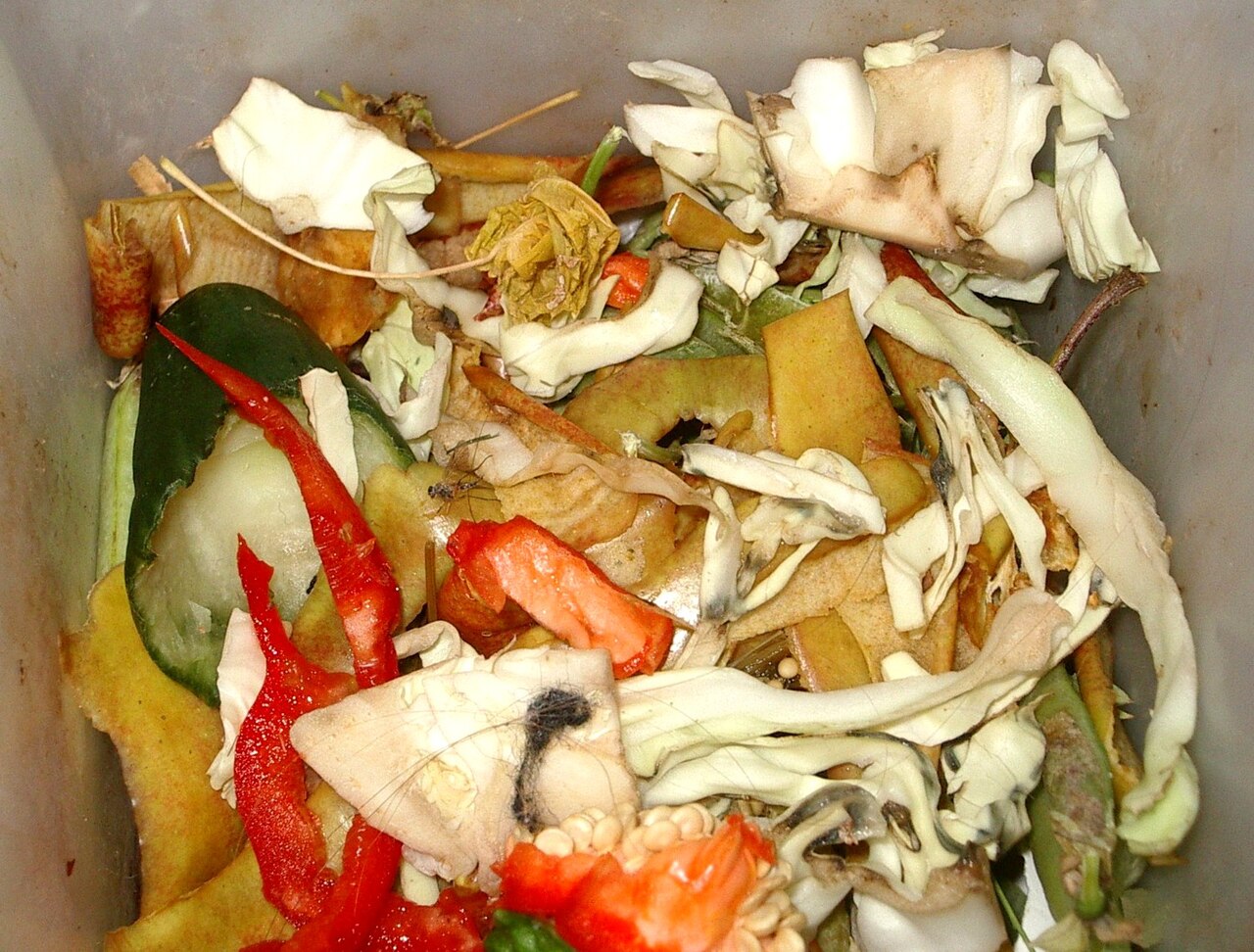
Why does so much food go to waste in a hungry world, asks Pavel Partha, a researcher and writer on ecology and biodiversity, in a column for Dhaka Post. Citing the UN Environment Programme's Food Waste Index Report 2024, he writes that about 3.5 million tonnes of food are wasted or lost in Bangladesh each year, roughly 70 million 50 kg sacks, or about 82 kg a person.
A Bangladesh food loss and waste diagnostic by the World Bank and the Centre for Policy Dialogue, he notes, found that 34 per cent of the country's food is lost or wasted, including 23 per cent of rice, 36 per cent of fish and 29 per cent of mangoes, worth about $2.4 billion.
He also sets out the global picture. The 2026 report by FAO, IFAD, UNICEF, WFP and WHO found about 640 million people hungry in 2025, around 7 per cent of the world's population. The UN estimates that a fifth of all food produced is wasted, and an FAO report warns that about 18.1 million people in Bangladesh could face acute food insecurity by the end of this year.
Much of the waste, in his view, is structural: crops rot in the field for want of storage and processing, farmers pour away milk or destroy tomatoes and onions in protest when prices collapse at harvest, and mangoes, pineapples, papayas and guavas from the hills, Madhupur and the coast spoil without cold stores. Household waste is growing too, especially at urban events, hotels, restaurants and buffets. He also recalls recent deaths linked to hunger and want.
In 2019 the UN General Assembly declared 29 September the International Day of Awareness of Food Loss and Waste. Sustainable Development Goal 12.3 commits countries to halve food waste by 2030, and Bangladesh's National Food and Nutrition Security Policy 2020 calls for action on many fronts.
The writer calls for a national roadmap against food waste, teaching children from an early age not to waste food, and responsible planning at official and social events. The views are the writer's own.
Photo: Muu-karhu / Wikimedia Commons (CC BY-SA 3.0)
Source: Dhaka Post


Comments
(0)