
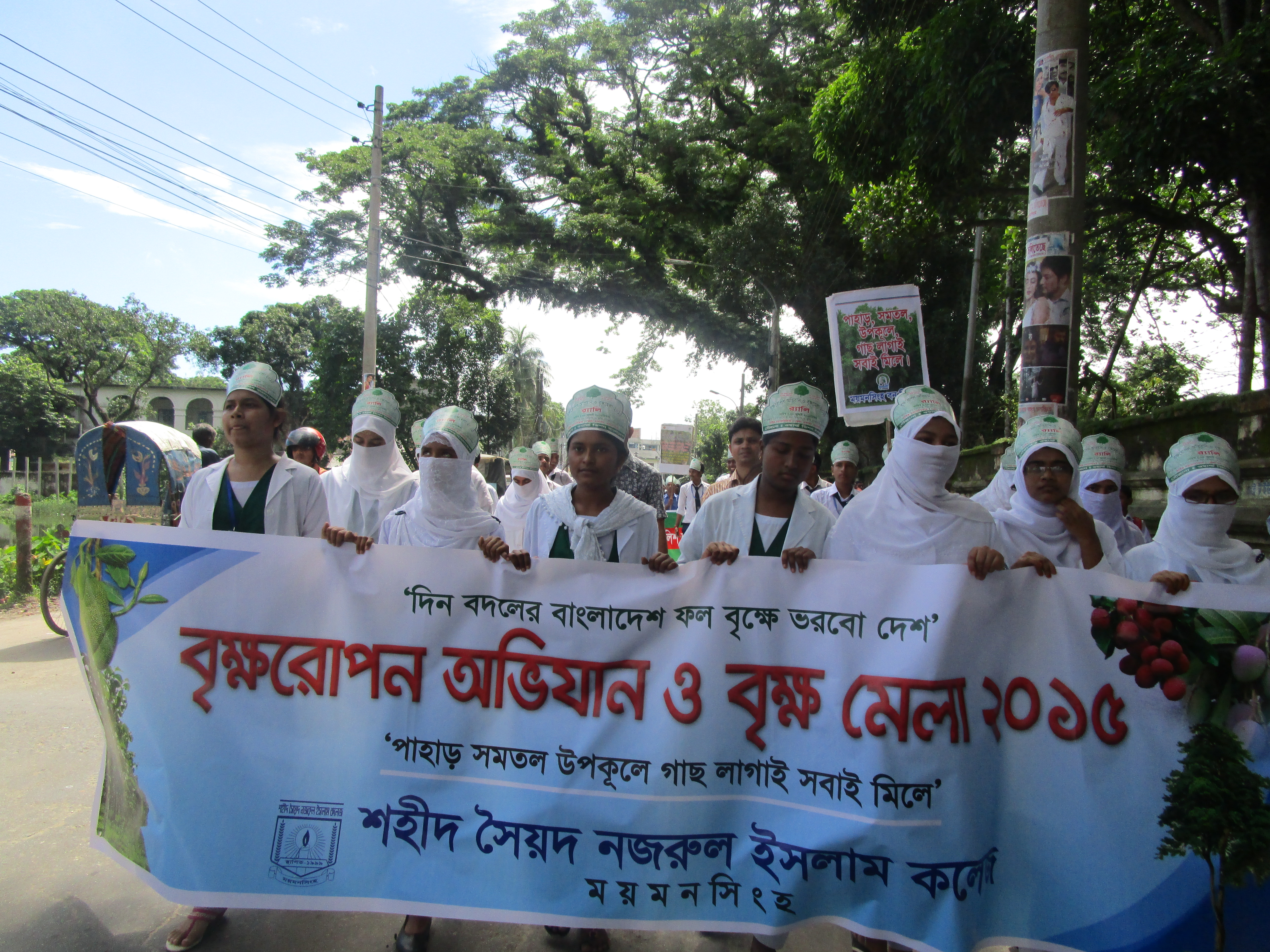
Bangladesh's Directorate of Secondary and Higher Education (DSHE) issued a set of instructions to every secondary educational institution in the country for carrying out the "One Child, One Tree" programme. In a letter sent to the heads of all institutions on Saturday, 27 June 2026, the directorate said every government and MPO-listed (state-subsidised) secondary institution had been given Tk 5,000 as a climate grant. According to the letter, Prime Minister Tarique Rahman was to inaugurate the programme on Monday, 29 June.
Where the grant came from and what it was for
The letter described "One Child, One Tree" as one of the pledges in the government's election manifesto and said several initiatives had been taken to deliver it. As part of this, the money was paid by the Learning Acceleration in Secondary Education (LAISE) project, which the DSHE runs.
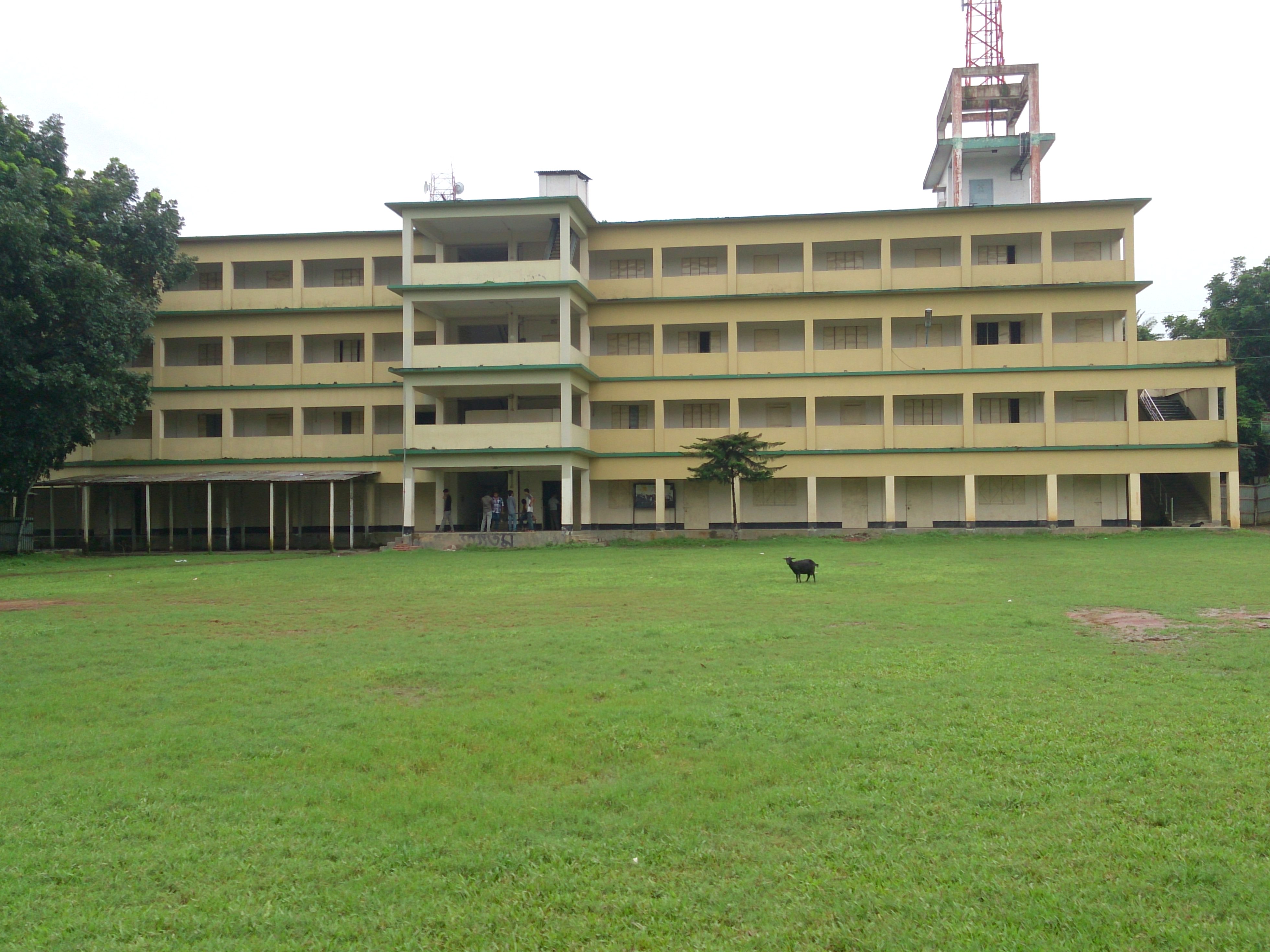
With the grant each institution was told to plant one fruit tree, one timber tree and one medicinal tree, make banners and festoons, and hold a seminar or rally. The letter said the prime minister had agreed to inaugurate the programme at 10:05am on 29 June. The education news site Dainik Shiksha reported the same letter on 27 June.
LAISE is backed by the World Bank, whose Board of Executive Directors approved US$300 million for it on 22 September 2023. The bank said then that the operation would support the government's Secondary Education Program, help students recover learning lost during the COVID-19 pandemic and bring climate education into the curriculum.
The DSHE's six instructions to institutions
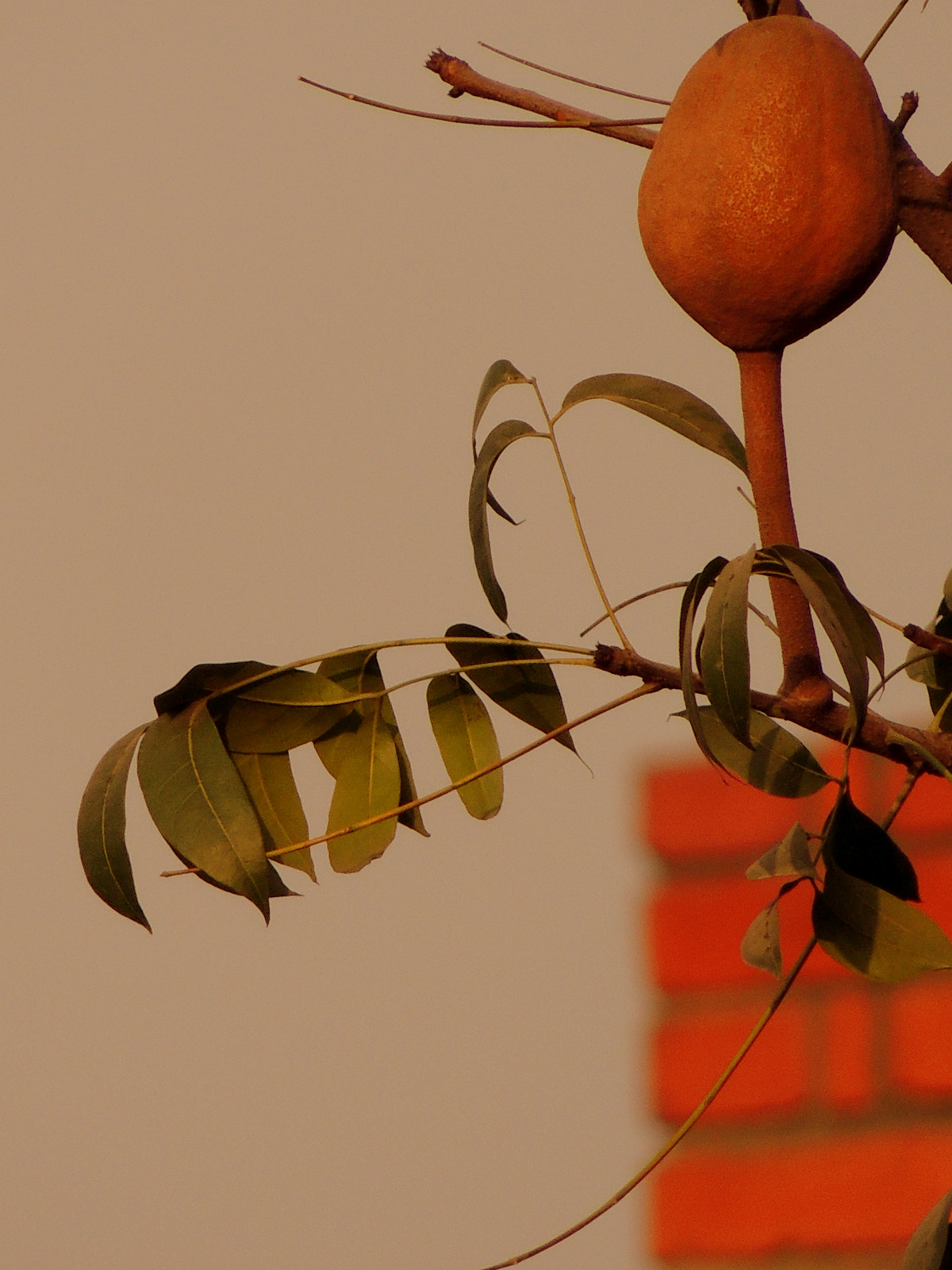
- One fruit tree, one timber tree and one medicinal tree will be planted at every institution.
- Local public representatives, teachers, students, guardians and respected members of the community will attend and take part directly in the planting.
- The event will be broadcast live on government and private media, and participants at selected institutions will be able to join the prime minister by video conference.
- Institutions will make the preparations needed to hold the event well.
- Institutions must put up climate-related banners, festoons and similar materials on campus on the day.
- Each institution must hold a campus rally with teachers and students to mark the planting.
The wider tree-planting target in the budget
The programme had already featured in the budget for the 2026-27 fiscal year. Presenting it in Parliament on 11 June, Finance Minister Amir Khosru Mahmud Chowdhury said the government aimed to plant 25 crore (250 million) trees across the country over five years, along roads, highways, embankments, riverbanks, canal banks and marginal land, and expected the effort to create about 350,000 direct and indirect green jobs.
The budget speech also said an action plan had been finalised under "One Child, One Tree" to plant one crore (10 million) trees at the homes and homesteads of government primary school students. The DSHE's drive to plant fruit, timber and medicinal trees at secondary institutions was part of the same programme.
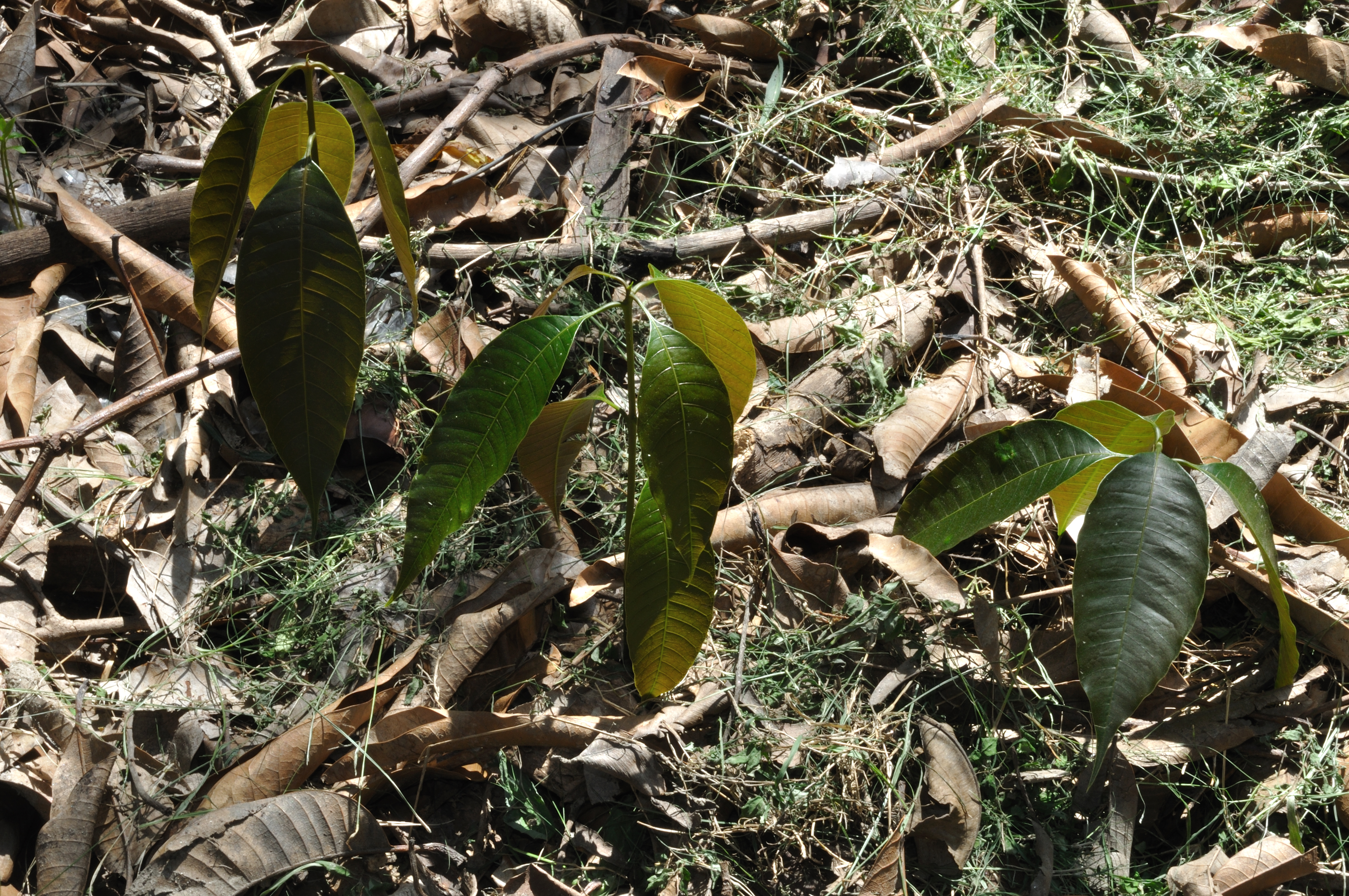
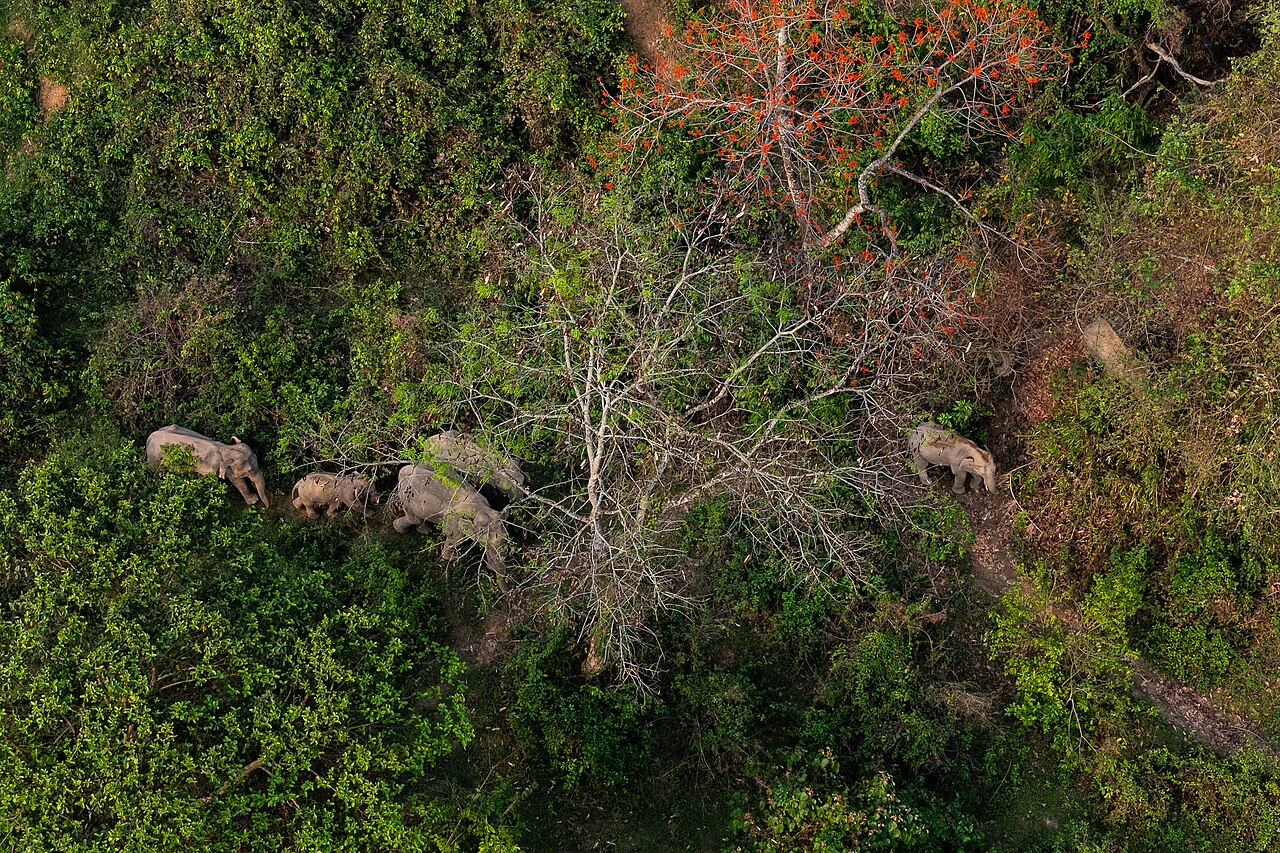
Photo: Anup Sadi / Wikimedia Commons (CC BY-SA 4.0)
Sources: Jagonews24, Dainik Shiksha, The Daily New Nation, World Bank
Comments
(0)