
Farming has to produce more food while restoring nature, cutting emissions and protecting biodiversity, or long-term food security will not be achieved, Olam Agri co-founder and chief executive Sunny Verghese told the Asia Pacific Agri Food Summit in Singapore on 27 October, AgNavigator reports.
Verghese said the world must produce 56% more food by 2050, and that global crop yields could fall by as much as 35% over the next two decades if current trends continue. But production can no longer grow at the expense of ecosystems. "We can produce all the food we need... But in that bargain, we have always destroyed many aspects of the planet," he said.
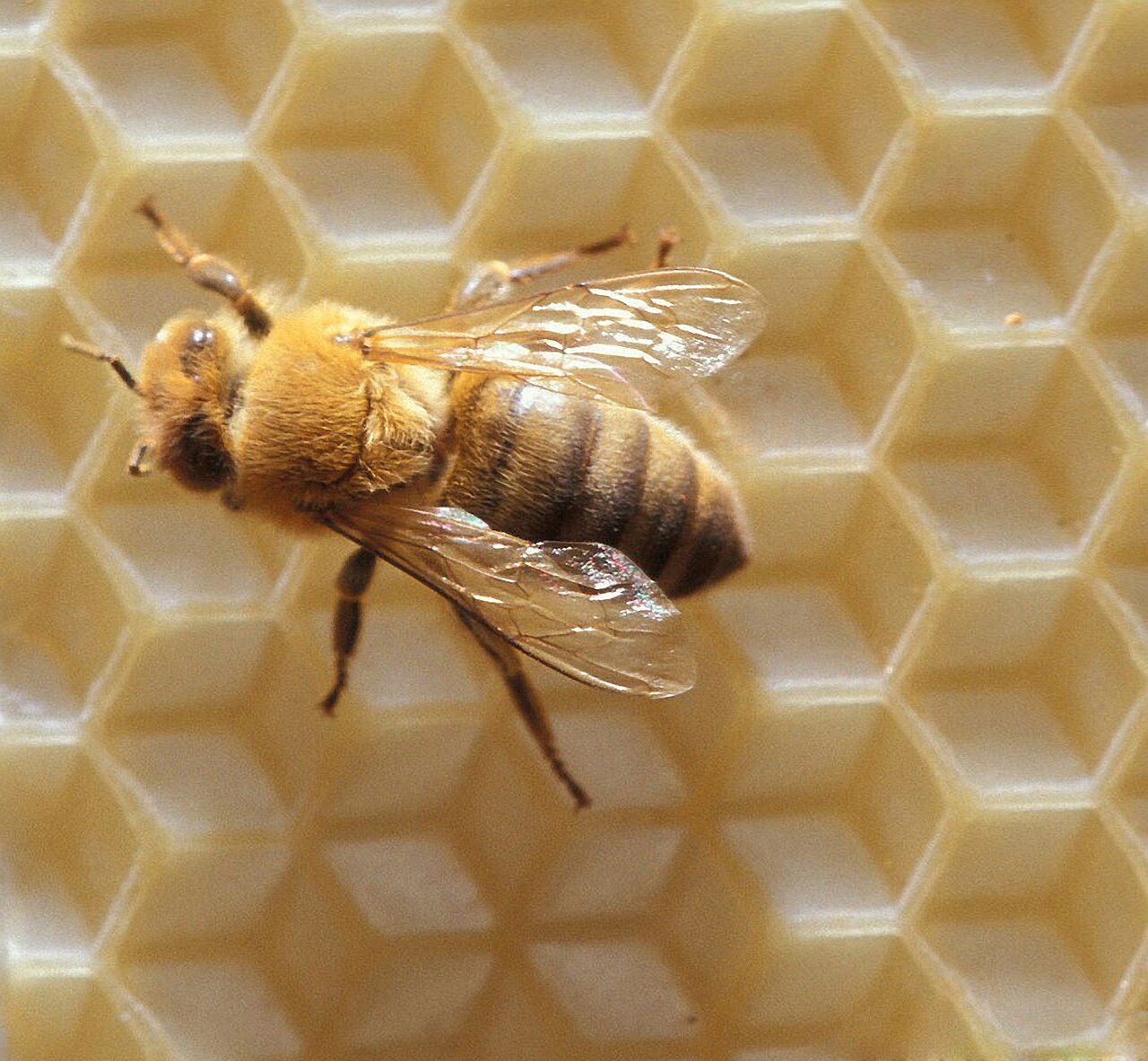
He used bees to make the point that biodiversity underpins yields. Olam's almond business relies on around 4.81 billion bees a year, he said, and spends between $13 million and $17 million a year buying them; the whole capital cost of an almond orchard depends on those insects. He also said 580 million hectares of land would need restoring, along with peatlands, for any realistic chance of holding warming to 1.5°C.
Verghese wants the environmental costs of food counted. Emissions, biodiversity loss and water use are treated as externalities rather than part of the true cost of production, he argued: "Just because nature's back office is not set up for issuing invoices doesn't mean those costs don't exist."
Meat demand is central to his case. The world ate 45 million tonnes of meat in 1970, 375 million tonnes last year and is expected to eat about 500 million tonnes in 2050, he said. A kilogramme of poultry takes roughly two kilogrammes of feed grain, pork four and beef eight. Asking people to eat less meat or pay more would be hard, he acknowledged, but without managing demand the problem cannot be solved sustainably.
There is room to grow on the supply side by closing yield gaps. Ireland produces 11.5 tonnes of corn per hectare against a global average of six tonnes, he said, and closing such gaps needs far more investment in research, technology and new farming systems than is now available. He also named aquaculture as one of the most promising ways to meet protein demand with less pressure on land.
Photo: USDA / Wikimedia Commons (public domain)
Source: AgNavigator

Comments
(0)