
Brett Peshek's first weeks as a full-time farmer nearly ended his career. Days after he resigned from his corporate agronomy job during the COVID-19 pandemic, one of his own hogs injured him badly, leaving him to recover without health insurance. Less than a month later a freak hailstorm flattened 300 acres of forage he had stockpiled for the autumn. "It about makes you eat crow," he told a conservation conference in Enid, Oklahoma, as reported by Farm Progress. "I thought I was going to have to crawl back and ask for my job back."
Peshek grew up on a small farm in Nebraska, earned a degree in agronomy and entrepreneurship and, unable to afford land at home, moved to Oklahoma in 2016 to work for Green Cover Seed. He started grazing cattle on rented ground, and quickly learned the cost of year-to-year verbal leases when he found himself with extra cattle and half the land. He bought a small parcel to reduce his dependence on leases and built the cattle business on the side.
After the hail, survival meant finding cash flow wherever it was. The answer was chickens. Peshek bought spent laying hens from commercial barns for 50 cents a bird and sold them for $10, moving 6,000 in his first year, which turned a farm paid twice a year into one with steady monthly income he could reinvest.
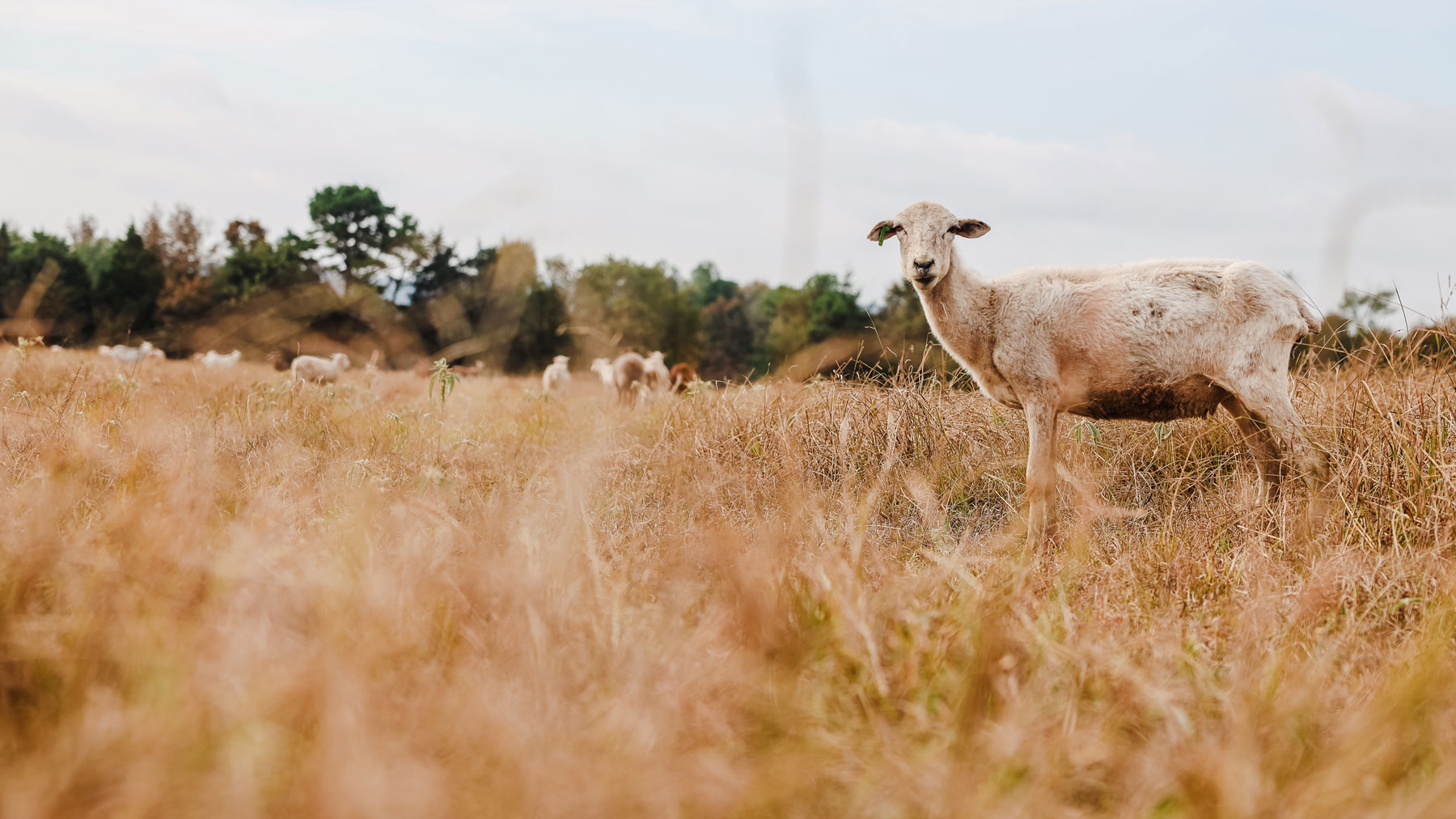
That experience made him question whether he was running a regenerative system or merely bolting regenerative practices onto a conventional one. He had cut fertiliser cold turkey and was behind on residue and soil biology. Looking at the region's ecology, where migratory bison passed through while antelope and deer stayed put, he concluded cattle were the least efficient animal to build around. Sheep went to the front of the operation, followed by pigs and chickens, with stocker cattle brought in only for short-term grazing to mimic the prairie.
Faster returns from sheep, pork and poultry let him plant cover crops several times a year, then harvest them for seed with a bargain combine. That grew into Fusjon Ag, a seed company now producing enough cover crop and specialty seed to plant 80,000 acres, with several full-time employees. "We are all energy farmers in some way," Peshek said. "We are all trying to harvest energy and market it in a way that adds revenue to our operation."
Source: Farm Progress
Comments
(0)