
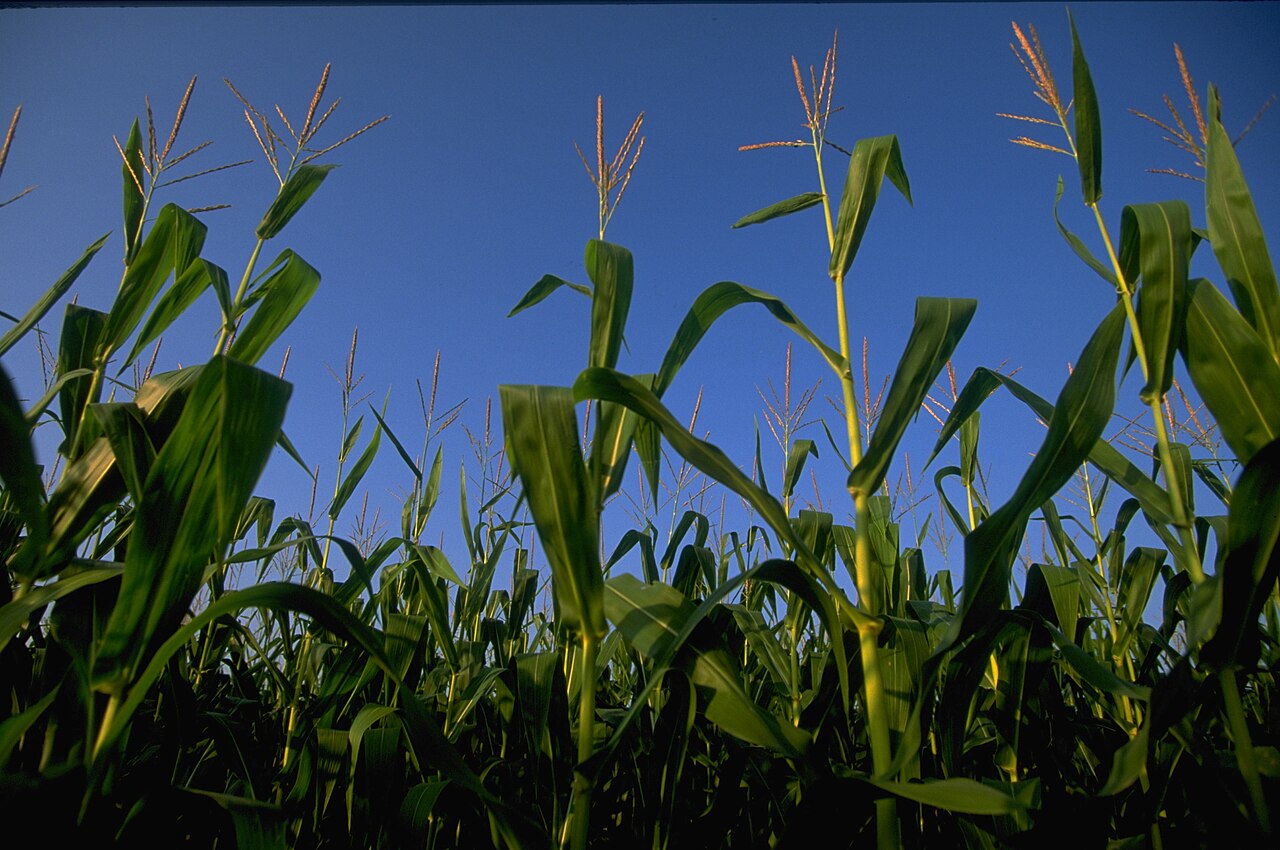
Ohio had its wettest August on record this year, a year after its driest, and the rain has followed farmers into harvest. At Ohio State University's Farm Science Review on 22 to 24 September, larger field demonstrations were cancelled and cars were stuck in mud. "The ground cannot take any more," said Aaron Wilson, the state climatologist and an assistant professor at the university's College of Food, Agricultural and Environmental Sciences.
Parts of the state received 12.5 to 15 inches of rain in August, according to OSU's monthly climate summary, against 0.25 to 1.25 inches a year earlier. September had brought 7.08 inches by 27 September, according to the National Weather Service. The year also saw Ohio's fourth-wettest spring, a record 86 degrees Fahrenheit in March and a late freeze in May.
Eric Tipton, who farms a few thousand acres of soybeans, corn and wheat near Jeffersonville and chairs the Ohio Corn and Wheat Association board, lost a quarter of his 1,000 soybean acres to the May freeze and had to replant. "2026 has been a rollercoaster," he said.
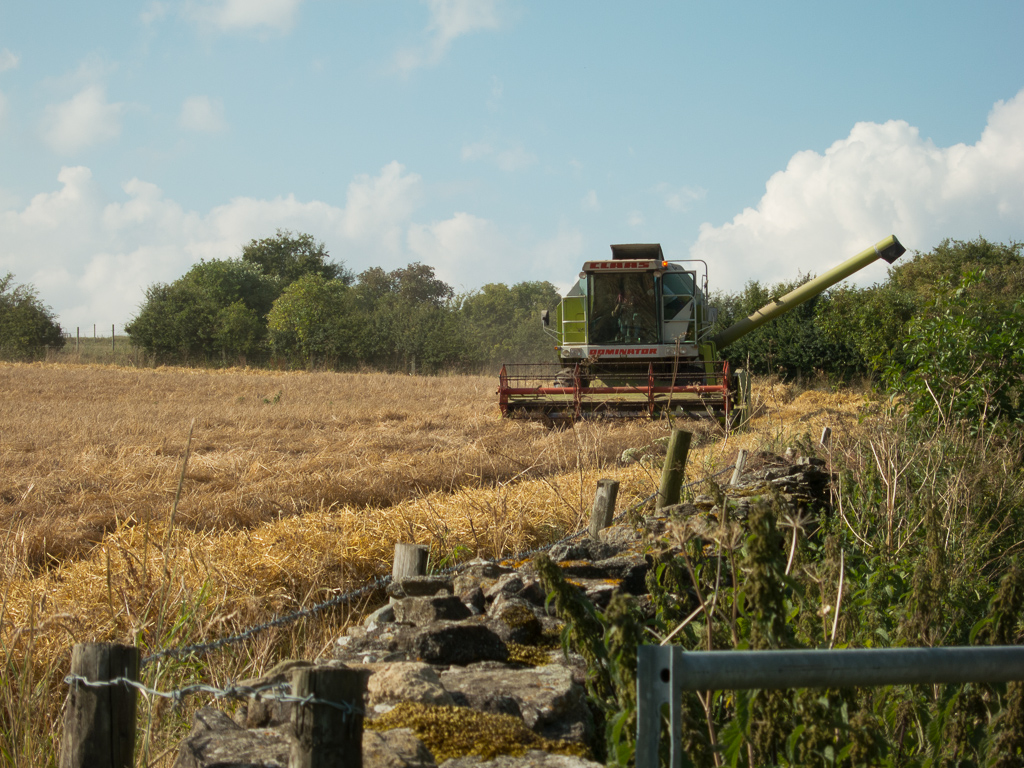
For soybeans the rain may help. Taylor Dill, director of research at the Ohio Soybean Council, said growers who harvested beans at 9% moisture in the last two drought years may welcome wetter beans, since soybeans need 12 to 13% moisture to store well and are paid by weight. He advised getting the crop off quickly, as more rain can split pods or let seed germinate in the pod.
Corn is another matter. Late-season rain can bring stalk and ear rot, worse the longer plants stand in saturated soil, according to the University of Nebraska-Lincoln, and Tipton suspects disease has reached his fields and may weaken standability. He still expects higher yields than in the two drought summers.
Wilson said swings between very wet and very dry conditions are becoming a pattern driven by warmer temperatures and faster evaporation from greenhouse gases, and advised investment in equipment for wet fields, controlled drainage and cover crops, which hold soil and nutrients in both extremes. Tipton, who adopted cover crops about 10 years ago, said they have kept his soil in place, and that for now farmers must use every dry window: "we're going to run long hours."
The report is by Liz Partsch of Farm and Dairy.
Photo: Andrea Booher, FEMA / Wikimedia Commons (public domain)
Source: Farm and Dairy
Comments
(0)