
Ohio State University is testing which kinds of rural wireless networks suit which farm technologies, as poor internet access in the countryside becomes a bigger problem for farms adopting connected equipment and artificial intelligence.
The university has partnered with the Texas-based company Emergent Connext, which has installed broadband sensors across the Molly Caren Agricultural Center, the university's research farm in Madison County, about 30 minutes' drive from downtown Columbus. "Today we've deployed our wireless network to cover Molly Caren," said Andrew Gardner, Emergent's vice president of partnerships, adding that a weather station was already running and more devices would be connected ahead of the Farm Science Review, the annual farm show held at the centre in late September.
Rural communities face a trade-off: high-speed access over a radius of about a mile and a half, or slower access over nearly 12 miles. LoRaWAN, a network type Gardner described as especially good at covering wide areas, is attractive for large corn and soybean farms but lags behind short-range networks in speed. Researchers are running an experiment to establish when each is the right choice.
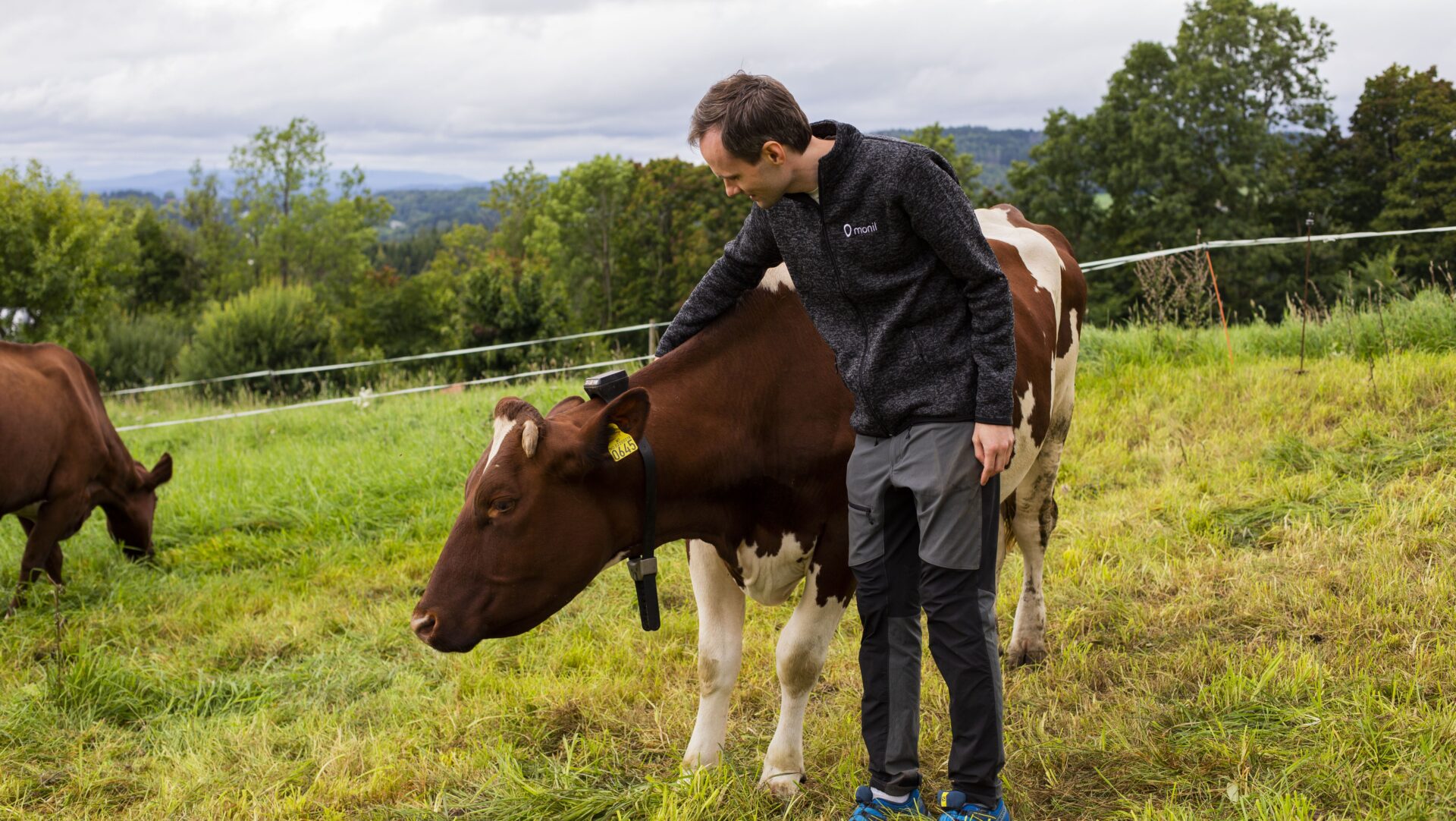
Scott Shearer, professor of Food, Biological and Agricultural Engineering at Ohio State, said self-driving tractors and automated drones that must start and stop instantly need fast connections, while checking the weather or sharing pictures does not. "If we begin looking at animal health, we don't need that every tenth of a second," he said. "You don't need to drive tacks with a sledgehammer."
The work comes as Ohio uses hundreds of millions of dollars in federal grants to bring high-speed internet to hundreds of thousands of residents in coming years, making it important to know what kind of connectivity farms actually need, Shearer said. He cited a McKinsey report that about 23 per cent of farmers used generative AI in 2026, alongside drones that apply fertiliser and herbicide and robots that pull weeds.
"Automation and artificial intelligence are going to reshape agriculture," Shearer said, and the network research is meant to show which connection each tool requires before farms invest.
The report was written by Patrick Cooley.
Source: Farm and Dairy
Comments
(0)