
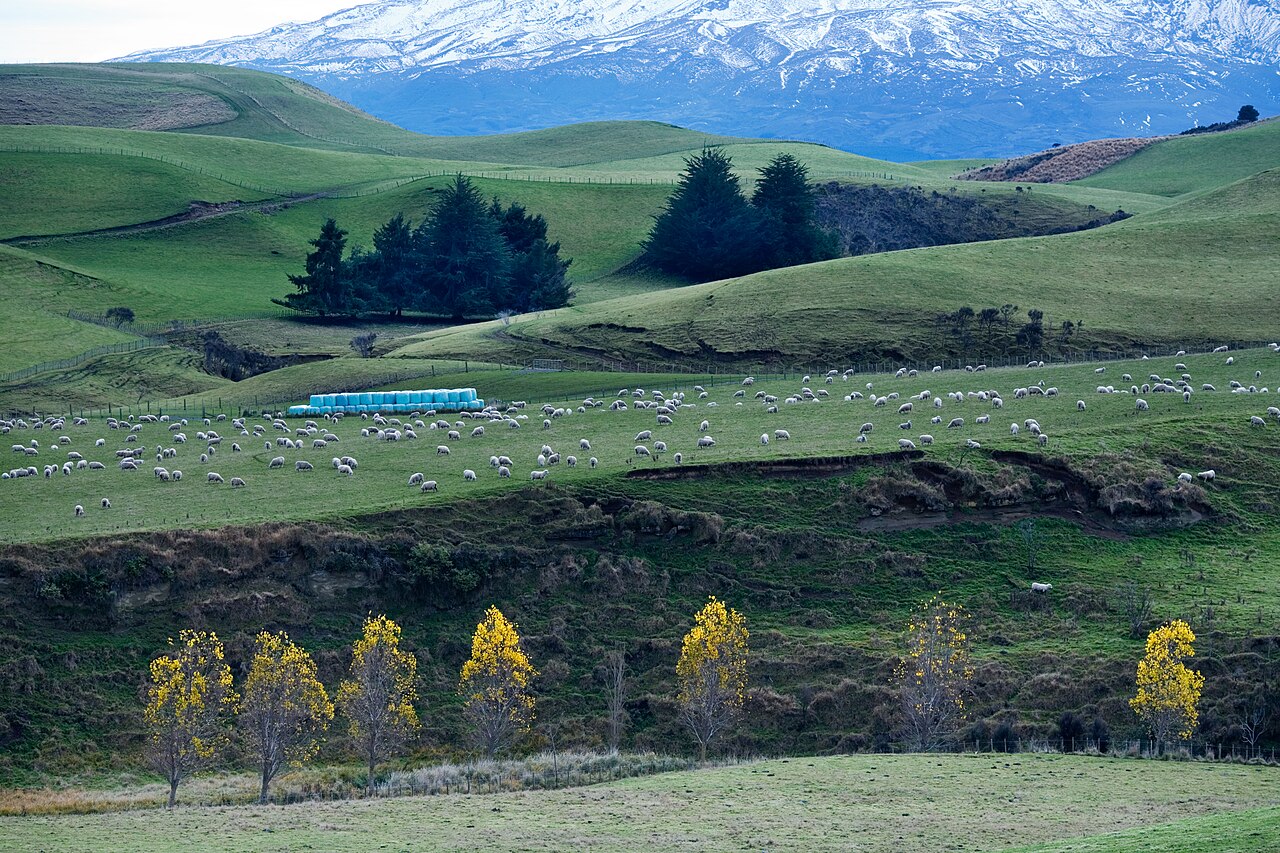
New Zealand's sheep and beef sector is entering the 2026-27 season in a strong position, but after an exceptional 2025-26 the focus is shifting to protecting margins rather than chasing records, Farmers Weekly NZ reports.
Few would have forecast the season finishing on schedules of around $12/kg for lamb and $10/kg for prime and bull beef, with cow and mutton prices also breaking records. Store lambs traded in the late-$5/kg to mid-$6/kg range all season, $2.00 to $2.50/kg above the five-year average, and wool revived to average $1.50 to $2.00/kg clean above historical norms. Farmers used the returns to catch up on maintenance and fertiliser, invest in genetics and repay debt, though buying stock at these highs offset some of the gains.
The problem is supply. There are not enough lambs to meet demand, and forecasts show no sign of a lift in lamb numbers or breeding flocks; in the South Island much lamb-trading land is being converted, particularly to dairy, after years in which forestry also expanded. Beef + Lamb New Zealand forecasts this season's lamb crop to fall by 60,000, if lambing goes well.
Beef is the opposite: forecasts suggest nearly 200,000 more cattle will be processed in 2026-27. Global beef demand remains firm and US herd rebuilding is only slowly gaining traction, but "here today, gone tomorrow" US tariffs are the largest risk, and Brazil and Australia are competitors to watch.
Export returns should stay near historical highs because red meat supply and demand remain out of balance, but rising operating costs, possibly drier conditions and global trade disruption could squeeze margins for farmers and processors.
Photo: Jorge Royan / Wikimedia Commons (CC BY-SA 3.0)
Source: Farmers Weekly NZ


Comments
(0)