
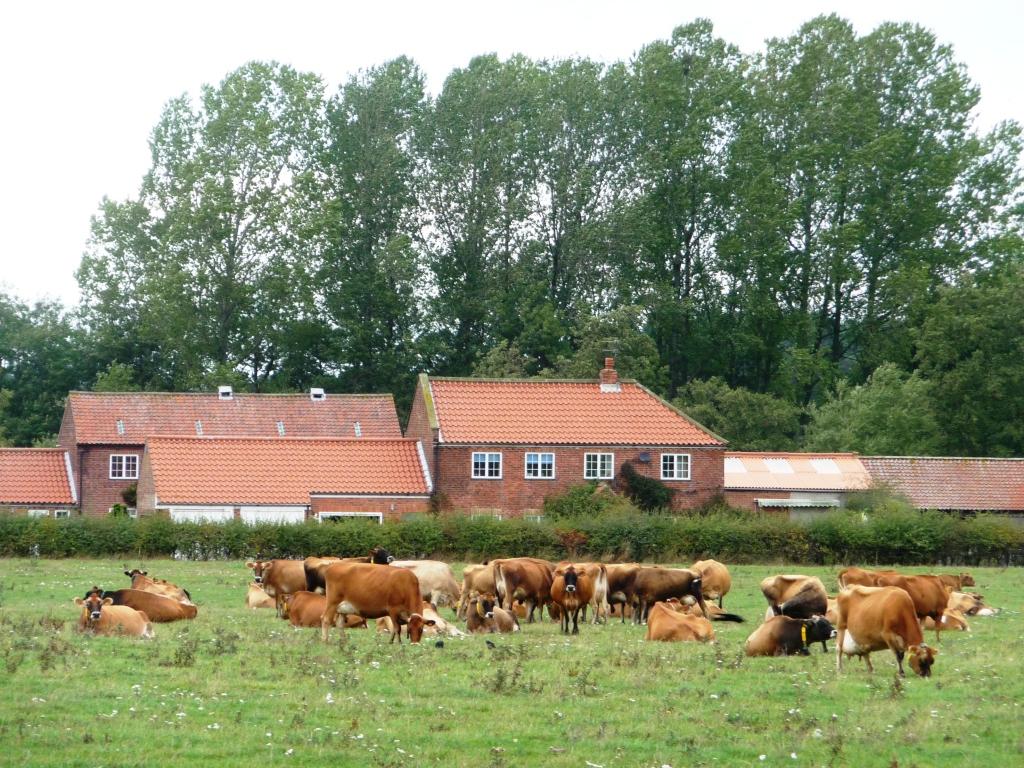
A conference in Dublin on methane emissions from livestock has heard push back against claims made about Bovaer, the best-known methane-cutting feed additive for cattle, Agriland reports.
The event, 'On-Farm Solutions: New Opportunities For Business Cases', was organised at the RDS on 24 September by the climate advocacy group Environmental Defense Fund. It comes as the European Food Safety Authority (EFSA) completes a scientific opinion, requested by the European Commission, on the safety of 3-nitrooxypropanol (3-NOP), sold as Bovaer, for dairy and breeding cows. The review followed reports from some farmers in Denmark that their cows' health and milk output suffered after using it; no scientific link between Bovaer and harm to cow health or milk yield is currently known.
"There's plenty of science to support that [Bovaer] is safe to use and is effective in terms of reducing methane," said Sean McCarthy, on-farm sustainability manager with Kinisla, but "soundbites" on different platforms were "scaring our consumers", making education a priority.
Saskia Visser of Climate KIC, the Netherlands-based climate innovation agency, said Dutch dairy company FrieslandCampina has been paying incentives to suppliers to use Bovaer for about three years without complaints from farmers.
John Harrison, of the research division of Ireland's Department of Agriculture, Food and the Marine, said from the floor that the wider debate on feed additives had been "distracted" by the Bovaer issue, which he called "the most widely-researched feed additive in the world" and shown to be safe, and asked whether stakeholders had a responsibility to counter possible misinformation.
The report was written by Charles O'Donnell for Agriland.
Photo: Christine Johnstone / Wikimedia Commons (CC BY-SA 2.0)
Source: Agriland
Comments
(0)