
Nthato Motlana left a corporate job in 2023 to farm full time at Marapyane farm in Lanseria, Gauteng, and is now working to turn a small vegetable operation into a business that can supply a major retailer. He was named one of the winners of the Woolworths Youth Makers 2026 programme, which gives him access to mentors and technical advice, Lindi Botha reports in Farmer's Weekly.
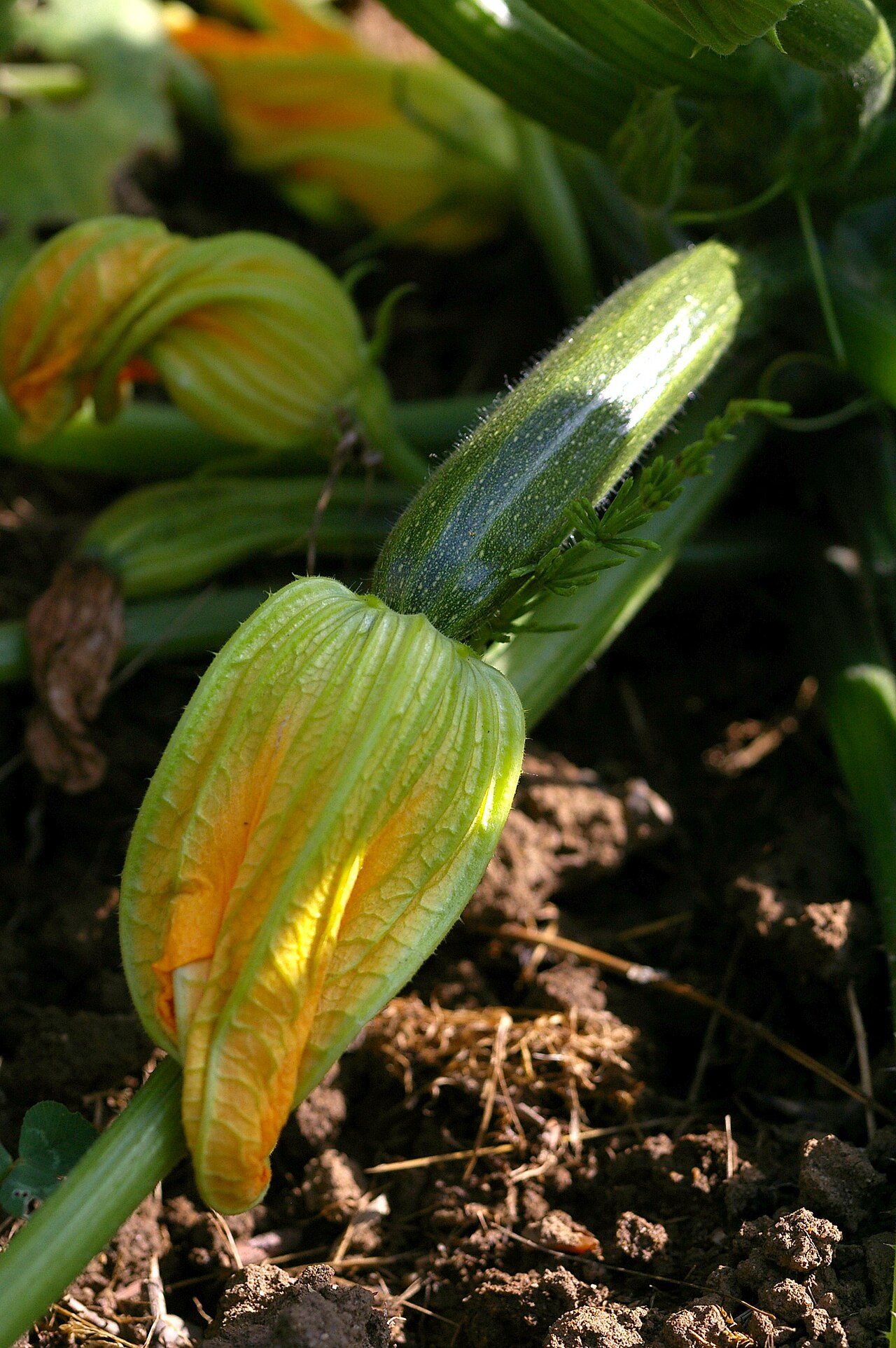
He farms only 1.5ha of the 150ha property his grandfather bought. He began with spinach but found its prices too volatile, so he added baby marrows, which hold their market price better, then sweet peppers in summer and cabbage in winter. He trials crops and cultivars regularly, this year testing how late sugar snap peas could be planted to hit a better market window. About half of his seedlings, roughly 150,000 a year, are raised on the farm.
His vegetables go to independent fresh produce stores on the northern side of Johannesburg. Those shops usually buy from the Joburg Fresh Produce Market in the south of the city, so supplying them directly saves both sides transport costs, and he says their demand leaves plenty of room to grow.
Woolworths told the Youth Makers at the start that the award was not an offtake agreement. For the past year its team has instead helped him bring the farm up to GlobalGAP standard, the international certification for safe and responsible production, with a heavy focus on integrated pest management and record-keeping. He now releases predatory insects early in the season to keep pests down, uses synthetic chemicals only when infestation rises, covers rows with mulching plastic to hold moisture and cut herbicide use, and has replaced micro-sprinklers with gravity-fed drip irrigation that saves power and water and lowers disease pressure.
"When you start farming from scratch, there is a lot you don't know," Motlana says, adding that measuring every spray and fertiliser application has made the farm far more accurate. The audit also covers staff welfare, which meant health and safety training. He employs four permanent workers and 10 to 15 seasonal workers at peak times.
Finance remains his biggest hurdle. Lenders want scale before they fund, and he cannot scale without funding, but he expects the detailed records he now keeps to help in those talks. A seed day held by Enza Zaden also showed him how choosing varieties for different planting windows could stretch his production across the year.
Photo: Meanos / Wikimedia Commons (Public domain)
Source: Farmers Weekly South Africa



Comments
(0)