
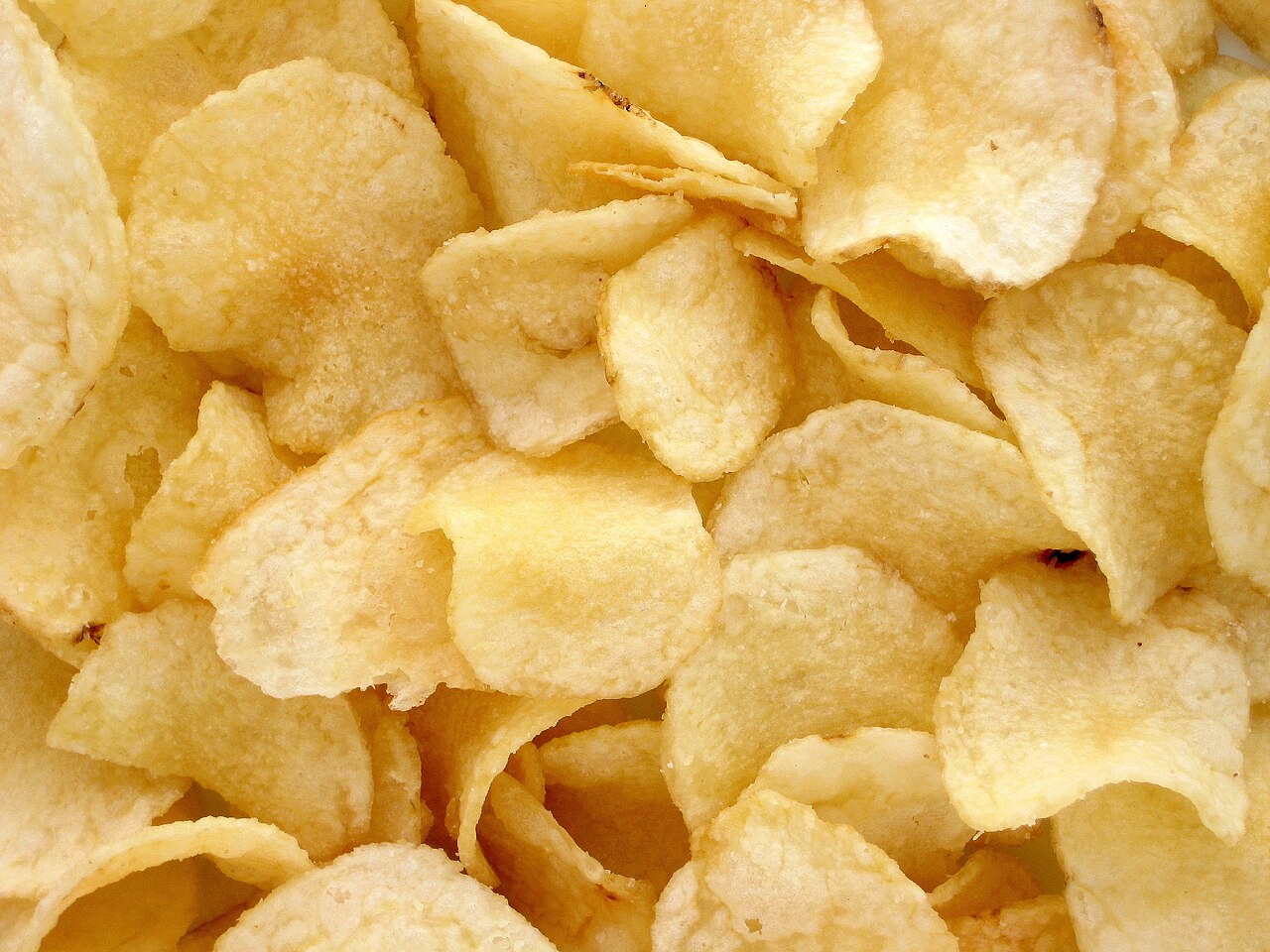
Researchers at the University of Guelph in Ontario are testing which potato varieties can stay in cold storage longer without losing the colour and flavour chip makers need, Farms.com reports. More than half of Ontario's potato crop goes to make potato chips.
Chip potatoes are harvested from July to October; some go straight to processing and the rest must be stored to supply factories through the winter. Cold storage stops sprouting, but low temperatures also trigger cold-induced sweetening: starch breaks down into reducing sugars, and when those potatoes are fried the chips turn dark and can taste bitter. The university says this can affect as much as 20% of the supply, and that 15% to 20% of tubers can be rejected by processors for it, causing lost revenue, food waste and disposal costs.
The work is led by Dr Katerina Jordan of the Department of Plant Agriculture, with technician Vanessa Currie at the Ontario Crops Research Centre in Elora and industry partner WD Potato, which provides cold storage and sucrose and dextrose analysis. They are storing different varieties at different temperatures and testing new cooling and storage methods for emerging varieties. "A potato is a living plant, so it breathes, it respires, it has a physiology to it," Currie said.
Dr Ian Tetlow's laboratory is studying invertase, the enzyme that breaks sucrose into glucose and fructose, and related research is looking for breeding lines with better storage and processing traits. The Ontario Potato Board is among the funders.
Fewer rejected tubers would mean more of each harvest reaching processors and a longer season for Ontario potatoes, which could reduce imports from other provinces and the United States. "Ideally, this could lead to producing more potatoes for Canada to export as well," Jordan said, though those gains are longer-term possibilities; the first task is to find which varieties and temperatures give the best mix of storage life and chip quality.
Photo: Evan-Amos / Wikimedia Commons (Public domain)
Source: Farms.com
Comments
(0)