
A research team from four US universities has received a 6 million dollar grant from the National Science Foundation to find out whether a common soil fungus can be made into a seed or soil treatment that helps rice and wheat survive drought.
Arkansas State University leads the four-year project with the University of Kansas, the University of Nebraska and Kansas State University; its own share is 2.2 million dollars. The project, "Boosting Tolerance to Water Stress in Rice and Wheat Using Mycorrhizal Inoculants", runs from August 2026 to July 2030 under the NSF's EPSCoR programme for multi-state research partnerships. The principal investigator is Dr Argelia Lorence, professor of metabolic engineering at Arkansas State, with Dr Scott Mangan, associate professor of ecology, as co-principal investigator.
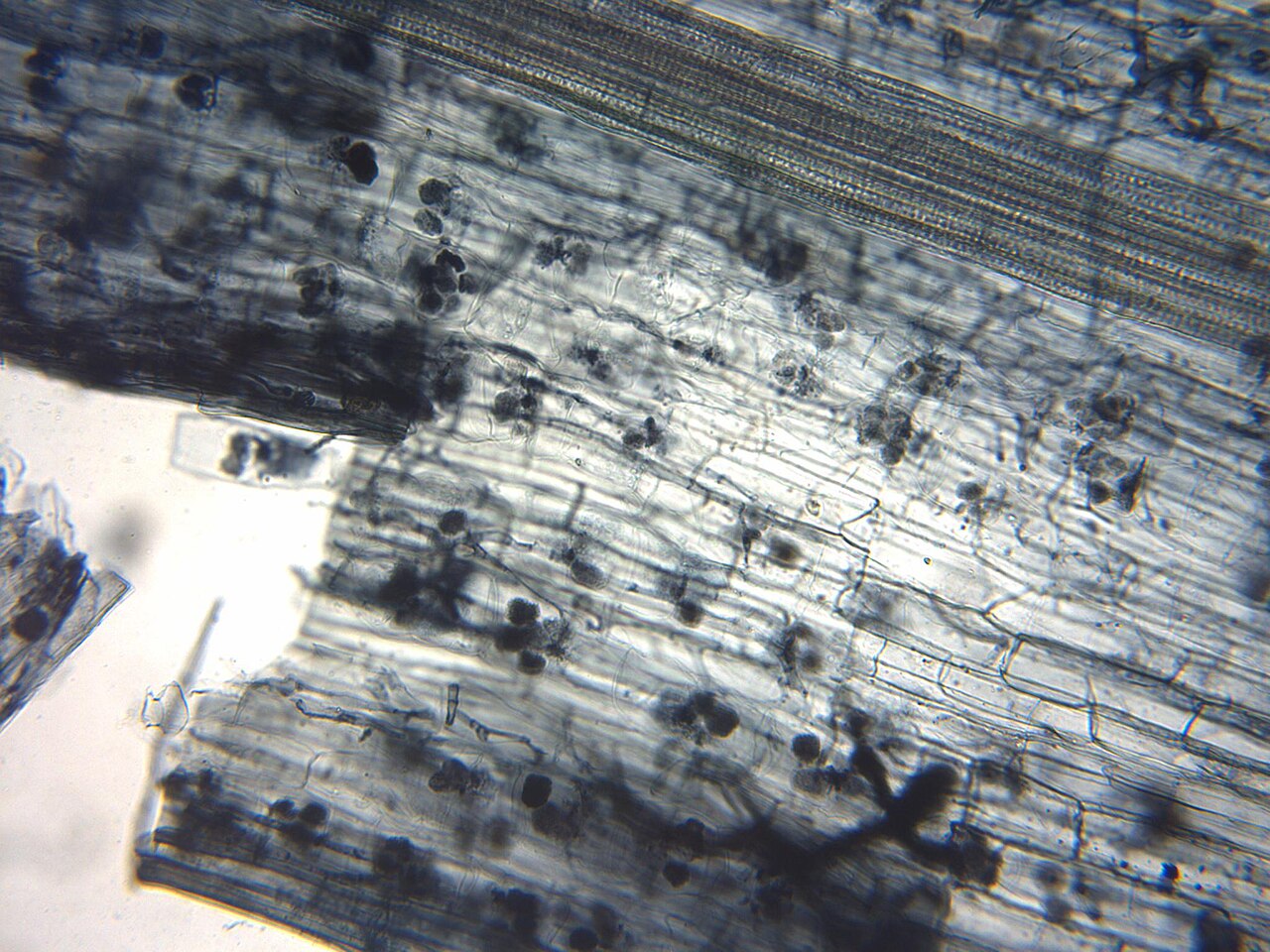
The work centres on arbuscular mycorrhizal fungi, which live in partnership with the roots of most food crops. They colonise the roots and spread extremely fine threads, called hyphae, into the soil far beyond the roots' reach, widening the area from which the plant can draw water and nutrients, especially phosphorus, in exchange for sugars. The new question is whether the fungi, applied as an inoculant on seed or soil, can measurably improve how rice and wheat cope with water stress.
The team will combine laboratory and genomic work on how fungus and plant respond to drought with field trials from the humid rice country of eastern Arkansas to the drier wheat belts of Kansas and Nebraska, because a strain that helps in one climate may not help in another. A socioeconomic strand will study how willing farmers would be to adopt such a product, with cost, shelf life and ease of use in mind from the start.
The project began only in August, and Arkansas State's announcement describes planned work, not findings. It is the start of a four-year effort, not evidence that a fungal drought treatment is ready for use.
Photo: Msturmel (arbuscular mycorrhiza in flax root cells, under the microscope) / Wikimedia Commons (public domain)
Source: Global Agriculture

Comments
(0)