
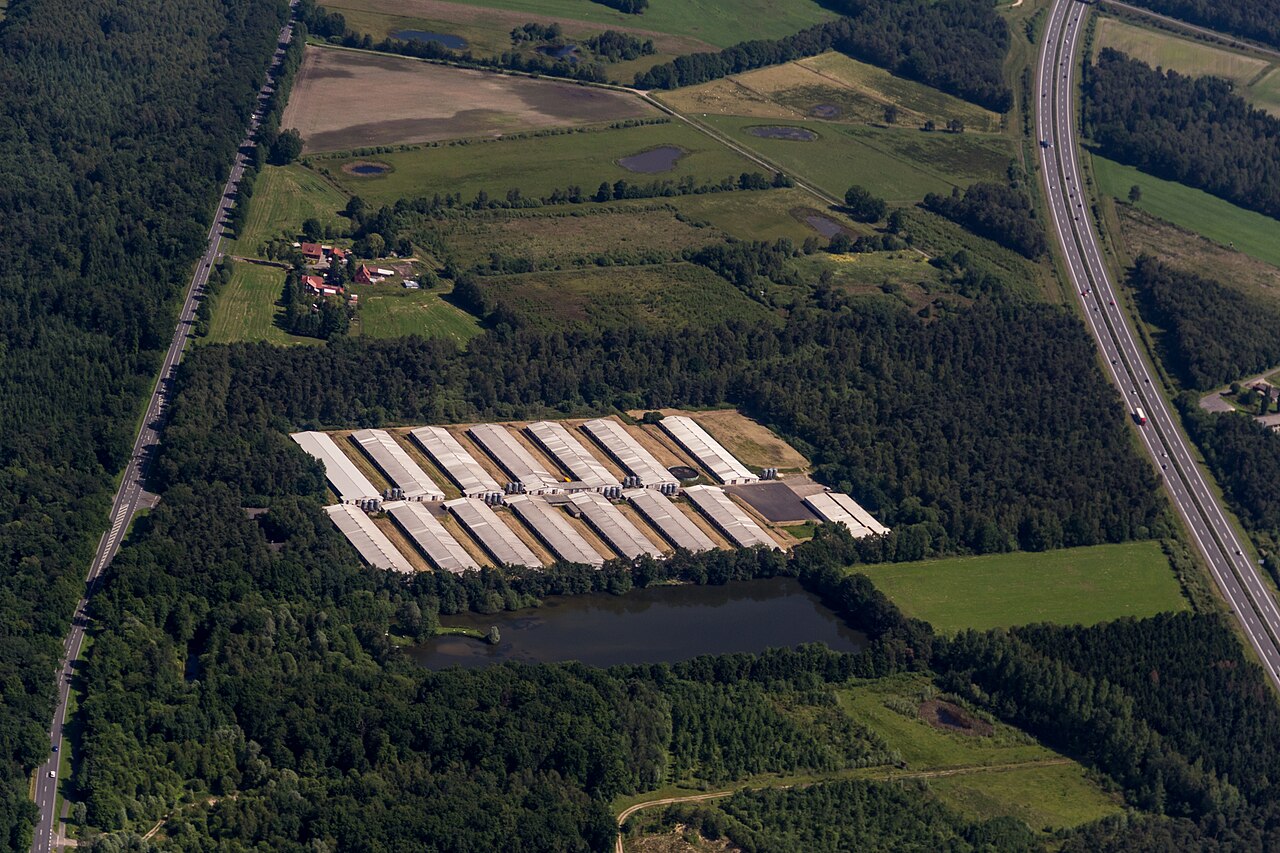
British egg producer Noble Foods has begun a two-year on-farm trial of acoustic technology that listens to laying hens and uses artificial intelligence to flag early signs of welfare problems, The Poultry Site reports.
Welfare in egg production is usually judged through standards, audits and assurance schemes, which give only periodic snapshots. The new system instead analyses the soundscape inside poultry houses continuously, using machine learning to pick out patterns in flock vocalisations and activity that may signal changes in behaviour, health or conditions, so farm teams can act before problems escalate.
The project was funded by Innovate UK, the national innovation agency, after a bid led by Emily Marshall, Noble Foods' agriculture sustainability manager. It was developed with the agri-tech firms AgriSound and Aviasenze and is being run on a working free-range farm in East Yorkshire, operated by a Happy Egg producer, and in one of Noble's barn laying units. The partners call it the first application of its kind in the UK egg sector; the team has nicknamed it the "Happy-o-Meter".
"This project demonstrates how AgriSound's expertise in bioacoustics AI can be applied beyond pollinators," said AgriSound chief executive Casey Woodward; the two companies previously worked with Noble on bio-acoustic pollinator monitoring. Heather Sanders of Aviasenze said automated monitoring lets farmers "rapidly identify and respond to problems in the flock before they escalate".
Marshall said the aim is to complement good stockmanship with better data, not replace it, and that results, including what does not work, will be shared with the wider sector. Testing in both free-range and barn systems is meant to make the findings relevant across UK egg production. The report was written up by Melanie Epp.
Photo: Dietmar Rabich / Wikimedia Commons (CC BY-SA 4.0)
Source: The Poultry Site
Comments
(0)