
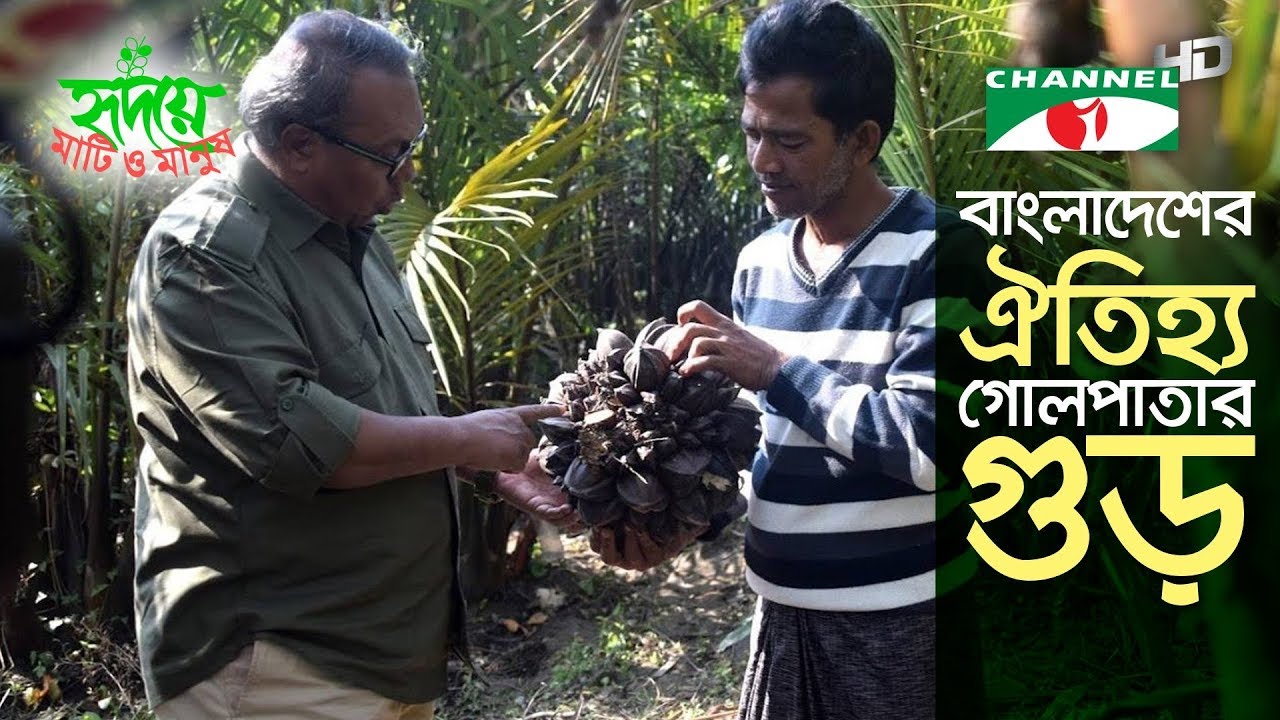
Some time ago, Shykh Seraj visited Nilganj union in Kalapara upazila, Patuakhali, to film Hridoye Mati O Manush. In Nabipur village of that union, golpata (nipa palm) is grown widely, and it is also grown in scattered places elsewhere in the district.
A main cash crop
Golpata is a major source of life and livelihood for local people and can be called their main cash crop.
A mangrove palm
Gol is a familiar tree of the coastal region. Those who have never seen it might think its leaves are round, since "gol" means round in Bengali, and nobody gives the tree much thought. Up close it is confusing: a different kind of tree with leaves like a coconut palm, with many branches and leaves rising together towards the sky from the mud. This mangrove plant grows densely, drawing strength from natural salt water.
Source: Shykh Seraj, Hridoye Mati O Manush. First published in Bengali on The Agro News.

Comments
(0)